.avif)

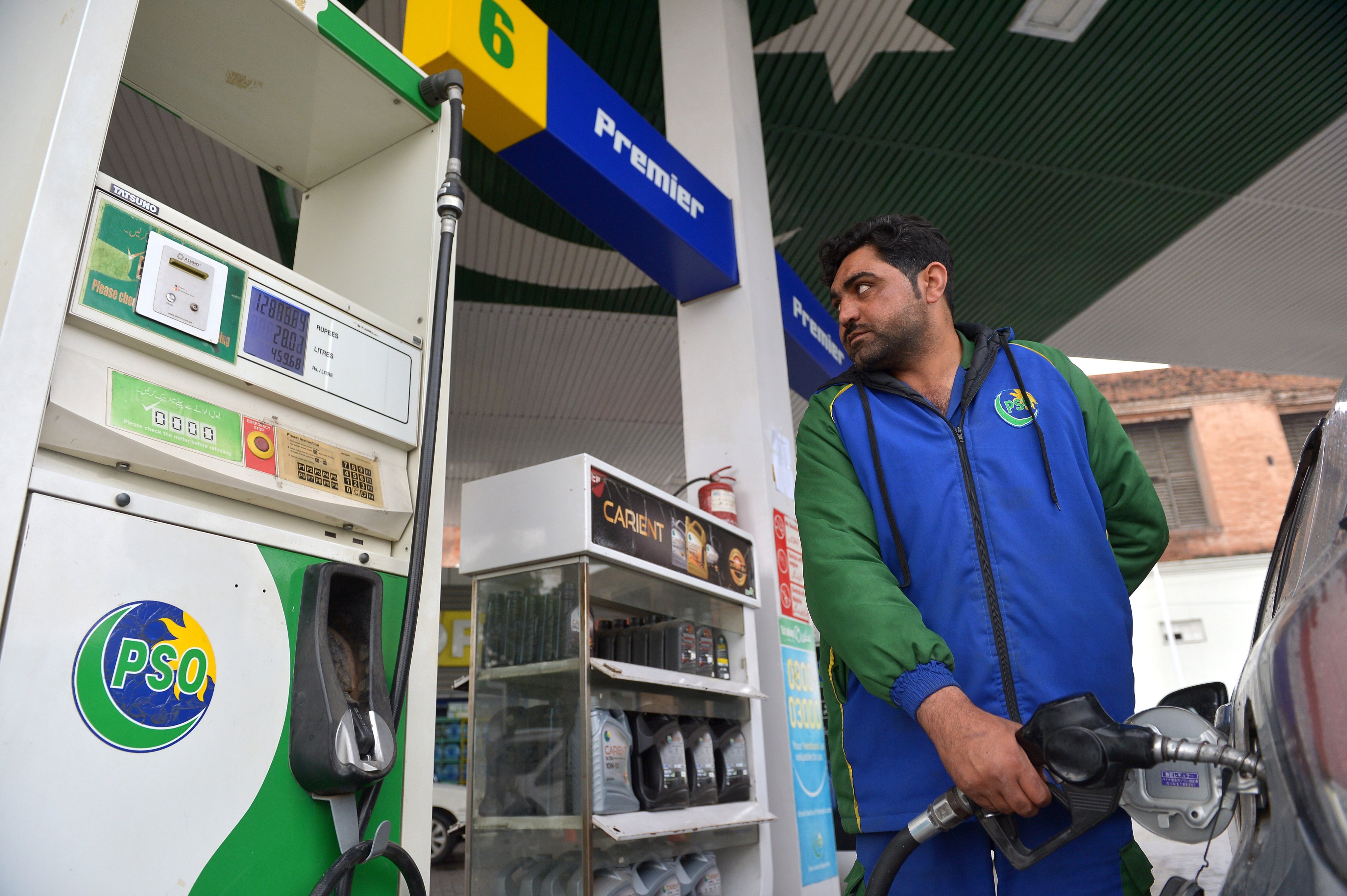
Bangladesh petroleum product importers face immediate margin compression as inflation hit 9.04% in April, up from 8.71% in March, driven by fuel price increases that forced government adjustments after black market diesel traded Tk 30-35 above official rates. With Brent crude trading at $101.96 per barrel on May 7th having risen from approximately $70-75 before the Iran conflict Bangladesh's energy import financing structure exposes operators to every dollar of price volatility without strategic reserves to buffer domestic adjustments. The margin anatomy is stark: transport operators were already buying diesel at Tk 130-135 while official rates held at Tk 100, creating an unsustainable subsidy gap that government price increases on April 19th partially closed but left importers absorbing residual international premiums.
The transmission mechanism reveals Bangladesh's structural vulnerability to Middle East disruption. Diesel, which accounts for 62% of overall annual fuel consumption, increased 15% to Tk 115 per litre, affecting agricultural output, transport costs, and industrial production across the economy. War-risk insurance premiums increased from 0.125% to between 0.2% and 0.4% of ship insurance value per transit adding roughly $250,000 per VLCC voyage while disruptions to oil exports and maritime trade led to rising energy prices and increased inflationary pressures globally. For a mid-sized petroleum product importer bringing a 35,000 tonne cargo from Singapore, the insurance premium increase alone adds approximately $1.40 per MT, before factoring higher underlying crude costs and extended voyage times from alternate sourcing.
On the buy side: Bangladesh fuel importers lacking strategic petroleum reserves and operating on thin import credit lines cannot delay price adjustments when international premiums spike. Bangladesh's oil import costs increased significantly since the closure of the Strait of Hormuz disrupted supplies and forced the country to buy fuel from non-traditional sources and the spot market, with the government initially keeping fuel prices unchanged for April, saying it wanted to protect consumers from further hardship. The arithmetic is unforgiving: every $10 per barrel increase in crude translates to roughly Tk 6-8 per litre at the pump, meaning recent oil price movements from $75 to over $115 required domestic adjustments exceeding Tk 20 per litre to maintain cost recovery.
On the sell side: Regional petroleum product suppliers capturing netback prices 15-20% higher to Bangladesh as alternative suppliers demand risk premiums for Hormuz transit or routing through longer Red Sea corridors. A similar gap exists for liquefied petroleum gas (LPG), which trades Tk 100 to Tk 200 above official rates in the open market, while inflation could rise further in May as the full impact of April fuel price adjustments feeds through to wholesale and retail markets. Singapore refiners quoting diesel to Dhaka can extract an additional $25-30 per MT compared to pre-conflict levels, with buyers having limited alternatives due to Bangladesh's import infrastructure constraints.
For large integrated traders with derivatives access: Brent-Dubai spread widening to $8-12 per barrel from typical $2-4 creates arbitrage opportunities, but requires sophisticated hedging as Middle East supply disruption premiums prove volatile and difficult to model. National oil companies' trading arms can leverage long-term supply agreements and government backing to secure strategic volumes, though at elevated costs. The protective instrument is calendar spread positions buying near-term futures while selling longer-dated contracts to capture the conflict premium's eventual normalization.
For smaller regional importers without derivatives access: Securing 60-90 day forward contracts with suppliers at fixed prices, even at current elevated levels, provides certainty against further escalation. Regional fuel cooperatives can pool purchasing power to access credit facilities and negotiate volume discounts, while diversifying supplier relationships across Indian Ocean refineries to reduce dependence on Persian Gulf sources. The practical equivalent of financial hedging is bilateral long-term offtake agreements with price adjustment mechanisms tied to published benchmarks rather than spot market volatility.
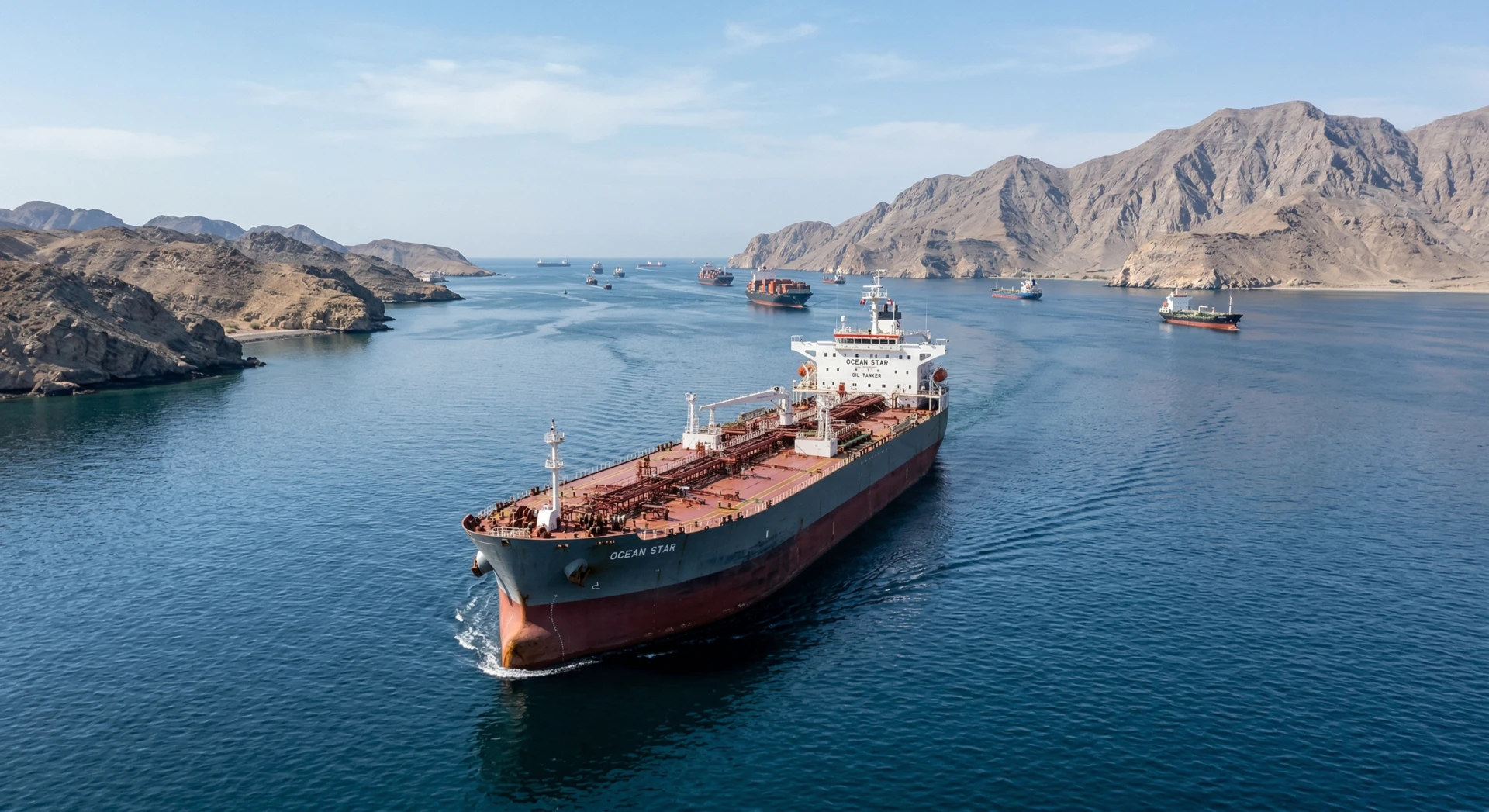
The freight dimension amplifies margin concentration inequities. Around 20 million barrels of crude oil, condensate, and fuels passed through the Strait daily on average last year, accounting for roughly one-fifth of global oil consumption, with about 1,000 vessels, mostly oil and gas tankers, with a total hull value exceeding $25 billion in the Persian/Arabian Gulf region. Vessel operators with war-risk coverage can charge premium rates, while those without coverage cannot transit high-risk zones. This bifurcates the market: insured tonnage commands $25-40 per MT premiums for Persian Gulf loadings, while alternative routes via Suez add 12-15 sailing days and proportional freight costs.
Second-order inflationary effects cascade through Bangladesh's import-dependent economy with predictable velocity. Food inflation rose from 8.24% in March to 8.39% in April, while non-food inflation increased from 9.09% to 9.57%, with costs rising across almost all areas of daily life, including house rent, healthcare, education, transport, clothing, and energy-related expenses. The transmission mechanism operates through transport: every Tk 15 per litre diesel increase raises trucking costs by approximately 8-12%, which distributors pass through to wholesale food prices within 2-3 weeks. Agricultural inputs face dual pressure from higher diesel for machinery and increased fertilizer costs, as natural gas feedstock prices rise with oil.
For observers: Monitor the Bangladesh Bank's import credit facilities and foreign exchange reserve position. ADB projects inflation to remain elevated at 9% in FY26, with disruptions to global energy markets, shipping routes, and supply chains driving sustained increases in oil and gas prices, intensifying domestic inflationary pressures and complicating ongoing disinflation efforts. The critical indicator is the spread between official fuel prices and parallel market rates if gaps exceed Tk 25-30 per litre for more than 4-6 weeks, expect another round of official price increases. Watch weekly import data from Bangladesh Petroleum Corporation: any decline below 85% of normal volumes signals financing constraints forcing demand rationing.
.jpg)
.jpg)

'%3e%3cg id='Final-Copy-2_2_' transform='translate(1275.000000, 200.000000)'%3e%3cpath class='st0' d='M7.4,12.8h6.8l3.1-11.6H7.4C4.2,1.2,1.6,3.8,1.6,7S4.2,12.8,7.4,12.8z'/%3e%3c/g%3e%3c/g%3e%3c/g%3e%3cg id='final---dec.11-2020'%3e%3cg id='_x30_208-our-toggle' transform='translate(-1275.000000, -200.000000)'%3e%3cg id='Final-Copy-2' transform='translate(1275.000000, 200.000000)'%3e%3cpath class='st1' d='M22.6,0H7.4c-3.9,0-7,3.1-7,7s3.1,7,7,7h15.2c3.9,0,7-3.1,7-7S26.4,0,22.6,0z M1.6,7c0-3.2,2.6-5.8,5.8-5.8 h9.9l-3.1,11.6H7.4C4.2,12.8,1.6,10.2,1.6,7z'/%3e%3cpath id='x' class='st2' d='M24.6,4c0.2,0.2,0.2,0.6,0,0.8l0,0L22.5,7l2.2,2.2c0.2,0.2,0.2,0.6,0,0.8c-0.2,0.2-0.6,0.2-0.8,0 l0,0l-2.2-2.2L19.5,10c-0.2,0.2-0.6,0.2-0.8,0c-0.2-0.2-0.2-0.6,0-0.8l0,0L20.8,7l-2.2-2.2c-0.2-0.2-0.2-0.6,0-0.8 c0.2-0.2,0.6-0.2,0.8,0l0,0l2.2,2.2L23.8,4C24,3.8,24.4,3.8,24.6,4z'/%3e%3cpath id='y' class='st3' d='M12.7,4.1c0.2,0.2,0.3,0.6,0.1,0.8l0,0L8.6,9.8C8.5,9.9,8.4,10,8.3,10c-0.2,0.1-0.5,0.1-0.7-0.1l0,0 L5.4,7.7c-0.2-0.2-0.2-0.6,0-0.8c0.2-0.2,0.6-0.2,0.8,0l0,0L8,8.6l3.8-4.5C12,3.9,12.4,3.9,12.7,4.1z'/%3e%3c/g%3e%3c/g%3e%3c/g%3e%3c/g%3e%3c/svg%3e) Privacy Choices
Privacy Choices