.avif)
Global LNG buyers face immediate contract renegotiation as QatarEnergy declares force majeure on long-term supply contracts for Italy, Belgium, South Korea and China following Iranian missile strikes that wiped out 17% of Qatar's LNG export capacity, sidelining 12.8 million tonnes per year for three to five years. The latest escalation occurred when missile debris from intercepted Iranian strikes injured 16 people in Qatar on 28 February, with four more injured in recent attacks, underscoring how regional conflict directly threatens commercial operations. For buyers with Qatari term contracts — representing roughly 77 million tonnes annually from the world's largest LNG exporter — the force majeure declarations trigger immediate commercial consequences: contract suspension without penalty, spot market exposure at current levels near $18.75/MMBtu JKM versus historical contract prices typically indexed $2-4/MMBtu below spot, and urgent sourcing requirements to replace firm volumes.
The margin anatomy reveals where value concentrates during supply disruptions. A force majeure (a contractual clause excusing performance due to extraordinary circumstances beyond control) shifts risk entirely to buyers who must replace Qatari volumes at prevailing market rates. Consider a South Korean utility with a 2 million tonne per year Qatar contract priced at oil-linked terms averaging $14/MMBtu: the force majeure declaration means sourcing replacement volumes at current JKM levels near $19/MMBtu — a $10 million annual cost increase per million tonnes. On the sell side, non-Gulf LNG suppliers capture immediate margin expansion: US Gulf Coast operators see their netback to Henry Hub (currently $2.81/MMBtu) widen to over $15/MMBtu after shipping and liquefaction costs, versus typical $8-10/MMBtu margins pre-crisis. For intermediaries, the arbitrage concentrates in vessel control and storage access — whoever holds LNG inventory or shipping capacity commands premium pricing power.
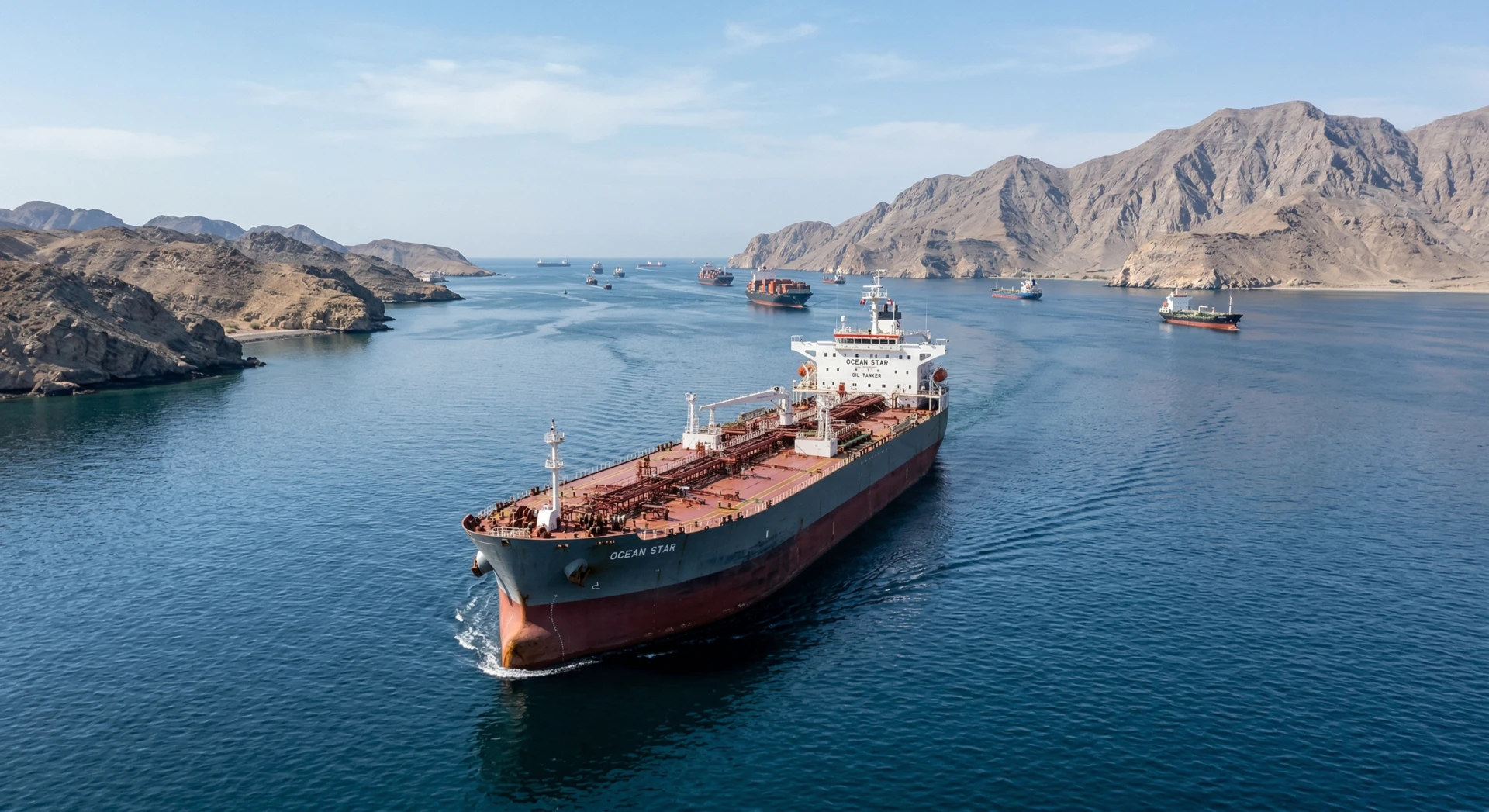
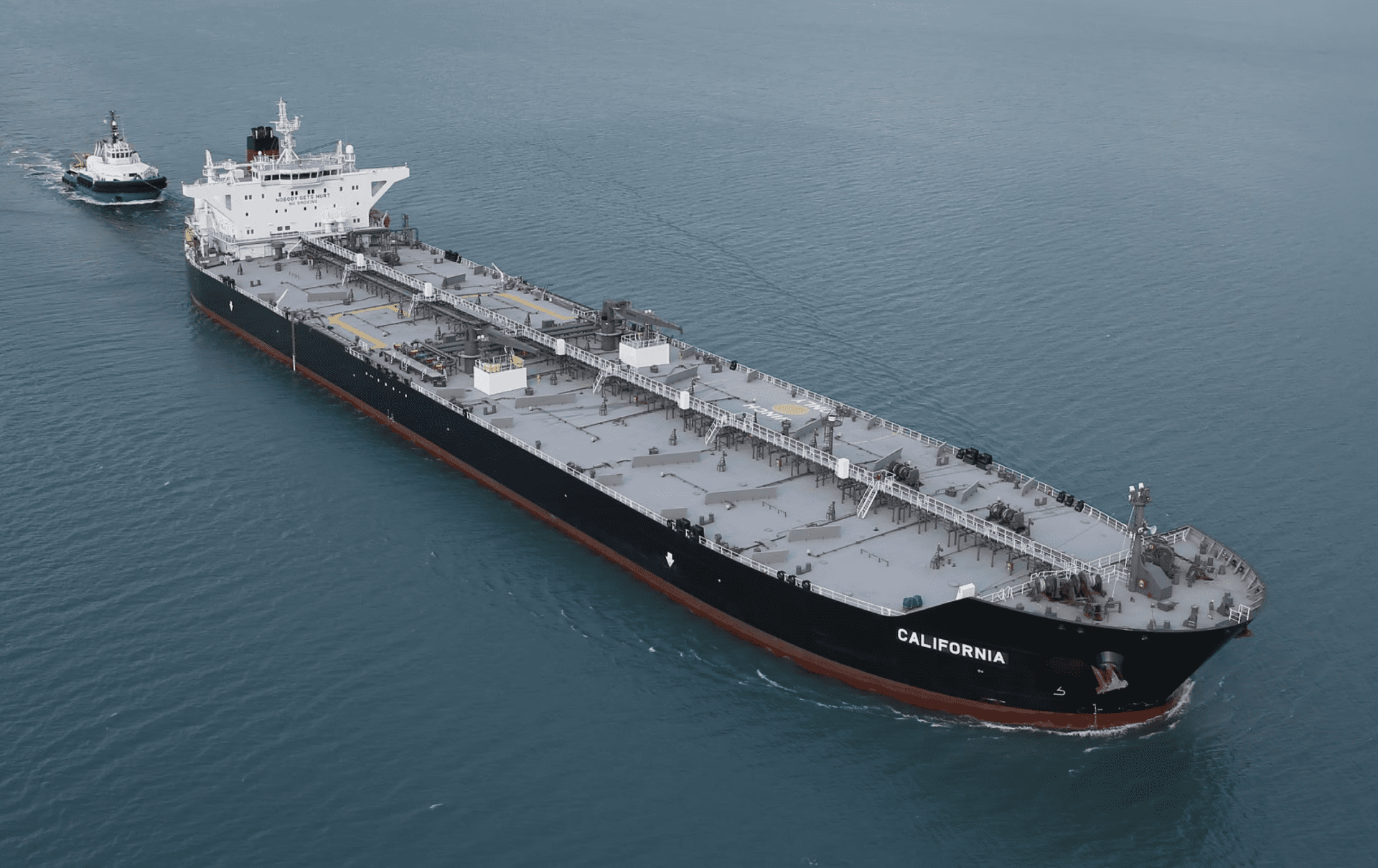
Freight dynamics amplify the supply shock across critical shipping routes. LNG carriers typically earn $35,000-50,000 per day on standard routes; current disruption pricing reaches $125,000-150,000 daily for available vessels. A modern 174,000 cubic meter LNG carrier moving from US Gulf Coast to Asia — a 22-day voyage including loading and discharge — now generates $3.3 million per round trip versus $1.1 million pre-crisis. The arithmetic is decisive: freight costs alone add $2-3/MMBtu to delivered LNG prices, entirely controlled by vessel operators rather than cargo owners. Atlantic Basin suppliers gain structural advantage through shorter routes to European buyers — Sabine Pass to UK terminals requires 8-10 days versus 18-22 days from Qatar through Suez (when operational). Route optimization becomes margin optimization: US operators pivoting from longer Asian routes to European deliveries reduce freight exposure while capturing European premium pricing.
Financing structures determine commercial viability under force majeure scenarios. Letters of credit (bank guarantees ensuring payment upon document presentation) become critical for spot LNG purchases as buyers lose contract certainty. A mid-sized Asian utility replacing 1 million tonnes annually requires approximately $600-700 million in LC facilities at current pricing — double pre-crisis requirements. For large integrated players with derivatives access: financial hedging through JKM swaps (currently trading $19.49/MMBtu) provides price protection, though basis risk remains between financial settlements and physical cargo pricing. Smaller regional operators face financing constraints: term debt facilities typically restrict spot market exposure, forcing either contract renegotiation or operational curtailment when firm supply disappears.
Operator strategies diverge sharply by scale and infrastructure access. Large integrated traders (Vitol, Trafigura, Shell) leverage global portfolio optimization: diverting US cargoes from Asia to Europe, exercising destination flexibility clauses in existing contracts, and monetizing inventory positions built during lower-price periods. Their financing capability enables opportunistic spot purchases for later resale when supply tightens further. Mid-sized utilities and independent power producers lack such flexibility: they face binary choices between expensive spot replacement or demand curtailment. Regional LNG aggregators — entities combining smaller buyers' volumes for better pricing — gain importance as individual utilities seek collective bargaining power against suppliers wielding force majeure declarations.
The North Field complication creates unique structural constraints for all operators. Qatar and Iran share the world's largest natural gas field — North Field/South Pars produces 20% of global LNG supply through the Ras Laffan complex — meaning any offshore infrastructure damage affects both countries' production simultaneously. Israeli strikes on Iran's South Pars facilities prompted Qatar to condemn attacks on shared energy infrastructure, calling it "dangerous and irresponsible". This geological reality means escalating conflict threatens the entire field regardless of political boundaries: subsurface reservoir damage, wellhead facilities, or offshore processing platforms impact production across both nations. Buyers cannot simply substitute Iranian volumes for Qatari supply — the physical resource is interconnected.
Historical precedent suggests prolonged disruption duration exceeds initial market expectations. The 1980-88 Iran-Iraq tanker war created persistent Gulf shipping disruptions lasting eight years, with freight rates remaining elevated throughout. Insurance war risk premiums during that period averaged 0.5-1.0% of cargo value, adding $500,000-1 million per VLCC voyage. Current conflict shows similar patterns: shipping insurance rates for the Strait of Hormuz increased four to six times within two weeks of initial strikes, while Iran has effectively blocked the strait through which 25% of world oil trade and 20% of LNG normally transit. Unlike previous disruptions, this crisis combines supply destruction (physical facility damage) with route blockade (Hormuz closure), creating compound supply constraints without clear resolution timeline.
s cascade through global energy markets beyond immediate LNG supply. The Gulf region produces 30% of global urea fertilizer and 50% of ammonia, with urea prices increasing 50% since conflict began. LNG-dependent fertilizer production faces dual constraints: reduced gas feedstock availability and higher energy costs for nitrogen fixation processes. European industrial consumers dependent on gas for petrochemicals, steel, and aluminum face production curtailment decisions as Dutch TTF gas prices soared 45-50% following Qatar production halts. Asian power generators must choose between expensive LNG replacement or increased coal burn — reversing emissions reduction progress but maintaining grid stability.
Counterparty concentration risk emerges as the decisive factor determining commercial survival. Buyers heavily concentrated in Qatari supply — particularly smaller Asian utilities with 40-60% Qatar dependence — face existential financing and operational challenges. Diversified portfolios prove their value: buyers with US, Australian, and Nigerian term contracts maintain operational flexibility despite Qatari force majeure. The crisis validates long-term supply diversification strategies that appeared expensive during abundant supply periods but provide critical resilience during disruption. Sellers with geographic and customer diversification (Cheniere Energy, Venture Global) command premium valuations as buyers recognize single-source supply risk.
Market signals indicate structural repricing beyond temporary disruption premiums. Asian LNG prices trading above $19/MMBtu represent fundamental supply-demand rebalancing rather than panic pricing: Asian spot prices increased over 140% following the March attacks on Ras Laffan facilities, with no meaningful supply additions expected before 2027-28. European gas storage levels at just 30% capacity following harsh winter conditions provide no buffer against extended disruptions. The North American advantage crystallizes through geographic separation from conflict zones and domestic supply abundance, positioning US LNG exports for sustained premium pricing power.
For LNG buyers monitoring resolution signals: watch QatarEnergy's force majeure declarations — any extension beyond current three-to-five-year timeline indicates structural supply loss rather than temporary disruption. Track Strait of Hormuz shipping movement through Lloyd's List Intelligence vessel tracking: resumption of normal transit patterns signals conflict de-escalation and potential supply restoration. Monitor JKM-TTF spreads: convergence below $2/MMBtu indicates global supply rebalancing, while sustained premiums above $4/MMBtu suggest permanent supply reduction. The timeline for Qatar's North Field expansion project resumption provides the clearest indicator of when additional supply might restore market balance — currently halted with delays potentially exceeding one year.
.jpg)

'%3e%3cg id='Final-Copy-2_2_' transform='translate(1275.000000, 200.000000)'%3e%3cpath class='st0' d='M7.4,12.8h6.8l3.1-11.6H7.4C4.2,1.2,1.6,3.8,1.6,7S4.2,12.8,7.4,12.8z'/%3e%3c/g%3e%3c/g%3e%3c/g%3e%3cg id='final---dec.11-2020'%3e%3cg id='_x30_208-our-toggle' transform='translate(-1275.000000, -200.000000)'%3e%3cg id='Final-Copy-2' transform='translate(1275.000000, 200.000000)'%3e%3cpath class='st1' d='M22.6,0H7.4c-3.9,0-7,3.1-7,7s3.1,7,7,7h15.2c3.9,0,7-3.1,7-7S26.4,0,22.6,0z M1.6,7c0-3.2,2.6-5.8,5.8-5.8 h9.9l-3.1,11.6H7.4C4.2,12.8,1.6,10.2,1.6,7z'/%3e%3cpath id='x' class='st2' d='M24.6,4c0.2,0.2,0.2,0.6,0,0.8l0,0L22.5,7l2.2,2.2c0.2,0.2,0.2,0.6,0,0.8c-0.2,0.2-0.6,0.2-0.8,0 l0,0l-2.2-2.2L19.5,10c-0.2,0.2-0.6,0.2-0.8,0c-0.2-0.2-0.2-0.6,0-0.8l0,0L20.8,7l-2.2-2.2c-0.2-0.2-0.2-0.6,0-0.8 c0.2-0.2,0.6-0.2,0.8,0l0,0l2.2,2.2L23.8,4C24,3.8,24.4,3.8,24.6,4z'/%3e%3cpath id='y' class='st3' d='M12.7,4.1c0.2,0.2,0.3,0.6,0.1,0.8l0,0L8.6,9.8C8.5,9.9,8.4,10,8.3,10c-0.2,0.1-0.5,0.1-0.7-0.1l0,0 L5.4,7.7c-0.2-0.2-0.2-0.6,0-0.8c0.2-0.2,0.6-0.2,0.8,0l0,0L8,8.6l3.8-4.5C12,3.9,12.4,3.9,12.7,4.1z'/%3e%3c/g%3e%3c/g%3e%3c/g%3e%3c/g%3e%3c/svg%3e) Privacy Choices
Privacy Choices