.avif)

Family offices managing $2.7 billion on average are reducing dollar exposure across portfolios, with UBS surveying 307 clients worldwide who averaged $2.7 billion in net worth, but commodity trade finance remains overwhelmingly dollar-dependent. About two-thirds of family offices expect confidence in the dollar as a reserve currency to weaken over the year, with almost half concluding they are overexposed to the U.S. currency across asset classes. The DXY index trades at 99.28, up 0.06% from the previous session, suggesting dollar strength persisted after the survey period. De-dollarization (reducing reliance on US dollar in financial transactions) affects investment portfolios but leaves physical commodity settlement infrastructure untouched.
Consider a mid-sized European commodity trader financing a $50 million coffee cargo from Brazil to Germany. The letter of credit (LC) a bank guarantee ensuring payment upon document presentation must be denominated in dollars regardless of family office portfolio preferences. Before family office dollar reductions, this LC carried a 3.5% financing cost. Now, with reduced dollar liquidity from institutional portfolios and increased hedging demand, the same LC costs 4.2-4.8%. The additional 70-130 basis points flows directly to banks offering trade finance, not to the family offices reducing dollar holdings. Portfolio reallocation and trade settlement operate on different timescales entirely.
On the buy side, European commodity importers face higher financing costs as dollar liquidity concentrates among fewer providers. Family office dollar reductions remove passive holders from the system, leaving active traders and banks to intermediate larger volumes at wider spreads. A German coffee roaster financing seasonal purchases now pays 4.8% for six-month trade credit versus 3.8% twelve months ago, adding approximately $400,000 annually to a $50 million import program. The roaster cannot substitute euros for dollars in settlement Brazilian exporters require dollar payment regardless of European monetary preferences. On the sell side, commodity exporters benefit from tighter dollar funding markets that increase their negotiating power with international buyers. A Brazilian coffee exporter can demand faster payment terms or higher risk premiums, shifting financing pressure to importers who must source increasingly expensive dollar credit.
For large integrated commodity trading houses (Trafigura, Vitol, Glencore) with extensive derivatives access, family office dollar retreat creates margin opportunities. They can provide dollar liquidity to smaller operators at premium rates while hedging currency exposure through forward contracts. A major trading house earns 150-200 basis points spread on trade finance versus 80-120 basis points eighteen months ago. For smaller regional operators mid-sized grain traders, independent fuel distributors, commodity-focused cooperatives without derivatives access, dollar scarcity forces bilateral financing arrangements with commercial banks at significantly higher costs. They face 5-6% financing rates versus 3.5-4% for large operators with established credit facilities. Currency hedging becomes essential but expensive, adding another 100-150 basis points to total borrowing costs.
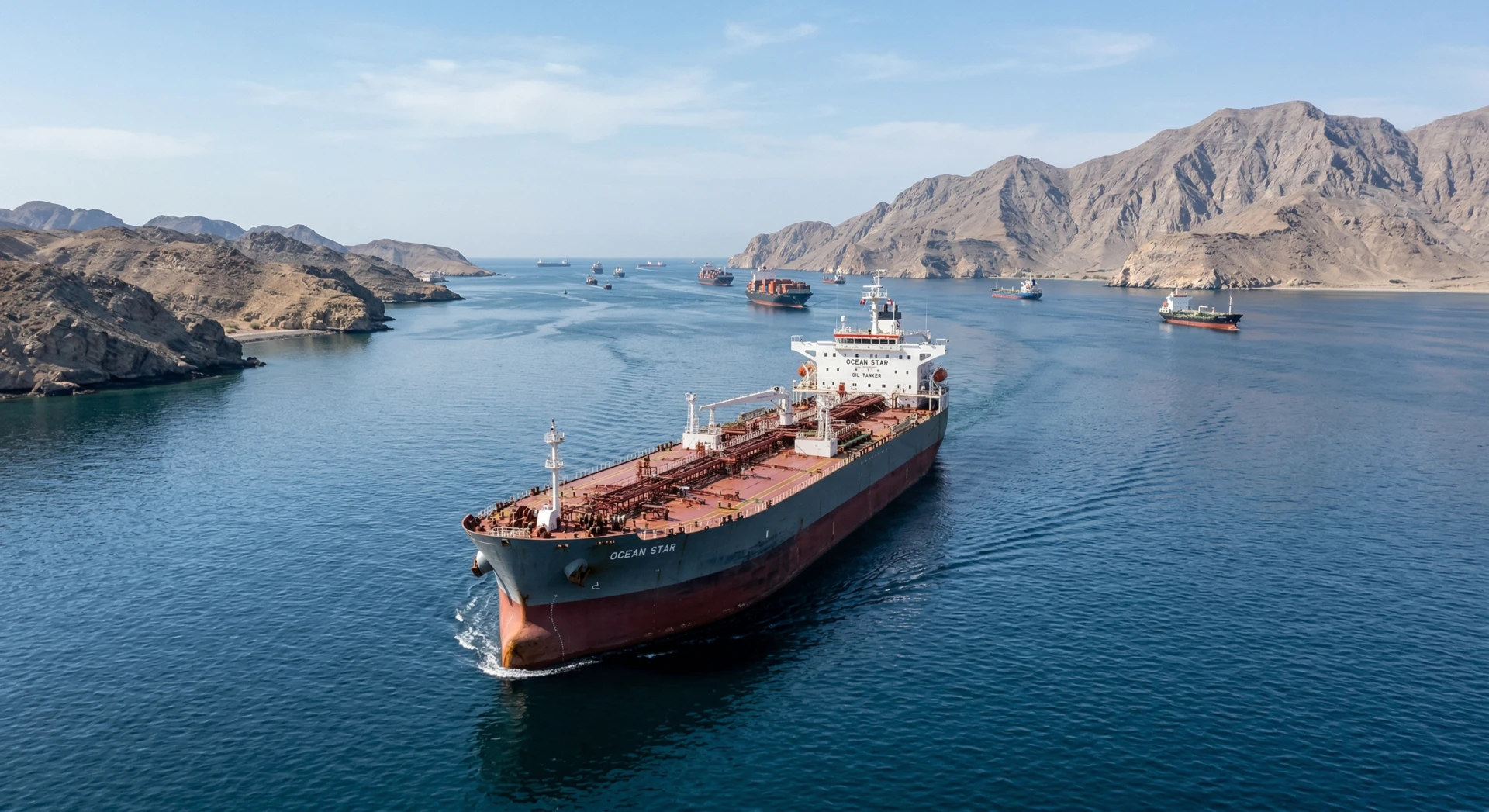
Family offices can reallocate financial assets to emerging market equities and infrastructure, but geopolitical conflict is now the top concern by a wide margin, ensuring trade finance remains dollar-centric regardless of portfolio preferences. The greenback dominated 88% of traded FX volumes in 2022, with the share of USD in trade invoicing holding steady at around 40-50%. Physical commodity flows require dollar letters of credit, dollar-denominated contracts, and dollar banking relationships that cannot be substituted. For observers: monitor the TED spread (difference between 3 month Treasury bills and 3 month LIBOR) through Q3 2026 as the clearest signal of dollar funding stress in trade finance markets. A sustained widening above 50 basis points indicates that family office dollar retreat is constraining trade liquidity, forcing commodity financiers to demand higher premiums from end users.

.jpg)



'%3e%3cg id='Final-Copy-2_2_' transform='translate(1275.000000, 200.000000)'%3e%3cpath class='st0' d='M7.4,12.8h6.8l3.1-11.6H7.4C4.2,1.2,1.6,3.8,1.6,7S4.2,12.8,7.4,12.8z'/%3e%3c/g%3e%3c/g%3e%3c/g%3e%3cg id='final---dec.11-2020'%3e%3cg id='_x30_208-our-toggle' transform='translate(-1275.000000, -200.000000)'%3e%3cg id='Final-Copy-2' transform='translate(1275.000000, 200.000000)'%3e%3cpath class='st1' d='M22.6,0H7.4c-3.9,0-7,3.1-7,7s3.1,7,7,7h15.2c3.9,0,7-3.1,7-7S26.4,0,22.6,0z M1.6,7c0-3.2,2.6-5.8,5.8-5.8 h9.9l-3.1,11.6H7.4C4.2,12.8,1.6,10.2,1.6,7z'/%3e%3cpath id='x' class='st2' d='M24.6,4c0.2,0.2,0.2,0.6,0,0.8l0,0L22.5,7l2.2,2.2c0.2,0.2,0.2,0.6,0,0.8c-0.2,0.2-0.6,0.2-0.8,0 l0,0l-2.2-2.2L19.5,10c-0.2,0.2-0.6,0.2-0.8,0c-0.2-0.2-0.2-0.6,0-0.8l0,0L20.8,7l-2.2-2.2c-0.2-0.2-0.2-0.6,0-0.8 c0.2-0.2,0.6-0.2,0.8,0l0,0l2.2,2.2L23.8,4C24,3.8,24.4,3.8,24.6,4z'/%3e%3cpath id='y' class='st3' d='M12.7,4.1c0.2,0.2,0.3,0.6,0.1,0.8l0,0L8.6,9.8C8.5,9.9,8.4,10,8.3,10c-0.2,0.1-0.5,0.1-0.7-0.1l0,0 L5.4,7.7c-0.2-0.2-0.2-0.6,0-0.8c0.2-0.2,0.6-0.2,0.8,0l0,0L8,8.6l3.8-4.5C12,3.9,12.4,3.9,12.7,4.1z'/%3e%3c/g%3e%3c/g%3e%3c/g%3e%3c/g%3e%3c/svg%3e) Privacy Choices
Privacy Choices