.avif)

Brent crude jumped above $97 per barrel on Tuesday after U.S. forces struck Iranian missile sites and mine-laying boats, instantly erasing Monday's diplomatic optimism and reinstating geopolitical risk premiums that crude oil importers particularly in Asia had hoped were fading. U.S. Central Command described the operation as "self-defense strikes" targeting "missile launch sites and Iranian boats attempting to emplace mines" around the Strait of Hormuz, the narrow waterway through which roughly 20% of global crude and refined product flows transit daily. The strikes demonstrate that even during ceasefire negotiations, the physical infrastructure of global energy supply remains vulnerable to rapid disruption. For a major Asian refinery importing 300,000 barrels per day of Middle East crude, each $1/barrel price spike translates to $300,000 in additional daily costs $109.5 million annually if sustained.
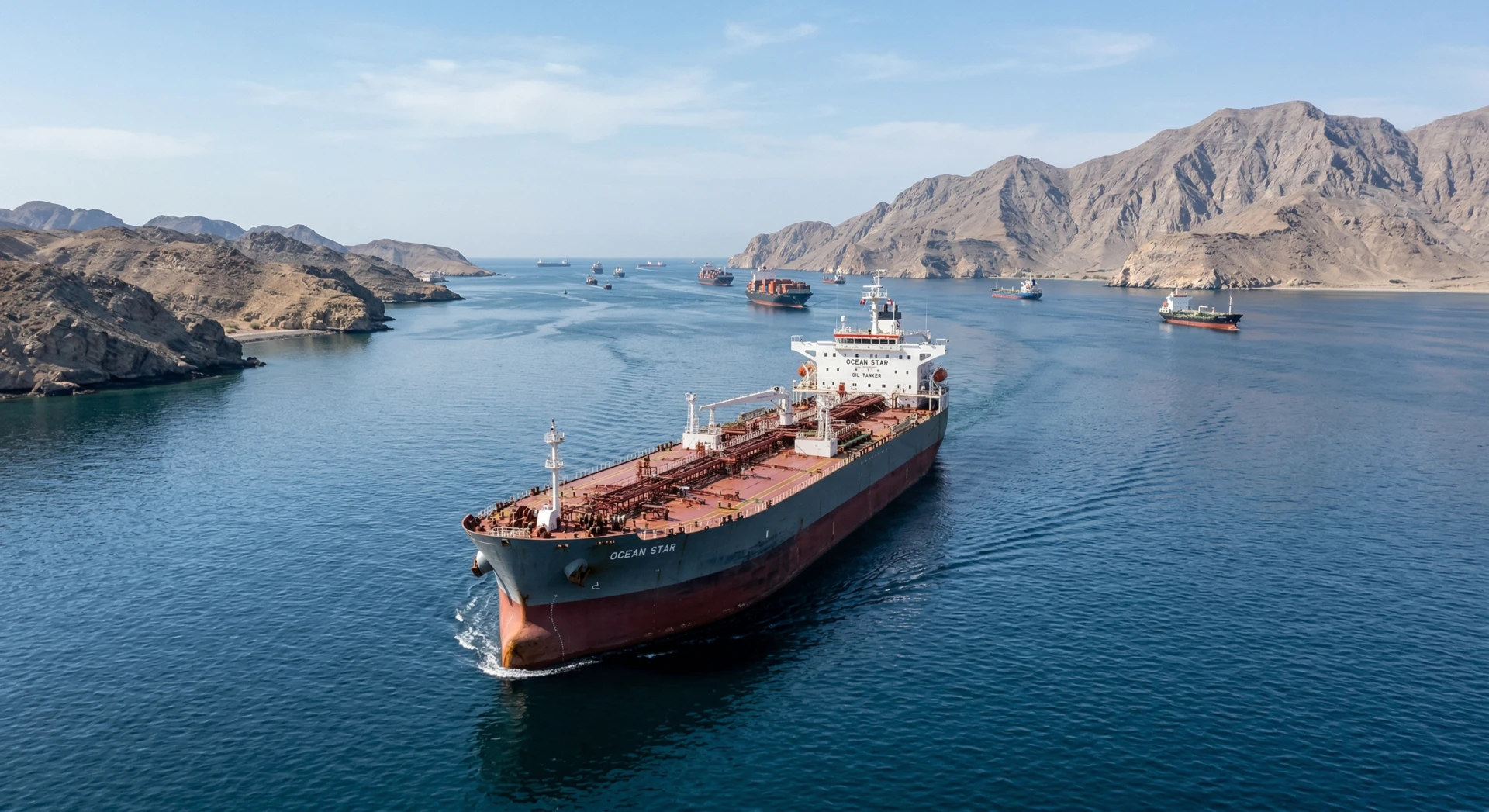
The Strait of Hormuz handles about 20% of global oil supply but only 2-3% of container volumes, yet its strategic chokepoint status means that any escalation immediately affects global energy pricing and shipping costs. A VLCC (Very Large Crude Carrier) transporting 2 million barrels from Kuwait to Japan normally pays standard freight rates of approximately $15,000–25,000 for the 25 day voyage. When geopolitical tensions spike as they did Monday war risk insurance premiums can double overnight, adding $50,000–100,000 per voyage. That additional cost, roughly $25–50 per loaded barrel, flows directly through to the cargo owner, typically an Asian refinery or national oil company. The arithmetic is unforgiving: elevated war risk premiums sustained over months can add $2–5/barrel to delivered crude costs, sufficient to alter refinery run rates and product pricing across entire regions.
Fuel volatility remains a major concern as the continued closure of the Strait of Hormuz tightens bunker fuel supply across Asia. Rising fuel costs are contributing to increased operating expenses and additional pricing pressure throughout the market. Bunker fuel the heavy fuel oil that powers commercial vessels has become increasingly scarce at key Asian hubs like Singapore, traditionally the region's primary bunkering center. The more serious concern looking ahead isn't just the price of fuel, but its availability. Bunker fuel supply in Asian hubs like Singapore is tightening, and while early reports of imminent shortages may have been overstated, analysts warn that a prolonged closure could lead to real supply constraints within the next two to three months. This creates a compounding effect: higher bunker costs increase freight rates, while bunker scarcity forces vessels onto longer routes or delays departures entirely.
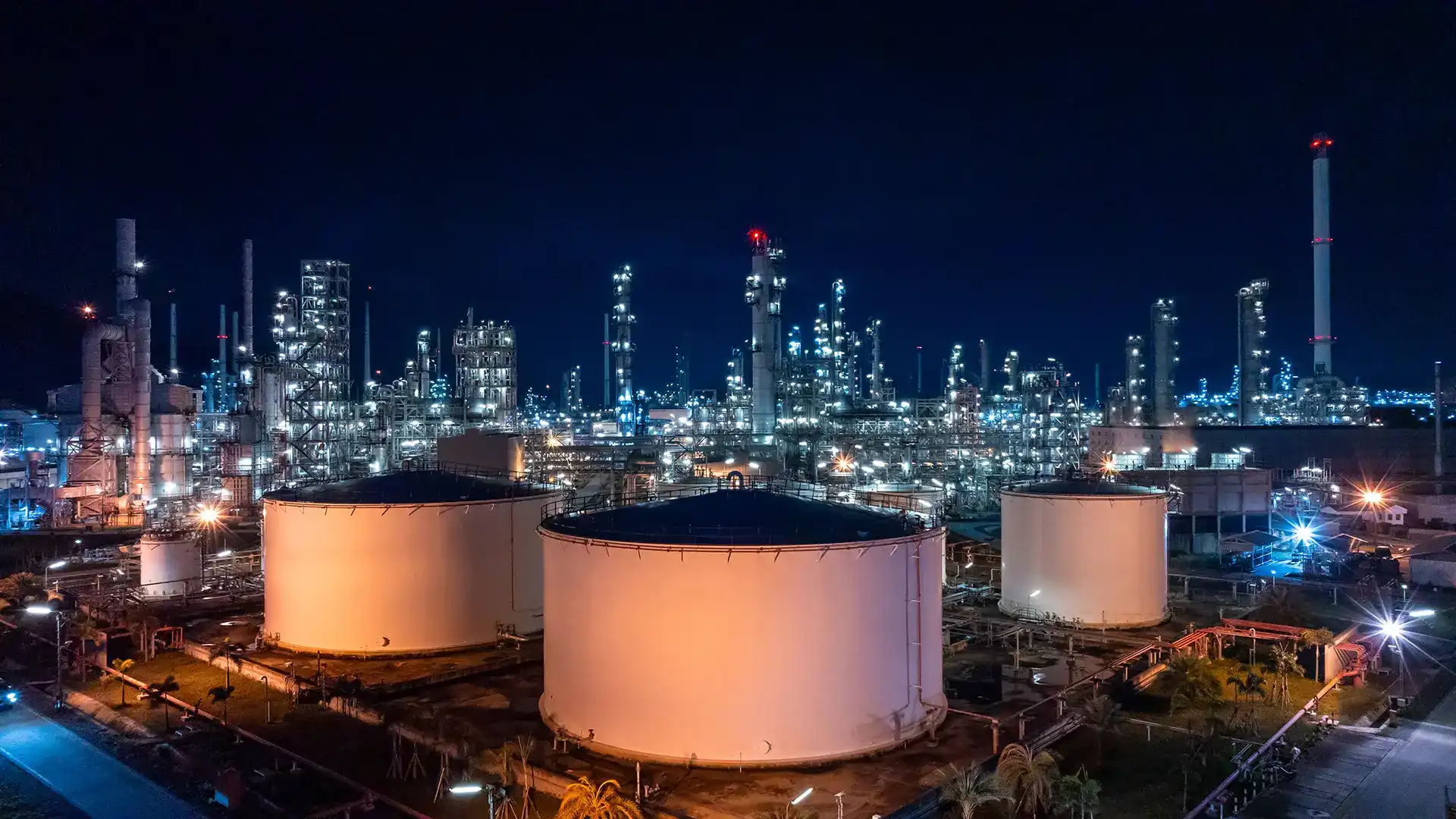
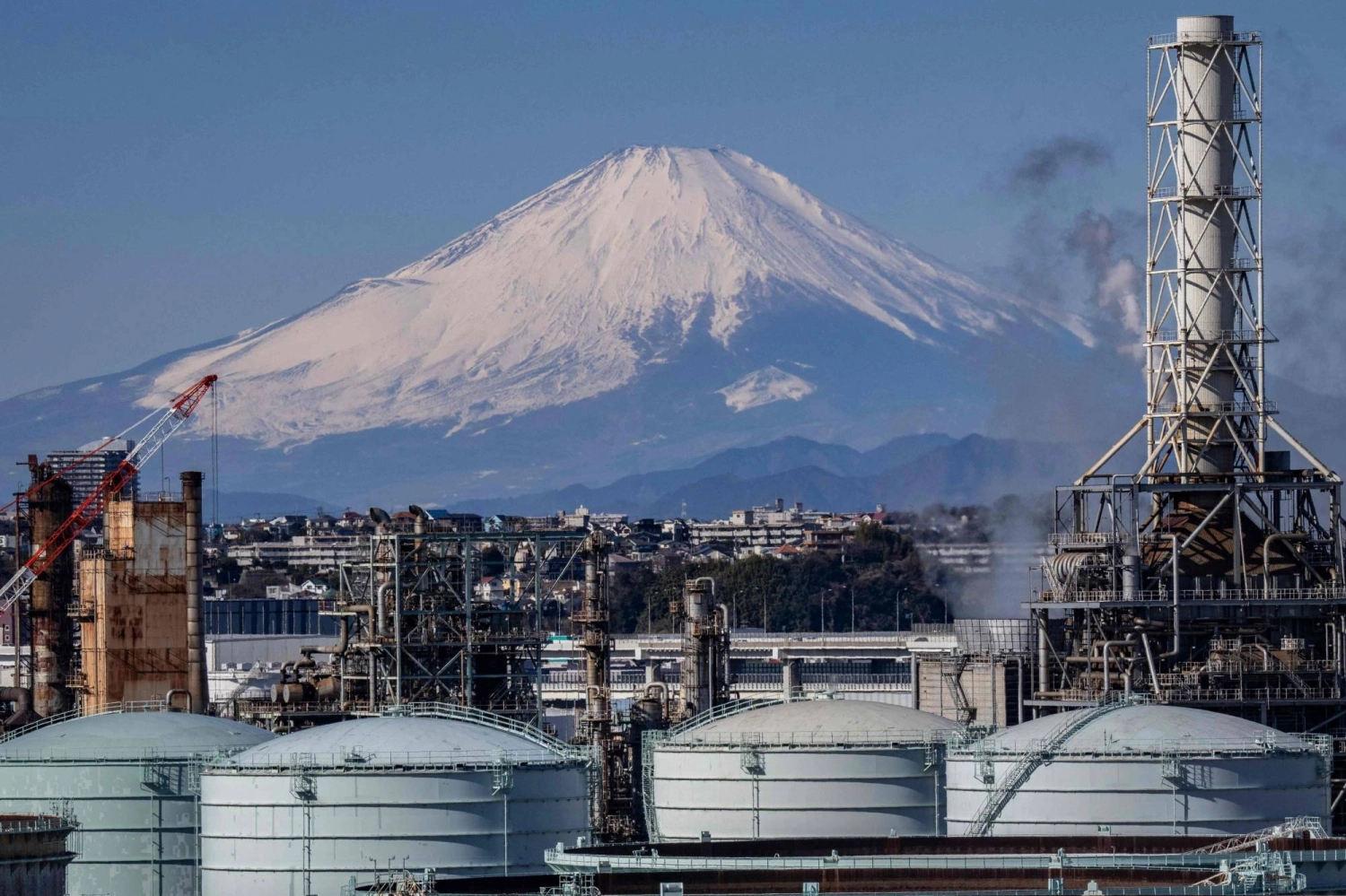
On the buy side: Large integrated Asian refiners like Japan's JXTG or South Korea's SK Energy face immediate margin compression as crude acquisition costs rise faster than refined product pricing. A typical 200,000 barrel per day coastal refinery sees gross margins of $8–12/barrel in normal markets. When crude costs spike $3–5/barrel due to geopolitical premiums while gasoline and diesel prices lag by days or weeks, operating margins can turn negative, forcing production cuts. These refiners often hedge crude costs using Brent or Dubai futures, but war risk premiums the additional cost of physical delivery under stressed conditions cannot be hedged in standard derivatives markets.
On the sell side: Middle Eastern crude producers paradoxically benefit from their own region's instability through higher pricing, but face severe logistical constraints. Vessels that would normally transit the Strait of Hormuz are rerouting around the Cape of Good Hope the southern tip of Africa. That detour alone adds 10 to 14 days per shipment. For Saudi Aramco or the UAE's ADNOC, this means longer cash conversion cycles, higher working capital requirements, and the need to secure additional tanker capacity at premium rates. A typical term contract for VLCC transportation from the Persian Gulf to Asia might cost $20,000/day. During disruptions, daily rates can surge to $75,000–100,000, with shipowners capturing the premium while oil producers absorb the cost through reduced netback pricing.
For traders and intermediaries: Independent trading houses like Vitol, Trafigura, or Mercuria face both opportunity and risk. Increased volatility creates arbitrage opportunities price differences between regions that skilled traders can capture through strategic positioning. However, the same volatility increases margin requirements and counterparty risks. A trading house holding 10 million barrels of crude in floating storage near the Strait of Hormuz during Monday's strikes would have seen paper gains of $30–50 million, but also faces elevated financing costs and insurance premiums that can quickly erode trading margins.
Freightos Terminal Shanghai to Jebel Ali container rates have quadrupled from under $2,000 to above $8,000 per container since the start of the war. Bunker fuel prices climbed sharply after the strait closed, and carriers have responded with emergency fuel surcharges ranging from $200 to $500 per container across lanes. This demonstrates how energy market disruption rapidly transmits to broader trade flows. Container shipping lines, already operating on thin margins, cannot absorb bunker cost increases and immediately pass them through to shippers via fuel surcharges. The speed of transmission often within 24–48 hours of a geopolitical event reflects the just in time nature of modern logistics where inventory buffers have been systematically eliminated.
For large integrated operators with global reach and sophisticated risk management: Major oil companies like Shell, ExxonMobil, or TotalEnergies maintain diversified crude supply sources and can redirect flows between Atlantic Basin and Middle Eastern grades. They also have access to derivatives markets for hedging price exposure and maintain strategic petroleum reserves to buffer short-term supply disruptions. A company like Shell, with refining capacity of 2.9 million barrels/day globally, can optimize crude runs across its system, processing more West African or North Sea crude when Middle Eastern supplies face premiums.
For smaller, regional operators without extensive hedging capabilities: Independent refineries, regional fuel distributors, and emerging market national oil companies face more constrained options. A mid-sized Indian refinery importing 100,000 barrels/day primarily from the Middle East cannot easily substitute West African crude due to processing configuration constraints and lacks access to sophisticated hedging instruments. These operators typically manage risk through bilateral supply agreements with sellers, adjusting inventory levels, and carefully managing their cash flow cycles to accommodate price volatility.
The US and Iran are currently discussing a framework that would extend the ceasefire for roughly two months, during which Washington would lift its blockade while Tehran would reopen the Strait of Hormuz. The diplomatic timeline matters commercially: if negotiations succeed within weeks, elevated risk premiums should normalize quickly. However, several key issues remain unresolved, particularly Iran's nuclear program and its demand to retain authority over maritime traffic through the vital waterway. This uncertainty creates an asymmetric risk profile where further escalation triggers immediate price spikes, while diplomatic progress provides only gradual relief.
Crude oil market structure reflects this asymmetry through backwardation where near-term prices exceed forward prices, signaling urgent physical supply needs. When front-month Brent futures trade $2–3/barrel above six-month contracts, the market effectively pays a premium for immediate delivery versus future supply. This price signal encourages holders of physical crude to sell promptly rather than store inventory, helping to balance tight supply conditions. However, backwardation also indicates that buyers expect current disruptions to be temporary otherwise, forward prices would trade at similar premiums.
For observers tracking market developments: The most reliable early warning indicators include the Brent-Dubai spread (currently around $1.50/barrel, normal range $0.50–2.00), Baltic Dirty Tanker Index rates, and Singapore bunker fuel assessments published by Platts. When the Brent-Dubai spread widens above $3/barrel, it signals that Atlantic Basin crude is becoming uneconomical for Asian buyers, forcing increased dependence on Middle Eastern supplies and amplifying regional supply risks. Similarly, Baltic Dirty rates above $40,000/day for VLCC routes indicate severe tanker market stress, typically preceding broader freight rate increases across multiple vessel classes.

.jpg)
.jpg)

'%3e%3cg id='Final-Copy-2_2_' transform='translate(1275.000000, 200.000000)'%3e%3cpath class='st0' d='M7.4,12.8h6.8l3.1-11.6H7.4C4.2,1.2,1.6,3.8,1.6,7S4.2,12.8,7.4,12.8z'/%3e%3c/g%3e%3c/g%3e%3c/g%3e%3cg id='final---dec.11-2020'%3e%3cg id='_x30_208-our-toggle' transform='translate(-1275.000000, -200.000000)'%3e%3cg id='Final-Copy-2' transform='translate(1275.000000, 200.000000)'%3e%3cpath class='st1' d='M22.6,0H7.4c-3.9,0-7,3.1-7,7s3.1,7,7,7h15.2c3.9,0,7-3.1,7-7S26.4,0,22.6,0z M1.6,7c0-3.2,2.6-5.8,5.8-5.8 h9.9l-3.1,11.6H7.4C4.2,12.8,1.6,10.2,1.6,7z'/%3e%3cpath id='x' class='st2' d='M24.6,4c0.2,0.2,0.2,0.6,0,0.8l0,0L22.5,7l2.2,2.2c0.2,0.2,0.2,0.6,0,0.8c-0.2,0.2-0.6,0.2-0.8,0 l0,0l-2.2-2.2L19.5,10c-0.2,0.2-0.6,0.2-0.8,0c-0.2-0.2-0.2-0.6,0-0.8l0,0L20.8,7l-2.2-2.2c-0.2-0.2-0.2-0.6,0-0.8 c0.2-0.2,0.6-0.2,0.8,0l0,0l2.2,2.2L23.8,4C24,3.8,24.4,3.8,24.6,4z'/%3e%3cpath id='y' class='st3' d='M12.7,4.1c0.2,0.2,0.3,0.6,0.1,0.8l0,0L8.6,9.8C8.5,9.9,8.4,10,8.3,10c-0.2,0.1-0.5,0.1-0.7-0.1l0,0 L5.4,7.7c-0.2-0.2-0.2-0.6,0-0.8c0.2-0.2,0.6-0.2,0.8,0l0,0L8,8.6l3.8-4.5C12,3.9,12.4,3.9,12.7,4.1z'/%3e%3c/g%3e%3c/g%3e%3c/g%3e%3c/g%3e%3c/svg%3e) Privacy Choices
Privacy Choices