.avif)

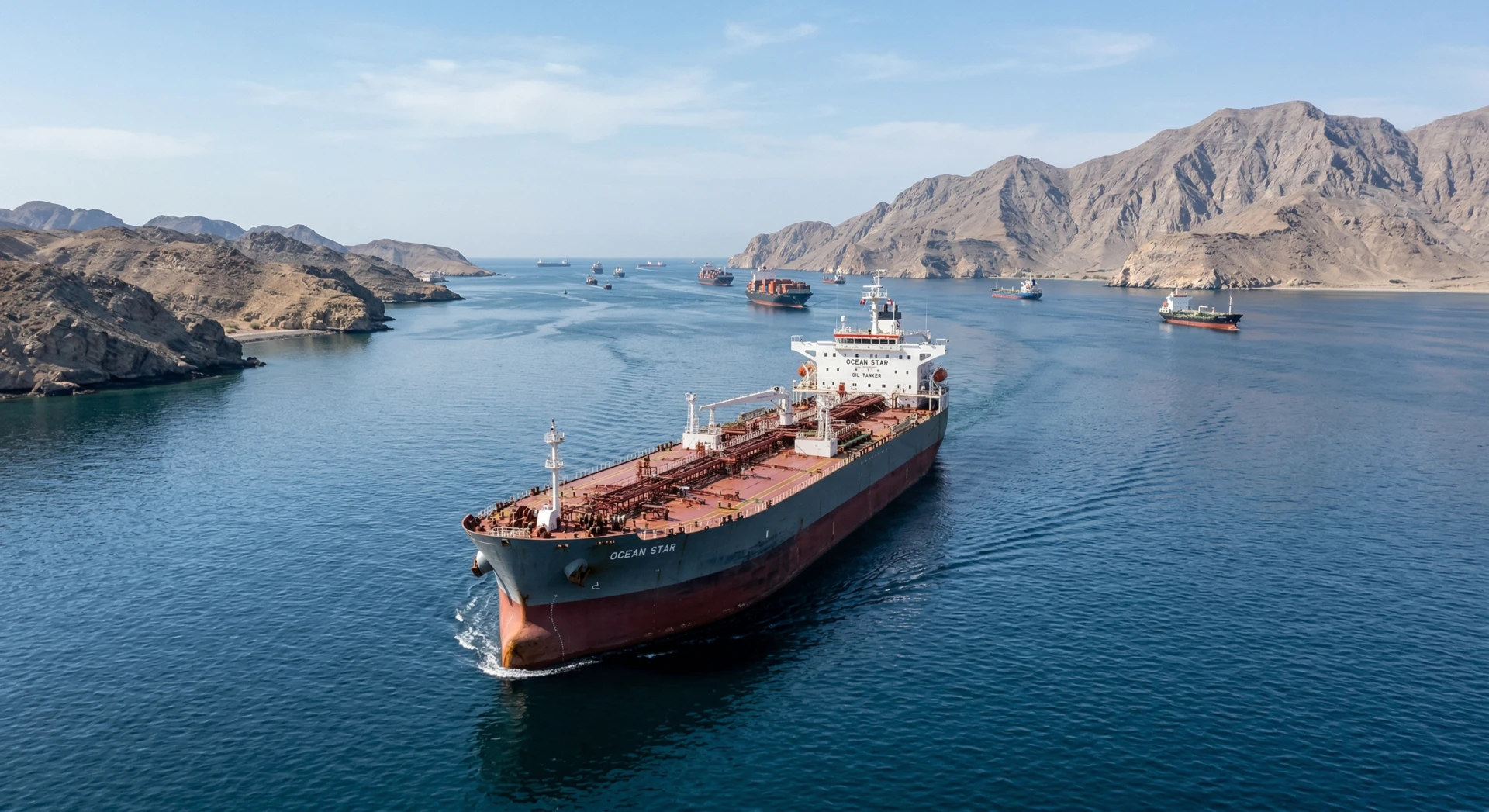
Oil majors, trading houses and national oil companies are racing to secure VLCC capacity against a historic bottleneck about 2,000 ships remain stranded in the Gulf, waiting to be allowed through the Strait of Hormuz after three months of effective closure. Very Large Crude Carrier (VLCC) freight rates have surged to unprecedented, record breaking levels, with daily earnings now exceeding USD 400,000 per day on key routes. The prospect of conditional reopening, emerging from Pakistan mediated talks, has triggered the most intense VLCC booking competition in modern shipping history, with multiple charterers bidding for the same vessels.
The scale of the backlog is unprecedented in peacetime shipping. Per IMF PortWatch, 4 vessels transited the Strait of Hormuz on 24/05/2026 at 4% of typical, effectively closed to commercial shipping, while before the United States and Israel launched their attacks on Iran in late February about 3,000 vessels typically passed through the Strait of Hormuz each month. The Iranian Revolutionary Guard Corps closed the strait on March 4, 2026, following US-Israeli strikes that killed Supreme Leader Ali Khamenei. Tanker traffic dropped to near zero, protection and indemnity insurance was cancelled from March 5, and all major carriers, including Maersk, CMA CGM, MSC, and Hapag Lloyd, have all suspended transits. Current daily passage remains at effectively zero commercial traffic, making this the longest sustained closure of the world's most critical oil chokepoint.
The freight rate explosion reflects fundamental market rewiring, not temporary disruption. The benchmark MEG–China (TD3C) route has surged to Worldscale levels above 400, translating into time‑charter equivalent (TCE) earnings of roughly USD 423,736 per day, the highest ever recorded for this route. By comparison, the Baltic Exchange's TD3C index the most widely watched VLCC benchmark averaged approximately $29,000 per day in January 2026. At peak disruption in early March, the Baltic Exchange's MEG-China TD3C index went parabolic after the outbreak of war, coming in at a record $423,736 per day on Monday, up 94% from Friday. These rates translate into voyage revenues of $20+ million for a single VLCC cargo, compared to $2-3 million pre-crisis. The margin concentration is extraordinary: VLCC owners are capturing roughly $15-18 million in additional revenue per voyage that would normally be distributed across the entire crude supply chain.
Time charter markets have locked in supernormal rates for months ahead. With reports of spot hire equivalents for VLCCs exceeding $200,000 per day for AG/East, and one year period TC's above $100,000 per day for modern tonnage, with one broker suggesting that a year-long TC deal had been done at $135,000 per day. Frontline, the world's largest independent VLCC operator, fixed seven VLCCs at one year rates of $76,900 per day in Q1 2026 rates the CEO described as unprecedented in company history. For Q2 2026, Frontline has 82% of its VLCC fleet contracted at an average of $181,700 per day, a 75% increase over Q1. Euronav (now CMB.Tech) has 81% of its VLCC fleet fixed for Q2 at $182,731 per day, up 160% quarter on quarter. These figures represent a fundamental re-rating of tanker assets: modern VLCCs that earned $30,000-50,000 per day in 2025 now command $150,000-200,000 per day for 12 month charters.
War-risk insurance has tripled the effective cost per barrel for any Gulf transit attempt. A prompt Ras Tanura–Ningbo VLCC that cost USD 0.25/bbl to insure on Thursday was quoted at USD 0.70-0.80/bbl on Friday, with 96 hour cancellation clauses suddenly standard. At current rates, war-risk insurance alone adds approximately $2 million per VLCC voyage more than many operators' total annual insurance budgets pre-crisis. War-risk insurance for tankers now prices at 8.0× pre-crisis, with 6 P&I clubs withdrawing cover. The 96 hour cancellation clause is particularly punitive for charterers: vessels can be recalled mid-voyage if geopolitical tensions spike, leaving cargoes stranded and charterers liable for full freight costs without delivery. Even if Iran declares the strait 'safe,' Lloyd's syndicates control whether commercial flows resume based on their own loss calculations.
Cape of Good Hope rerouting has fundamentally altered global crude flows rather than simply adding voyage time. Operators redirecting cargoes around Africa's Cape of Good Hope are adding between 3,500 and 4,000 nautical miles per voyage, with transit times extending by 10 to 14 days and fuel costs rising proportionally. A Very Large Crude Carrier (VLCC) or a 20,000 plus TEU containership can incur USD 400,000 to 800,000 in additional bunker costs per voyage, depending on fuel prices, vessel size, and speed profile. The Cape route for a Middle East-Asia voyage covers approximately 11,400 nautical miles versus 6,500 through Hormuz a 75% distance increase. This extended routing removes roughly 15-20% of effective global VLCC capacity from circulation, as vessels spend additional weeks at sea rather than loading new cargoes. Rerouting activity reportedly increased by more than 100% in a single day, significantly increasing tonne‑mile demand and further reducing effective fleet availability.
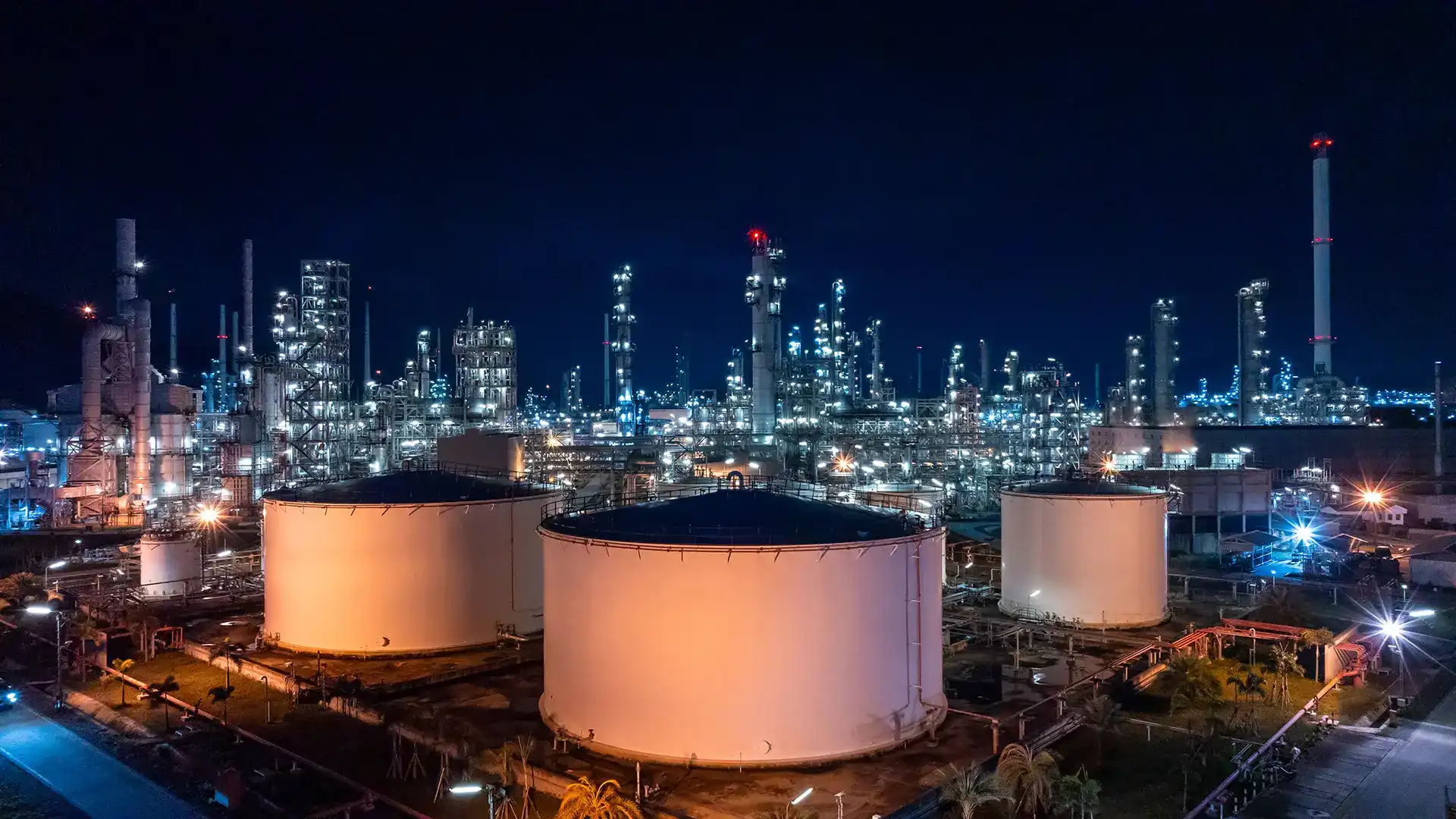
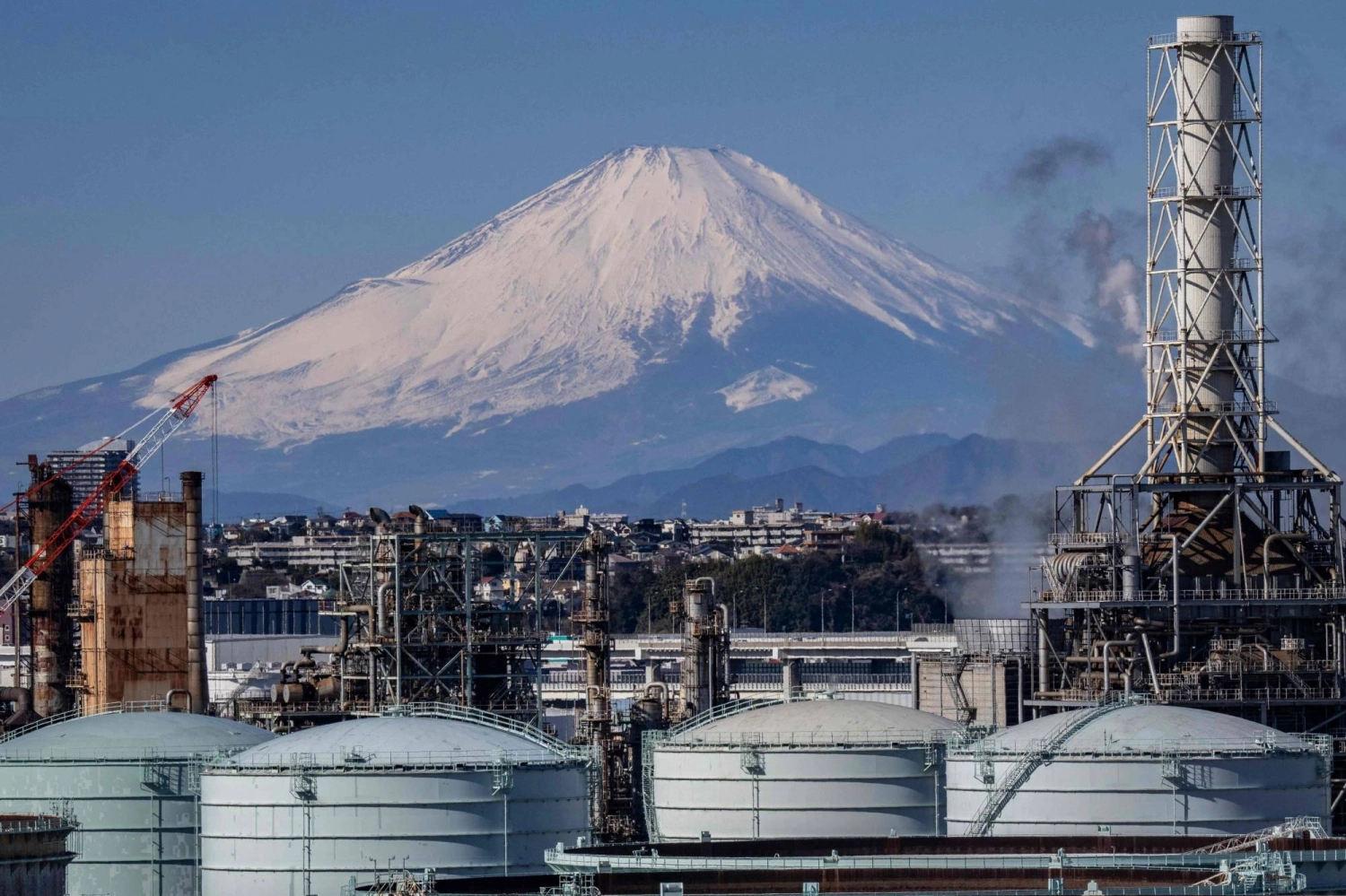
The buyer-seller dynamics have inverted traditional crude market relationships. On the buy side: Asian refiners China's Sinopec, India's Reliance, Japan's JXTG face delivered crude costs increased by $8-12 per barrel due to freight inflation alone. A Chinese independent refiner processing 200,000 bpd now pays an additional $1.6-2.4 million daily purely for transportation, erasing most refining margins at current crack spreads. Korean refiners have suspended some spot crude purchases entirely, unable to justify freight costs that exceed the value of processed products. On the sell side: Gulf producers Saudi Aramco, ADNOC, Kuwait Petroleum cannot lift crude from key terminals, leaving 2+ million barrels per day of production capacity effectively stranded. These barrels must either remain in storage (at carrying costs) or be diverted to alternative export routes with limited capacity. The irony is stark: Gulf producers face margin compression despite Brent crude trading $20+ above pre-crisis levels.
For large integrated traders Vitol, Trafigura, Glencore the situation creates both opportunity and operational chaos. These players with global vessel fleets can capture arbitrage between stranded Gulf crude (trading at discounts) and delivered Asian markets (at premiums). A Vitol controlled VLCC that secured a time charter at $100,000 per day pre-crisis is now earning spot equivalent rates of $400,000+ per day generating $9+ million in additional quarterly revenue per vessel. However, the same traders face massive working capital requirements: VLCC voyage costs now exceed $25 million per cargo (including freight, bunkers, and insurance), compared to $8-10 million pre-crisis. For smaller regional operators independent fuel importers in Southeast Asia, West African national oil companies, regional shipping cooperatives the market has become effectively inaccessible. These operators lack credit lines to post $25 million voyage guarantees and cannot hedge against mid-voyage cancellation clauses.
The financing dimension reveals how credit concentration determines market access. Letters of credit (LC) bank guarantees that payment will be made once shipping documents are presented now require 30-50% cash backing due to voyage value inflation and geopolitical risk. A regional Asian fuel importer requiring a single VLCC cargo faces LC margin requirements of $8-12 million, compared to $2-3 million pre-crisis. Many Asian banks have reduced exposure limits to Gulf-originated cargoes, forcing smaller players to seek alternative financing in Singapore or Dubai at higher costs. Conversely, Gulf producers are extending 60-90 day payment terms to Asian buyers to maintain market share, effectively financing the freight inflation themselves. National oil companies with sovereign backing Saudi Aramco, ADNOC, QatarEnergy can absorb these costs, while independent producers cannot compete.
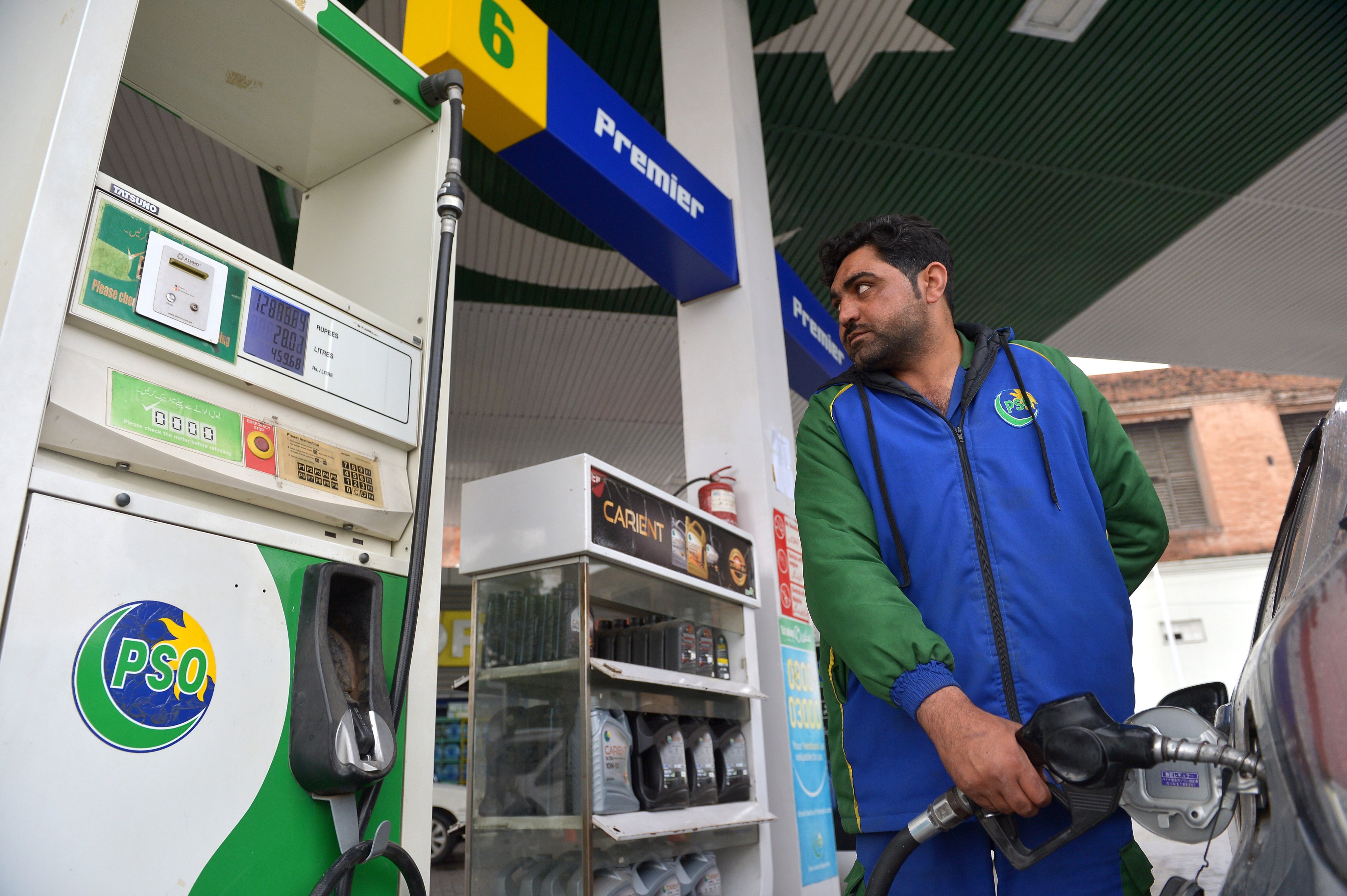
The margin anatomy concentration is unprecedented in modern commodity markets. VLCC owners Frontline, Euronav, DHT Holdings are capturing 70-80% of the value creation in the crude supply chain. A barrel of Brent crude that sells for $92 in Singapore carries approximately $6-8 in transport costs, compared to $1.50-2.00 pre-crisis. This freight component now exceeds refining margins, storage costs, and trading profits combined. The mathematics are straightforward: VLCC daily earnings of $400,000 translate into roughly $2.50-3.00 per barrel for a 2 million barrel cargo over a 25 day voyage. Since refiners cannot pass these costs to consumers immediately (due to price regulation in many Asian markets), the freight inflation compresses end-user margins rather than increasing pump prices.
The structural shift toward longer-duration contracts reflects charterers' desperation for certainty. Twelve-month VLCC time charters historically rare due to oil companies' preference for flexibility now represent 40-50% of new fixtures. Korean refiner SK Innovation recently fixed three VLCCs at $165,000 per day for 18 months, paying a $50,000 per day premium over prevailing one year rates for additional security. Japanese utility JERA pre-chartered two LNG carriers for two years at fixed rates, concerned that the gas tanker market will follow crude tankers higher. These extended charters represent a fundamental shift in risk allocation: oil companies are choosing to pay premium rates for capacity certainty rather than risk spot market exposure.
Geopolitical reopening dynamics create impossible timing calculations for market participants. Iran has offered conditional strait reopening in exchange for lifting the US naval blockade imposed April 13, but negotiation timelines remain fluid. President Trump has previously threated extensive attacks on Iranian infrastructure if shipping does not resume through the strait. Even if political agreement emerges, operational reopening faces technical hurdles. Pentagon officials informed the US House Armed Services Committee that it could take six months to fully clear the Strait of Hormuz of mines deployed by the Iranian military. Furthermore, if there is any risk of mines remaining, this will deter insurers and halt traffic, maritime insurers told Al Jazeera. The insurance market will determine commercial viability regardless of political declarations.
For VLCC owners, the reopening timeline presents both windfall preservation and strategic positioning challenges. Frontline's $344.9 million Q1 profit its highest since Q4 2004 depends on sustained rate elevation. If Hormuz reopens by Q3 2026, VLCC rates could collapse to $40,000-60,000 per day within weeks as 2,000 stranded vessels flood the market. Conversely, extended closure could push rates toward $600,000-800,000 per day as some analysts project. Major owners are hedging both outcomes: fixing 70-80% of fleet capacity at current elevated rates while maintaining 20-30% exposure to spot markets for maximum upside capture. Smaller independent owners without hedging access face binary outcomes: extraordinary profits if rates persist, or potential bankruptcy if markets normalize rapidly.
The solution for market observers lies in monitoring insurance underwriter risk appetite rather than political headlines. Lloyd's of London syndicate decision making specifically war-risk premium levels and policy terms will determine when commercial flows actually resume, regardless of diplomatic progress. Watch the Baltic Exchange TD3C index: if rates remain above $200,000 per day for 30+ consecutive days, expect VLCC time charter rates to reset permanently higher. Monitor Lloyd's List intelligence for vessel transit data: meaningful reopening requires 100+ vessels per day through Hormuz, not the current 4-5. For procurement professionals managing Asian fuel supplies: secure 6-12 month coverage now at current elevated rates rather than risk further freight inflation if geopolitical resolution delays extend into Q4 2026.
.jpg)
.jpg)

'%3e%3cg id='Final-Copy-2_2_' transform='translate(1275.000000, 200.000000)'%3e%3cpath class='st0' d='M7.4,12.8h6.8l3.1-11.6H7.4C4.2,1.2,1.6,3.8,1.6,7S4.2,12.8,7.4,12.8z'/%3e%3c/g%3e%3c/g%3e%3c/g%3e%3cg id='final---dec.11-2020'%3e%3cg id='_x30_208-our-toggle' transform='translate(-1275.000000, -200.000000)'%3e%3cg id='Final-Copy-2' transform='translate(1275.000000, 200.000000)'%3e%3cpath class='st1' d='M22.6,0H7.4c-3.9,0-7,3.1-7,7s3.1,7,7,7h15.2c3.9,0,7-3.1,7-7S26.4,0,22.6,0z M1.6,7c0-3.2,2.6-5.8,5.8-5.8 h9.9l-3.1,11.6H7.4C4.2,12.8,1.6,10.2,1.6,7z'/%3e%3cpath id='x' class='st2' d='M24.6,4c0.2,0.2,0.2,0.6,0,0.8l0,0L22.5,7l2.2,2.2c0.2,0.2,0.2,0.6,0,0.8c-0.2,0.2-0.6,0.2-0.8,0 l0,0l-2.2-2.2L19.5,10c-0.2,0.2-0.6,0.2-0.8,0c-0.2-0.2-0.2-0.6,0-0.8l0,0L20.8,7l-2.2-2.2c-0.2-0.2-0.2-0.6,0-0.8 c0.2-0.2,0.6-0.2,0.8,0l0,0l2.2,2.2L23.8,4C24,3.8,24.4,3.8,24.6,4z'/%3e%3cpath id='y' class='st3' d='M12.7,4.1c0.2,0.2,0.3,0.6,0.1,0.8l0,0L8.6,9.8C8.5,9.9,8.4,10,8.3,10c-0.2,0.1-0.5,0.1-0.7-0.1l0,0 L5.4,7.7c-0.2-0.2-0.2-0.6,0-0.8c0.2-0.2,0.6-0.2,0.8,0l0,0L8,8.6l3.8-4.5C12,3.9,12.4,3.9,12.7,4.1z'/%3e%3c/g%3e%3c/g%3e%3c/g%3e%3c/g%3e%3c/svg%3e) Privacy Choices
Privacy Choices