.avif)
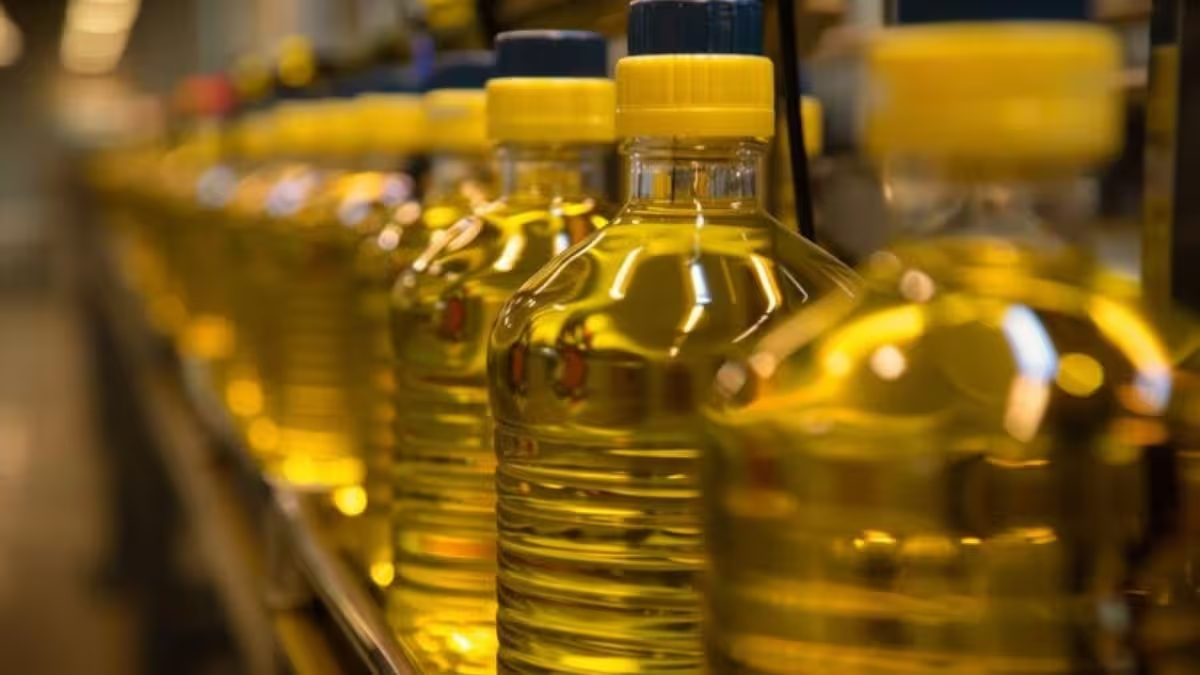
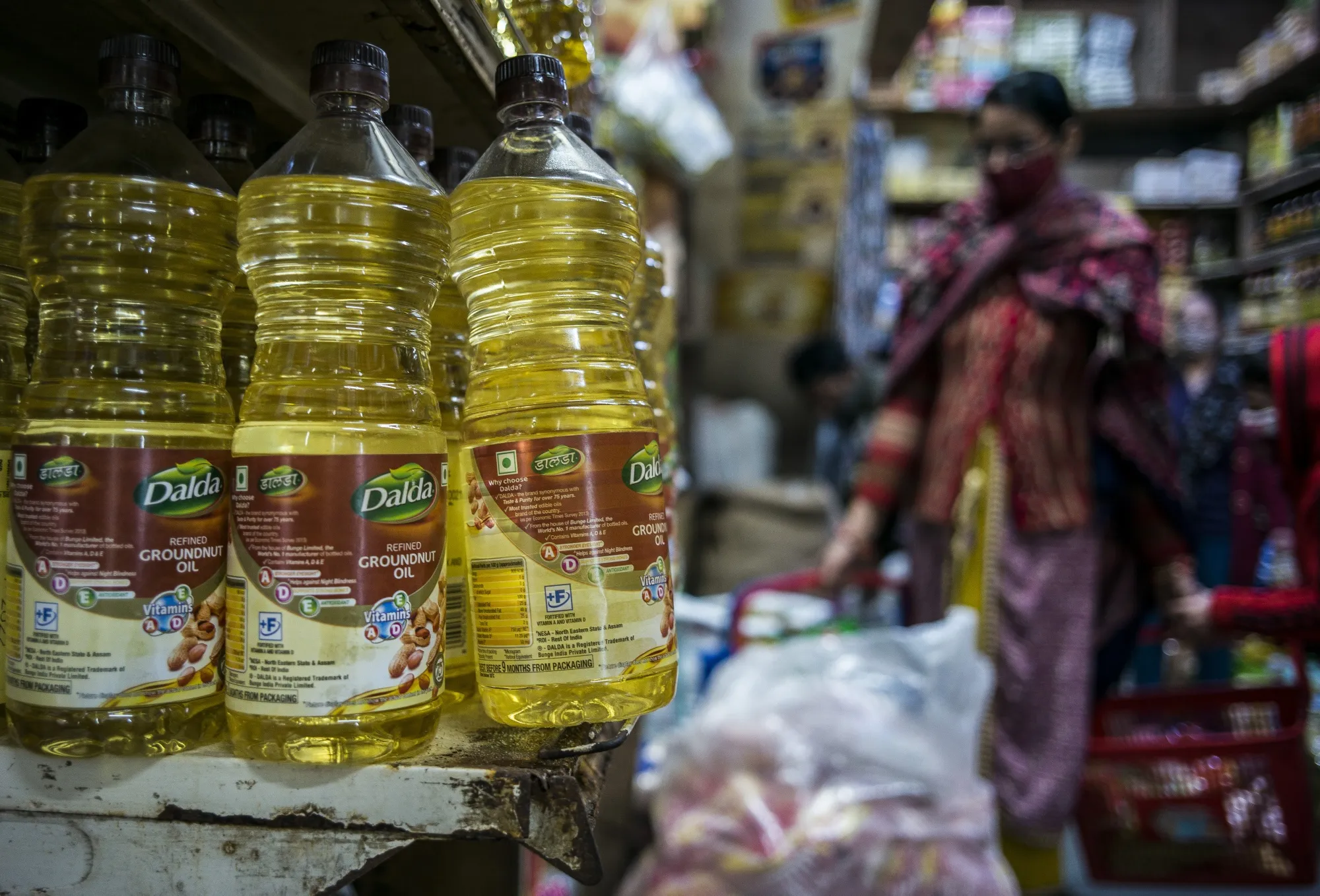
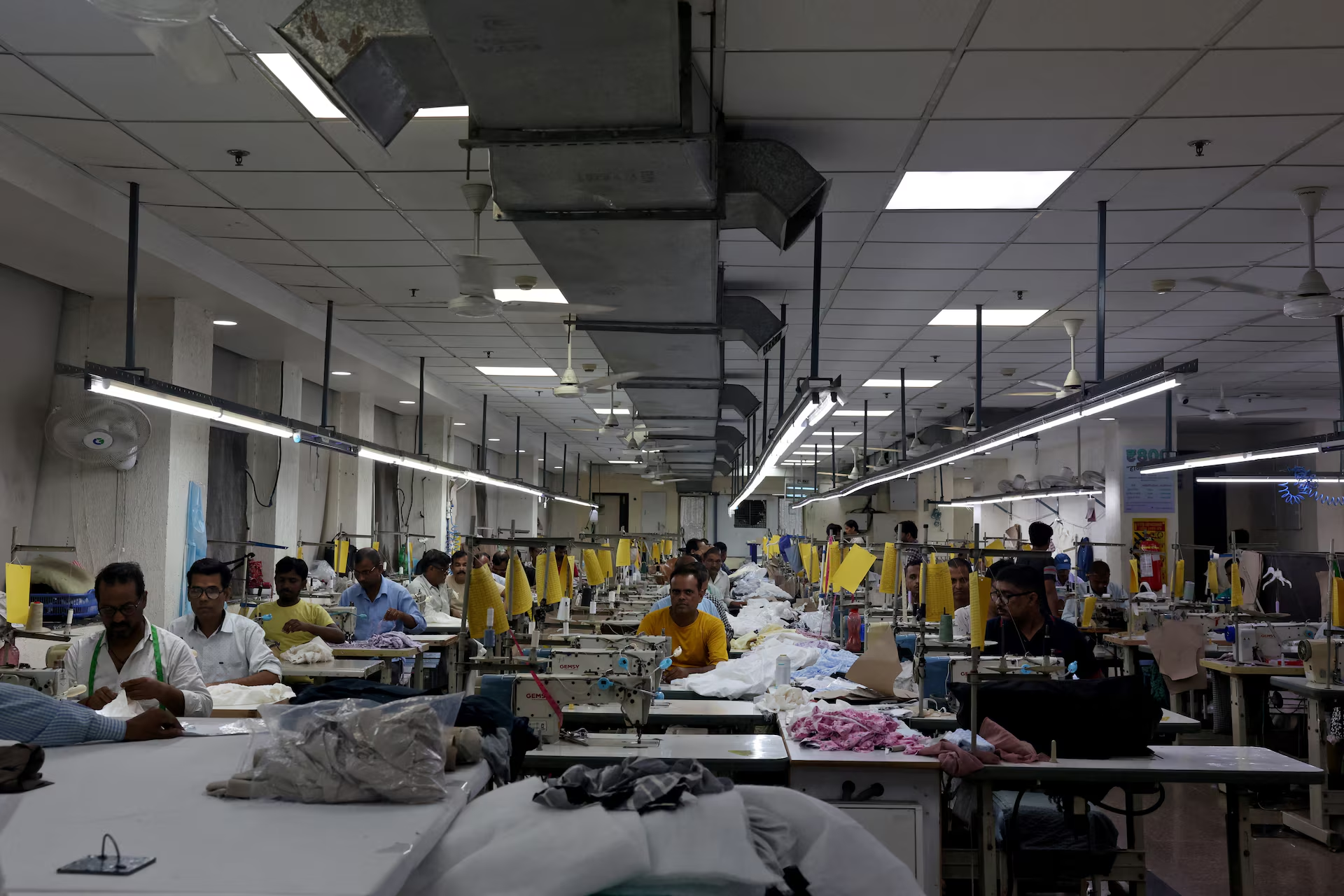
Prime Minister Narendra Modi's appeal for Indians to reduce household edible oil consumption by roughly 10% has introduced a demand-side variable into India's $19.5 billion annual edible oil import equation. India imports approximately 60% of its edible oil needs, making government consumption appeals directly relevant to global palm oil and soybean oil trade flows. The intervention targets household behaviour to address foreign exchange pressure, but the margin impact depends entirely on sustained cultural shift beyond political rhetoric.
Modi framed the May 10 Hyderabad appeal around dual benefits: "reducing edible oil consumption would not only improve public health but also strengthen the country's economy" and called household oil reduction "a huge contribution to patriotism". Industry body IVPA notes India's edible oil imports are shifting "from a price led to a supply driven model as climate shocks, geopolitical tensions and energy markets converge," with three forces shaping availability in 2026-27: weak monsoons, high crude oil prices and strong global biofuel demand. This creates an environment where demand side management becomes strategically relevant for trade balances.
Current import volumes are substantial: India's edible oil imports have remained range bound at 15-17 million metric tonnes, with 2025-26 imports projected at 16.5 million tonnes while domestic production is estimated at 9.6 million tonnes. A genuine 10% household consumption reduction would theoretically reduce import requirements by approximately 1.6-1.7 million tonnes annually equivalent to removing roughly 50-60 standard palm oil cargoes from global trade lanes. However, sustained behavioural change faces structural challenges in Indian cooking traditions where oil intensive preparation methods are deeply embedded cultural practices.
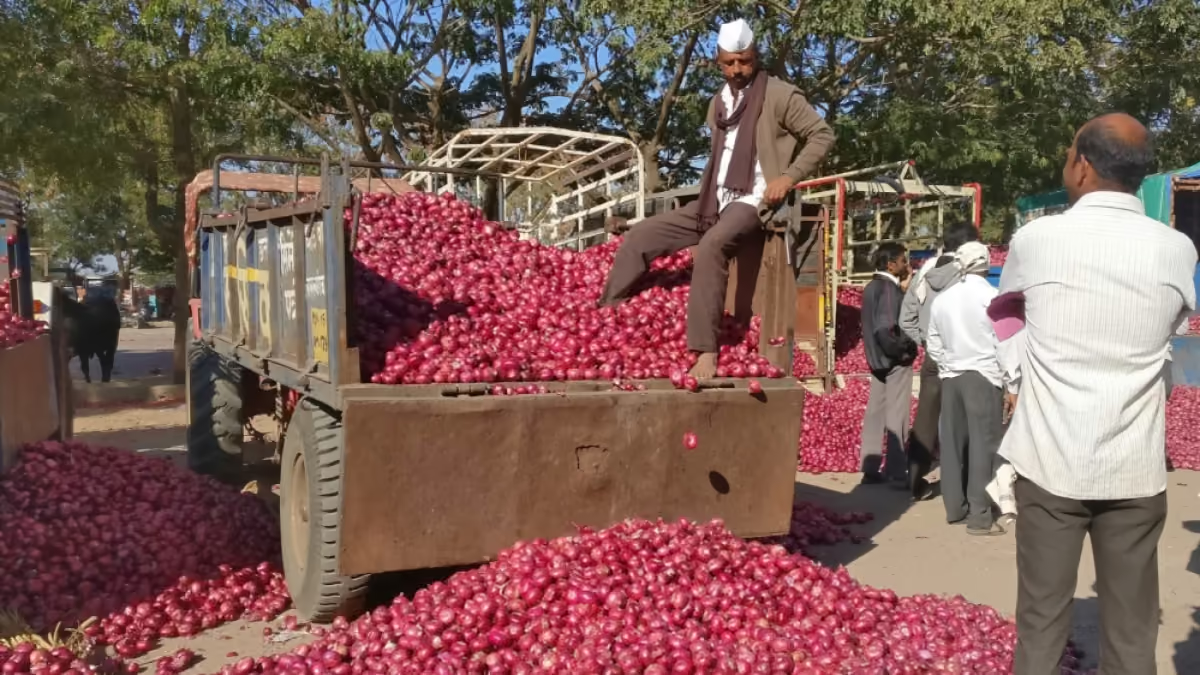
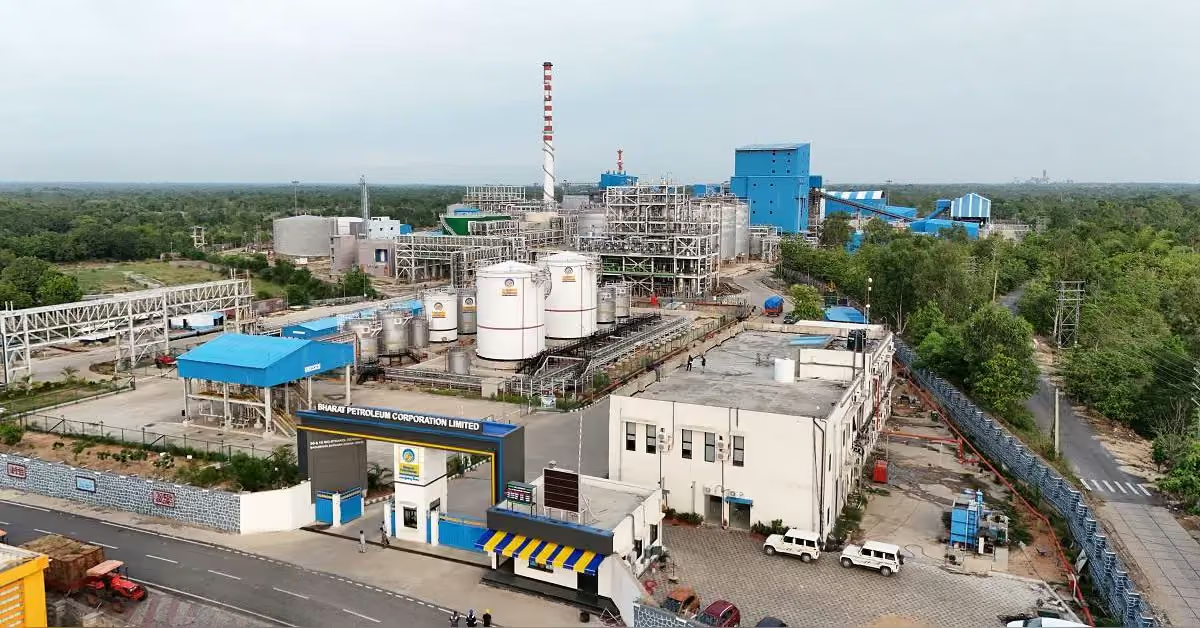
On the buy side: Indian edible oil importers face import dependency where "around 60% of its edible oil consumption" requires foreign sourcing, with crude palm oil, crude soybean oil and crude sunflower oil together making up "almost 89-90 per cent of total vegetable oils imported into India". Landed costs have deteriorated as "India's crude purchases ballooned from an average of $70.99 per barrel in 2025-26 to $114.48 per barrel in April and $105.4 per barrel in May this year", pressuring refining margins and downstream pricing. For a mid-sized Indian edible oil importer handling 200,000 tonnes annually, a sustained 10% domestic demand reduction would require renegotiating roughly 20,000 tonnes in forward contracts approximately $25-30 million in adjusted procurement at current pricing.
On the sell side: Malaysian and Indonesian palm oil exporters remain positioned where "palm oil will continue to dominate due to favourable price spreads" and "palm retains its cost edge for now", but face demand uncertainty if Indian consumption patterns genuinely shift. India's role as "one of the world's largest buyers" means the country "remains the largest structural demand hub dictating global flows despite persistent import dependence". For a large Malaysian palm oil producer shipping 500,000 tonnes annually to India, sustained 10% demand reduction would force redirection of approximately 50,000 tonnes equivalent to 2-3 standard palm oil shipments monthly to alternative markets including China and EU biodiesel sectors.
For large integrated traders (Cargill, Wilmar, ADM) with derivatives access: Current palm oil fundamentals show "imports nearly doubled to 3.97 million tonnes from 2.74 million tonnes a year earlier" in India's first half 2025-26, creating inventory positioning opportunities if Modi's appeal materializes in measurable demand reduction. Hedging instruments include BMD palm oil futures and CBOT soybean oil futures to protect against demand driven price volatility. Position sizing should account for 60-90 day lag between government appeals and measurable consumption pattern changes in household survey data.
For smaller regional operators mid-sized distributors, regional cooperatives, local processors without derivatives access: Practical equivalents include diversifying supplier relationships where "sunflower oil will show demand resilience, while supply disruptions in Argentina may delay soybean oil shipments" and preparing for "soybean and palm oil expected to compete for India's share". Inventory management should anticipate 3-6 month adjustment period for household consumption changes to filter through wholesale demand patterns. Contract flexibility becomes essential during demand transition periods.
For observers: Monitor Mumbai wholesale edible oil prices and SEA monthly import data through Q3 2026, as "edible oil inflation could inch up due to monsoon weakness, crude oil volatility, fertiliser shortages" while "traders said the escalation in landed prices of major oils in India is not much due to any logistical bottleneck but mostly on account of a spike in crude oil rates". Track inventory accumulation patterns where "total vegetable oil stocks rose to 2.12 million tonnes in May 2026 from 1.35 million tonnes in May 2025, with pipeline stocks showing a steady upward trend from December 2025" as the definitive signal for whether government appeals translate into genuine demand destruction. Previous government consumption modification campaigns in India have shown limited sustained impact without price signals or supply constraints driving behavioural change.
The fundamental margin anatomy reflects recent market dynamics where "soybean oil prices have moved above palm oil prices, reversing a trend where palm oil held a higher valuation" as "palm oil prices on the Bursa Malaysia Derivatives Exchange (BMD) declined to $926 per metric ton, down from $983/mt the previous week". This BMD-CBOT spread relationship determines arbitrage flows and indicates whether Indian demand changes create exploitable price dislocations between vegetable oil markets. If Modi's appeal succeeds, expect palm oil imports to decline first given India's traditional price sensitivity in the palm oil segment, while premium soybean oil consumption may prove more resistant to voluntary reduction campaigns.
.jpg)
'%3e%3cg id='Final-Copy-2_2_' transform='translate(1275.000000, 200.000000)'%3e%3cpath class='st0' d='M7.4,12.8h6.8l3.1-11.6H7.4C4.2,1.2,1.6,3.8,1.6,7S4.2,12.8,7.4,12.8z'/%3e%3c/g%3e%3c/g%3e%3c/g%3e%3cg id='final---dec.11-2020'%3e%3cg id='_x30_208-our-toggle' transform='translate(-1275.000000, -200.000000)'%3e%3cg id='Final-Copy-2' transform='translate(1275.000000, 200.000000)'%3e%3cpath class='st1' d='M22.6,0H7.4c-3.9,0-7,3.1-7,7s3.1,7,7,7h15.2c3.9,0,7-3.1,7-7S26.4,0,22.6,0z M1.6,7c0-3.2,2.6-5.8,5.8-5.8 h9.9l-3.1,11.6H7.4C4.2,12.8,1.6,10.2,1.6,7z'/%3e%3cpath id='x' class='st2' d='M24.6,4c0.2,0.2,0.2,0.6,0,0.8l0,0L22.5,7l2.2,2.2c0.2,0.2,0.2,0.6,0,0.8c-0.2,0.2-0.6,0.2-0.8,0 l0,0l-2.2-2.2L19.5,10c-0.2,0.2-0.6,0.2-0.8,0c-0.2-0.2-0.2-0.6,0-0.8l0,0L20.8,7l-2.2-2.2c-0.2-0.2-0.2-0.6,0-0.8 c0.2-0.2,0.6-0.2,0.8,0l0,0l2.2,2.2L23.8,4C24,3.8,24.4,3.8,24.6,4z'/%3e%3cpath id='y' class='st3' d='M12.7,4.1c0.2,0.2,0.3,0.6,0.1,0.8l0,0L8.6,9.8C8.5,9.9,8.4,10,8.3,10c-0.2,0.1-0.5,0.1-0.7-0.1l0,0 L5.4,7.7c-0.2-0.2-0.2-0.6,0-0.8c0.2-0.2,0.6-0.2,0.8,0l0,0L8,8.6l3.8-4.5C12,3.9,12.4,3.9,12.7,4.1z'/%3e%3c/g%3e%3c/g%3e%3c/g%3e%3c/g%3e%3c/svg%3e) Privacy Choices
Privacy Choices