.avif)
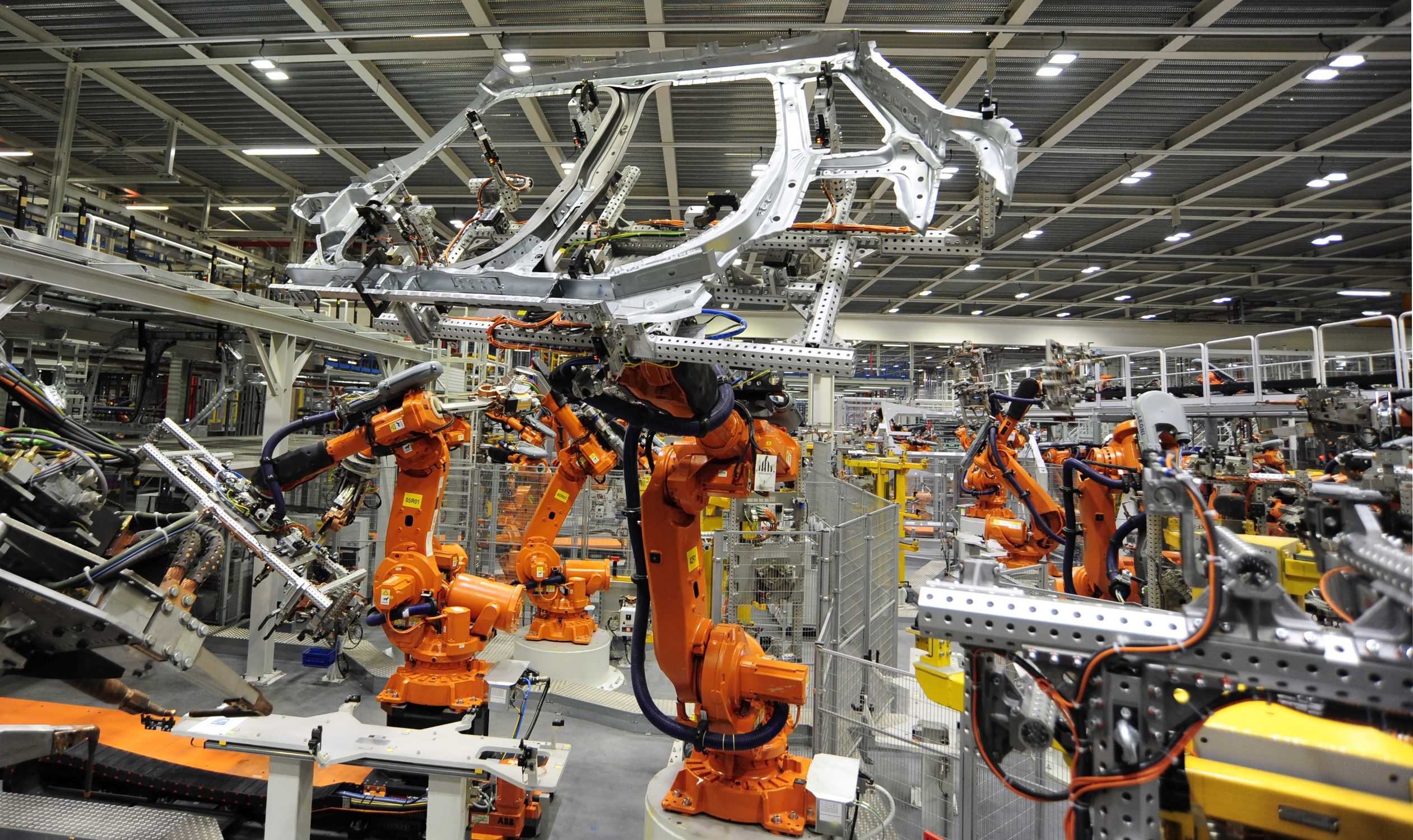
UK goods exports to the US have plunged 25% roughly £1.5 billion excluding precious metals since President Trump's April 2025 tariff blitz and remain muted despite partial tariff reductions, with UK automotive component traders bearing the brunt of permanent supply chain displacement. This isn't a temporary trade disruption. It's structural substitution at scale, where US importers have shifted purchasing from British suppliers to USMCA-qualifying alternatives that enter duty-free while UK components face a 10% baseline tariff the difference between profitable and uneconomical for mid-margin automotive parts.
A tariff differential the price gap between tariff-free and tariff-bearing goods emerges when trade agreements create preferential access for some suppliers while penalizing others. The USMCA requires 75% regional value content for vehicles compared to NAFTA's 62.5%, creating powerful incentives for US manufacturers to source from Mexico and Canada. Consider a UK brake system manufacturer shipping a £50,000 consignment to a Detroit assembler. Before tariffs, that shipment competed on quality and delivery. Today's 10% baseline tariff adds £5,000 to the landed cost, while the identical system sourced from a Mexican supplier enters duty-free a £5,000 margin advantage that compounds across every shipment.
On the buy side: Jaguar Land Rover exported roughly 100,000 vehicles to the US last year, generating £6.5 billion in revenue. Even with the recent UK-US deal capping tariffs at 10%, any exports beyond quotas face the full 27.5% tariff rate. For a Range Rover Sport with an $85,000 sticker price, the 10% tariff adds $8,500 to the dealer cost enough to price the vehicle out of its target segment or force JLR to absorb the margin hit. JLR paused US shipments for a month in April 2025 as it assessed tariff impact, signaling that even premium brands cannot simply pass through tariff costs to price-sensitive buyers.
On the sell side: Mexico's proximity one to five days by truck versus 18–30 days by ocean freight and lower hourly manufacturing labor costs of $4–6 USD provide advantages no tariff schedule can replicate. Mexico's $40.9 billion in FDI through Q3 2025 signals that competitors are committing capital now. North American automotive suppliers capturing UK market share aren't competing on price alone they're benefiting from zero tariffs while UK competitors face a permanent 10% disadvantage. USMCA utilization among Mexican exporters climbed from 44.8% in January 2025 to 85% by January 2026, demonstrating how quickly supply chains adapt when tariff preferences create clear winners.
For large integrated automotive traders with derivatives access: Currency forwards against GBP/USD volatility around the July 2026 USMCA review, when all three countries formally review the agreement and could extend it for another 16 years. The US is expected to push for even higher regional content thresholds, particularly in steel, aluminum, and automotive components. For smaller UK automotive exporters without derivatives access: Diversify end markets toward EU and Commonwealth countries where UK goods retain preferential access, or establish Mexican operations under shelter structures that provide USMCA qualification within 30-60 days. If USMCA benefits were suspended, manufacturers would face potential return to WTO tariffs averaging 3.2%. For observers: Monitor the July 2026 USMCA review process if regional content requirements tighten further, expect additional UK automotive export displacement as US supply chains complete their shift to North American alternatives.


.jpg)




'%3e%3cg id='Final-Copy-2_2_' transform='translate(1275.000000, 200.000000)'%3e%3cpath class='st0' d='M7.4,12.8h6.8l3.1-11.6H7.4C4.2,1.2,1.6,3.8,1.6,7S4.2,12.8,7.4,12.8z'/%3e%3c/g%3e%3c/g%3e%3c/g%3e%3cg id='final---dec.11-2020'%3e%3cg id='_x30_208-our-toggle' transform='translate(-1275.000000, -200.000000)'%3e%3cg id='Final-Copy-2' transform='translate(1275.000000, 200.000000)'%3e%3cpath class='st1' d='M22.6,0H7.4c-3.9,0-7,3.1-7,7s3.1,7,7,7h15.2c3.9,0,7-3.1,7-7S26.4,0,22.6,0z M1.6,7c0-3.2,2.6-5.8,5.8-5.8 h9.9l-3.1,11.6H7.4C4.2,12.8,1.6,10.2,1.6,7z'/%3e%3cpath id='x' class='st2' d='M24.6,4c0.2,0.2,0.2,0.6,0,0.8l0,0L22.5,7l2.2,2.2c0.2,0.2,0.2,0.6,0,0.8c-0.2,0.2-0.6,0.2-0.8,0 l0,0l-2.2-2.2L19.5,10c-0.2,0.2-0.6,0.2-0.8,0c-0.2-0.2-0.2-0.6,0-0.8l0,0L20.8,7l-2.2-2.2c-0.2-0.2-0.2-0.6,0-0.8 c0.2-0.2,0.6-0.2,0.8,0l0,0l2.2,2.2L23.8,4C24,3.8,24.4,3.8,24.6,4z'/%3e%3cpath id='y' class='st3' d='M12.7,4.1c0.2,0.2,0.3,0.6,0.1,0.8l0,0L8.6,9.8C8.5,9.9,8.4,10,8.3,10c-0.2,0.1-0.5,0.1-0.7-0.1l0,0 L5.4,7.7c-0.2-0.2-0.2-0.6,0-0.8c0.2-0.2,0.6-0.2,0.8,0l0,0L8,8.6l3.8-4.5C12,3.9,12.4,3.9,12.7,4.1z'/%3e%3c/g%3e%3c/g%3e%3c/g%3e%3c/g%3e%3c/svg%3e) Privacy Choices
Privacy Choices