.avif)
.avif)
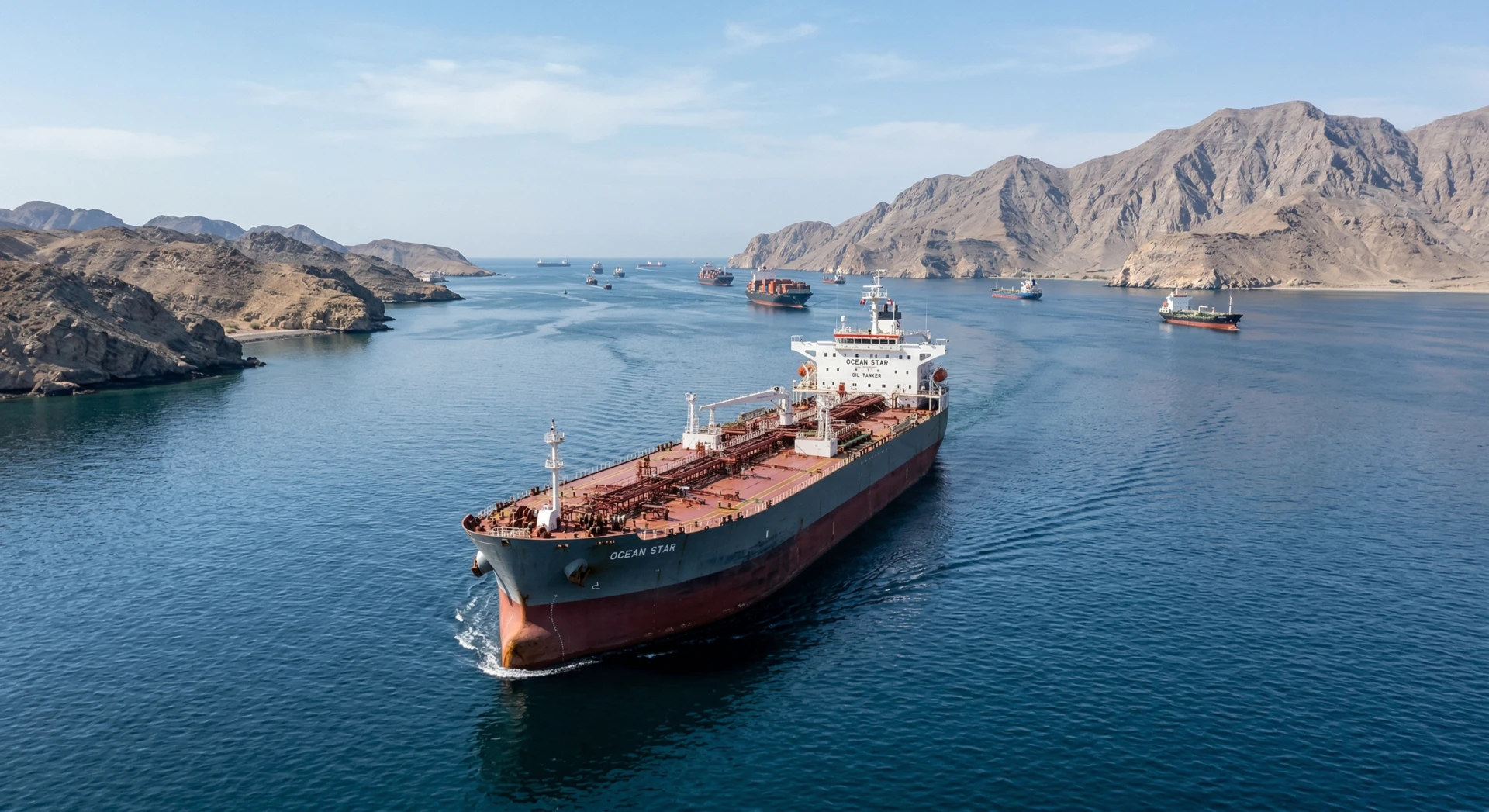
Tanker operators face immediate commercial complications after three Ghanaian stowaways were discovered aboard MT Anatolia at Lagos' Dangote Terminal, triggering security delays that are now cascading across West African loading operations. The men, who spent two days hidden in the vessel's rudder compartment after boarding via canoe from Ivorian waters, emerged believing they had reached Europe, only to find themselves detained by Nigerian naval forces. While this particular incident added roughly 6-12 hours of laytime extensions for security processing and investigations, terminals across Côte d'Ivoire have begun implementing enhanced pre-departure inspections that are extending loading windows by similar margins. For spot charter operators, these delays translate directly to demurrage exposure, while those on time charter face crew overtime and potential scheduling conflicts for subsequent fixtures.
The stowaway breach exposes a critical vulnerability in West African crude loading protocols, where physical security screening has historically focused on cargo integrity rather than human trafficking prevention. Terminals in Abidjan and San Pedro are key loading points for Ivorian crude grades, now require additional rudder compartment inspections and extended perimeter sweeps before departure clearance. The rudder compartment access method, using small canoes during loading operations, suggests security gaps during the vulnerable window when vessels are stationary and crew attention is focused on cargo operations. Operators report that enhanced screening procedures are adding 4-8 hours to standard loading schedules, with knock-on effects for vessels with tight arrival windows at destination ports.
For tanker operators, the incident triggers multiple commercial considerations beyond immediate delays. P&I clubs are scrutinizing stowaway protocols more closely, particularly for vessels trading West African routes, with potential coverage implications for operators with inadequate security procedures. Time charter parties may face disputes over whether stowaway related delays constitute legitimate laytime exceptions, especially where charterers argue that enhanced security should be standard practice. Meanwhile, spot market operators must now factor additional security time into their voyage calculations, effectively reducing the commercial speed advantage of shorter West African routes. The reputational risk extends beyond individual vessels, cargo interests are increasingly specifying 'stowaway free' clauses in lifting nominations, particularly for European destinations.
The broader question facing the tanker market is whether this represents an isolated incident or signals deteriorating security conditions across West African loading terminals. Nigerian authorities' emphasis on the 'extremely dangerous' nature of stowaway attempts, citing risks of suffocation and dehydration, suggests awareness of a wider problem that could affect multiple crude export terminals. For observers tracking regional stability, the key indicator will be whether other terminals implement similar security enhancements proactively or wait for incidents to force changes. The economic drivers behind the stowaway attempt, described by authorities as 'economic hardship and family pressures' point to underlying conditions that could generate repeat incidents, potentially making enhanced security procedures a permanent feature of West African crude logistics rather than a temporary response.
.jpg)
.jpg)
'%3e%3cg id='Final-Copy-2_2_' transform='translate(1275.000000, 200.000000)'%3e%3cpath class='st0' d='M7.4,12.8h6.8l3.1-11.6H7.4C4.2,1.2,1.6,3.8,1.6,7S4.2,12.8,7.4,12.8z'/%3e%3c/g%3e%3c/g%3e%3c/g%3e%3cg id='final---dec.11-2020'%3e%3cg id='_x30_208-our-toggle' transform='translate(-1275.000000, -200.000000)'%3e%3cg id='Final-Copy-2' transform='translate(1275.000000, 200.000000)'%3e%3cpath class='st1' d='M22.6,0H7.4c-3.9,0-7,3.1-7,7s3.1,7,7,7h15.2c3.9,0,7-3.1,7-7S26.4,0,22.6,0z M1.6,7c0-3.2,2.6-5.8,5.8-5.8 h9.9l-3.1,11.6H7.4C4.2,12.8,1.6,10.2,1.6,7z'/%3e%3cpath id='x' class='st2' d='M24.6,4c0.2,0.2,0.2,0.6,0,0.8l0,0L22.5,7l2.2,2.2c0.2,0.2,0.2,0.6,0,0.8c-0.2,0.2-0.6,0.2-0.8,0 l0,0l-2.2-2.2L19.5,10c-0.2,0.2-0.6,0.2-0.8,0c-0.2-0.2-0.2-0.6,0-0.8l0,0L20.8,7l-2.2-2.2c-0.2-0.2-0.2-0.6,0-0.8 c0.2-0.2,0.6-0.2,0.8,0l0,0l2.2,2.2L23.8,4C24,3.8,24.4,3.8,24.6,4z'/%3e%3cpath id='y' class='st3' d='M12.7,4.1c0.2,0.2,0.3,0.6,0.1,0.8l0,0L8.6,9.8C8.5,9.9,8.4,10,8.3,10c-0.2,0.1-0.5,0.1-0.7-0.1l0,0 L5.4,7.7c-0.2-0.2-0.2-0.6,0-0.8c0.2-0.2,0.6-0.2,0.8,0l0,0L8,8.6l3.8-4.5C12,3.9,12.4,3.9,12.7,4.1z'/%3e%3c/g%3e%3c/g%3e%3c/g%3e%3c/g%3e%3c/svg%3e) Privacy Choices
Privacy Choices