.avif)

India's petroleum product retailers are facing a structural contraction in per-forecourt gasoline revenue beginning now not in some distant future as June 2026 auto retail data confirm that nearly one in four new cars sold runs on compressed natural gas (CNG) and nearly 40% of all new passenger vehicles bypass petrol entirely.
India's June 2026 vehicle retail figures are not a cyclical demand spike. They are a propulsion mix inflection point. Total vehicle registrations reached approximately 2.6 million units the highest June on record, up 21.83% year on year. But the composition is what matters commercially. Of 410,853 passenger cars retailed, CNG vehicles accounted for 24.3% of units, hybrids vehicles with both an internal combustion engine and an electric motor, typically offering 30–50% better fuel efficiency added 8.3%, and battery electric vehicles (EVs) contributed 7.8%. Combined, alternative propulsion passenger vehicles crossed 40% of PV sales for the first time. In the three-wheeler segment auto-rickshaws and light commercial carriers that collectively consume significant quantities of urban diesel and CNG EV penetration reached 64.08%. Two-wheeler EVs, which had never before represented double-digit share, crossed 10.60%. These are structural shifts embedded in the fleet, not monthly noise. Each unit sold is a multi-year commitment to a particular fuel or to no fuel at all.
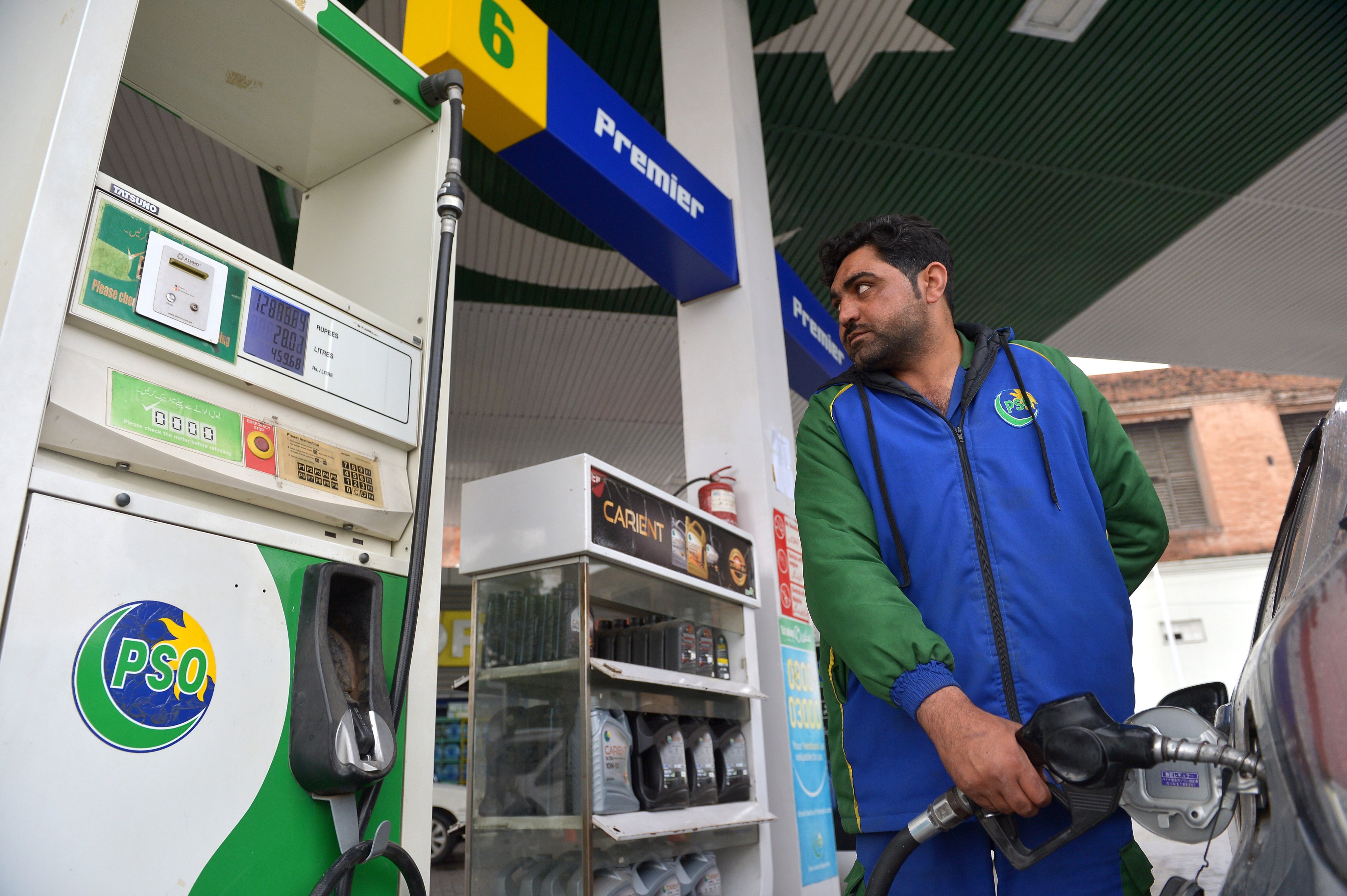
The margin anatomy for petroleum product retailers the petrol pump operators, fuel distributors, and city forecourt chains that form India's last-mile liquid fuel infrastructure is deteriorating along a specific vector. A conventional petrol car in India consumes roughly 8–10 litres per 100 kilometres. Over a vehicle lifetime of 150,000 km, that represents approximately 12,000–15,000 litres of petrol purchased, largely at forecourts. A CNG car of equivalent displacement consumes roughly 3–4 kg of CNG per 100 km fuel dispensed almost entirely through dedicated CNG stations, not traditional petrol forecourts. An EV purchases no motor fuel at all. When 40% of new PV sales represent that CNG or EV profile, the incremental volume that would historically have underwritten forecourt economics the fuel throughput covering land cost, staffing, and working capital is structurally absent. For a mid-sized independent forecourt operator in a Tier-1 city retailing 200,000 litres of petrol per month, a 10 percentage point erosion in incremental vehicle additions translates to roughly 15,000–20,000 litres per month in foregone future throughput as the local fleet gradually turns over. That is not recovered by non-fuel ancillary sales alone.
There is, however, a critical structural constraint that the headline numbers obscure and which presents a meaningful counterbalance to the pace of petrol displacement. CNG refuelling infrastructure in India remains concentrated in approximately 400 cities and along major national highway corridors. The June data specifically identified Tier-2 and Tier-3 towns smaller cities with populations of 100,000 to 500,000 as primary growth drivers for both CNG car and entry-level PV sales. A buyer in Etawah, Guntur, or Bhavnagar purchasing a CNG vehicle cannot reliably refuel it. City Gas Distribution (CGD) networks the licensed, regulated pipelines and dispensing stations that deliver compressed natural gas to vehicles and homes are being expanded under India's Petroleum and Natural Gas Regulatory Board (PNGRB) Phase 11 and 12 rollout, but physical construction of daughter booster stations and cascade storage takes 18–36 months. The commercial implication: a portion of CNG vehicle registrations in underserved towns will default back to petrol as the primary fuel, because the CNG station simply does not exist nearby. The penetration data overstates the immediate volumetric demand shift though it does not diminish the directional trajectory.
On the buy side, City Gas Distribution operators companies like Indraprastha Gas Limited (IGL) in Delhi, Mahanagar Gas Limited (MGL) in Mumbai, and Gujarat Gas in western India are the structural beneficiaries of this shift. With CNG now representing 24.3% of new car sales, and assuming the existing CGD city network fleet continues growing, established CGD operators serving covered cities could see 8–12% incremental annual volume growth without adding a single new dispensing location. Their margin per kilogram of CNG dispensed typically ₹8–12/kg in regulated markets compounds across a larger fleet. On the sell side, petroleum product retailers face the opposite dynamic. The marginal litre of petrol that would have been sold to a new car buyer is not being sold and once a buyer commits to a CNG or EV vehicle, the forecourt loses that revenue stream for the vehicle's operational life. For large integrated players Indian Oil Corporation (IOC), Bharat Petroleum (BPCL), Hindustan Petroleum (HPCL) who operate both petrol forecourts and have stakes in CGD networks, the displacement partially cannibalises one business unit to grow another. For smaller, independent petroleum product retailers without CGD exposure, the substitution is pure volume loss with no offset.
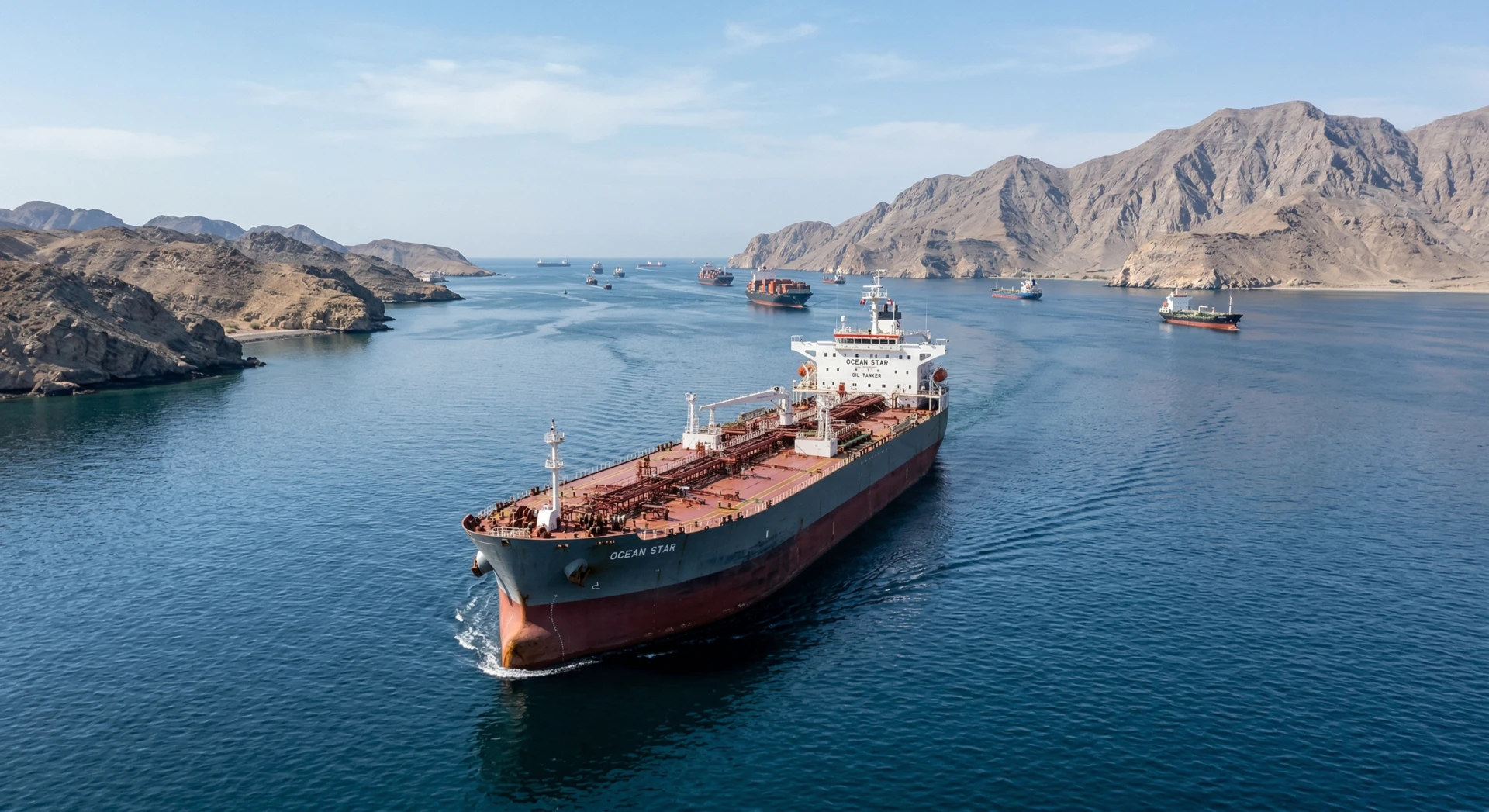
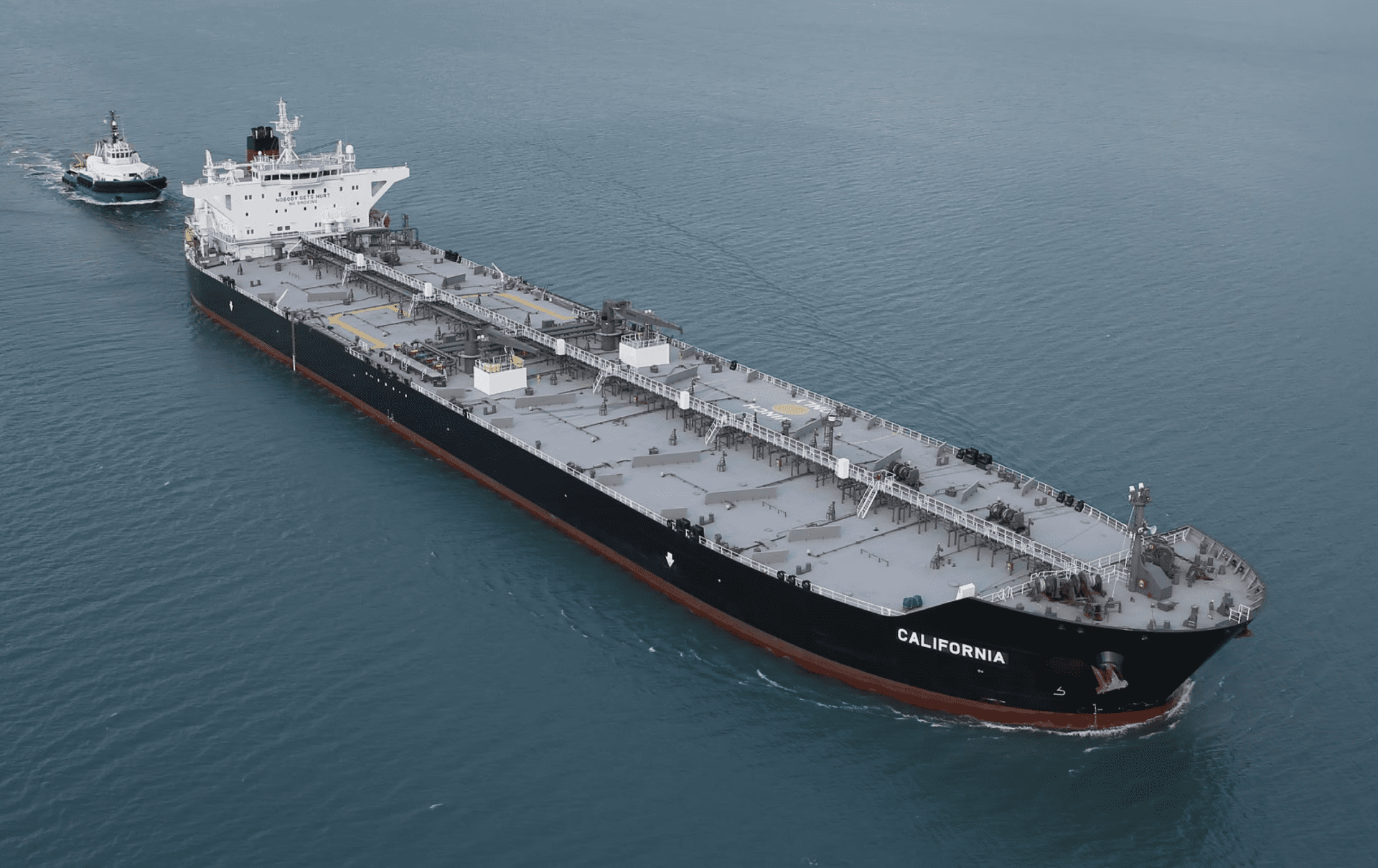
The physical supply chain consequence extends upstream to India's crude import composition. India currently imports predominantly medium to heavy sour crude Abu Dhabi's Murban, Saudi Arabia's Arab Light, Iraqi Basra Heavy refined primarily at coastal refineries optimised for diesel and petrol yield. Diesel demand remains robust: commercial vehicles posted double-digit June growth, and infrastructure project activity road, rail, and port construction sustains diesel consumption. But if gasoline demand growth moderates structurally while petrochemical feedstock demand (naphtha a lighter crude fraction used to make plastics and fertiliser precursors) grows, refiners may gradually adjust their crude slate toward lighter, higher naphtha crudes from East Africa or the US Gulf Coast. That is a medium-term refinery economics question, not a June 2026 procurement decision, but traders structuring 12 month crude supply contracts should note the directional pressure. A VLCC (Very Large Crude Carrier, a supertanker carrying approximately 2 million barrels) delivering Murban from Jebel Ali to Jamnagar on a 6–8 day voyage earns around $12–15/MT in current freight markets; if demand composition changes, the crude type and therefore the trade route shifts.
For operators monitoring this transition, the single most important forward signal is not monthly EV sales data. It is the PNGRB quarterly CGD network expansion report, combined with the Society of Indian Automobile Manufacturers (SIAM) monthly retail data disaggregated by fuel type. When CGD network coverage in Tier-2 towns catches up to CNG vehicle penetration rates in those same towns a crossing point visible in the PNGRB's geographic coverage maps against SIAM's city level sales breakdowns the structural demand shift will accelerate sharply. Petroleum product retailers in newly covered CGD cities should treat that moment as a 12-month countdown to material throughput reduction at proximate petrol forecourts. Large integrated operators can hedge petroleum retail exposure by acquiring CGD equity stakes or entering fuel card partnerships with CGD operators instruments available now. Smaller independent forecourt operators without that access should be building non-fuel revenue (convenience retail, EV charging bays, fleet service contracts) into their site economics before the volume loss arrives, not after it is already visible in monthly throughput reports.
.jpg)

'%3e%3cg id='Final-Copy-2_2_' transform='translate(1275.000000, 200.000000)'%3e%3cpath class='st0' d='M7.4,12.8h6.8l3.1-11.6H7.4C4.2,1.2,1.6,3.8,1.6,7S4.2,12.8,7.4,12.8z'/%3e%3c/g%3e%3c/g%3e%3c/g%3e%3cg id='final---dec.11-2020'%3e%3cg id='_x30_208-our-toggle' transform='translate(-1275.000000, -200.000000)'%3e%3cg id='Final-Copy-2' transform='translate(1275.000000, 200.000000)'%3e%3cpath class='st1' d='M22.6,0H7.4c-3.9,0-7,3.1-7,7s3.1,7,7,7h15.2c3.9,0,7-3.1,7-7S26.4,0,22.6,0z M1.6,7c0-3.2,2.6-5.8,5.8-5.8 h9.9l-3.1,11.6H7.4C4.2,12.8,1.6,10.2,1.6,7z'/%3e%3cpath id='x' class='st2' d='M24.6,4c0.2,0.2,0.2,0.6,0,0.8l0,0L22.5,7l2.2,2.2c0.2,0.2,0.2,0.6,0,0.8c-0.2,0.2-0.6,0.2-0.8,0 l0,0l-2.2-2.2L19.5,10c-0.2,0.2-0.6,0.2-0.8,0c-0.2-0.2-0.2-0.6,0-0.8l0,0L20.8,7l-2.2-2.2c-0.2-0.2-0.2-0.6,0-0.8 c0.2-0.2,0.6-0.2,0.8,0l0,0l2.2,2.2L23.8,4C24,3.8,24.4,3.8,24.6,4z'/%3e%3cpath id='y' class='st3' d='M12.7,4.1c0.2,0.2,0.3,0.6,0.1,0.8l0,0L8.6,9.8C8.5,9.9,8.4,10,8.3,10c-0.2,0.1-0.5,0.1-0.7-0.1l0,0 L5.4,7.7c-0.2-0.2-0.2-0.6,0-0.8c0.2-0.2,0.6-0.2,0.8,0l0,0L8,8.6l3.8-4.5C12,3.9,12.4,3.9,12.7,4.1z'/%3e%3c/g%3e%3c/g%3e%3c/g%3e%3c/g%3e%3c/svg%3e) Privacy Choices
Privacy Choices