.avif)
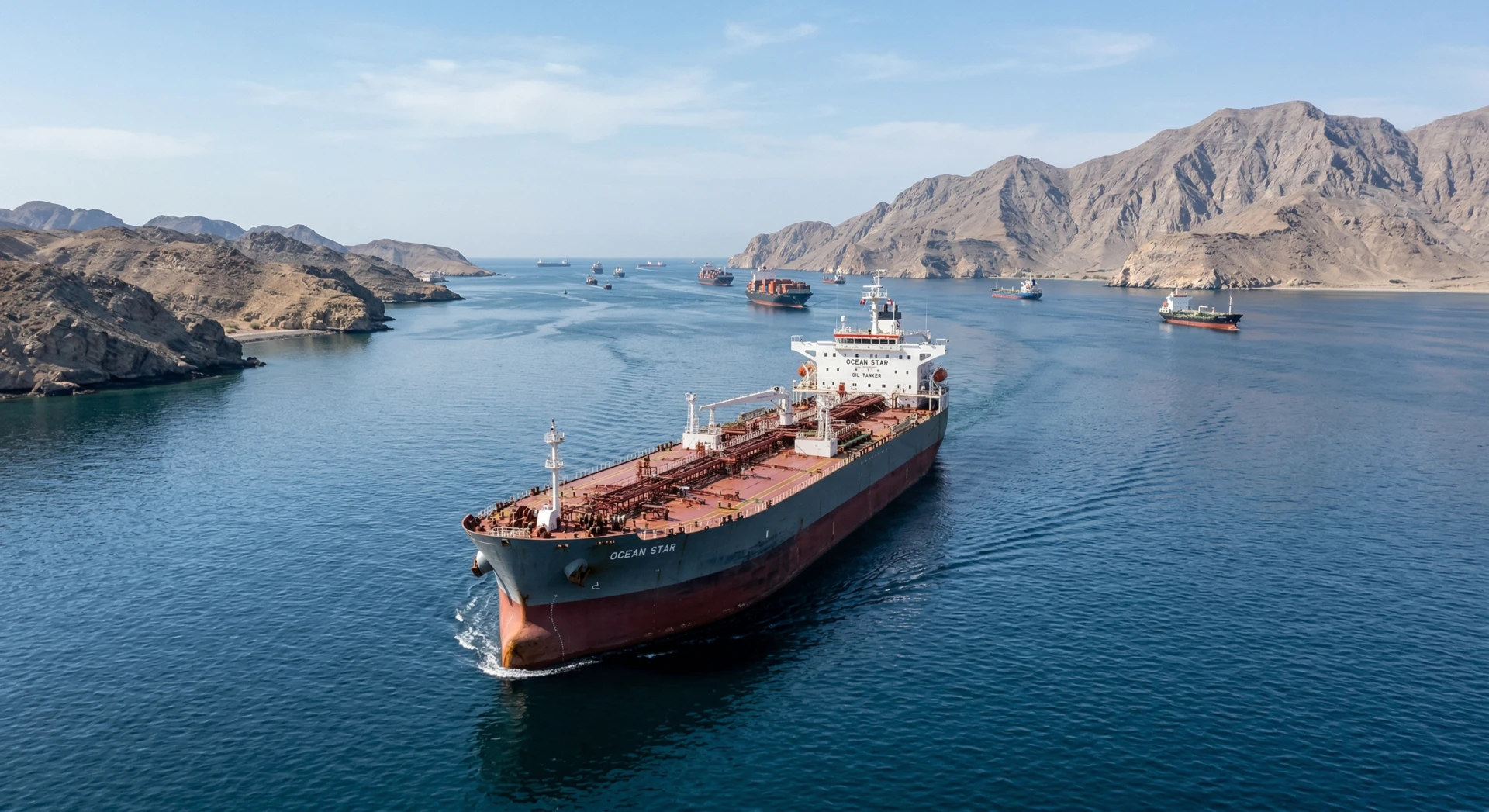
Asian crude importers face a dual margin squeeze as Brent crude climbs toward $96/barrel amid renewed Iranian threats to maintain the Strait of Hormuz blockade while their currencies weaken against the dollar. For a typical Asian refinery importing 300,000 barrels per day, each $10/barrel oil price increase costs approximately $1.1 billion annually — before factoring in currency depreciation. The Strait of Hormuz handles roughly 20 million barrels of oil daily, representing 20% of global seaborne oil trade, primarily from Middle Eastern producers feeding Asian demand. An estimated 84% of crude oil shipments through the strait were destined for Asian markets in 2024, with China receiving a third of its oil via this chokepoint. The blockade eliminates this flow entirely, forcing Asian buyers into costlier Atlantic Basin alternatives.
Iran closed the Strait of Hormuz again on April 18 in response to continued US naval blockade of Iranian ports, effectively severing the primary crude artery to Asia. The market reality is binary: either the Strait is open for commercial traffic, or it is not. No tankers passed through the Strait of Hormuz on Sunday, according to tracking data, confirming the complete stoppage of flows. For Asian refiners, this means immediate reconfiguration of crude slates away from familiar Middle Eastern grades toward unfamiliar West African or American alternatives — a shift that requires weeks of planning and carries significant quality penalties.
Nigeria's Central Bank has removed foreign exchange restrictions that previously trapped international oil companies' export proceeds, eliminating the "cash pooling" requirement that limited immediate transfers to 50% with the remainder held locally for 90 days, allowing oil exporters to move 100% of their earnings through authorized dealer banks without delay. This policy reversal frees an estimated $7–10 billion in previously restricted proceeds for immediate repatriation. Nigerian National Petroleum Corporation, Shell Nigeria, Chevron Nigeria, and ExxonMobil Nigeria can now access full export earnings immediately rather than waiting months for restricted funds. The timing creates a stark contrast: as Asian importers scramble for alternative crude sources, Nigerian exporters gain full capital mobility.
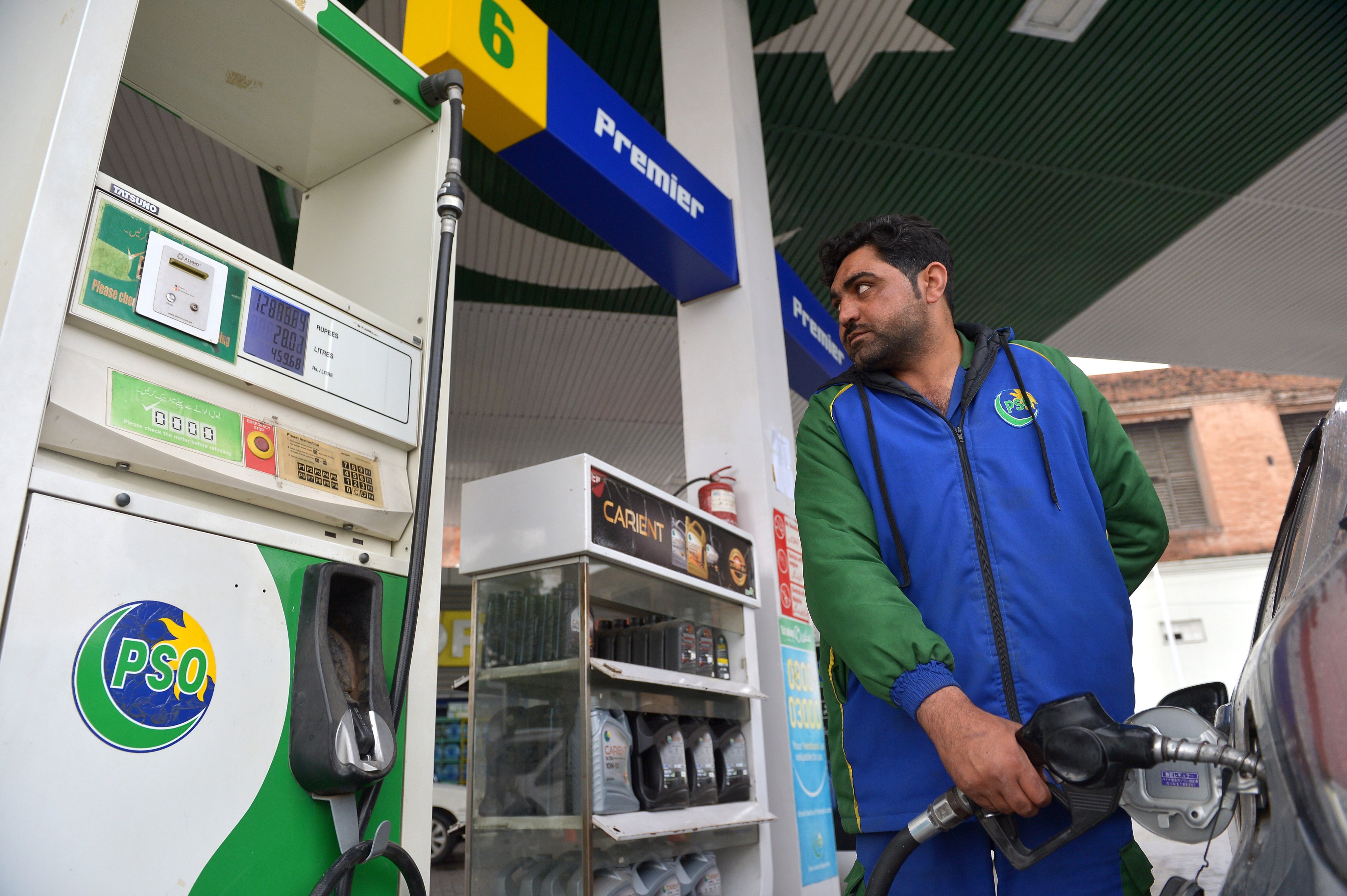
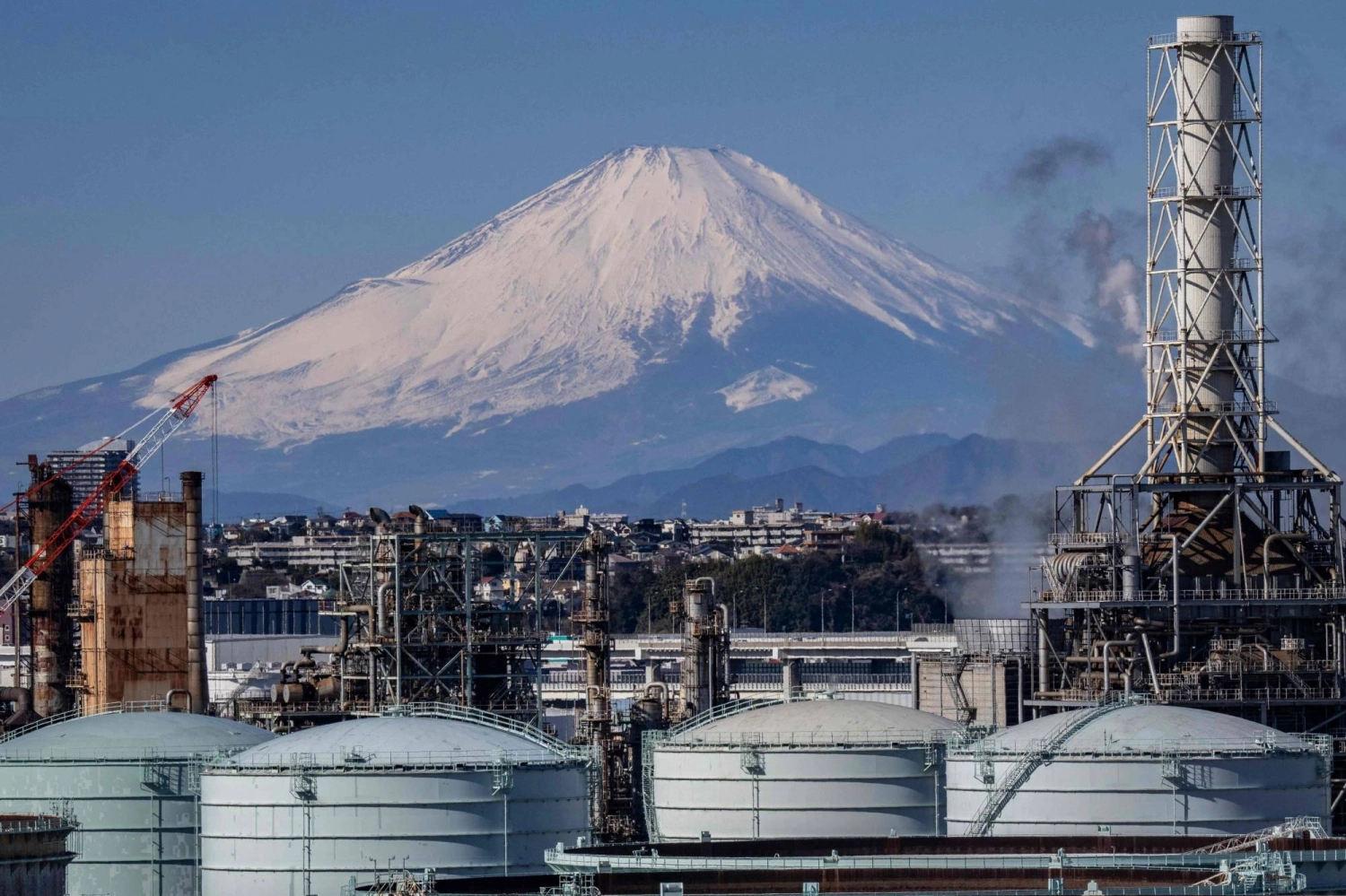
On the buy side, Asian refiners confront a margin anatomy crisis across three dimensions simultaneously. First, crude acquisition costs: West African Bonny Light or Qua Iboe — the most direct substitutes for Middle Eastern grades — trade at $3-5/barrel premiums to comparable Middle Eastern crude due to transport economics and specification differences. Second, freight costs: a VLCC voyage from West Africa to Asia takes 35-40 days versus 20-25 days from the Middle East, adding approximately $8-12/barrel in delivered cost depending on prevailing charter rates. Third, currency exposure: as the Japanese yen weakens 2-3% against the dollar (typical during oil supply shocks), a Japanese refiner's crude procurement costs rise by an additional $2-3/barrel equivalent even before oil price increases.
On the sell side, Nigerian oil producers benefit from the dual dynamics of higher crude prices and restored capital mobility. The policy change restores autonomy over cash-flow management, reducing exposure to regulatory risk and improving liquidity management for international oil companies operating in Nigeria. A typical Nigerian crude cargo of 1 million barrels, previously subject to 90-day retention requirements on half the proceeds, now generates immediate access to the full $95-100 million revenue at current price levels. This liquidity improvement enhances Nigerian crude competitiveness precisely when Asian buyers need alternatives to Middle Eastern supply.
For large integrated traders with derivatives access — Vitol, Trafigura, Glencore — the current dislocation offers structured arbitrage opportunities. The Brent-WTI spread has compressed as US strategic reserves face potential releases, while the Brent-Dubai spread (the price difference between Atlantic and Middle Eastern crude) has widened to $8-12/barrel from typical levels of $2-4/barrel. Integrated traders can capture this spread through physical cargo movements while hedging price risk via ICE Brent futures or OTC swaps. The financing structure becomes critical: letters of credit for West African crude to Asian buyers now require 45-day terms versus 30-day terms for Middle Eastern crude, adding $2-4/barrel in financing costs depending on prevailing dollar LIBOR rates.
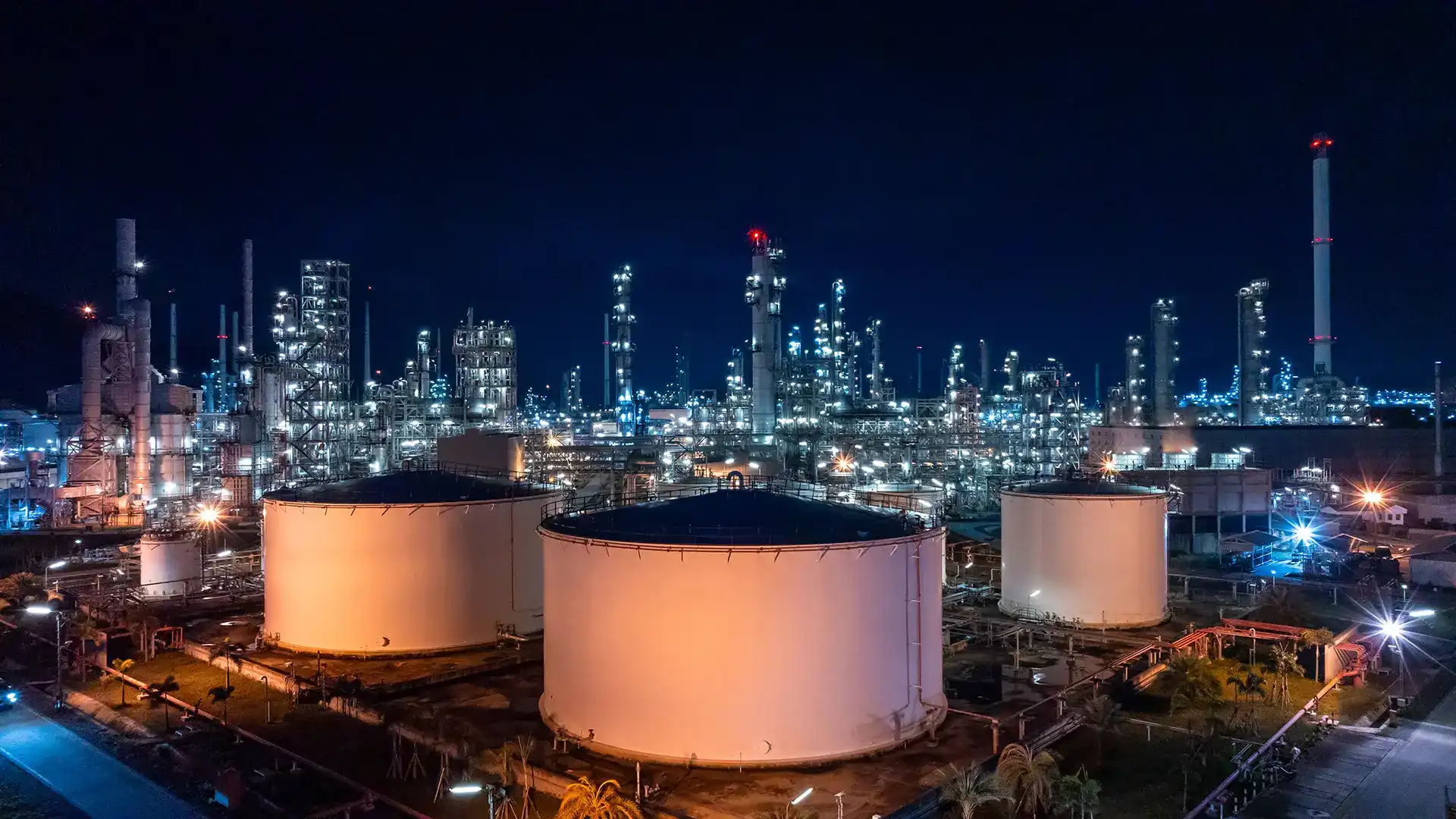
For smaller regional operators — mid-sized Asian refiners, independent fuel importers, regional energy trading houses without derivatives access — the crisis offers no hedging instruments beyond operational adjustments. A 200,000-barrel-per-day refinery in Thailand or the Philippines cannot easily substitute Iranian Heavy crude (typically 2.5% sulfur) with Nigerian Bonny Light (0.15% sulfur) without significant processing adjustments and yield penalties. These operators face the full margin compression without financial hedging tools, forcing them to either accept reduced profitability or curtail throughput until supply normalization.
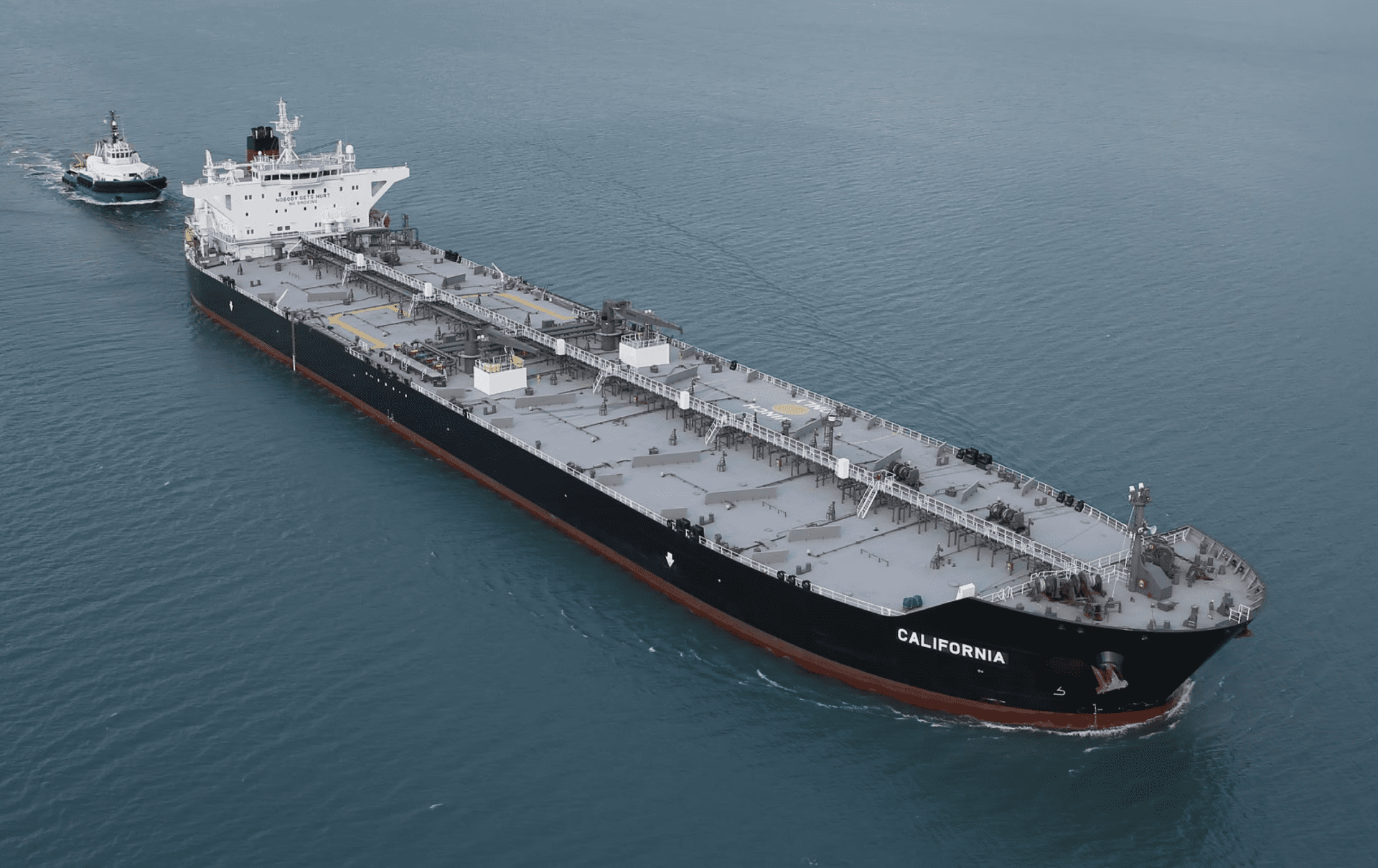
The freight dimension amplifies the margin pressure for Asian buyers. The Strait of Hormuz remains blocked until a deal is secured, with tensions resurfacing over the weekend after the US seized an Iranian vessel while Tehran targeted ships and reasserted control. With Middle Eastern crude routes severed, Asian refiners must book VLCC tonnage for longer West African routes. Current VLCC rates from West Africa to Asia average $32,000/day versus $18,000/day for Middle East-Asia routes under normal conditions. A 42-day West African voyage at $32,000/day costs $1.34 million versus $450,000 for a typical 25-day Middle Eastern voyage — an additional $890,000 per cargo, or roughly $4.50/barrel for a 2-million-barrel VLCC cargo.
The financing architecture reveals where margin concentrates during supply disruptions. Nigerian crude sales to Asian buyers now require confirmed letters of credit with terms extending to 60 days to accommodate longer transit times, compared to 30-day terms for typical Middle Eastern transactions. This financing extension costs approximately $1.5-2.5/barrel depending on prevailing letter of credit rates and the buyer's credit rating. For Chinese state-owned refiners (Sinopec, PetroChina), this represents manageable incremental cost. For smaller Asian independent refiners, the financing burden can reach 3-4% of cargo value, equivalent to $3-4/barrel on $100 crude — often eliminating entire refining margins.
The currency transmission mechanism multiplies crude cost pressures for Asian energy importers. As oil prices rise, Asia's energy-importing currencies (Philippine peso, Thai baht, Indian rupee, Korean won) weaken against the dollar through twin mechanisms: deteriorating current account balances due to higher energy import costs, and capital flight toward dollar-denominated safe havens. A 3% currency depreciation against the dollar — typical during Middle Eastern supply disruptions — translates to a $3/barrel increase in local currency crude costs even if dollar oil prices remain flat. Combined with actual oil price increases of $15-20/barrel since the crisis began, Asian refiners face 20-25% increases in local currency crude acquisition costs.
For observers tracking market resolution, monitor three specific indicators by Wednesday, April 23 when the current US-Iran ceasefire expires. First: ICE Brent May 2026 futures versus June 2026 futures — if the May contract trades more than $4/barrel above June, markets are pricing in immediate supply tightness rather than temporary disruption. Second: West African crude differentials to Brent — if Nigerian Bonny Light or Angolan Cabinda trade more than $6/barrel above Brent, Asian buying interest has overwhelmed West African supply capacity. Third: the Korean won and Thai baht versus the US dollar — if both currencies weaken more than 5% in a single week, energy import pressures are triggering broader emerging market flight, signaling the crisis has moved beyond oil markets into systemic currency stress.
.jpg)

'%3e%3cg id='Final-Copy-2_2_' transform='translate(1275.000000, 200.000000)'%3e%3cpath class='st0' d='M7.4,12.8h6.8l3.1-11.6H7.4C4.2,1.2,1.6,3.8,1.6,7S4.2,12.8,7.4,12.8z'/%3e%3c/g%3e%3c/g%3e%3c/g%3e%3cg id='final---dec.11-2020'%3e%3cg id='_x30_208-our-toggle' transform='translate(-1275.000000, -200.000000)'%3e%3cg id='Final-Copy-2' transform='translate(1275.000000, 200.000000)'%3e%3cpath class='st1' d='M22.6,0H7.4c-3.9,0-7,3.1-7,7s3.1,7,7,7h15.2c3.9,0,7-3.1,7-7S26.4,0,22.6,0z M1.6,7c0-3.2,2.6-5.8,5.8-5.8 h9.9l-3.1,11.6H7.4C4.2,12.8,1.6,10.2,1.6,7z'/%3e%3cpath id='x' class='st2' d='M24.6,4c0.2,0.2,0.2,0.6,0,0.8l0,0L22.5,7l2.2,2.2c0.2,0.2,0.2,0.6,0,0.8c-0.2,0.2-0.6,0.2-0.8,0 l0,0l-2.2-2.2L19.5,10c-0.2,0.2-0.6,0.2-0.8,0c-0.2-0.2-0.2-0.6,0-0.8l0,0L20.8,7l-2.2-2.2c-0.2-0.2-0.2-0.6,0-0.8 c0.2-0.2,0.6-0.2,0.8,0l0,0l2.2,2.2L23.8,4C24,3.8,24.4,3.8,24.6,4z'/%3e%3cpath id='y' class='st3' d='M12.7,4.1c0.2,0.2,0.3,0.6,0.1,0.8l0,0L8.6,9.8C8.5,9.9,8.4,10,8.3,10c-0.2,0.1-0.5,0.1-0.7-0.1l0,0 L5.4,7.7c-0.2-0.2-0.2-0.6,0-0.8c0.2-0.2,0.6-0.2,0.8,0l0,0L8,8.6l3.8-4.5C12,3.9,12.4,3.9,12.7,4.1z'/%3e%3c/g%3e%3c/g%3e%3c/g%3e%3c/g%3e%3c/svg%3e) Privacy Choices
Privacy Choices