.avif)
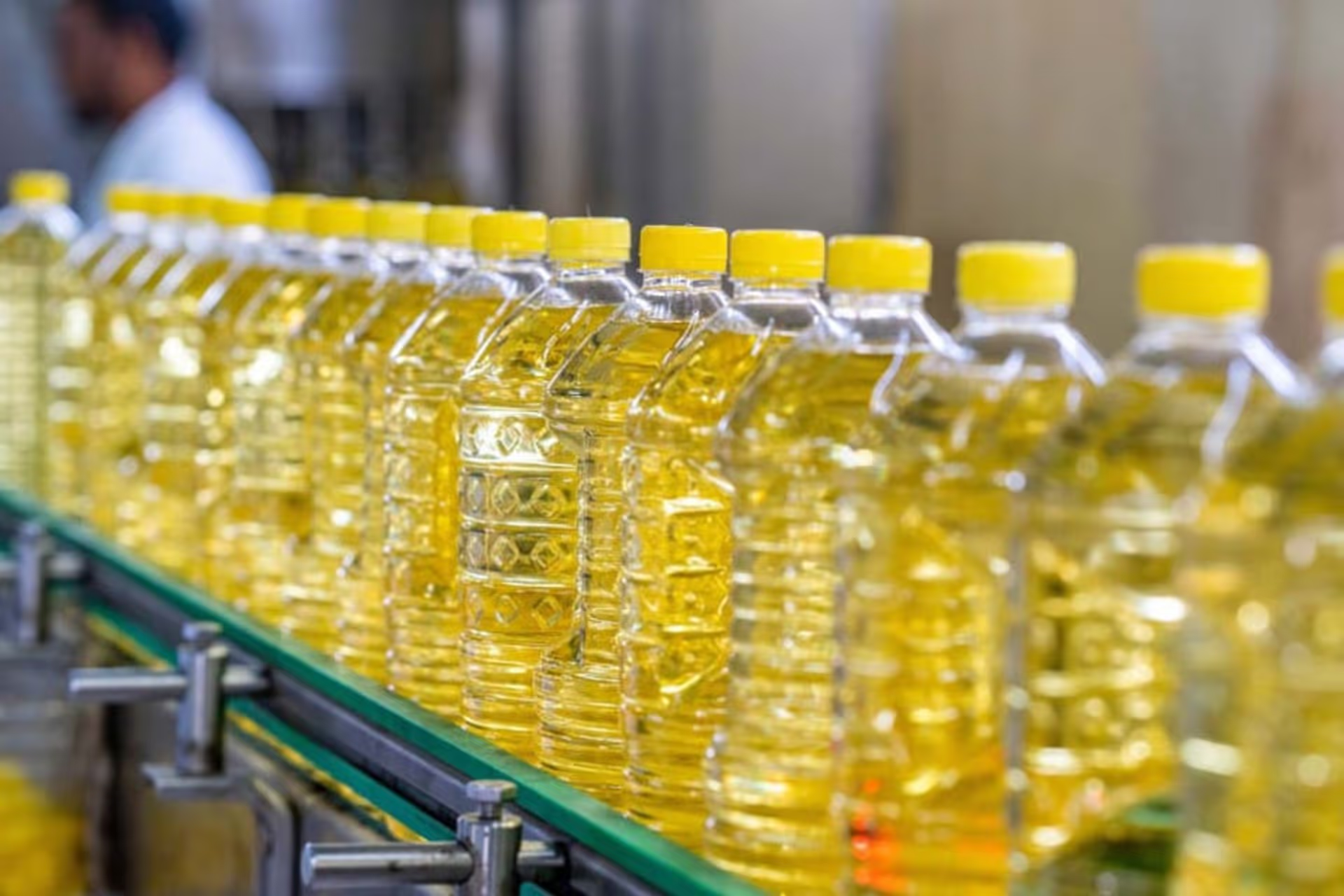
Pakistan's 3.89% Q2 GDP growth signals rising commodity demand just as the country's foreign exchange constraints threaten import financing. Industrial expansion of 7.40% led by petroleum products surging 24.65% and utilities growing 15.11% typically translates to higher vegetable oil imports, particularly palm oil which comprises roughly 70% of Pakistan's edible oil consumption. However, Pakistan's banks operate under persistent foreign currency shortages, meaning letters of credit (LCs) for imports face frequent delays and rejections. Palm oil sellers shipping CIF to Pakistan now confront a critical window: negotiate extended LC terms before the country's forex crunch deepens further.
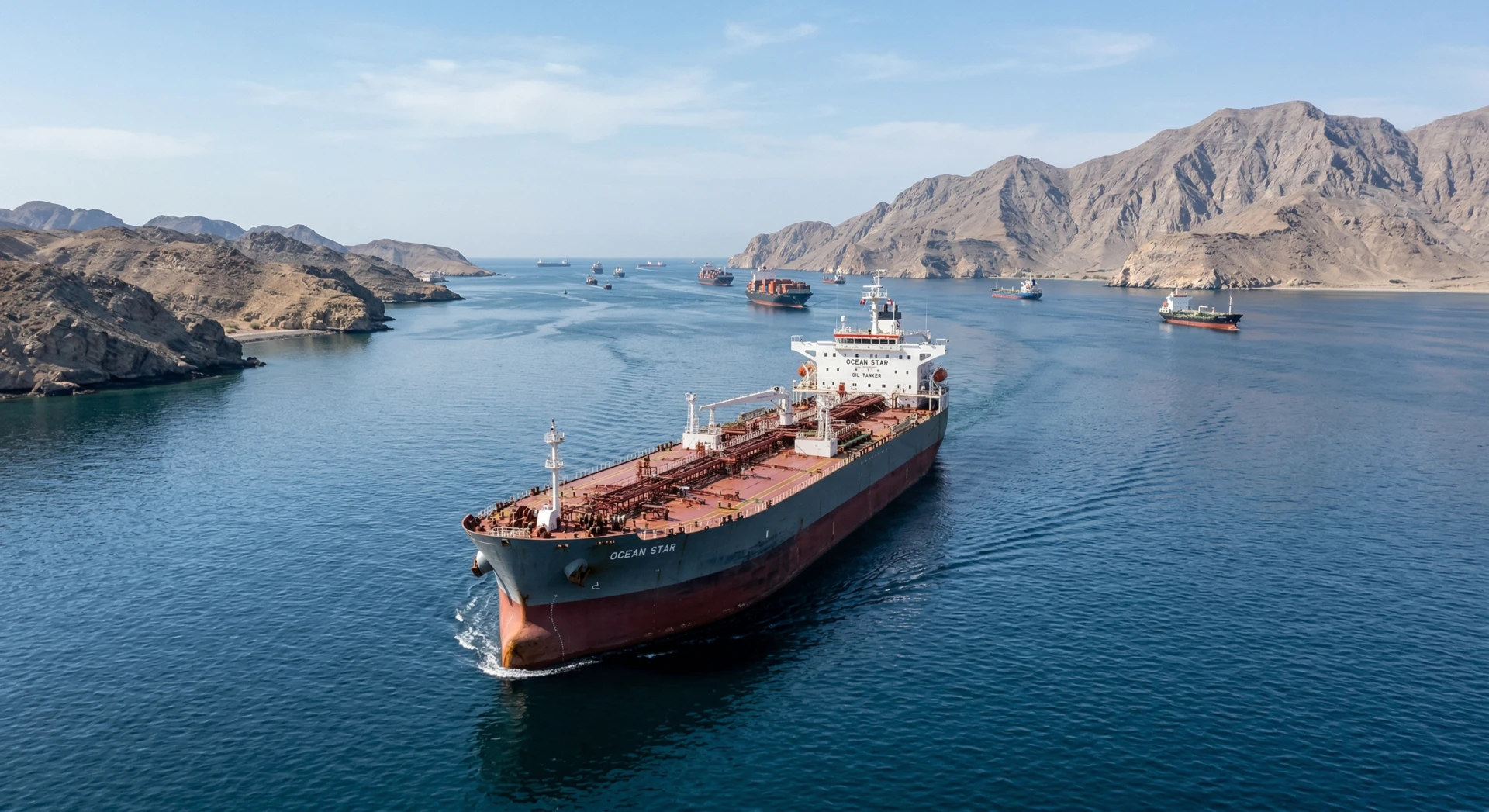
The mechanics favor immediate action on payment terms rather than waiting for demand signals to strengthen. Pakistan's State Bank maintains strict import controls through a priority system where food imports rank high but financing remains constrained by overall dollar availability. CIF sellers (who bear shipping and insurance costs to Pakistani ports) face particular exposure because their cargo remains at risk until LC confirmation and payment. Current 30 day LC terms leave minimal buffer if Pakistan's banks delay or default on foreign currency transfers. Extending to 45 day terms provides crucial breathing room, though it requires negotiating now while Pakistani importers still have some LC capacity.
Buyers in Pakistan face a different calculation entirely. The GDP growth suggests domestic consumption will rise, supporting palm oil demand fundamentals, but importers must balance inventory builds against LC availability. Those with established banking relationships might secure better financing terms, while smaller importers face the dual squeeze of higher global palm oil prices and tighter local credit. Malaysian and Indonesian sellers, meanwhile, find themselves weighing the attractive Pakistani market which absorbs over 3 million tonnes of palm oil annually against mounting counterparty risk. For sellers with diversified customer bases, the Pakistan exposure becomes a portfolio decision rather than a binary choice.
The broader uncertainty centers on Pakistan's IMF program compliance and whether forex reserves can support import demand growth. Agricultural weakness shown in the GDP data with important crops declining 1.87% and cotton output down 0.9% might actually support palm oil imports by reducing domestic oilseed production. But the elephant in the room remains Pakistan's chronic current account deficit and whether the recent industrial growth translates to export earnings or simply higher import bills. Watch Pakistani rupee stability and commercial bank LC issuance data over the next 30 days, deterioration in either metric would signal sellers should demand even more conservative terms or consider reducing exposure entirely.

.jpg)
.jpg)

'%3e%3cg id='Final-Copy-2_2_' transform='translate(1275.000000, 200.000000)'%3e%3cpath class='st0' d='M7.4,12.8h6.8l3.1-11.6H7.4C4.2,1.2,1.6,3.8,1.6,7S4.2,12.8,7.4,12.8z'/%3e%3c/g%3e%3c/g%3e%3c/g%3e%3cg id='final---dec.11-2020'%3e%3cg id='_x30_208-our-toggle' transform='translate(-1275.000000, -200.000000)'%3e%3cg id='Final-Copy-2' transform='translate(1275.000000, 200.000000)'%3e%3cpath class='st1' d='M22.6,0H7.4c-3.9,0-7,3.1-7,7s3.1,7,7,7h15.2c3.9,0,7-3.1,7-7S26.4,0,22.6,0z M1.6,7c0-3.2,2.6-5.8,5.8-5.8 h9.9l-3.1,11.6H7.4C4.2,12.8,1.6,10.2,1.6,7z'/%3e%3cpath id='x' class='st2' d='M24.6,4c0.2,0.2,0.2,0.6,0,0.8l0,0L22.5,7l2.2,2.2c0.2,0.2,0.2,0.6,0,0.8c-0.2,0.2-0.6,0.2-0.8,0 l0,0l-2.2-2.2L19.5,10c-0.2,0.2-0.6,0.2-0.8,0c-0.2-0.2-0.2-0.6,0-0.8l0,0L20.8,7l-2.2-2.2c-0.2-0.2-0.2-0.6,0-0.8 c0.2-0.2,0.6-0.2,0.8,0l0,0l2.2,2.2L23.8,4C24,3.8,24.4,3.8,24.6,4z'/%3e%3cpath id='y' class='st3' d='M12.7,4.1c0.2,0.2,0.3,0.6,0.1,0.8l0,0L8.6,9.8C8.5,9.9,8.4,10,8.3,10c-0.2,0.1-0.5,0.1-0.7-0.1l0,0 L5.4,7.7c-0.2-0.2-0.2-0.6,0-0.8c0.2-0.2,0.6-0.2,0.8,0l0,0L8,8.6l3.8-4.5C12,3.9,12.4,3.9,12.7,4.1z'/%3e%3c/g%3e%3c/g%3e%3c/g%3e%3c/g%3e%3c/svg%3e) Privacy Choices
Privacy Choices