.avif)

Japanese banana importers are burning through ethylene inventory faster than they can secure replacement supplies, pushing the industry toward its first major shortage in five decades. The resulting shortage is the worst in five decades, according to Eiji Akashi, secretary general of the Japan Banana Importers Association. In March 2026, Naphtha prices in Japan stood at USD 941.0/MT, up sharply from typical levels as naphtha inventories are down by a quarter so far this year, as the closing of the Strait of Hormuz continues to choke off a fifth of the world's petroleum supplies. The margin pressure is immediate: Japanese petrochemical crackers produce ethylene the ripening gas essential for imported bananas as a byproduct of naphtha processing, but with feedstock costs spiking and cracker utilization rates falling, ethylene availability is tightening precisely when importers need it most.
Consider the economics for Farmind Corporation, which processes approximately 30% of Japan's imported bananas. Farmind Corporation, which processes about 30% of Japan's imported bananas, revealed that avocados and kiwis are also ripened using ethylene, but the amount of gas used is much lower. Before the Hormuz disruption, ethylene a colorless gas produced by cracking naphtha in high-temperature furnaces cost roughly ¥15–20 per kilogram at cracker gate prices. According to a Farmind representative, some related costs have increased nearly tenfold. At current spot prices, the same ethylene costs ¥150–200/kg, erasing the thin margins that make Japan's banana import model viable. Each metric tonne of bananas requires approximately 1–2 kilograms of ethylene for controlled ripening in sealed chambers over 3–5 days. The additional ¥135–180/MT in ethylene costs alone before factoring higher transport and packaging expenses pushes many import consignments into loss territory.
On the buy side: Large integrated banana importers with established supplier relationships are extending payment terms and drawing down working capital to maintain volumes, hoping the disruption proves temporary. For now, bananas are still reaching stores and some importers have secured enough ethylene to last about two to three months, Akashi said. These operators are paying premiums of 200–300% above normal ethylene prices to secure spot quantities from cracker operators still running reduced rates. Their immediate concern is not profitability but maintaining market share during a supply crunch. Mid-sized importers, however, are cutting purchase volumes by 15–25% as ethylene costs overwhelm their margin structure. Some are switching to suppliers in regions with available ripening capacity, though these routes add 3–7 days to transit times and require higher fruit quality premiums to offset spoilage risk.
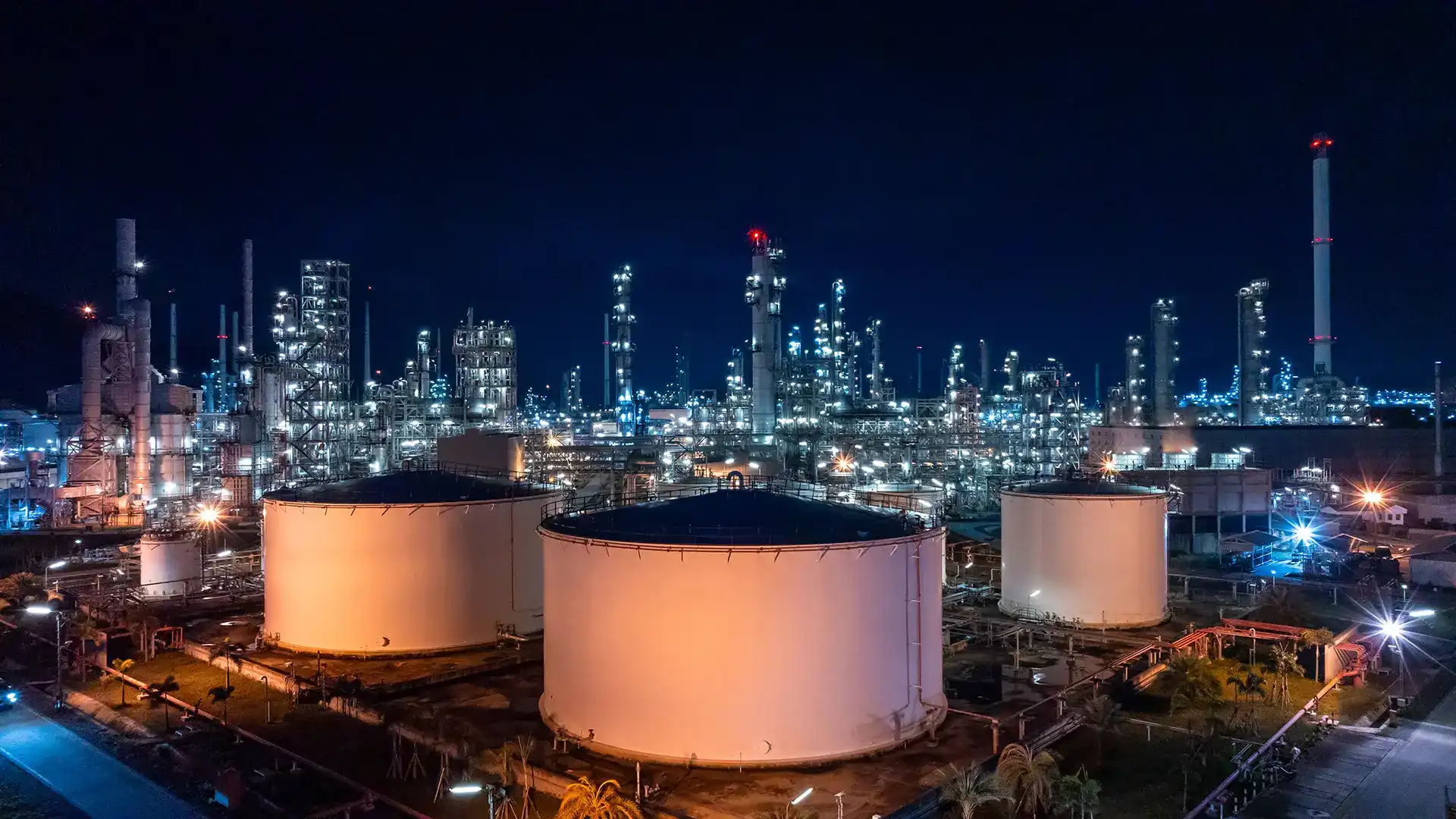
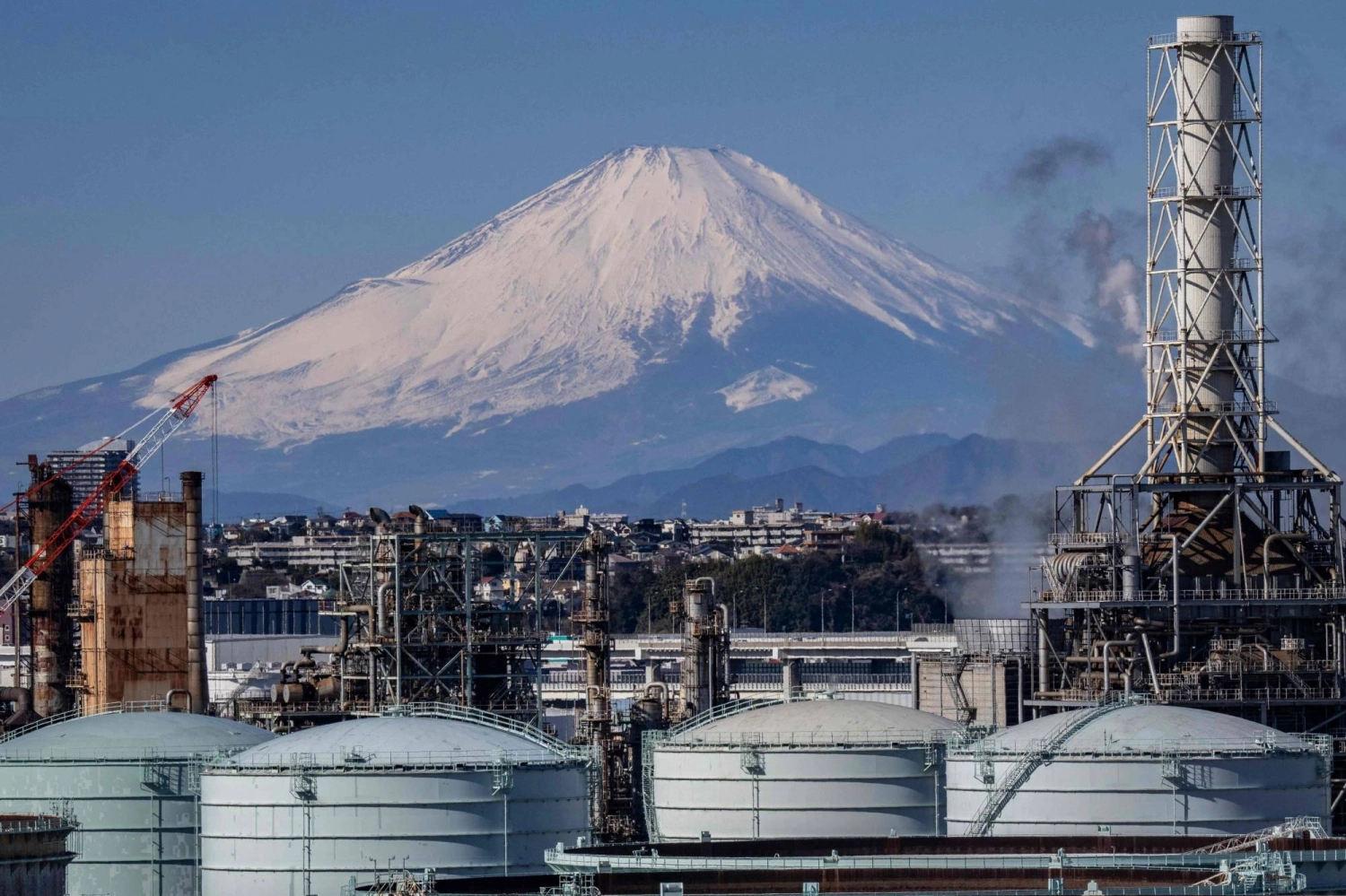
On the sell side: Japanese naphtha crackers face an impossible choice between running at a loss or cutting production. By mid-March, half of Japan's 12 ethylene plants had reduced production, and the country's ethylene plant utilization rate fell to a record low of 68.6% in March. Mitsubishi Chemical and Mitsui Chemicals have trimmed ethylene output at multiple facilities, prioritizing higher margin petrochemical derivatives over commodity ethylene sales. The result: ethylene spot availability has fallen 40% since February, creating seller's market conditions for the limited volumes still available. Cracker operators are prioritizing contract customers and charging punitive premiums for spot sales ethylene that previously traded at ¥15–20/kg now commands ¥120–180/kg for immediate delivery. This pricing reflects not speculation but genuine scarcity: when crackers reduce throughput due to poor naphtha margins, ethylene becomes scarce regardless of demand.
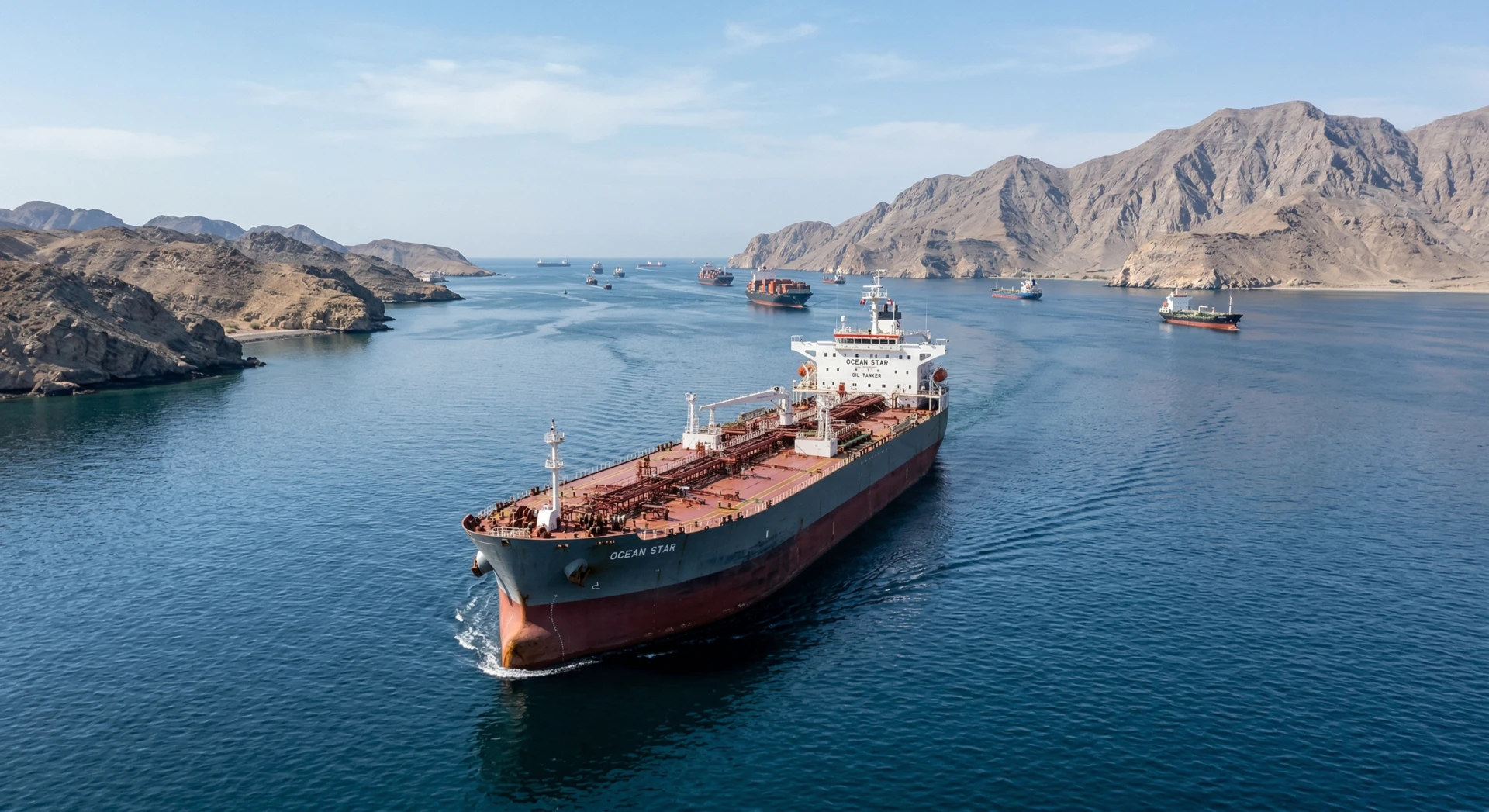
For large integrated petrochemical companies with derivatives hedging access Sumitomo Chemical, Mitsubishi Chemical, Asahi Kasei the disruption creates margin opportunities in ethylene trading while constraining production economics. These operators can hedge naphtha exposure through crude derivatives and capture elevated ethylene margins by rationing supply to contract customers. Their problem is feedstock availability, not price volatility. The country imports more than 60% of its naphtha supply, and about 70% of those imports come from the Middle East. Middle East origin cargo disruptions and Strait of Hormuz closure reduced seaborne inflows to Japan in March. Even when alternative naphtha cargoes reach Japan from the Atlantic Basin or Southeast Asia, the landed costs include freight premiums of $40–60/MT above normal levels, compressing cracker margins and limiting run rates.
For smaller regional operators without derivatives access independent fruit importers, regional food distributors, convenience store chains the ethylene shortage offers no hedging instrument equivalent. These businesses are fixing bilateral supply agreements with individual cracker operators, typically paying 6–12 month forward premiums of 50–100% above historical prices in exchange for guaranteed delivery volumes. The alternative is exposure to spot market volatility that can swing ethylene costs by 200–400% within weeks. Some are diversifying into alternative fruit suppliers that provide pre-ripened bananas, though this adds logistical complexity and reduces shelf life by 2–3 days. Others are substituting toward fruits requiring less ethylene apples, oranges, domestically grown produce effectively reshaping their product mix around petrochemical availability.
The physical supply chain constraints extend beyond pricing. The reason: the country ships in the tropical fruit while it's still green, then ripens it in rooms filled with ethylene before bunches reach store shelves. Japan imports approximately 1 million tonnes of bananas annually, primarily from the Philippines and Ecuador as unripe fruit that requires controlled ripening in ethylene filled chambers before retail distribution. Japan bought about 1 million metric tons of bananas last year, making the fruit one of the country's most important grocery staples. This model depends on ethylene availability at predictable costs without reliable gas supplies, bananas either ripen prematurely during transport (reducing quality and shelf life) or reach retail outlets still green and inedible. The substitution possibilities are limited: Specifically, after harvesting, bananas need to be ripened using ethylene gas to stimulate the ripening process. Without this treatment, the fruit will not soften and develop its characteristic sweetness before gradually spoiling.
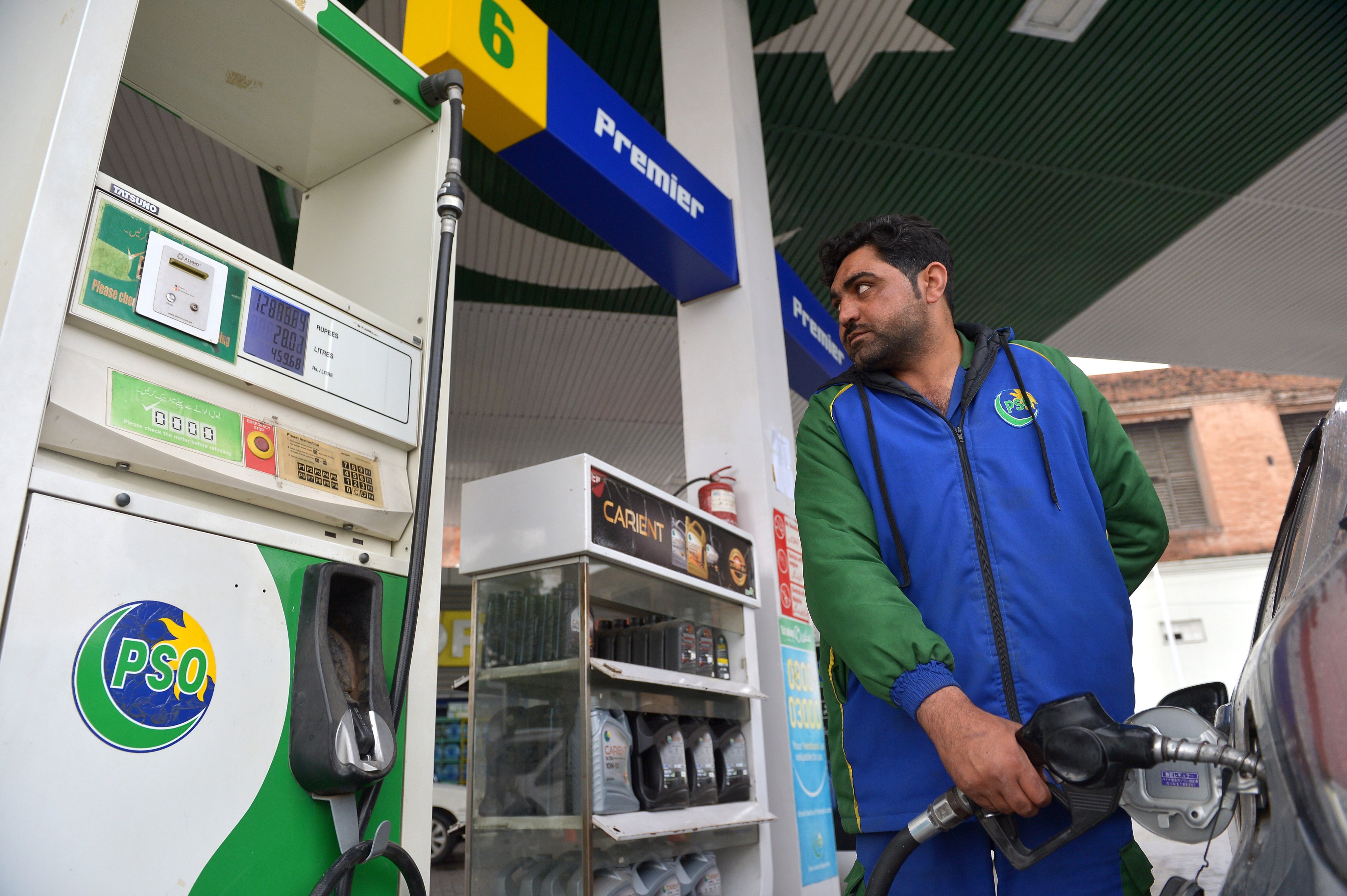
The disruption illustrates how geopolitical events transmit through specialized supply chains in unexpected ways. Snack company Calbee is switching to black and white packaging for some products like potato chips, as the supply of ink made with resin derived from naphtha has decreased. The naphtha shortage affects not only fuel and plastics but also printing inks, food packaging films, and industrial solvents all derived from the same petrochemical feedstock complex. Retailers report rising costs across petroleum linked products: transport fuel, plastic packaging, adhesive labels, and now ripening gases. According to Japanese government data, the retail price of bananas in Tokyo rose by 4.4% last year and has increased by more than 30% since 2022. These cost increases compound as they move through the supply chain, making price pass-through to consumers almost inevitable despite competitive retail pressure.
For observers: Track Japan's naphtha C&F (cost and freight) import parity prices versus Dubai crude differentials through July 2026. Naphtha Price Forecast models point to sustained firmness amid persistent supply tightness and geopolitical risks. When this spread widens beyond $15–20/barrel equivalent, it signals continued ethylene shortage pressure. A narrowing spread below $8–10/barrel suggests cracker economics are normalizing and ethylene availability should improve within 4–6 weeks. The second signal: monitor Japan's ethylene cracker utilization rates published monthly by the Japan Petrochemical Industry Association. Utilization below 75% indicates continued ethylene scarcity; recovery above 85% suggests the shortage is easing. If utilization remains below 70% through August, expect widespread fruit import model changes and permanent shifts toward pre-ripened imports or alternative fruit sourcing strategies.
.jpg)


'%3e%3cg id='Final-Copy-2_2_' transform='translate(1275.000000, 200.000000)'%3e%3cpath class='st0' d='M7.4,12.8h6.8l3.1-11.6H7.4C4.2,1.2,1.6,3.8,1.6,7S4.2,12.8,7.4,12.8z'/%3e%3c/g%3e%3c/g%3e%3c/g%3e%3cg id='final---dec.11-2020'%3e%3cg id='_x30_208-our-toggle' transform='translate(-1275.000000, -200.000000)'%3e%3cg id='Final-Copy-2' transform='translate(1275.000000, 200.000000)'%3e%3cpath class='st1' d='M22.6,0H7.4c-3.9,0-7,3.1-7,7s3.1,7,7,7h15.2c3.9,0,7-3.1,7-7S26.4,0,22.6,0z M1.6,7c0-3.2,2.6-5.8,5.8-5.8 h9.9l-3.1,11.6H7.4C4.2,12.8,1.6,10.2,1.6,7z'/%3e%3cpath id='x' class='st2' d='M24.6,4c0.2,0.2,0.2,0.6,0,0.8l0,0L22.5,7l2.2,2.2c0.2,0.2,0.2,0.6,0,0.8c-0.2,0.2-0.6,0.2-0.8,0 l0,0l-2.2-2.2L19.5,10c-0.2,0.2-0.6,0.2-0.8,0c-0.2-0.2-0.2-0.6,0-0.8l0,0L20.8,7l-2.2-2.2c-0.2-0.2-0.2-0.6,0-0.8 c0.2-0.2,0.6-0.2,0.8,0l0,0l2.2,2.2L23.8,4C24,3.8,24.4,3.8,24.6,4z'/%3e%3cpath id='y' class='st3' d='M12.7,4.1c0.2,0.2,0.3,0.6,0.1,0.8l0,0L8.6,9.8C8.5,9.9,8.4,10,8.3,10c-0.2,0.1-0.5,0.1-0.7-0.1l0,0 L5.4,7.7c-0.2-0.2-0.2-0.6,0-0.8c0.2-0.2,0.6-0.2,0.8,0l0,0L8,8.6l3.8-4.5C12,3.9,12.4,3.9,12.7,4.1z'/%3e%3c/g%3e%3c/g%3e%3c/g%3e%3c/g%3e%3c/svg%3e) Privacy Choices
Privacy Choices