.avif)

Oil buyers across Asia face the industry's first annual demand contraction since COVID-19, with the IEA forecasting a 420,000 barrel per day decline in 2026 a stark reversal from the 1.2 million bpd growth forecast before the Hormuz crisis began in February. The closure of the Strait of Hormuz through which 20% of global oil trade normally flows has created what the IEA calls the "largest supply disruption in the history of the global oil market." For Asian oil buyers, this is not merely a temporary price shock. It is the emergence of structural demand destruction that may persist even after Hormuz reopens.
The margin anatomy reveals why this shock differs fundamentally from previous oil crises. Brent crude trading around $95/barrel today compared to April highs of $138/barrel when the strait first closed masks the deeper commercial reality. Demand destruction (the economic term for permanent reduction in consumption caused by sustained high prices) is not reversing as prices moderate. Instead, it is embedding itself in industrial processes, aviation networks, and consumer behavior. A Japanese refiner importing 200,000 barrels daily of Arab Light crude previously priced at a $2-3/barrel discount to Brent now faces feedstock costs 40-50% above pre-crisis levels even with alternative suppliers. The arithmetic is unforgiving: at $95 Brent, delivered crude costs approximately $97-98/barrel versus $68-70 in January 2026.
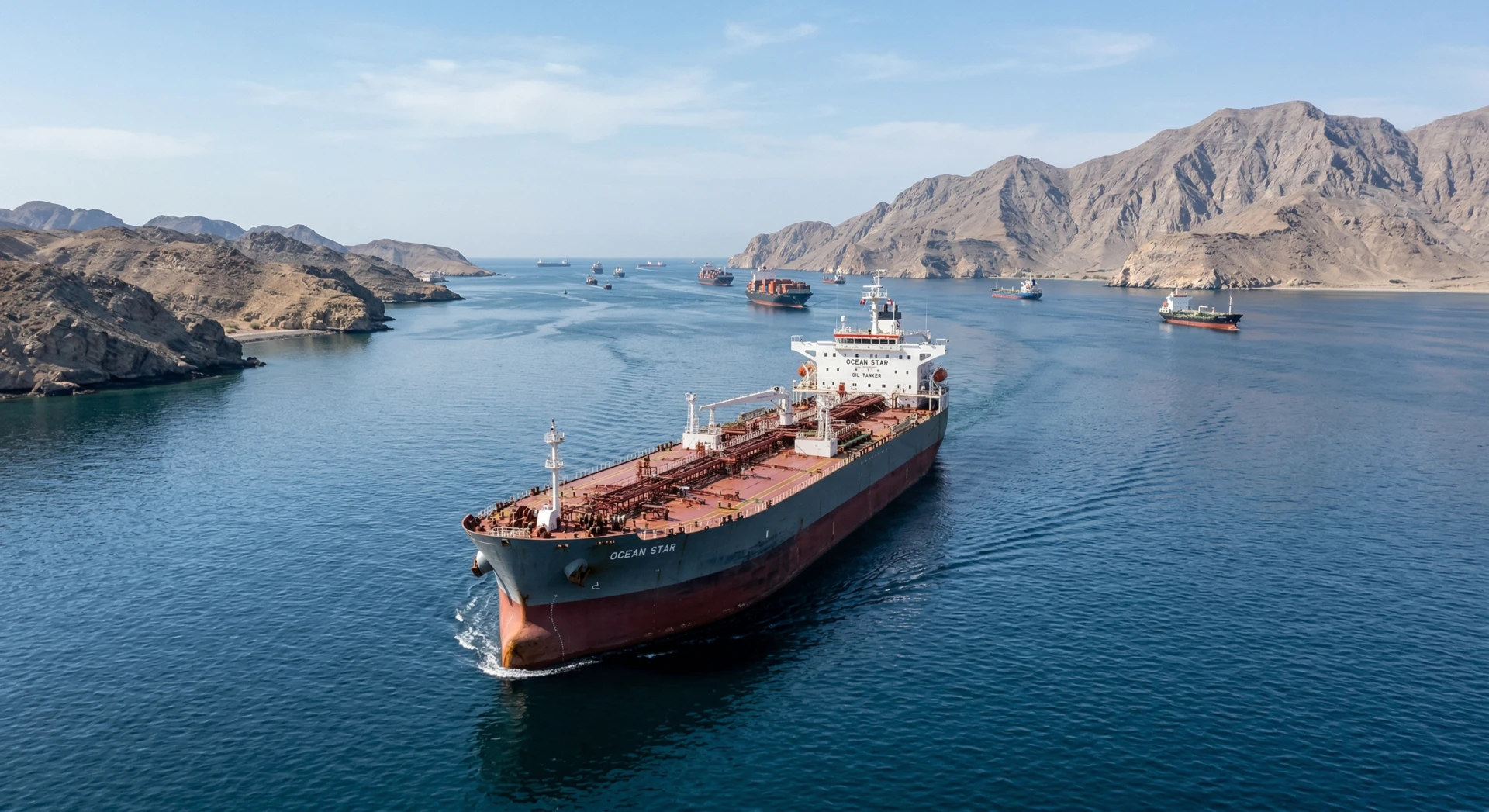
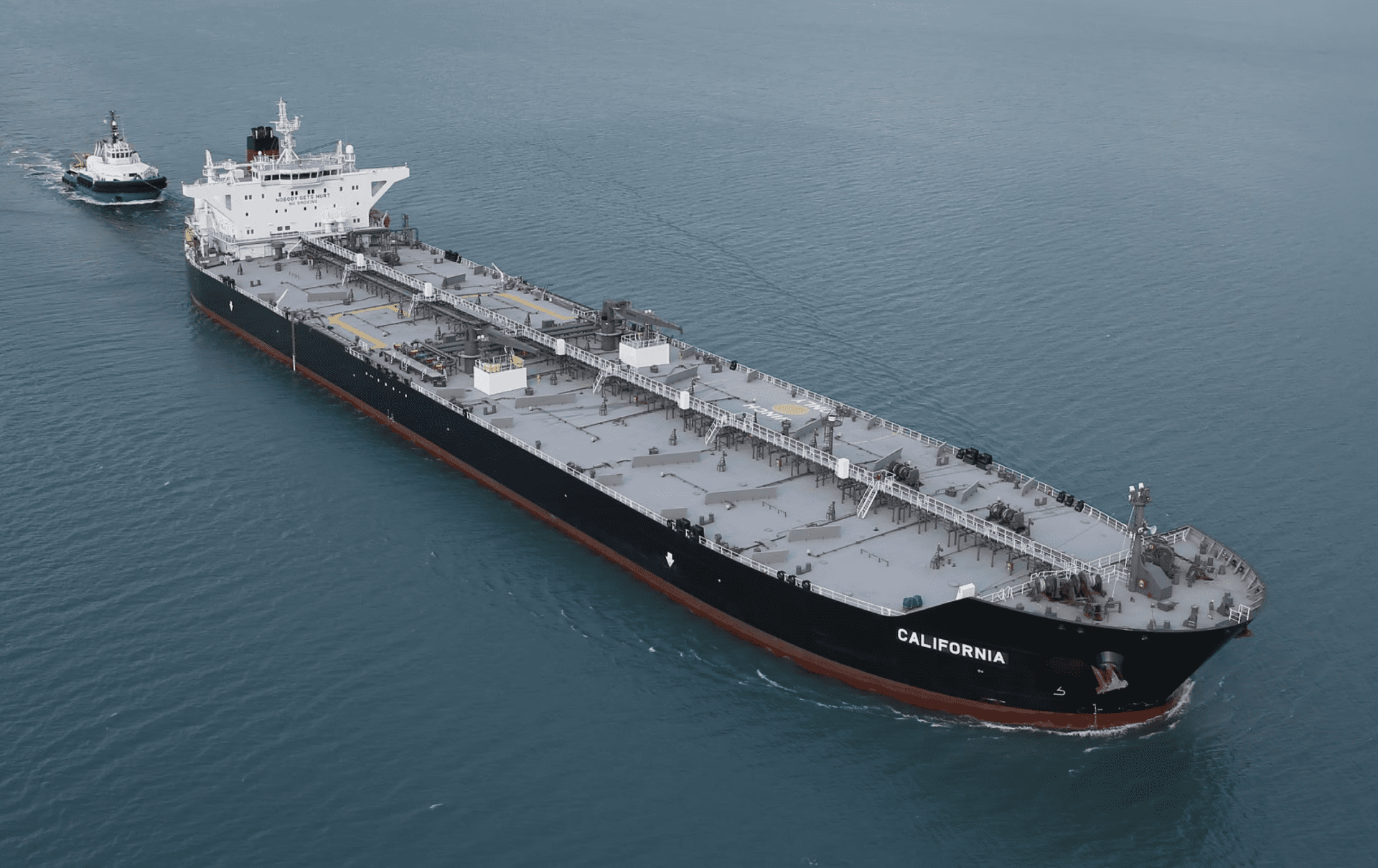
Freight costs compound the burden, particularly for smaller operators without long-term vessel contracts. Vessel insurance rates for Hormuz-alternative routes have increased from 0.125% to 0.2-0.4% of cargo value adding $250,000 per transit for a Very Large Crude Carrier (VLCC). A mid-sized South Korean refiner chartering a VLCC to carry 2 million barrels from West Africa instead of the Persian Gulf faces an additional 15-20 days transit time and $2-3 million extra in total voyage costs. This translates to roughly $1.50/barrel in additional freight permanently embedded in the cost structure until Hormuz traffic normalizes and insurance rates compress.
The supply chain has fractured along predictable lines. Gulf oil production remains 14.4 million barrels per day below pre-war levels, with production shut-ins expected to peak at 10.8 million bpd in May. Alternative route capacity cannot bridge this gap. Saudi Arabia's East-West pipeline to the Red Sea and the UAE's Abu Dhabi crude pipeline to the Gulf of Oman provide approximately 2.6 million barrels per day of combined capacity a fraction of the 20 million bpd that normally transits Hormuz. The bottleneck is not temporary logistics but structural throughput limitations that no amount of premium pricing can overcome in the near term.
On the buy side, Asian refiners and industrial users are implementing permanent adaptations. Indian refiners have shifted to Russian crude purchases, while the government raised diesel export duties to ₹21.5 per litre (roughly $28/MT) to ensure domestic supply. This duty level makes diesel exports uneconomical at current margins, effectively redirecting the entire 50,000-60,000 barrel per day export flow to domestic consumption. Chinese petrochemical producers where LPG/ethane use dropped 70,000 bpd year on year and naphtha fell 100,000 bpd as Hormuz feedstock supplies were disrupted are signing long-term contracts for US ethane delivered to new import terminals, permanently diversifying away from Gulf supply chains.
On the sell side, Middle Eastern producers with alternative export routes are capturing unprecedented premiums. Saudi Arabia's crude exports through Red Sea terminals command $8-12/barrel premiums to Brent versus the traditional $2-3 discount for Arab Light. The kingdom's 1.5 million bpd East-West pipeline previously used for domestic consumption and modest exports now operates at maximum capacity with six-month waiting lists for allocation. UAE's Abu Dhabi crude available at Fujairah terminals trades at similar premiums, creating a structural arbitrage for Gulf producers with alternative infrastructure. This is not temporary pricing dislocation it reflects the new scarcity value of non-Hormuz Gulf crude.
For large integrated traders with global portfolios, the crisis creates margin concentration opportunities. Vitol, Trafigura, and other majors with storage infrastructure in consuming regions can monetize inventory appreciation crude purchased at $70-80/barrel pre-crisis now trading at $95+ represents $15-25/barrel inventory gains on millions of barrels. Their derivatives books allow hedging of price volatility while capturing the physical arbitrage. A major trading house holding 10 million barrels of crude inventory before the crisis has captured approximately $200-250 million in inventory gains equivalent to several years of normal trading margins compressed into three months.
For smaller regional operators independent refineries, fuel distributors, industrial buyers without derivatives access the crisis demands practical adaptation rather than financial engineering. A Philippine fuel importer previously sourcing 80% of supply from Kuwait and Saudi Arabia has diversified to term contracts with Malaysia's Petronas, Thailand's PTT, and Australian condensate suppliers. The premium costs 10-15% more than pre-crisis Gulf contracts, but provides supply security that justifies the margin compression. These bilateral arrangements, once established, typically persist for 2-3 years minimum, permanently reshaping trade flows.
The aviation sector illustrates how short-term supply shocks become long-term structural changes. Jet fuel prices nearly tripled after Middle Eastern exports were cut off, forcing airlines to reduce flight schedules. Asian carriers initially viewed this as temporary route suspension park aircraft, reduce frequency, wait for Hormuz reopening. But sustained high fuel costs have forced permanent network rationalization. Singapore Airlines has cancelled 40% of its Middle East routes and shifted long-haul aircraft to North American and European services where fuel costs represent a smaller percentage of total operating expenses. These route changes, once implemented, persist due to slot coordination requirements and bilateral aviation agreements that take 12-18 months to renegotiate.
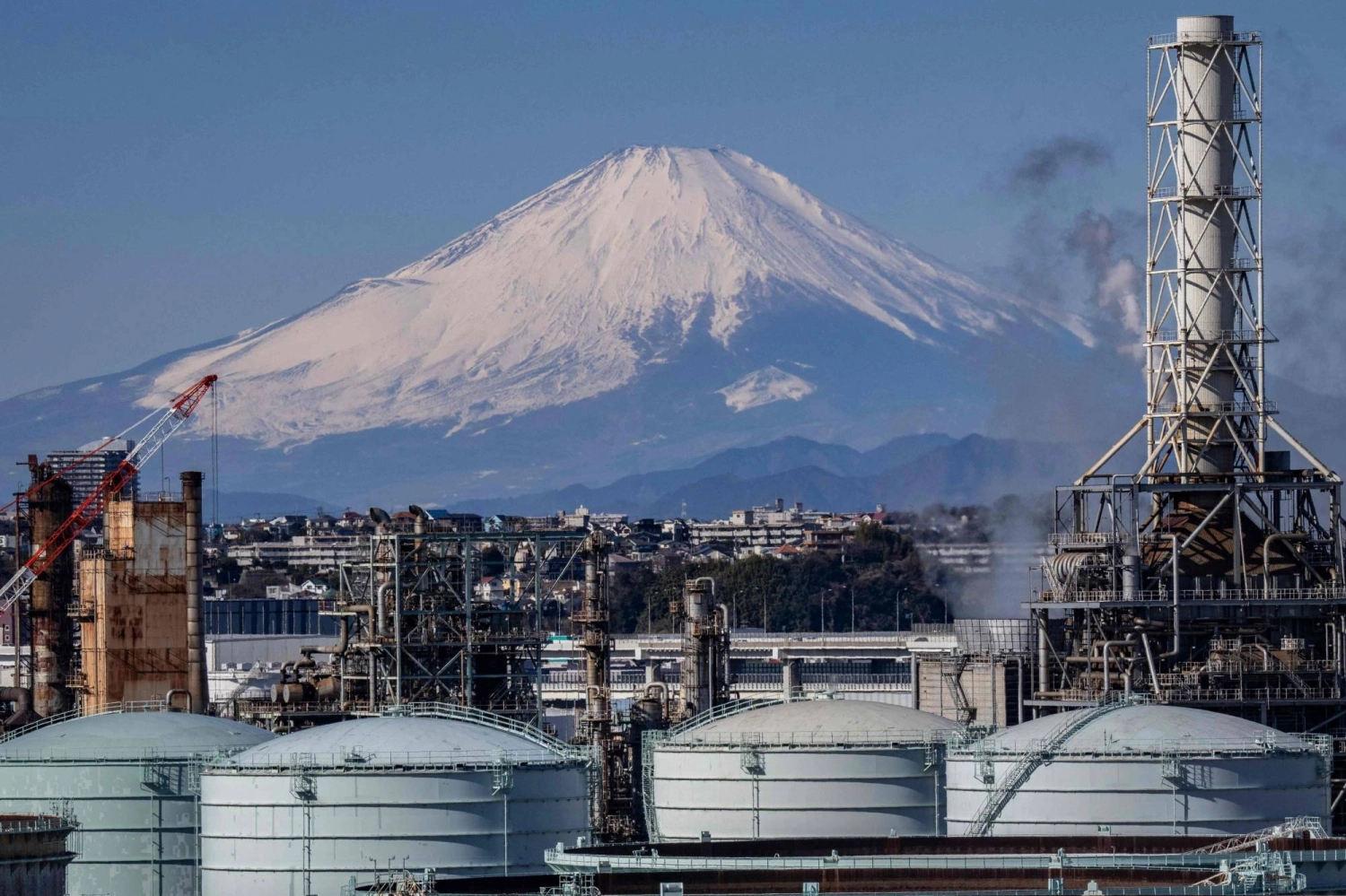
Large integrated oil companies with refining and marketing operations face different pressures than pure traders or buyers. ExxonMobil's Singapore refinery, designed to process predominantly Middle Eastern crude grades, operates at 70% capacity due to feedstock constraints. The company is accelerating $2 billion in modifications to process more West African and Latin American crudes investments that lock in supply diversification for decades. Shell's integrated trading operation uses its global refining network to capture inter-regional arbitrages, shipping refined products from Europe and the US to fuel-short Asian markets at premium pricing. These integrated players benefit from downstream asset flexibility that pure crude buyers lack.
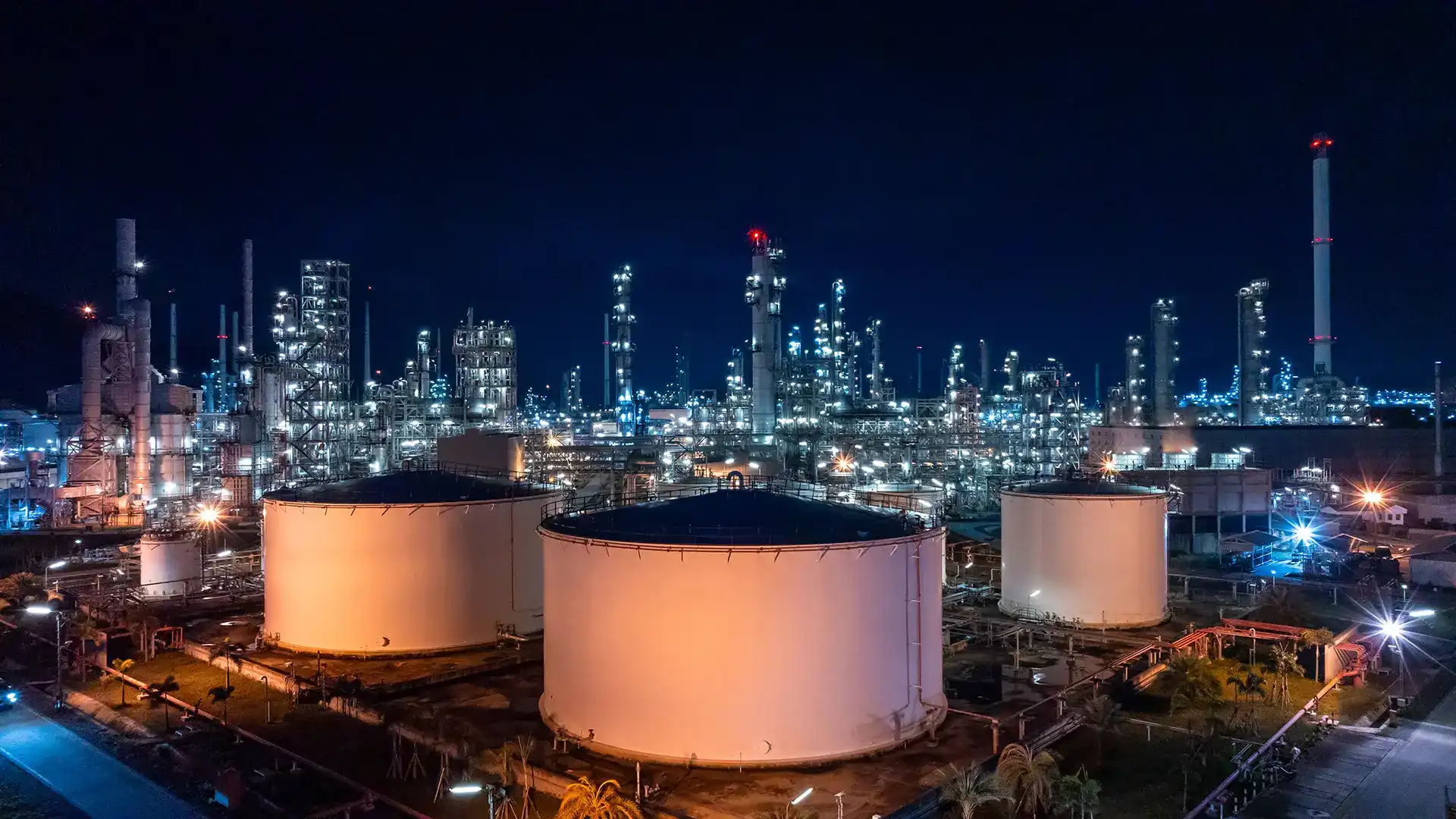
Smaller refineries without integrated trading arms face existential margin pressure. A 100,000 barrel per day independent refinery in Thailand, previously earning 8-12% returns on crude processing, now operates at break even due to feedstock cost increases and inability to pass through full price increases to wholesale customers. The facility has reduced runs to 60,000 bpd and is considering permanent closure of older distillation units industrial capacity that, once shuttered, typically does not restart even when margins recover.
The financing dimension reveals additional structural shifts. Letters of credit (L/Cs) the bank guarantees that enable most commodity trade now require 15-25% higher credit lines to cover increased cargo values and longer transit times. A Malaysian trader financing crude purchases from Nigeria instead of Saudi Arabia faces 25 day voyages versus 15 days, plus cargo values 40% higher than pre-crisis. Banks demand additional collateral, effectively reducing trading capacity. Smaller trading firms with limited credit facilities cannot finance the same volume of business, concentrating market share among larger players with stronger balance sheets.
The inventory mathematics compound this credit constraint. Working capital requirements have increased 50-70% for Asian buyers due to higher crude prices and longer supply chains. A South Korean petrochemical company maintaining 45 days of naphtha inventory now ties up $180 million in working capital versus $110 million pre-crisis. This forces either inventory reduction (creating supply risk) or additional bank financing (reducing financial flexibility). Many opt for inventory reduction, accepting higher operational risk to preserve financial liquidity.
Strategic petroleum reserves (SPRs) provide temporary relief but limited long-term solution. IEA member nations agreed to release 400 million barrels from strategic reserves, but these stocks require eventual replacement. Global oil inventories are falling by 8.5 million barrels per day in Q2 2026, with the steepest draws in May and June keeping Brent prices around $106/barrel. Japan's SPR of 150 million barrels equivalent to 200+ days of imports appears substantial but represents only 7-8 days of global demand. SPR releases defer the supply crunch but cannot resolve it.
For observers monitoring when this structural shift may stabilize, the key signal is not oil price levels but demand elasticity recovery. Normal price elasticity of oil demand the percentage change in consumption for each percentage change in price ranges from -0.1 to -0.3 over 6-12 months. Current demand destruction of 2.4 million bpd in Q2 2026 against prices 40-50% above pre-crisis levels suggests elasticity of -0.6 to -0.8 double normal sensitivity. When this elasticity normalizes to historical ranges, structural adaptation will be complete. Monitor monthly IEA demand revisions through August 2026: persistent downward revisions despite price moderation signal ongoing behavioral change.
The path back to pre-crisis consumption patterns requires not just Hormuz reopening but margin recovery across the entire Asian oil value chain. EIA estimates the strait will remain effectively closed through late May, with flows slowly resuming in June but not reaching pre-conflict levels until late 2026 or early 2027. Even optimistic scenarios suggest 12-18 months before normal trade patterns resume sufficient time for temporary adaptations to become permanent operational changes. The oil market faces not just a supply shock recovery but a structural demand reset that may define Asian energy consumption for the next decade.

.jpg)

'%3e%3cg id='Final-Copy-2_2_' transform='translate(1275.000000, 200.000000)'%3e%3cpath class='st0' d='M7.4,12.8h6.8l3.1-11.6H7.4C4.2,1.2,1.6,3.8,1.6,7S4.2,12.8,7.4,12.8z'/%3e%3c/g%3e%3c/g%3e%3c/g%3e%3cg id='final---dec.11-2020'%3e%3cg id='_x30_208-our-toggle' transform='translate(-1275.000000, -200.000000)'%3e%3cg id='Final-Copy-2' transform='translate(1275.000000, 200.000000)'%3e%3cpath class='st1' d='M22.6,0H7.4c-3.9,0-7,3.1-7,7s3.1,7,7,7h15.2c3.9,0,7-3.1,7-7S26.4,0,22.6,0z M1.6,7c0-3.2,2.6-5.8,5.8-5.8 h9.9l-3.1,11.6H7.4C4.2,12.8,1.6,10.2,1.6,7z'/%3e%3cpath id='x' class='st2' d='M24.6,4c0.2,0.2,0.2,0.6,0,0.8l0,0L22.5,7l2.2,2.2c0.2,0.2,0.2,0.6,0,0.8c-0.2,0.2-0.6,0.2-0.8,0 l0,0l-2.2-2.2L19.5,10c-0.2,0.2-0.6,0.2-0.8,0c-0.2-0.2-0.2-0.6,0-0.8l0,0L20.8,7l-2.2-2.2c-0.2-0.2-0.2-0.6,0-0.8 c0.2-0.2,0.6-0.2,0.8,0l0,0l2.2,2.2L23.8,4C24,3.8,24.4,3.8,24.6,4z'/%3e%3cpath id='y' class='st3' d='M12.7,4.1c0.2,0.2,0.3,0.6,0.1,0.8l0,0L8.6,9.8C8.5,9.9,8.4,10,8.3,10c-0.2,0.1-0.5,0.1-0.7-0.1l0,0 L5.4,7.7c-0.2-0.2-0.2-0.6,0-0.8c0.2-0.2,0.6-0.2,0.8,0l0,0L8,8.6l3.8-4.5C12,3.9,12.4,3.9,12.7,4.1z'/%3e%3c/g%3e%3c/g%3e%3c/g%3e%3c/g%3e%3c/svg%3e) Privacy Choices
Privacy Choices