.avif)
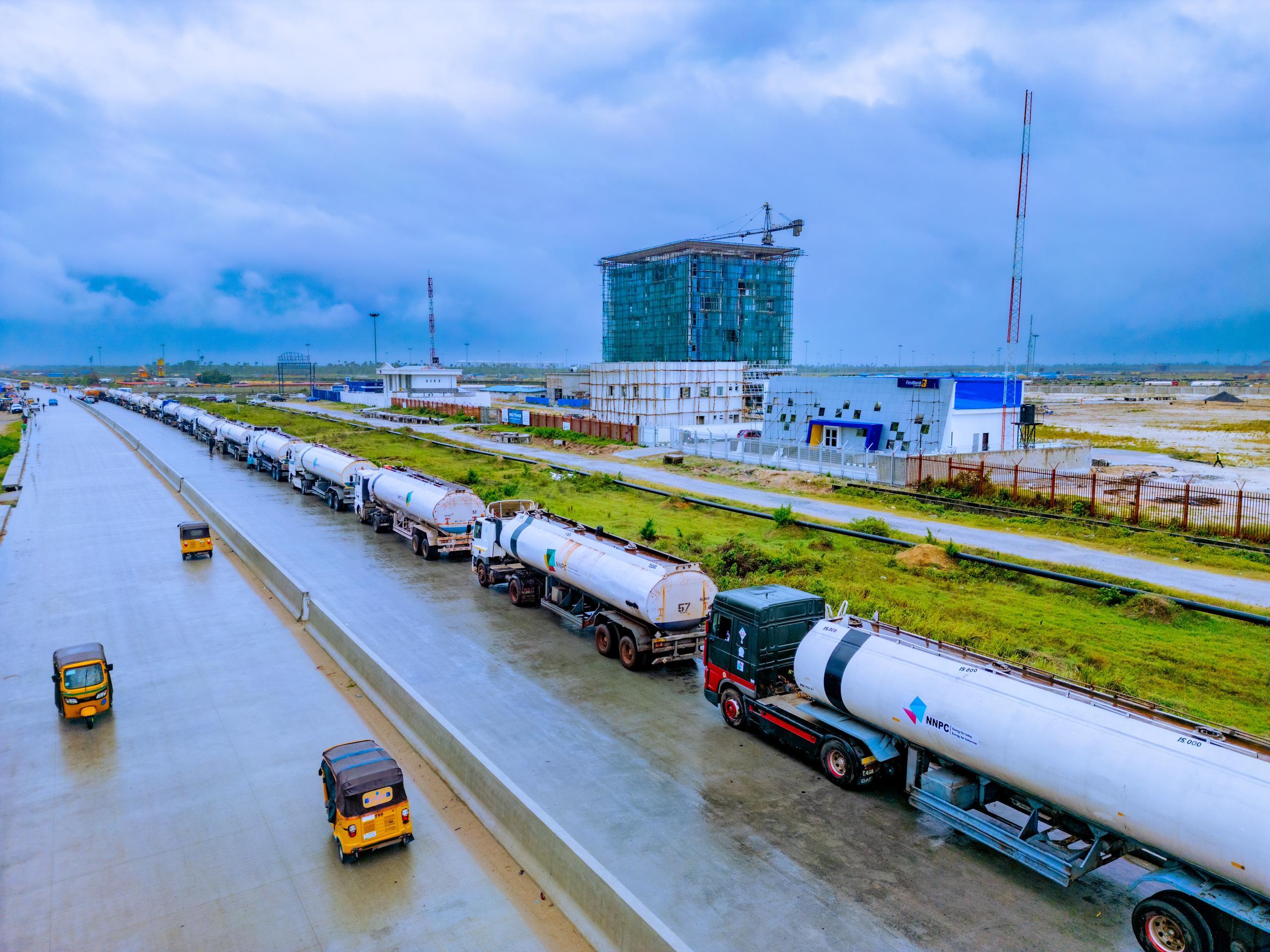
Nigeria's largest refinery delivered immediate relief to fuel buyers on May 31, cutting ex-depot prices for petrol to ₦1,250 per litre from ₦1,275 and diesel to ₦1,700 from ₦1,800. The reductions ₦25/L on petrol and ₦100/L on diesel represent Dangote Petroleum Refinery's direct response to crude oil's decline from roughly $111/bbl to $91/bbl amid shifting Middle East tensions. But the commercial consequence extends beyond headline pricing: fuel distribution networks across Nigeria are now carrying inventory purchased when crude traded $20/bbl higher, creating a margin compression that will persist until existing stock turns over. A mid-sized regional fuel distributor holding 5 million litres of petrol bought at ₦1,275/L cannot immediately realise Dangote's ₦25/L reduction the inventory carrying cost gap represents ₦125 million ($78,000) in unrealized margin pressure.
The margin anatomy reveals why ex-depot cuts do not translate immediately to pump price relief. Petrol currently sells for around ₦1,370 and above in major Nigerian cities, significantly above Dangote's new ex-depot price of ₦1,250/L. This ₦120/L gap representing distribution margins, transportation costs, retailer markup, and crucially, inventory purchased at higher depot prices demonstrates the structural lag between refinery pricing and consumer benefit. Consider a typical fuel marketing company: inventory purchased three weeks ago at ₦1,275/L depot price, transported at ₦15–20/L, with retail margins of ₦80–100/L, results in pump prices of ₦1,370–1,395/L. The ₦25/L depot reduction only benefits inventory purchased after May 31, not the millions of litres already in the distribution chain. This is physical commodity reality: prices are sticky downward because of inventory lags, not pricing manipulation.
On the buy side: Independent fuel marketers companies purchasing from Dangote's gantry for distribution to filling stations now secure immediate ₦25/L advantage on new purchases while managing margin pressure on existing inventory. Large integrated fuel retailers like MRS Oil & Gas or Conoil can absorb this temporary inventory loss more easily than smaller regional distributors. Industry observers expect filling stations across the country to adjust pump prices downward following the latest reduction, but the timeline depends on inventory turnover rates. High-volume urban stations rotating stock every 5–7 days will reflect new pricing faster than rural outlets with 2–3 week inventory cycles. The buy-side benefit concentrates in procurement departments securing new contracts at reduced depot prices.
On the sell side: Dangote Petroleum Refinery improves its competitive positioning against imported fuel while maintaining margins through the crude oil cost reduction. As global crude prices continue to fluctuate, Dangote Refinery has adjusted its product prices multiple times in recent months in response to market conditions. The 650,000 barrel per day facility now offers petrol at approximately ₦22/L below some competitors other depot operators like Aiteo and NIPCO previously sold at about ₦1,272/L, while Integrated, Ascon, and African Terminal traded around ₦1,274/L before Dangote's latest cut. This pricing advantage strengthens Dangote's market share capture in Nigeria's deregulated downstream market, particularly as Nigeria supplied 28.5 million barrels of crude oil to domestic refineries in the first quarter of 2026, supporting domestic refining capacity growth.
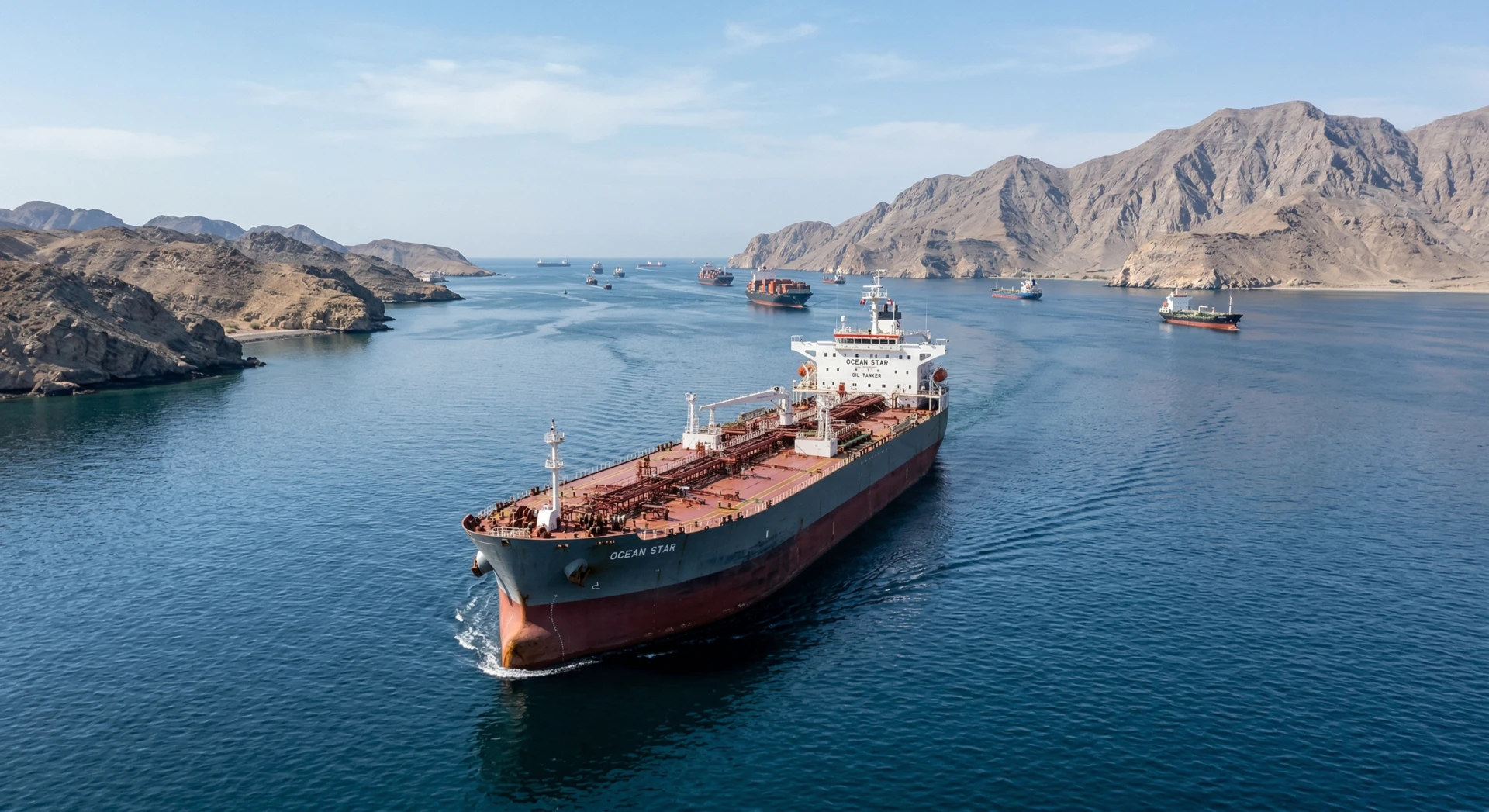
For large integrated domestic refiners with derivatives access: The pricing volatility driven by Middle East supply disruptions and the closure of the Strait of Hormuz requires active hedging strategies. Companies can lock in crude supply costs using Brent futures contracts 60–90 days forward, protecting against price reversals while securing feedstock for refining operations. With crude oil prices fluctuating between $91–95/bbl and potential for further volatility as U.S.-Iran negotiations continue, integrated refiners benefit from establishing price protection on 30–50% of quarterly crude requirements. The margin protection costs approximately $0.80–1.20/bbl in options premiums but provides certainty against crude cost spikes that could erase refining margins. For substantial operators, this represents insurance rather than speculation protecting cash flow predictability in an environment where crude can move $10–15/bbl within days.
For smaller regional fuel distributors without derivatives access: The practical equivalent focuses on inventory management and supplier diversification. Regional distributors should negotiate fixed-price purchase agreements with Dangote spanning 15–30 day periods, capturing price certainty without futures market complexity. Alternatively, smaller operators can diversify across multiple depot suppliers (Dangote, NNPC retail, Conoil) to reduce single-supplier price risk and improve negotiating leverage. The key is avoiding large inventory positions during volatile periods maintaining 7–10 day operating stock rather than traditional 21–28 day inventory levels reduces exposure to adverse price movements. Cash flow timing becomes critical: operators should align bulk purchases with immediate sales commitments rather than speculative inventory building.
For market observers: WTI crude futures trading above $92 per barrel and Brent crude around $91–95/bbl provide the primary signal for domestic fuel pricing direction over the next 30–45 days. Any sustained crude price move above $100/bbl will pressure domestic refiners to reverse recent cuts, while prices settling below $85/bbl could enable further depot price reductions. The secondary signal is Dangote's weekly gantry pricing announcements typically released Friday afternoons which establish competitive pricing benchmarks for Nigeria's downstream market. A third monitoring point is Nigeria's crude oil production, currently averaging 1.38 million bpd in March 2026, which affects domestic crude allocation to refineries and feedstock cost structures. Watch for production announcements from the Nigerian Upstream Petroleum Regulatory Commission, released monthly around the 15th.

.jpg)

'%3e%3cg id='Final-Copy-2_2_' transform='translate(1275.000000, 200.000000)'%3e%3cpath class='st0' d='M7.4,12.8h6.8l3.1-11.6H7.4C4.2,1.2,1.6,3.8,1.6,7S4.2,12.8,7.4,12.8z'/%3e%3c/g%3e%3c/g%3e%3c/g%3e%3cg id='final---dec.11-2020'%3e%3cg id='_x30_208-our-toggle' transform='translate(-1275.000000, -200.000000)'%3e%3cg id='Final-Copy-2' transform='translate(1275.000000, 200.000000)'%3e%3cpath class='st1' d='M22.6,0H7.4c-3.9,0-7,3.1-7,7s3.1,7,7,7h15.2c3.9,0,7-3.1,7-7S26.4,0,22.6,0z M1.6,7c0-3.2,2.6-5.8,5.8-5.8 h9.9l-3.1,11.6H7.4C4.2,12.8,1.6,10.2,1.6,7z'/%3e%3cpath id='x' class='st2' d='M24.6,4c0.2,0.2,0.2,0.6,0,0.8l0,0L22.5,7l2.2,2.2c0.2,0.2,0.2,0.6,0,0.8c-0.2,0.2-0.6,0.2-0.8,0 l0,0l-2.2-2.2L19.5,10c-0.2,0.2-0.6,0.2-0.8,0c-0.2-0.2-0.2-0.6,0-0.8l0,0L20.8,7l-2.2-2.2c-0.2-0.2-0.2-0.6,0-0.8 c0.2-0.2,0.6-0.2,0.8,0l0,0l2.2,2.2L23.8,4C24,3.8,24.4,3.8,24.6,4z'/%3e%3cpath id='y' class='st3' d='M12.7,4.1c0.2,0.2,0.3,0.6,0.1,0.8l0,0L8.6,9.8C8.5,9.9,8.4,10,8.3,10c-0.2,0.1-0.5,0.1-0.7-0.1l0,0 L5.4,7.7c-0.2-0.2-0.2-0.6,0-0.8c0.2-0.2,0.6-0.2,0.8,0l0,0L8,8.6l3.8-4.5C12,3.9,12.4,3.9,12.7,4.1z'/%3e%3c/g%3e%3c/g%3e%3c/g%3e%3c/g%3e%3c/svg%3e) Privacy Choices
Privacy Choices