.avif)
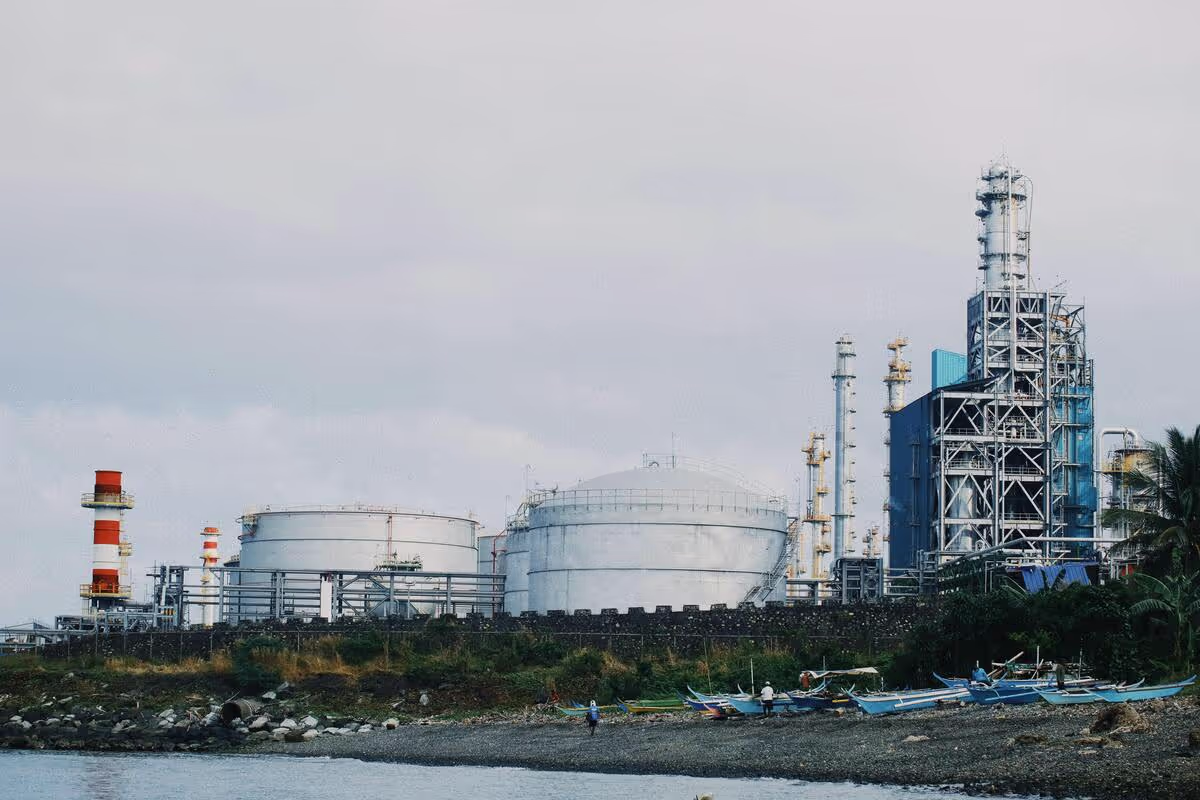
Indian chemical processors importing from Oman gain immediate margin relief starting June 1 when the India-Oman CEPA becomes operational, while those seeking lithium feedstock face prolonged uncertainty as India-Chile FTA talks confront challenges from differing economic scales despite Commerce Minister Piyush Goyal's optimism about securing critical minerals access. A CEPA Comprehensive Economic Partnership Agreement is a trade pact covering goods, services, investment, and regulatory cooperation that goes beyond simple tariff reduction. The Oman agreement provides duty-free access to 98% of India's exports while India reduces tariffs on Omani products including dates, marbles, and petrochemicals. LME copper closed at $6.53/lb on May 14, down 1.53% from the previous day but up 40% year over year, highlighting the price pressure driving India's urgency for secure mineral supplies.
For a mid-sized Indian petrochemical importer sourcing 10,000 tonnes annually from Gulf suppliers, the Oman tariff reduction represents immediate cost savings. Before CEPA, a 5% tariff on a $800/tonne petrochemical cargo added $40/tonne roughly $400,000 annually for this scale of operation. The duty elimination applies from day one, providing immediate price competitiveness for Indian importers against non-Omani suppliers. For large integrated chemical processors like Reliance Industries or ONGC Petro additions, the savings multiply proportionally. However, Chile holds the world's largest lithium reserves and is the top copper producer, resources critical for India's electric vehicle and electronics sectors that remain beyond immediate reach through trade agreements alone.
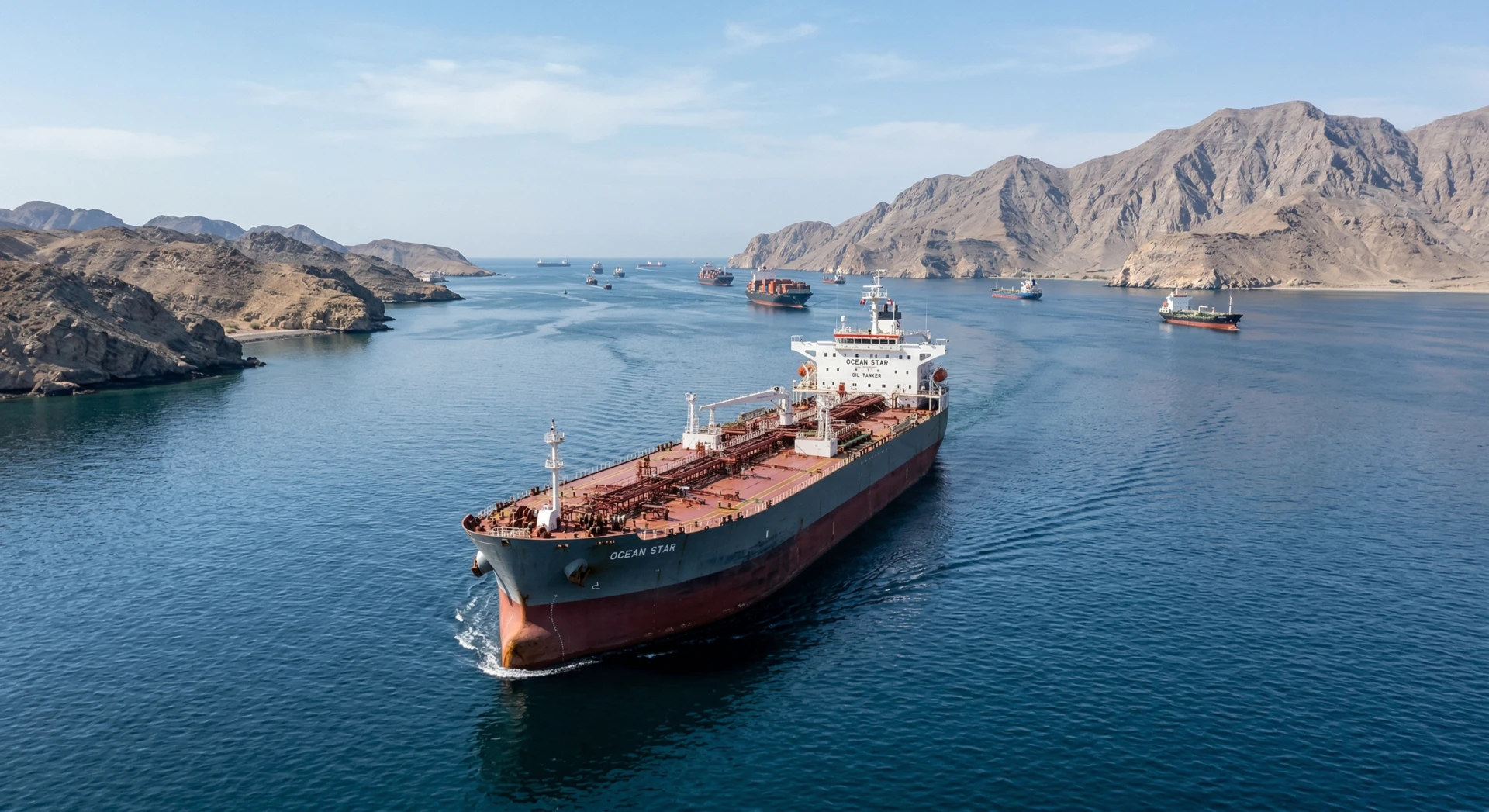
On the buy side: Indian importers in textiles, agriculture, and petrochemicals gain competitive advantages in Omani markets through duty-free access covering 98% of export categories. The CEPA covers 98.08% of Oman's tariff lines, representing 99.38% of India's trade value, with enhanced access to Oman's $28 billion import market. On the sell side: Non-Omani petrochemical suppliers to India face competitive disadvantage as Indian tariff reductions on Omani dates, marbles, and petrochemicals create preferential pricing. For traders and intermediaries: The margin opportunity concentrates in facilitating India-Oman petrochemical flows while Chile negotiations offer positioning opportunities for future lithium and copper access.
For large integrated traders with derivatives access: LME copper's rally to record highs driven by AI infrastructure and energy transition demand provides hedging opportunities through three month copper futures. Large chemical processors can secure forward copper positions while positioning for eventual Chile access through bilateral supply contracts. For smaller regional operators without derivatives access: Direct bilateral contracting with Omani petrochemical producers offers immediate cost advantages, while Chile access requires waiting for FTA completion or seeking third-party mineral trading arrangements. Piyush Goyal indicated Chile FTA talks could conclude soon if India secures favorable critical minerals access, but acknowledged economic scale disparities as ongoing challenges.
For observers: Watch bilateral trade flows between India and Oman, which reached $10.61 billion in FY 2024-25, for early evidence of CEPA impact through increased Omani petrochemical imports to India by Q3 2026. India's exports to Chile declined 2.46% to $1.15 billion while imports grew 72% to $2.60 billion in 2024-25, indicating structural trade imbalances that must be addressed before successful FTA conclusion. Monitor Commerce Ministry announcements on Chile FTA progress and any breakthrough on lithium access terms by September 2026.
.jpg)
.jpg)

'%3e%3cg id='Final-Copy-2_2_' transform='translate(1275.000000, 200.000000)'%3e%3cpath class='st0' d='M7.4,12.8h6.8l3.1-11.6H7.4C4.2,1.2,1.6,3.8,1.6,7S4.2,12.8,7.4,12.8z'/%3e%3c/g%3e%3c/g%3e%3c/g%3e%3cg id='final---dec.11-2020'%3e%3cg id='_x30_208-our-toggle' transform='translate(-1275.000000, -200.000000)'%3e%3cg id='Final-Copy-2' transform='translate(1275.000000, 200.000000)'%3e%3cpath class='st1' d='M22.6,0H7.4c-3.9,0-7,3.1-7,7s3.1,7,7,7h15.2c3.9,0,7-3.1,7-7S26.4,0,22.6,0z M1.6,7c0-3.2,2.6-5.8,5.8-5.8 h9.9l-3.1,11.6H7.4C4.2,12.8,1.6,10.2,1.6,7z'/%3e%3cpath id='x' class='st2' d='M24.6,4c0.2,0.2,0.2,0.6,0,0.8l0,0L22.5,7l2.2,2.2c0.2,0.2,0.2,0.6,0,0.8c-0.2,0.2-0.6,0.2-0.8,0 l0,0l-2.2-2.2L19.5,10c-0.2,0.2-0.6,0.2-0.8,0c-0.2-0.2-0.2-0.6,0-0.8l0,0L20.8,7l-2.2-2.2c-0.2-0.2-0.2-0.6,0-0.8 c0.2-0.2,0.6-0.2,0.8,0l0,0l2.2,2.2L23.8,4C24,3.8,24.4,3.8,24.6,4z'/%3e%3cpath id='y' class='st3' d='M12.7,4.1c0.2,0.2,0.3,0.6,0.1,0.8l0,0L8.6,9.8C8.5,9.9,8.4,10,8.3,10c-0.2,0.1-0.5,0.1-0.7-0.1l0,0 L5.4,7.7c-0.2-0.2-0.2-0.6,0-0.8c0.2-0.2,0.6-0.2,0.8,0l0,0L8,8.6l3.8-4.5C12,3.9,12.4,3.9,12.7,4.1z'/%3e%3c/g%3e%3c/g%3e%3c/g%3e%3c/g%3e%3c/svg%3e) Privacy Choices
Privacy Choices