.avif)
.avif)
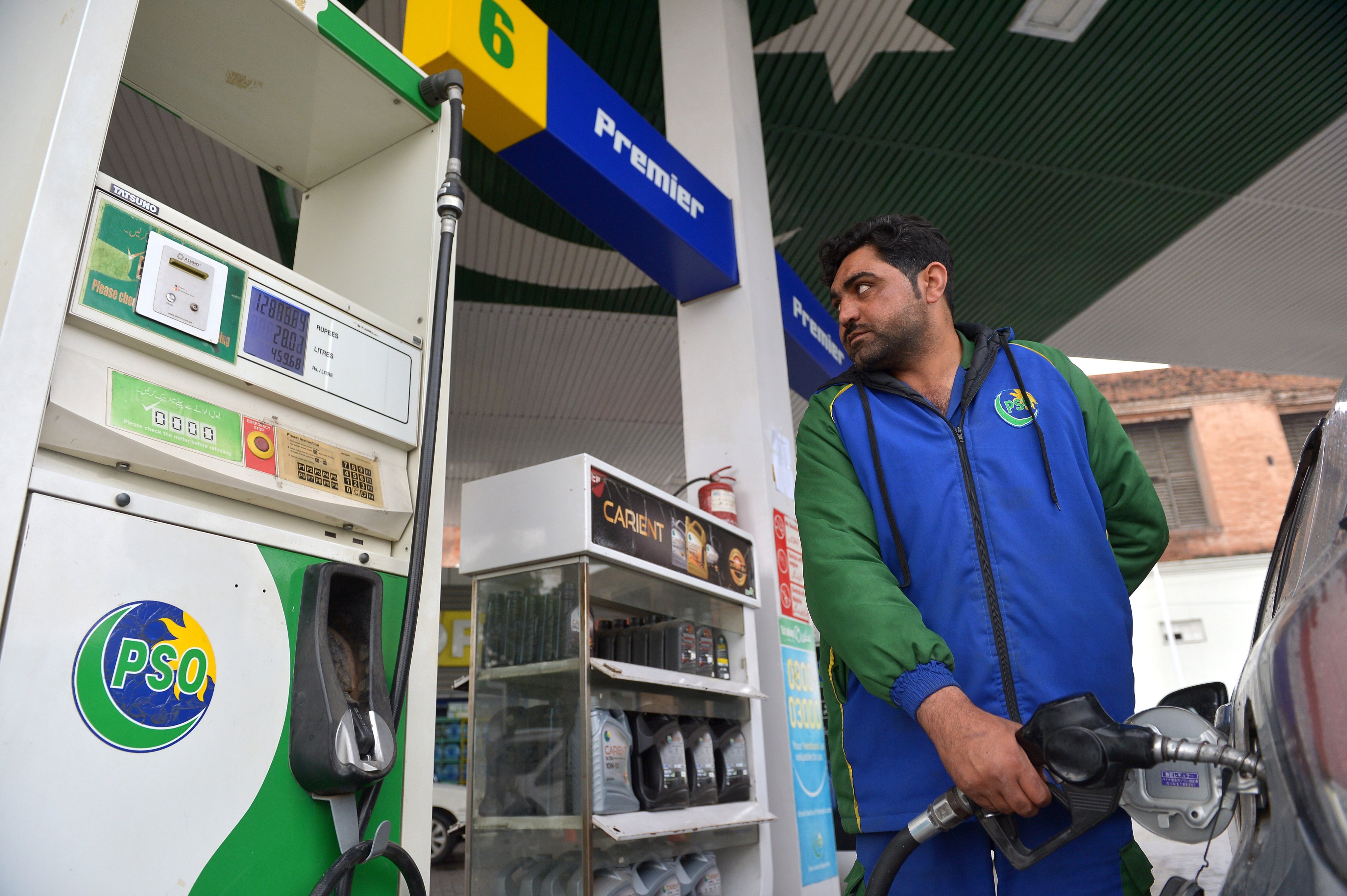
Indian equity markets opened lower Tuesday with the BSE Sensex falling 361 points to 76,907 and the NSE Nifty dropping 134 points to 23,980, but the real story is unfolding in crude import economics. The rupee closed at a record low of 95.29 per dollar while Brent crude surged near $114 before retreating to $111, creating a crushing double impact for India's crude importers. For every sustained $10/barrel increase in oil prices, India's annual import bill rises by approximately $15-17 billion but currency weakness amplifies this by an additional 15-20%. The UAE accused Iran of attacking with missiles and drones Monday, setting an oil refinery ablaze in Fujairah and wounding three Indian nationals, signaling escalation beyond financial markets into physical energy infrastructure.
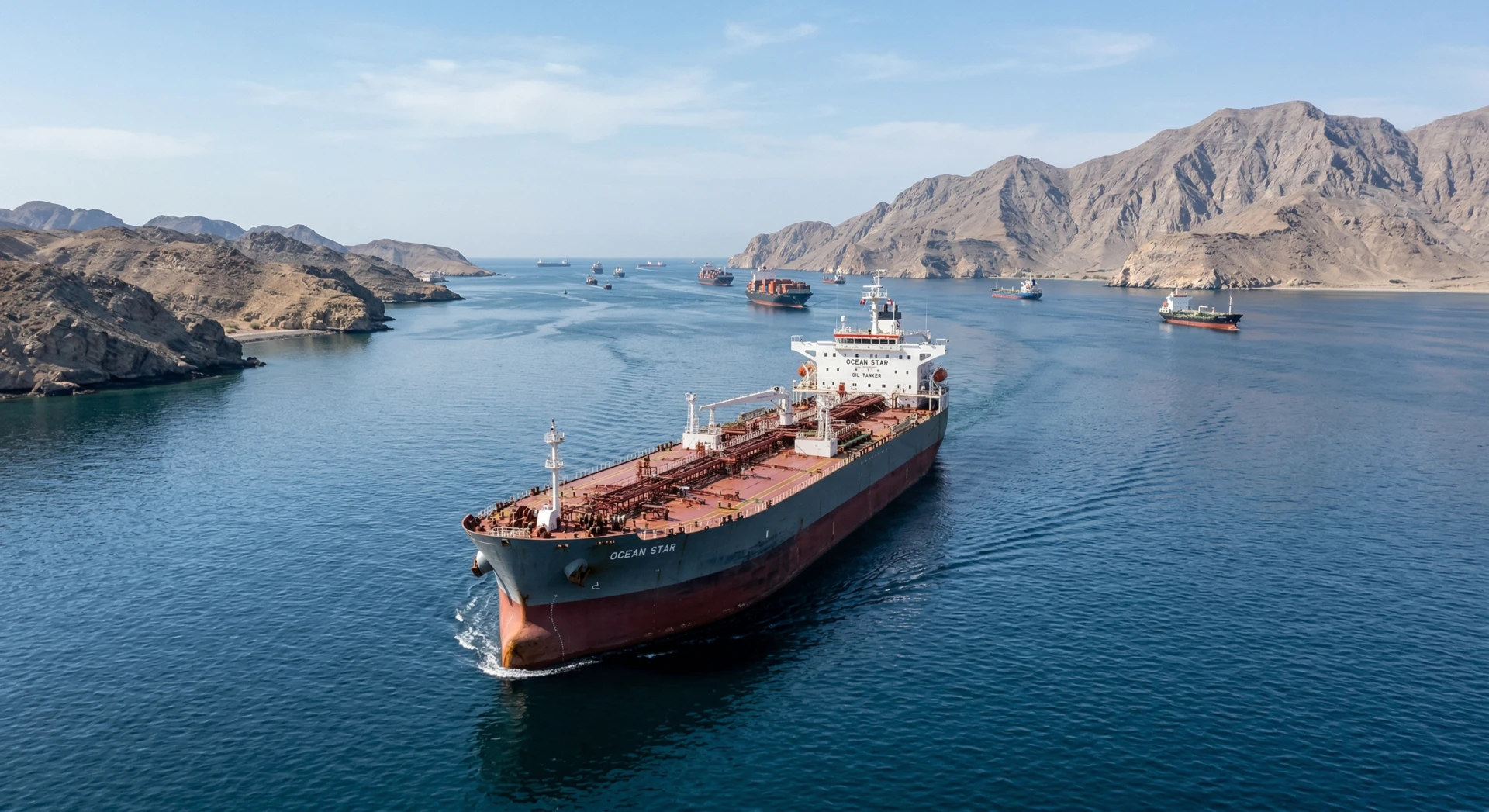
Brent crude futures slipped below $112 per barrel Tuesday after a 4.4% gain Monday, as the US and Iran exchanged fire in the Strait of Hormuz. The Strait of Hormuz a 33 kilometer chokepoint through which roughly 20% of globally traded oil flows daily has become the epicenter of supply risk. UAE Defense Ministry confirmed its air defenses engaged 15 missiles and four drones fired by Iran, with authorities in Fujairah reporting one drone sparked a fire at a key oil facility. This represents the first direct attack on UAE energy infrastructure since the April 8 ceasefire, marking a significant escalation that threatens the fragile truce and global energy flows.
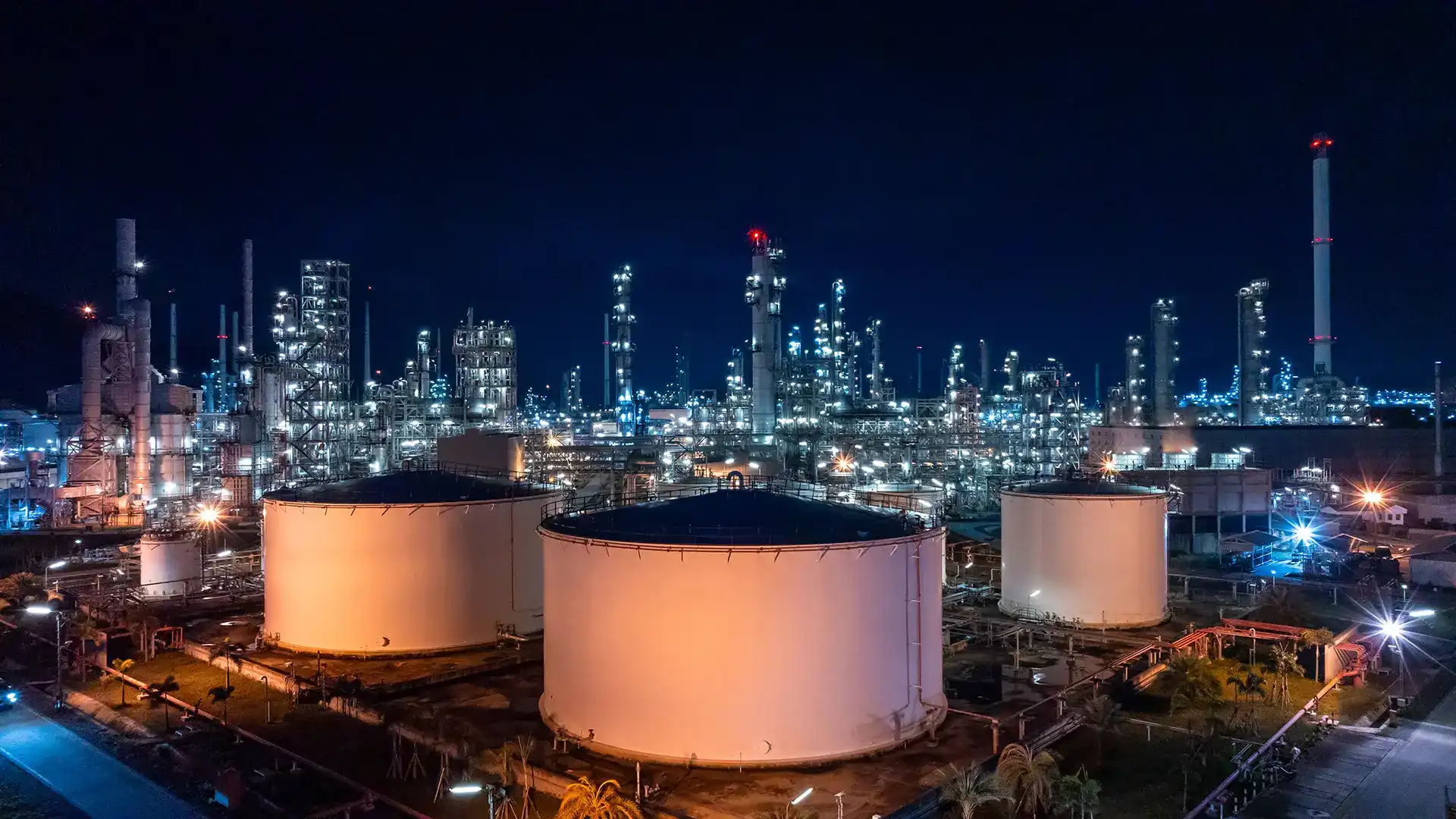
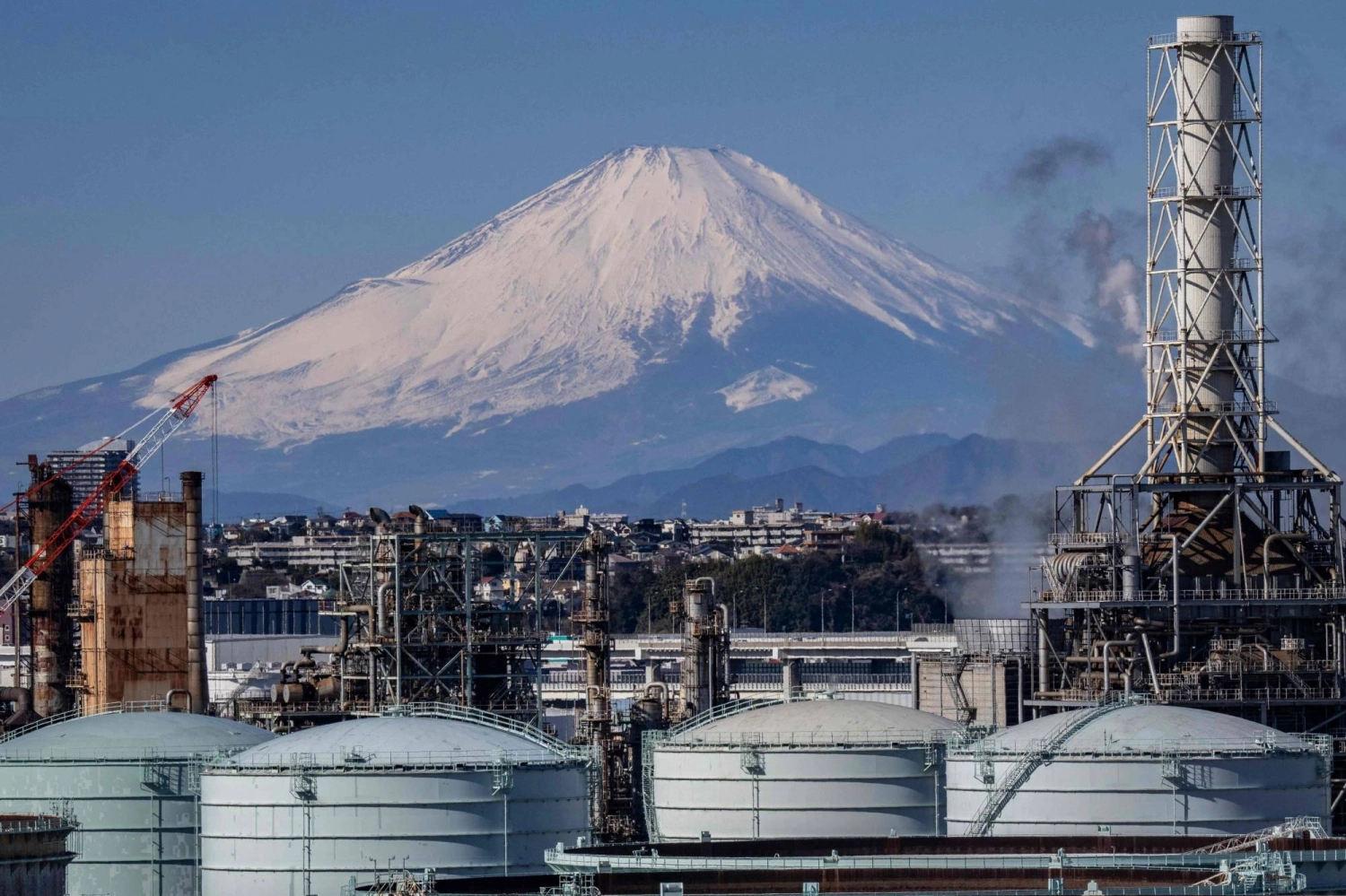
Asian stocks sank Tuesday with fresh Middle East tensions fanning fears over the fragile US-Iran ceasefire, while oil prices held most of Monday's huge gains despite falling. For Indian refiners, the arithmetic is brutal. Consider Indian Oil Corporation (IOC), India's largest refiner, which processes approximately 1.4 million barrels per day. At current exchange rates, every $1/barrel increase in Brent crude costs IOC an additional ₹117 million annually in rupee terms before factoring currency depreciation. With Brent jumping from $108 to $114 in 48 hours while the rupee weakened by 30 paise, IOC's annual crude bill increased by roughly ₹900 million from price alone, plus another ₹135 million from currency impact.
The margin anatomy reveals where the damage concentrates. The rupee's fall is expected to widen the current account deficit and keep pressure on external balances, with the currency's fresh all-time low a direct reflection of unrelenting pressure from West Asia. Indian refiners typically hedge 60-80% of their crude purchases three months forward, but currency hedging is less common among smaller players. Large integrated operators like Reliance Industries have derivatives access to hedge both commodity price and currency exposure through futures contracts and cross-currency swaps. But mid-sized importers regional fuel distributors, independent refineries, petrochemical feedstock buyers face the full brunt of both price and currency volatility without sophisticated hedging tools.
Freight costs add another layer of complexity. VLCCs (Very Large Crude Carriers supertankers carrying 2 million barrels) earn approximately $35,000-45,000 per day on the key Middle East to India route under normal conditions. Trump outlined plans to restore transit through the strait and assist stranded vessels, though shipowners remain cautious amid security risks, with the latest flare-up suggesting the route may stay restricted without a US-Iran agreement. War risk insurance premiums have spiked from 0.05% to 0.25% of cargo value, adding $500,000-625,000 per 2 million barrel shipment. This insurance cost passed directly to the cargo buyer adds roughly $0.25-0.31 per barrel to delivered crude costs, or ₹21-26 per barrel at current exchange rates.
On the buy side, Indian crude importers face an unprecedented margin squeeze. Foreign institutional investors sold Indian stocks worth ₹2.28 trillion in the first four months of 2026, with FII ownership hitting a 14 year low of 16.13%, reflecting broader concerns about India's external vulnerabilities. State-owned enterprises like IOC, Bharat Petroleum, and Hindustan Petroleum must absorb higher crude costs while maintaining regulated fuel pricing compressed margins that ultimately require government subsidy support or retail price increases. Private sector buyers, including Reliance's refining arm and Nayara Energy, have more pricing flexibility but face pressure from petrochemical feedstock buyers downstream.
On the sell side, Middle Eastern crude suppliers are capturing windfall margins. Iraq, an OPEC producer, is reportedly offering term buyers steep discounts for crude loaded this month, though tankers must be willing to transit the Strait of Hormuz to collect the barrels. Saudi Arabia's Arab Light and Iraq's Basra Light typically trade at $2-4/barrel discounts to Brent, but the geopolitical premium now adds $8-12/barrel to effective pricing. For suppliers, the calculation is straightforward: accept slightly lower posted prices but capture significantly higher delivered margins due to transportation premiums, or redirect cargoes to less risky Atlantic Basin buyers at full pricing.
Traders and intermediaries are repositioning rapidly. Global oil inventories are not yet at critically low levels, but easily accessible buffers of refined products are being depleted rapidly, particularly petrochemical feedstocks like naphtha and LPG, plus jet fuel. Trading houses with storage capacity in Singapore, UAE, and India are building inventory ahead of potential supply disruptions. The contango structure where forward prices exceed spot prices has flattened, with the Brent six-month spread compressing from $3/barrel to $0.50/barrel, indicating market expectations of sustained tightness.
Goldman Sachs analysts point to higher risks of product scarcity in South Africa, India, Thailand, and Taiwan, highlighting India's particular vulnerability given import dependence of 85% for crude oil needs. For observers monitoring this crisis, track the India VIX volatility index currently elevated above 19 and the 10 year India government bond yield, which reflects inflation expectations. The key inflection point arrives Friday when the current situation will be reassessed on May 8, 2026, potentially determining whether the fragile ceasefire holds or collapses entirely.
.jpg)
.jpg)

'%3e%3cg id='Final-Copy-2_2_' transform='translate(1275.000000, 200.000000)'%3e%3cpath class='st0' d='M7.4,12.8h6.8l3.1-11.6H7.4C4.2,1.2,1.6,3.8,1.6,7S4.2,12.8,7.4,12.8z'/%3e%3c/g%3e%3c/g%3e%3c/g%3e%3cg id='final---dec.11-2020'%3e%3cg id='_x30_208-our-toggle' transform='translate(-1275.000000, -200.000000)'%3e%3cg id='Final-Copy-2' transform='translate(1275.000000, 200.000000)'%3e%3cpath class='st1' d='M22.6,0H7.4c-3.9,0-7,3.1-7,7s3.1,7,7,7h15.2c3.9,0,7-3.1,7-7S26.4,0,22.6,0z M1.6,7c0-3.2,2.6-5.8,5.8-5.8 h9.9l-3.1,11.6H7.4C4.2,12.8,1.6,10.2,1.6,7z'/%3e%3cpath id='x' class='st2' d='M24.6,4c0.2,0.2,0.2,0.6,0,0.8l0,0L22.5,7l2.2,2.2c0.2,0.2,0.2,0.6,0,0.8c-0.2,0.2-0.6,0.2-0.8,0 l0,0l-2.2-2.2L19.5,10c-0.2,0.2-0.6,0.2-0.8,0c-0.2-0.2-0.2-0.6,0-0.8l0,0L20.8,7l-2.2-2.2c-0.2-0.2-0.2-0.6,0-0.8 c0.2-0.2,0.6-0.2,0.8,0l0,0l2.2,2.2L23.8,4C24,3.8,24.4,3.8,24.6,4z'/%3e%3cpath id='y' class='st3' d='M12.7,4.1c0.2,0.2,0.3,0.6,0.1,0.8l0,0L8.6,9.8C8.5,9.9,8.4,10,8.3,10c-0.2,0.1-0.5,0.1-0.7-0.1l0,0 L5.4,7.7c-0.2-0.2-0.2-0.6,0-0.8c0.2-0.2,0.6-0.2,0.8,0l0,0L8,8.6l3.8-4.5C12,3.9,12.4,3.9,12.7,4.1z'/%3e%3c/g%3e%3c/g%3e%3c/g%3e%3c/g%3e%3c/svg%3e) Privacy Choices
Privacy Choices