.avif)
Grain ethanol producers across India face a capacity utilization crisis that could strand ₹50,000 crore in assets, even as the government's nationwide E20 mandate — requiring 20% ethanol blending in petrol — creates annual demand for 1,300-1,400 crore liters starting April 1. The Grains Ethanol Manufacturers Association (GEMA) reports plants built in recent years are operating at only 40-50% capacity despite total installed capacity of 2,000 crore liters. This utilization gap reveals a fundamental disconnect between policy mandates and commercial reality. For a mid-sized ethanol plant with 50 crore liter annual capacity, operating at 40% utilization means producing only 20 crore liters — leaving 30 crore liters of expensive distillation equipment idle. The mathematics are stark: if the mandated demand exists, why aren't plants running at full capacity?
The answer lies in the procurement economics between ethanol producers and oil marketing companies (OMCs) — the state-controlled buyers who must blend the ethanol into petrol. OMCs will procure roughly 1,200-1,250 crore liters of the total 1,300-1,400 crore liter requirement, making them the dominant buyers in this market. However, government-set procurement prices may not cover full production costs for many plants, particularly those using grain feedstock rather than cheaper sugarcane molasses. A typical grain ethanol plant requires roughly 3.2-3.5 kg of grain per liter of ethanol produced. At current grain prices of ₹25-30 per kg, raw material costs alone approach ₹80-105 per liter before processing, utilities, and distribution. If OMC procurement prices are capped below ₹110-120 per liter, margins disappear entirely.
On the buy side, OMCs face their own pressures. They are mandated to blend 20% ethanol but must absorb any cost differential between ethanol and the petrol it replaces. Ethanol contains roughly 30% less energy per liter than petrol, meaning consumers require more fuel for the same distance — a hidden cost that OMCs cannot fully pass through to retail prices without political backlash. Indian Oil Corporation, Bharat Petroleum, and Hindustan Petroleum — the three major OMCs — must balance mandate compliance against margin preservation. They have natural incentives to procure the cheapest available ethanol, which typically means molasses-based rather than grain-based production.
On the sell side, grain ethanol producers face a brutal squeeze. Unlike sugar mills that produce molasses-based ethanol as a byproduct, grain ethanol plants are single-purpose facilities with high fixed costs and no alternative revenue streams. A 100 crore liter grain ethanol plant represents roughly ₹400-500 crore in capital investment. Operating at 40% capacity means spreading those fixed costs across 40 crore liters instead of 100 crore liters — inflating per-liter fixed costs by 150%. GEMA President CK Jain's warning of ₹50,000 crore in potential non-performing assets reflects this reality: plants that cannot achieve minimum viable utilization rates will default on their project financing.
For large integrated agribusiness companies — those with grain procurement networks, storage facilities, and direct OMC relationships — the E20 mandate creates opportunities to consolidate market share. Companies like Praj Industries, with established ethanol technology platforms, can optimize across the full value chain from grain sourcing to final delivery. They can negotiate better grain prices through volume purchasing, achieve higher plant utilization through operational excellence, and secure premium contracts with OMCs through reliable supply and quality consistency. These operators can potentially push utilization rates above 70-80%, making the economics work even at constrained procurement prices.
For smaller regional grain ethanol producers — typically single-plant operations with 25-75 crore liter capacity — the situation is more precarious. Without scale economies in grain procurement or bargaining power with OMCs, they face higher input costs and lower realization prices. Many of these plants were built during the initial ethanol policy push 3-4 years ago when subsidies were more generous and procurement prices more attractive. Their survival depends on either achieving dramatic operational improvements or finding niche markets. Some are exploring direct sales to fuel retailers or industrial ethanol users, but these markets are much smaller than the OMC blending requirement.
The physical supply chain reveals additional complications. Ethanol is hygroscopic — it absorbs water from air — making storage and transportation more complex than for petroleum products. Most grain ethanol plants are located near agricultural regions, often 200-500 kilometers from major refinery blending terminals. Transportation by road tanker adds ₹3-5 per liter, while rail transport requires specialized tank cars and adds 7-10 days to delivery schedules. Plants that cannot achieve efficient logistics to OMC terminals face additional margin pressure. The government's preference for grain ethanol over imported sugarcane ethanol adds another layer: domestic grain ethanol must compete not just with molasses-based production but potentially with cheaper imported alternatives if trade policies shift.
GEMA's claim that blending could increase to 25-27% with existing capacity sounds optimistic against the utilization reality. Higher blending percentages would require roughly 1,625-1,755 crore liters annually — well within the 2,000 crore liter installed capacity but only if plants can achieve 80-85% utilization rates. This would require either significantly higher OMC procurement prices, more efficient plant operations, or direct government subsidies to cover the gap. The rural economy benefits that GEMA cites — ₹40,000 crore in crude oil import savings with 75% flowing to farmers — depend entirely on domestic plants remaining viable. If grain ethanol capacity shutdowns accelerate, those benefits shift to molasses-based or imported alternatives.
For observers, the key signal is OMC procurement volumes versus installed capacity utilization rates over the next 6-9 months. If mandated demand truly exists at 1,300-1,400 crore liters annually but plant utilization remains below 60%, the problem is pricing, not demand. Watch Food Corporation of India grain disposal rates — if surplus grain availability is genuine as GEMA claims, FCI should be actively releasing stocks to ethanol producers. Monitor individual plant financial results in Q2-Q3 2026: companies reporting sub-50% utilization with negative EBITDA will likely trigger the ₹50,000 crore asset stranding that GEMA warns about. The E20 mandate creates the demand framework, but commercial viability requires OMC procurement prices that allow reasonable plant utilization — without that, India's energy self-reliance goals become a paper exercise built on financially unsustainable foundations.
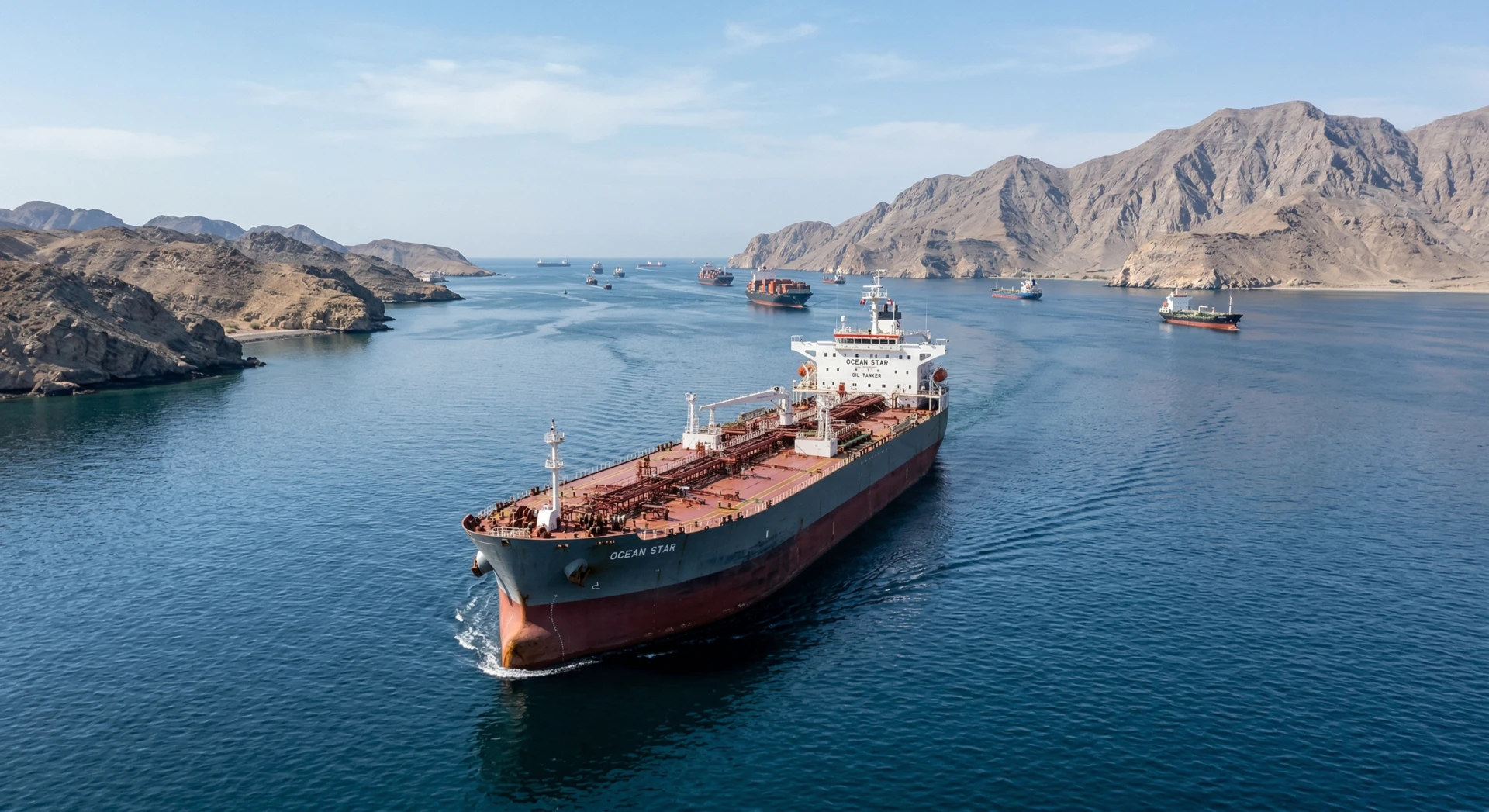
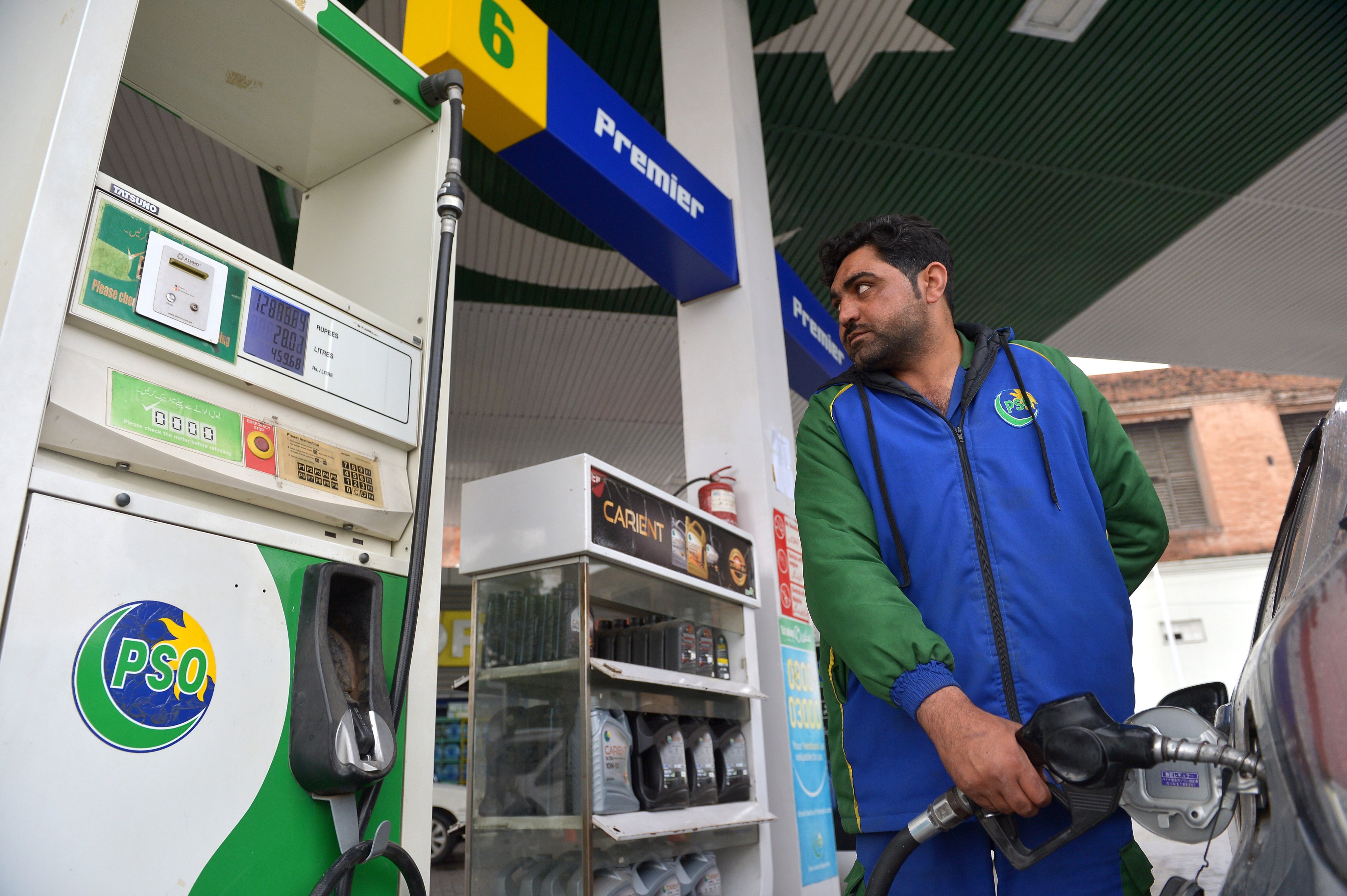
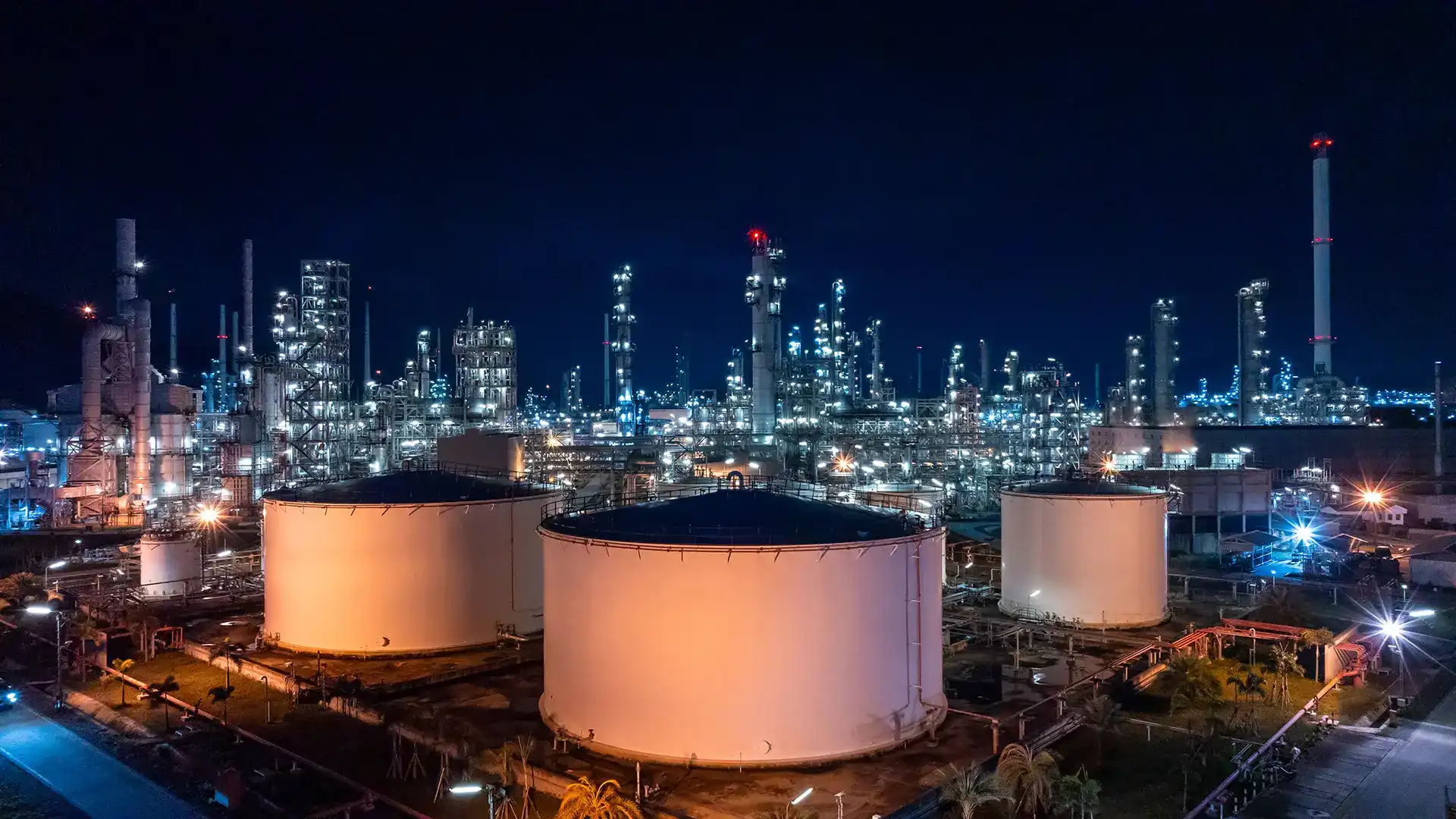
.jpg)
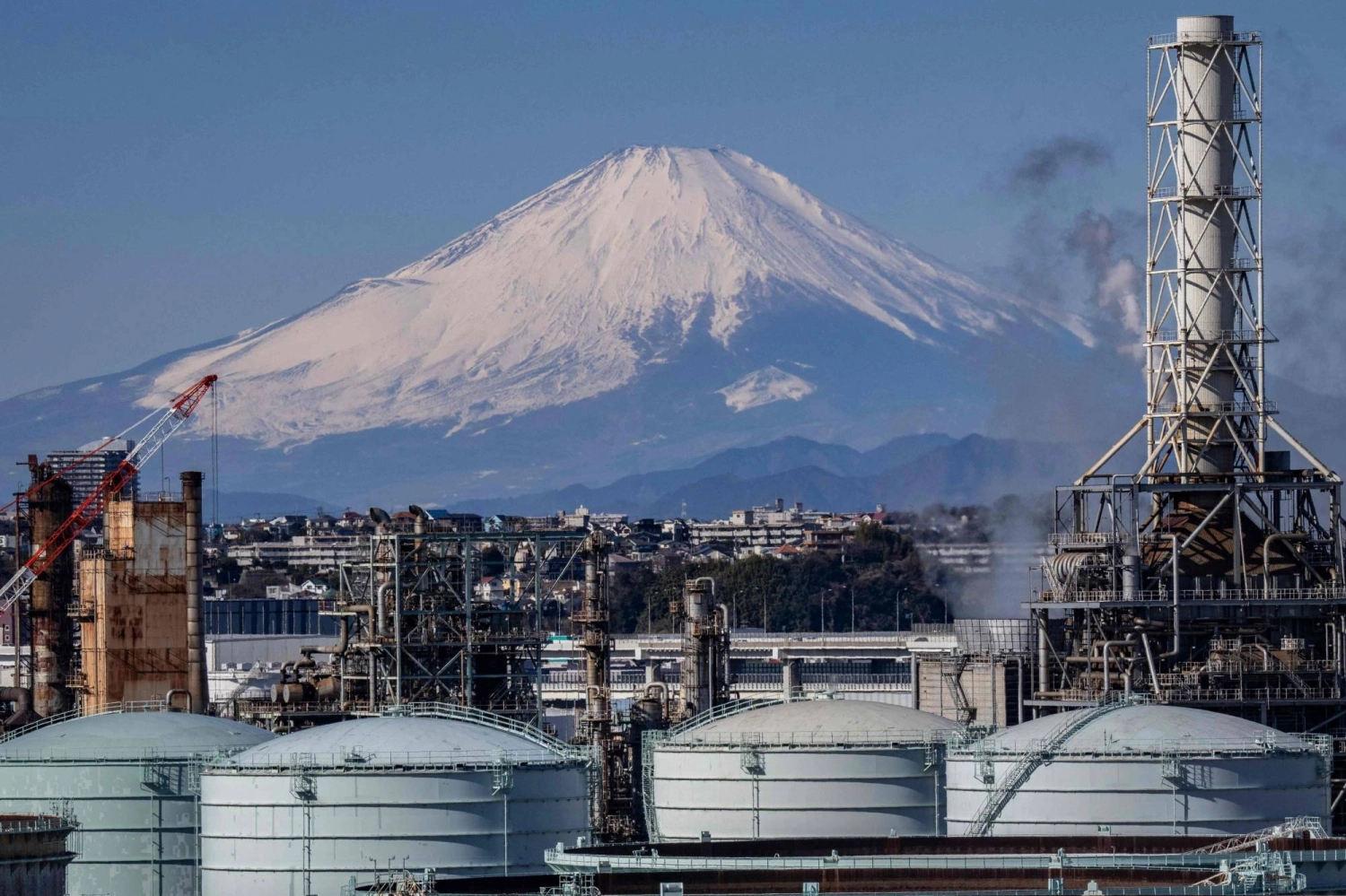

'%3e%3cg id='Final-Copy-2_2_' transform='translate(1275.000000, 200.000000)'%3e%3cpath class='st0' d='M7.4,12.8h6.8l3.1-11.6H7.4C4.2,1.2,1.6,3.8,1.6,7S4.2,12.8,7.4,12.8z'/%3e%3c/g%3e%3c/g%3e%3c/g%3e%3cg id='final---dec.11-2020'%3e%3cg id='_x30_208-our-toggle' transform='translate(-1275.000000, -200.000000)'%3e%3cg id='Final-Copy-2' transform='translate(1275.000000, 200.000000)'%3e%3cpath class='st1' d='M22.6,0H7.4c-3.9,0-7,3.1-7,7s3.1,7,7,7h15.2c3.9,0,7-3.1,7-7S26.4,0,22.6,0z M1.6,7c0-3.2,2.6-5.8,5.8-5.8 h9.9l-3.1,11.6H7.4C4.2,12.8,1.6,10.2,1.6,7z'/%3e%3cpath id='x' class='st2' d='M24.6,4c0.2,0.2,0.2,0.6,0,0.8l0,0L22.5,7l2.2,2.2c0.2,0.2,0.2,0.6,0,0.8c-0.2,0.2-0.6,0.2-0.8,0 l0,0l-2.2-2.2L19.5,10c-0.2,0.2-0.6,0.2-0.8,0c-0.2-0.2-0.2-0.6,0-0.8l0,0L20.8,7l-2.2-2.2c-0.2-0.2-0.2-0.6,0-0.8 c0.2-0.2,0.6-0.2,0.8,0l0,0l2.2,2.2L23.8,4C24,3.8,24.4,3.8,24.6,4z'/%3e%3cpath id='y' class='st3' d='M12.7,4.1c0.2,0.2,0.3,0.6,0.1,0.8l0,0L8.6,9.8C8.5,9.9,8.4,10,8.3,10c-0.2,0.1-0.5,0.1-0.7-0.1l0,0 L5.4,7.7c-0.2-0.2-0.2-0.6,0-0.8c0.2-0.2,0.6-0.2,0.8,0l0,0L8,8.6l3.8-4.5C12,3.9,12.4,3.9,12.7,4.1z'/%3e%3c/g%3e%3c/g%3e%3c/g%3e%3c/g%3e%3c/svg%3e) Privacy Choices
Privacy Choices