.avif)
%20(1).jpg)
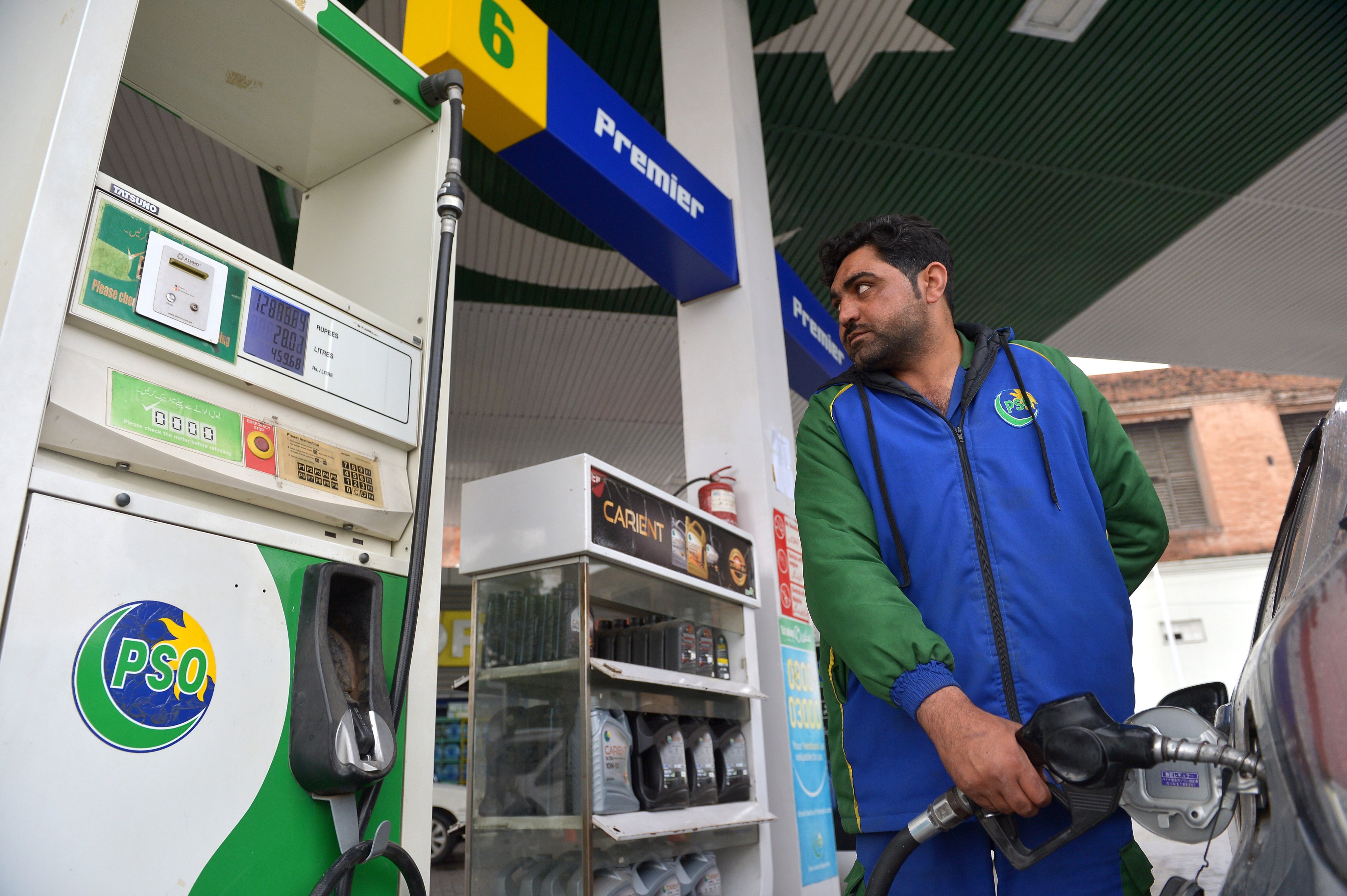
Chinese Food Exporters face margin erosion after Han Geng Trade permanently shuttered its Gwadar facility effective May 1, 2026, writing off approximately $2.5 million in accumulated losses including three months of employee wages, contractual penalties, electricity bills, and container demurrage charges. The company cited "ongoing non-market factors and operational barriers" and cleared all outstanding obligations before closure. China exported $20.23 billion to Pakistan in 2024, making this exit a critical test case for the $62 billion CPEC framework's operational effectiveness.
Despite meeting international Hazard Analysis & Critical Control Point (HACCP) requirements the global standard for food safety management that covers everything from raw material sourcing to finished product delivery and China Customs inspection standards, the firm failed to secure practical export approvals. HACCP compliance alone typically costs food processors $150,000-$300,000 annually in documentation, training, and third-party auditing. For a mid-sized operation processing 500 MT monthly of pharmaceutical intermediates or processed foods, blocked shipments despite technical compliance created sustained losses that Chinese parent companies could not indefinitely absorb.
Federal Planning Minister Ahsan Iqbal convened an emergency meeting after Han Geng Group announced closure, with the company citing "challenges beyond the capacity of any private enterprise" and "administrative uncertainty and hurdles in policy implementation". The timing underscores Pakistan's institutional capacity crisis: operators can navigate CPEC's infrastructure funding mechanisms but struggle with basic export clearance procedures. For Chinese Food Exporters, this represents a $28/MT margin impact equivalent the difference between viable cross-border operations and permanent exit.
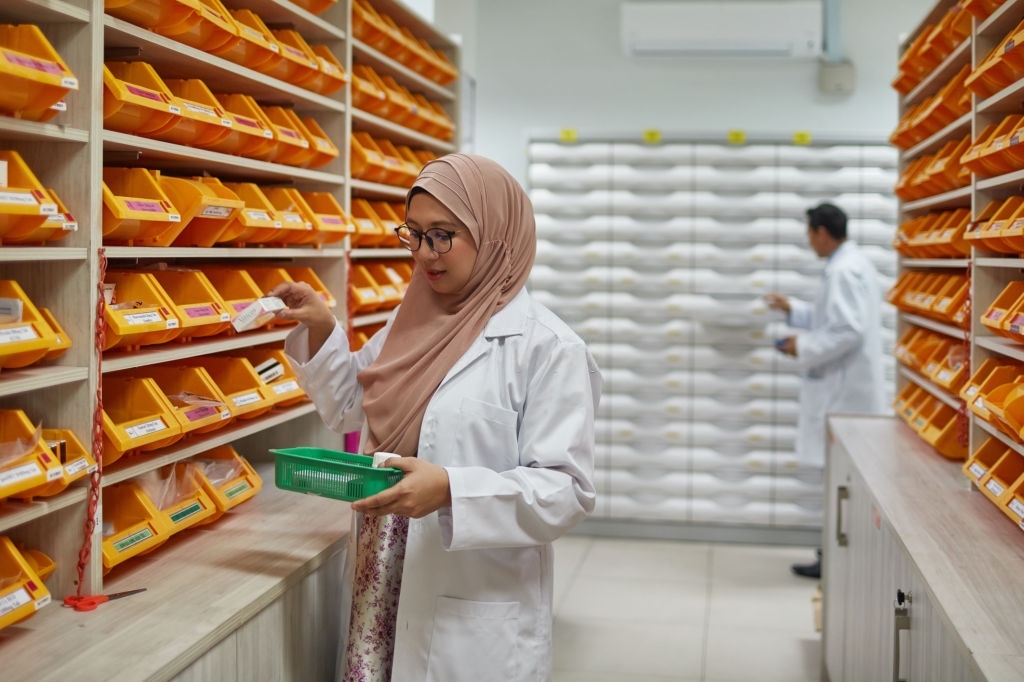
On the buy side: Pakistani pharmaceutical manufacturers sourcing active pharmaceutical ingredients (APIs) from China now face supply concentration risk as Chinese operators reassess Pakistan exposure. Pakistan imported $58.57 million in pharmaceutical products from China in 2023, with the Gwadar route intended to reduce transport costs by 15-20% versus Karachi port. The Han Geng exit forces Pakistani buyers back to traditional import channels where freight rates are $45-60/MT higher and clearance times extend 5-7 days.
On the sell side: Chinese exporters face a binary choice between accepting Pakistan's execution-level uncertainties or redirecting capacity to Southeast Asian markets with clearer regulatory frameworks. China supplies 60% of Pakistan's pharmaceutical raw material imports (905 shipments annually), giving Chinese exporters leverage to demand improved clearance procedures. However, smaller Chinese operators without derivatives hedging capability cannot absorb months of working capital tied up in blocked shipments the core constraint that destroyed Han Geng's business model.
For large integrated traders Sinopharm, China National Pharmaceutical Group, state-owned food processors the response involves bilateral contract restructuring to shift clearance risk to Pakistani counterparties through delivered duty paid (DDP) terms rather than free on board (FOB) terms. This transfers regulatory execution risk but increases per-unit costs by $15-25/MT. The margin compression is manageable for operators with $5+ billion annual turnover and government backing, but eliminates smaller private Chinese traders entirely.
For smaller regional operators independent Chinese pharmaceutical ingredient suppliers, specialized food processors, family-owned exporters the practical equivalent involves shifting to consignment-based arrangements where Pakistani importers take ownership only after clearance confirmation. This protects Chinese working capital but requires trusted Pakistani partners with sufficient credit facilities. Most operators instead redirect capacity to Vietnam, Thailand, or Myanmar where regulatory execution remains predictable despite higher baseline costs.
Trade finance implications concentrate in letter of credit (LC) terms the bank guarantees that facilitate most China-Pakistan commodity trade. The bilateral framework encourages yuan-denominated settlement and cross-border payment systems, but Han Geng's experience demonstrates that technical compliance does not guarantee commercial execution. Chinese banks will now demand Pakistan clearance risk insurance or higher documentary requirements, adding $8-12/MT to financing costs for food and pharmaceutical exports.
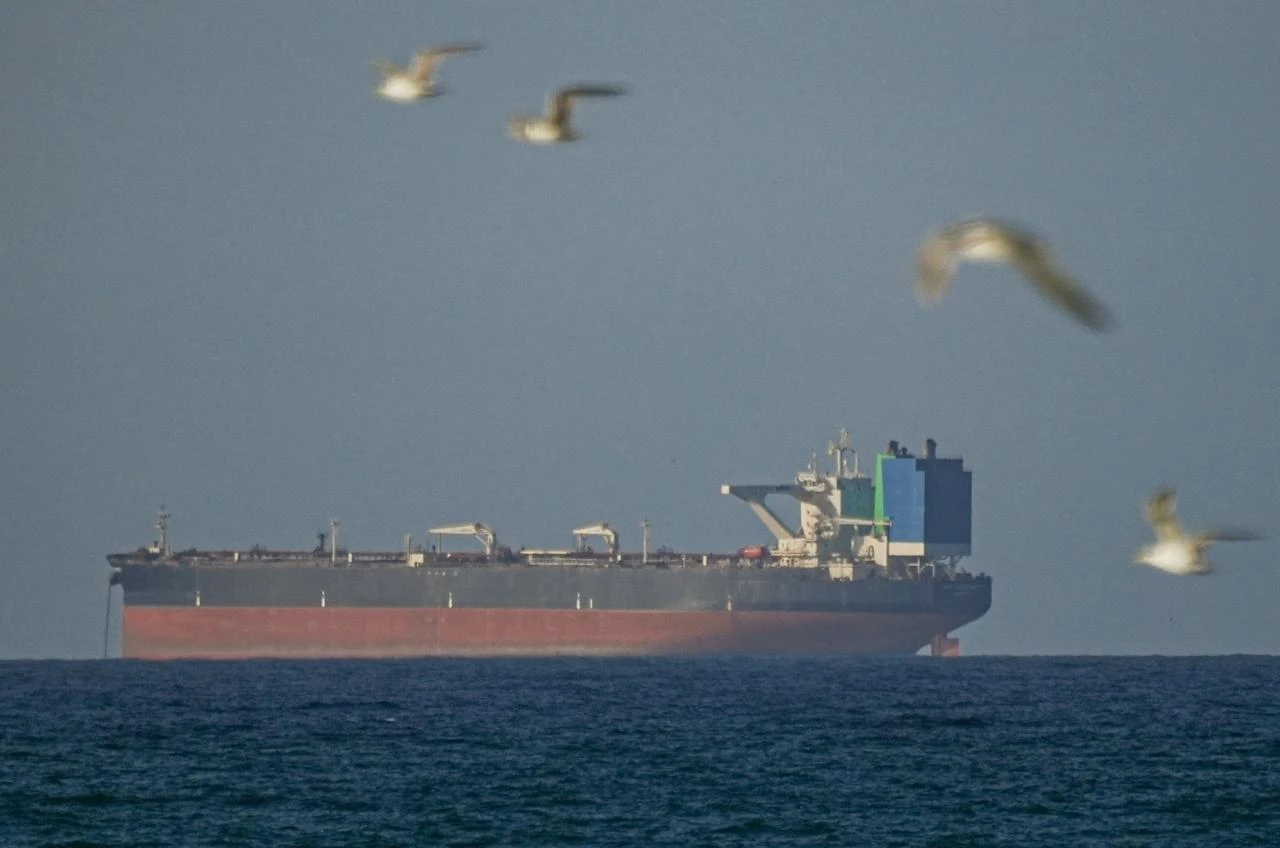
The shutdown occurred ahead of Prime Minister Shehbaz Sharif's China visit later this month for a business to business investment forum, creating political pressure for rapid policy corrections. Gwadar is positioned as a strategic deep-sea port connecting Middle East, Central Asia and Africa via Arabian Sea routes, but the Han Geng exit exposes the gap between infrastructure development and operational governance. Pakistani authorities must resolve export clearance bottlenecks within 60 days or risk broader Chinese private sector withdrawal from CPEC-linked ventures.
For observers: Monitor the Pakistan Customs monthly clearance data for Chinese food and pharmaceutical shipments through Gwadar versus Karachi Port. A 25%+ shift back to Karachi indicates systematic problems with Gwadar's regulatory execution. Additionally, track bilateral yuan-denominated trade settlement volumes reported quarterly by the State Bank of Pakistan declining yuan usage signals Chinese operator confidence erosion regardless of high-level political commitments between Beijing and Islamabad.

.jpg)


'%3e%3cg id='Final-Copy-2_2_' transform='translate(1275.000000, 200.000000)'%3e%3cpath class='st0' d='M7.4,12.8h6.8l3.1-11.6H7.4C4.2,1.2,1.6,3.8,1.6,7S4.2,12.8,7.4,12.8z'/%3e%3c/g%3e%3c/g%3e%3c/g%3e%3cg id='final---dec.11-2020'%3e%3cg id='_x30_208-our-toggle' transform='translate(-1275.000000, -200.000000)'%3e%3cg id='Final-Copy-2' transform='translate(1275.000000, 200.000000)'%3e%3cpath class='st1' d='M22.6,0H7.4c-3.9,0-7,3.1-7,7s3.1,7,7,7h15.2c3.9,0,7-3.1,7-7S26.4,0,22.6,0z M1.6,7c0-3.2,2.6-5.8,5.8-5.8 h9.9l-3.1,11.6H7.4C4.2,12.8,1.6,10.2,1.6,7z'/%3e%3cpath id='x' class='st2' d='M24.6,4c0.2,0.2,0.2,0.6,0,0.8l0,0L22.5,7l2.2,2.2c0.2,0.2,0.2,0.6,0,0.8c-0.2,0.2-0.6,0.2-0.8,0 l0,0l-2.2-2.2L19.5,10c-0.2,0.2-0.6,0.2-0.8,0c-0.2-0.2-0.2-0.6,0-0.8l0,0L20.8,7l-2.2-2.2c-0.2-0.2-0.2-0.6,0-0.8 c0.2-0.2,0.6-0.2,0.8,0l0,0l2.2,2.2L23.8,4C24,3.8,24.4,3.8,24.6,4z'/%3e%3cpath id='y' class='st3' d='M12.7,4.1c0.2,0.2,0.3,0.6,0.1,0.8l0,0L8.6,9.8C8.5,9.9,8.4,10,8.3,10c-0.2,0.1-0.5,0.1-0.7-0.1l0,0 L5.4,7.7c-0.2-0.2-0.2-0.6,0-0.8c0.2-0.2,0.6-0.2,0.8,0l0,0L8,8.6l3.8-4.5C12,3.9,12.4,3.9,12.7,4.1z'/%3e%3c/g%3e%3c/g%3e%3c/g%3e%3c/g%3e%3c/svg%3e) Privacy Choices
Privacy Choices