.avif)
.avif)
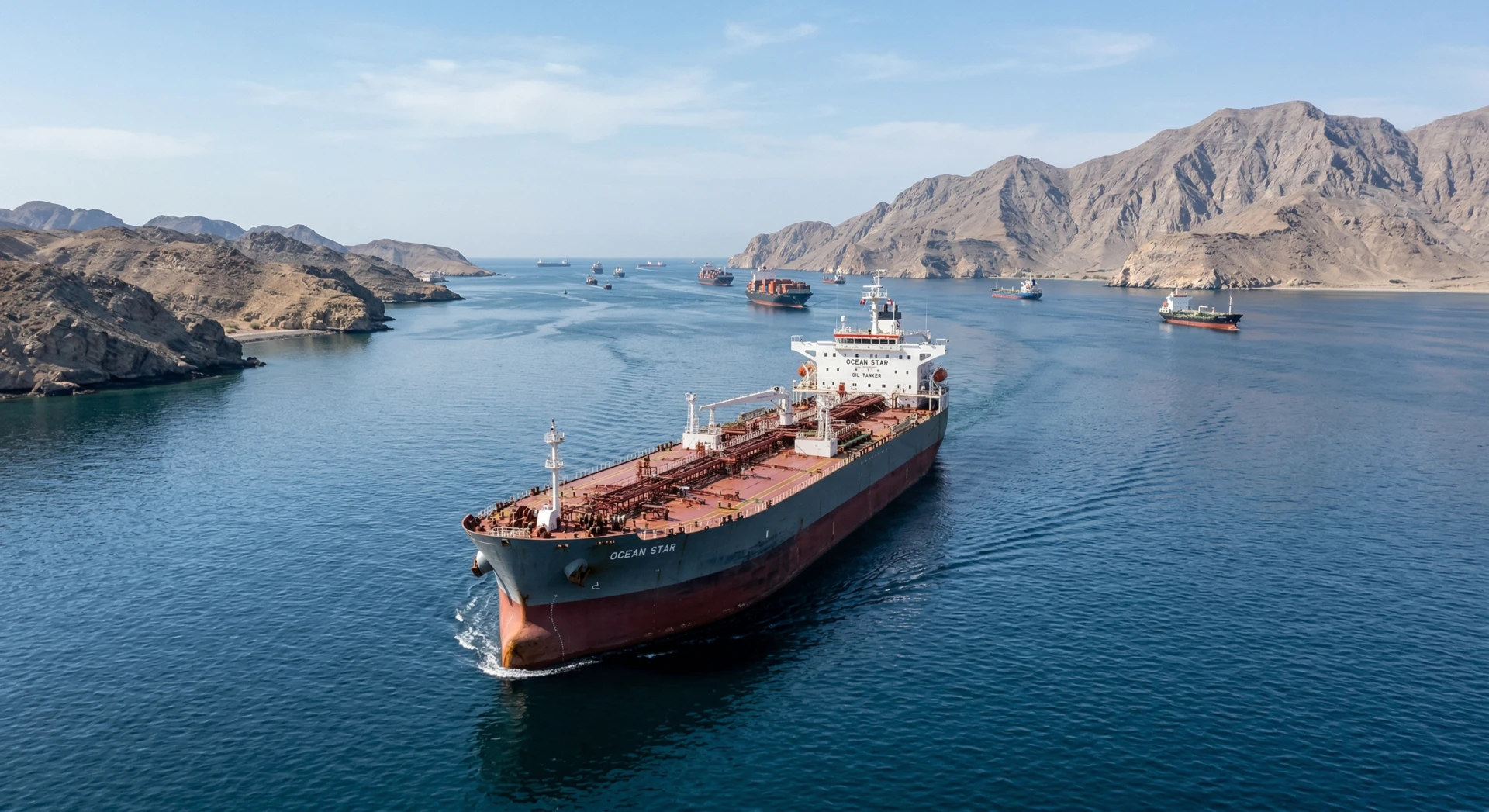
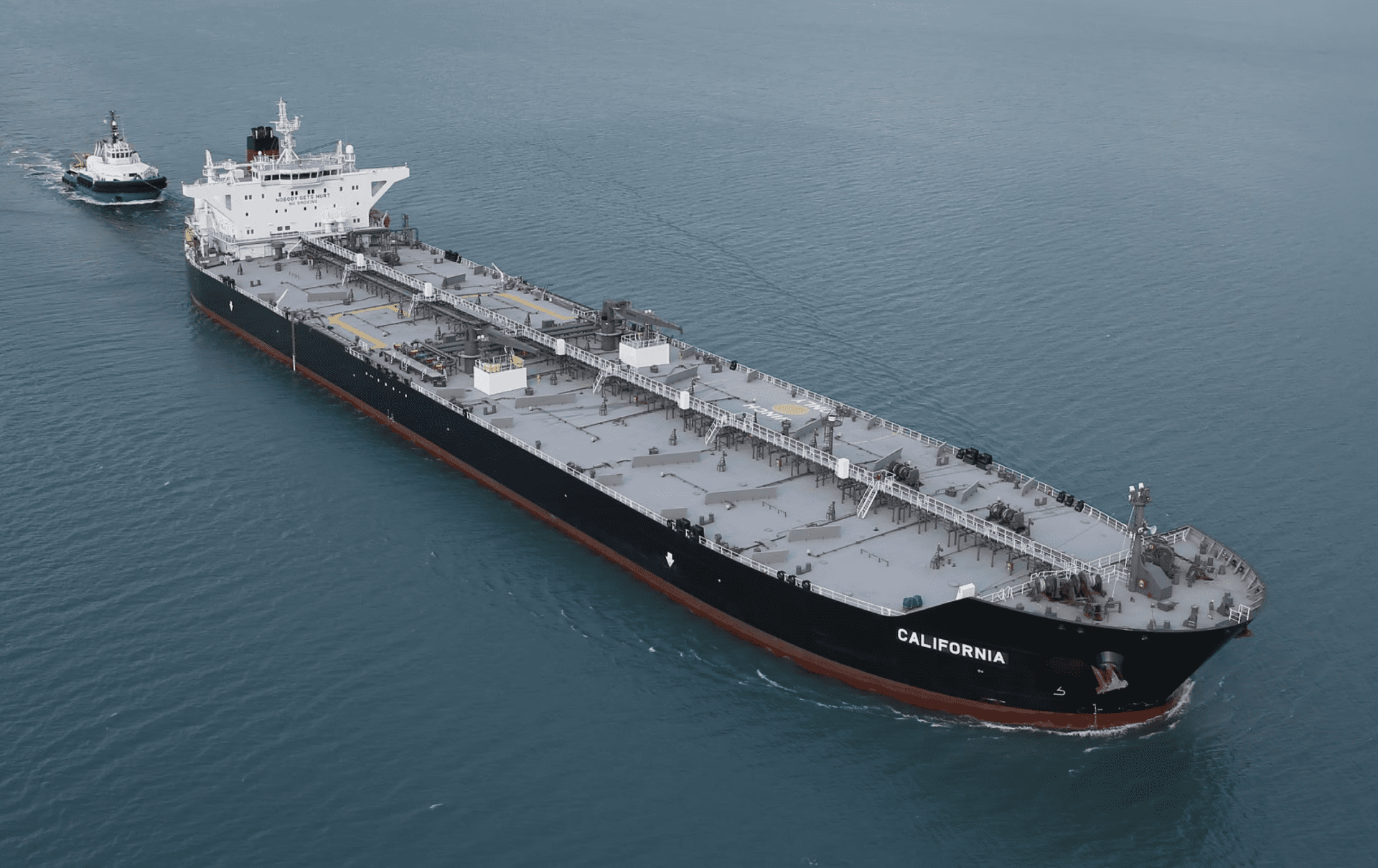
VLCC operators on Middle East-Asia crude routes face an immediate $2-5 million war risk insurance premium surge following escalated tensions around the Strait of Hormuz, with charter margins collapsing within a 48-hour window as geopolitical risk pricing overwhelms freight fundamentals. According to reports, the U.S. and India have prioritized keeping the critical waterway, which handles one-fifth of global crude oil flows open and secure amid Middle East conflict escalation since late February 2026. For a typical 2 million barrel VLCC cargo from Ras Tanura to Paradip, war risk premiums have jumped from the standard $200,000-400,000 to $2.2-5.4 million, representing an additional $1.00-2.70 per barrel cost that operators struggle to pass through to charterers on existing fixtures. The arithmetic is brutal: a VLCC operator earning $25,000/day on a 25 day round voyage ($625,000 total) now faces war risk costs that can exceed total voyage earnings by 350-750%. This premium surge reflects insurers' immediate repricing of Strait transit risk following reported escalation since February 28, when sources indicate Iranian leadership was targeted, triggering retaliation threats that have transformed the waterway's risk profile.
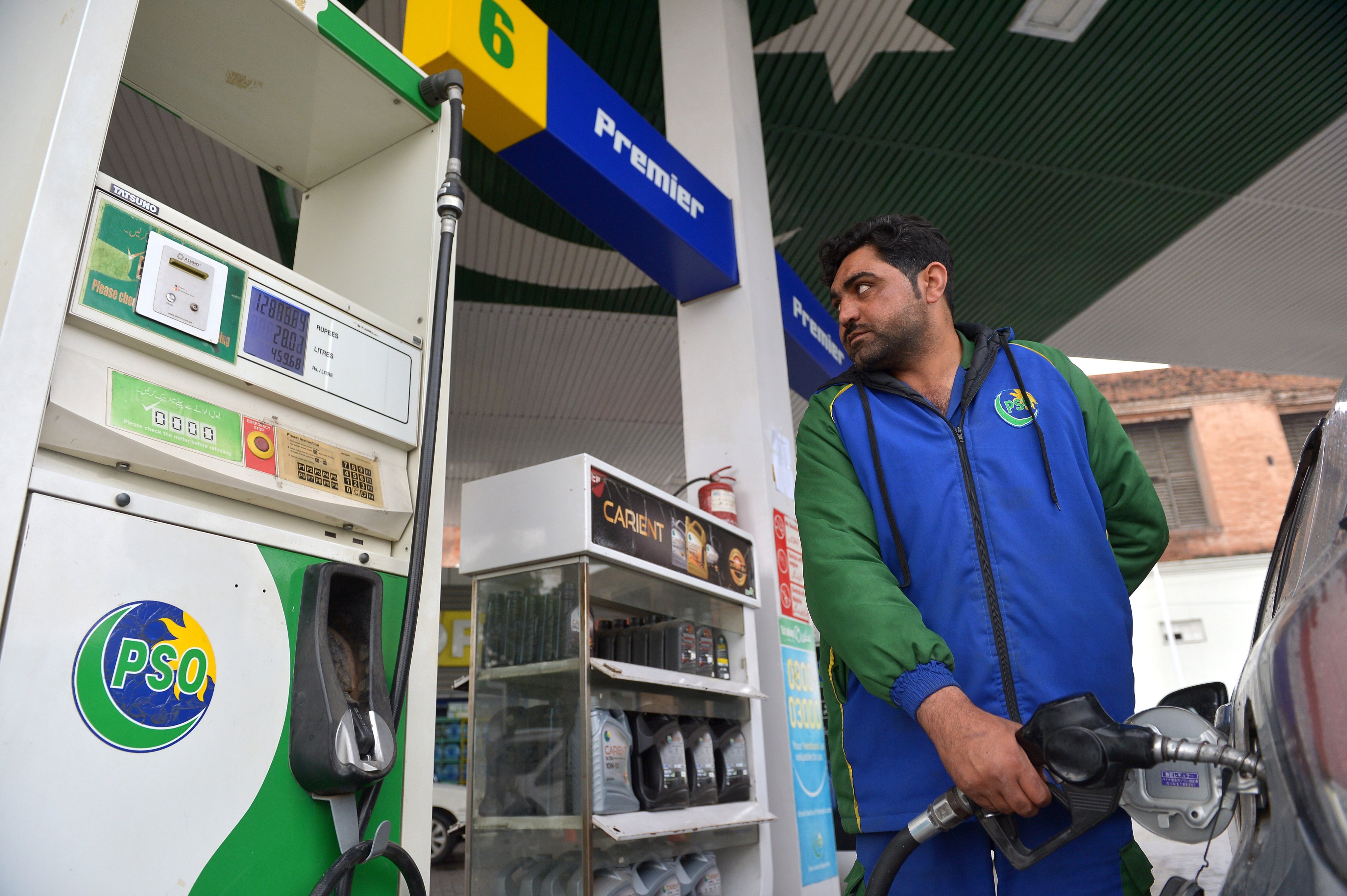
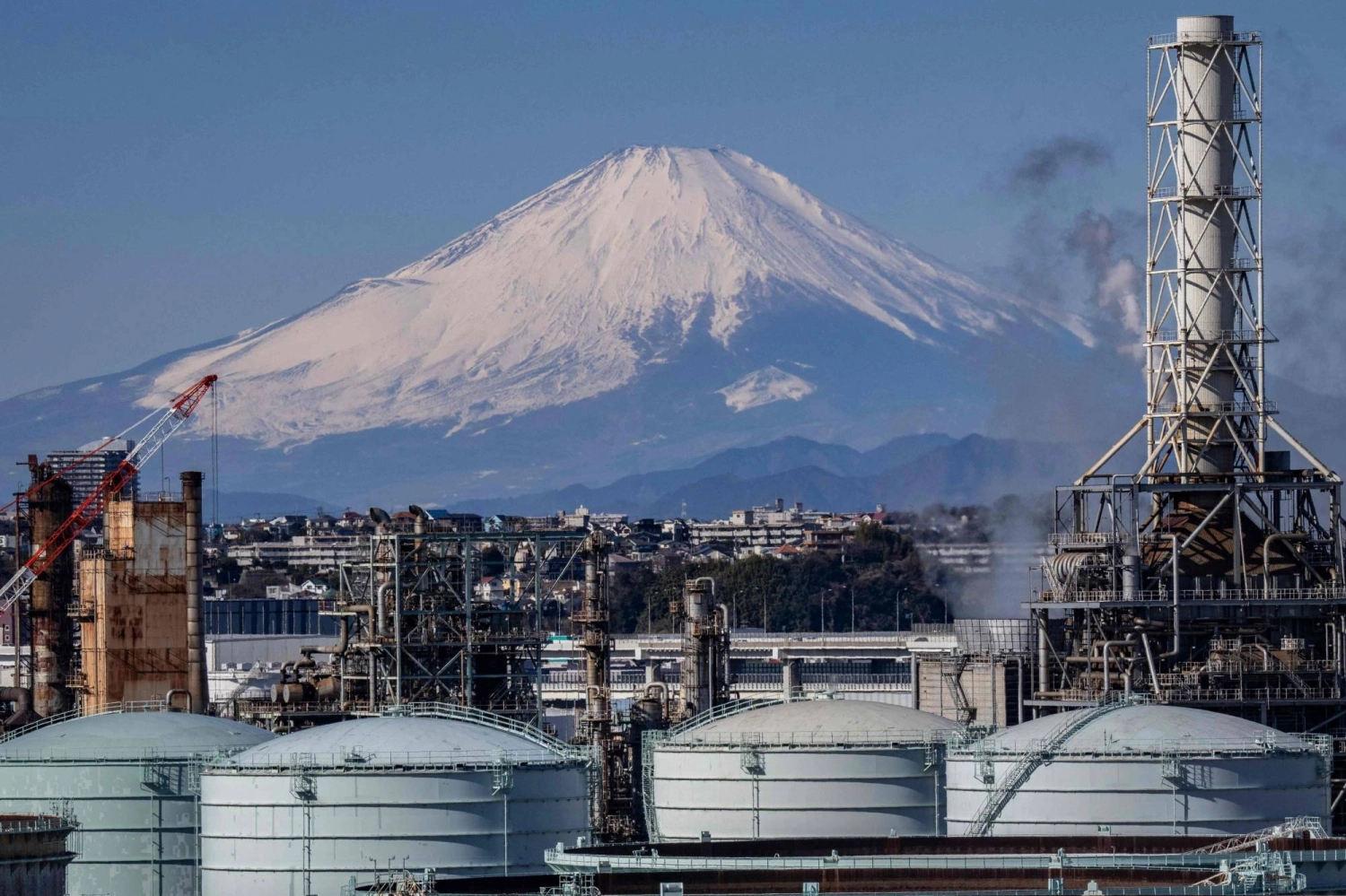
On the buy side, Asian refiners particularly India's integrated oil companies like Indian Oil Corporation and Reliance face compounding cost pressures as Middle East crude carries both geopolitical premiums and elevated shipping costs that fundamentally alter their feedstock economics. A typical Indian refiner processing 200,000 barrels per day of Middle East crude now confronts an additional $200,000-540,000 daily cost structure purely from war risk premiums, before accounting for any crude price premiums that sellers extract during supply uncertainty. For Reliance's Jamnagar complex, which processes ~1.2 million barrels daily with significant Middle East dependency, the war risk component alone could add $1.2-3.2 million to daily operating costs. On the sell side, Persian Gulf crude exporters Saudi Aramco, ADNOC, and Iraq's SOMO face a strategic dilemma: absorb shipping cost increases to maintain market share, or pass costs through and risk losing volume to non-Middle East alternatives. Saudi Arabia's crude exports to Asia, typically 5-6 million barrels per day, become immediately less competitive when war risk adds $1.00-2.70/barrel to delivered costs. The resulting margin compression forces exporters to either accept lower netbacks or risk demand destruction as Asian buyers explore Atlantic Basin alternatives.
Large integrated trading houses with derivatives access Vitol, Glencore, Trafigura deploy sophisticated hedging strategies to navigate this volatility, using a combination of freight derivatives, crude oil options, and geographic arbitrage to preserve margins while smaller operators face existential pressure. For a major trader moving 50,000-100,000 barrels daily through Persian Gulf routes, the war risk surge translates to $50,000-270,000 additional daily costs that can be partially hedged through Baltic Exchange freight derivatives or absorbed within integrated refining margins. These operators maintain relationships with multiple war risk insurers and can structure coverage across vessel pools to optimize premiums. Conversely, smaller regional importers independent Indian refiners, Chinese teapot facilities, Southeast Asian trading companies lack derivative market access and face the full impact of elevated shipping costs with limited hedging options. A mid-tier Indian fuel oil importer moving 30,000 tonne cargoes monthly from Fujairah suddenly confronts war risk costs that can eliminate 6-month profit margins in a single voyage, forcing immediate operational adjustments including supply source diversification or demand rationing.
Financing structures across Persian Gulf crude trade tighten immediately as European and Asian banks widen letter of credit (LC) confirmation spreads the additional margin banks charge to guarantee payment on trade finance instruments by 50-150 basis points during geopolitical escalations, compounding the direct war risk impact. A standard $50 million crude cargo purchase using 60-90 day LC terms now carries additional financing costs of $62,500-187,500 purely from spread widening, as banks price increased country and shipping route risk into their trade finance offerings. For Indian refiners using 60 day payment terms across multiple monthly cargoes, this financing cost increase compounds: a refiner importing 3 million barrels monthly faces an additional $187,500-562,500 quarterly financing burden from spread widening alone. Chinese independent refiners, often operating with tighter working capital, find LC confirmation costs that previously represented 0.5-1.0% of cargo value now approaching 1.5-2.5%, effectively requiring additional equity injections or forcing working capital optimization. The financing squeeze particularly impacts smaller operators who cannot access committed trade finance facilities that larger integrated companies maintain with relationship banks, creating a two-tier market where financing availability becomes as critical as physical supply access.
Route optimization and alternative supply sourcing emerge as immediate tactical responses, with West African crude to Asia arbitrage economics improving substantially as Middle East supply carries elevated risk premiums that create margin opportunities for non-Persian Gulf producers. Nigerian Forcados crude, typically trading at $2-4/barrel premium to Brent, suddenly becomes competitive against Middle East grades when Persian Gulf crude carries $1.00-2.70/barrel war risk premium plus potential geopolitical crude price premiums of $3-8/barrel that sellers extract during supply uncertainty. For Asian refiners, a West African crude cargo involves 35-40 day voyages versus 15-20 days from Persian Gulf, but the total delivered cost equation shifts when Middle East alternatives carry combined risk premiums exceeding $5/barrel. Angola's Cabinda crude exports to China, historically limited by freight economics, gain competitiveness as Chinese independent refiners the teapot sector processing ~3 million barrels daily actively seek supply diversification. Brazilian crude producers including Petrobras benefit similarly, as pre-salt grades like Lula crude find expanded Asian demand despite 45-day voyage times, when Persian Gulf alternatives carry both shipping risk premiums and potential supply disruption uncertainty that refiners increasingly price into procurement decisions.
Strategic petroleum reserve (SPR) operators globally accelerate drawdown schedules and release mechanisms as governments recognize the dual benefit of market price stabilization and inventory monetization during elevated crude price environments driven by geopolitical risk premiums. The U.S. Strategic Petroleum Reserve, holding ~400 million barrels, can release 1-4 million barrels daily through established procedures, providing immediate crude supply that bypasses Persian Gulf shipping routes entirely and carries no war risk premium for domestic refiners. China's strategic reserves, estimated at 300-500 million barrels across commercial and government facilities, offer similar domestic supply flexibility that Chinese independent refiners increasingly access through government auction mechanisms when imported crude carries elevated risk premiums. India's strategic reserves at Visakhapatnam, Mangalore, and Padur totaling 39 million barrels provide limited but immediate alternative supply for Indian Oil Corporation and Hindustan Petroleum during Persian Gulf supply disruptions. For SPR operators, current market conditions create optimal release economics: government reserves purchased at $45-65/barrel in previous years can be released into markets where geopolitical premiums push crude prices toward $85-95/barrel, generating substantial fiscal returns while providing market stability functions.
Forward market signals indicate this war risk premium structure may persist for 3-6 months minimum, with derivatives markets pricing elevated Persian Gulf shipping costs through Q3 2026 as political tensions show limited near-term resolution prospects according to diplomatic reporting. Brent crude forward curves show $2-4/barrel contango, where future prices exceed near-term prices through December 2026, indicating market expectations that current supply disruption risks will persist rather than resolve quickly. VLCC charter rates for Persian Gulf-Asia routes, typically $15,000-25,000 daily, now command $35,000-45,000 when war risk coverage is available, suggesting shipping markets price sustained risk elevation rather than temporary premium. For procurement planning, Asian refiners increasingly structure 6-12 month supply contracts with Atlantic Basin producers to reduce Persian Gulf dependency, while Middle East exporters offer extended payment terms and price concessions to maintain market share during elevated shipping cost environments. The forward signal concentration appears around September-October 2026 contract months, when current geopolitical tensions either resolve through diplomatic channels or escalate into sustained regional instability that permanently alters Persian Gulf crude trade economics and shipping route optimization across global energy markets.
.jpg)


'%3e%3cg id='Final-Copy-2_2_' transform='translate(1275.000000, 200.000000)'%3e%3cpath class='st0' d='M7.4,12.8h6.8l3.1-11.6H7.4C4.2,1.2,1.6,3.8,1.6,7S4.2,12.8,7.4,12.8z'/%3e%3c/g%3e%3c/g%3e%3c/g%3e%3cg id='final---dec.11-2020'%3e%3cg id='_x30_208-our-toggle' transform='translate(-1275.000000, -200.000000)'%3e%3cg id='Final-Copy-2' transform='translate(1275.000000, 200.000000)'%3e%3cpath class='st1' d='M22.6,0H7.4c-3.9,0-7,3.1-7,7s3.1,7,7,7h15.2c3.9,0,7-3.1,7-7S26.4,0,22.6,0z M1.6,7c0-3.2,2.6-5.8,5.8-5.8 h9.9l-3.1,11.6H7.4C4.2,12.8,1.6,10.2,1.6,7z'/%3e%3cpath id='x' class='st2' d='M24.6,4c0.2,0.2,0.2,0.6,0,0.8l0,0L22.5,7l2.2,2.2c0.2,0.2,0.2,0.6,0,0.8c-0.2,0.2-0.6,0.2-0.8,0 l0,0l-2.2-2.2L19.5,10c-0.2,0.2-0.6,0.2-0.8,0c-0.2-0.2-0.2-0.6,0-0.8l0,0L20.8,7l-2.2-2.2c-0.2-0.2-0.2-0.6,0-0.8 c0.2-0.2,0.6-0.2,0.8,0l0,0l2.2,2.2L23.8,4C24,3.8,24.4,3.8,24.6,4z'/%3e%3cpath id='y' class='st3' d='M12.7,4.1c0.2,0.2,0.3,0.6,0.1,0.8l0,0L8.6,9.8C8.5,9.9,8.4,10,8.3,10c-0.2,0.1-0.5,0.1-0.7-0.1l0,0 L5.4,7.7c-0.2-0.2-0.2-0.6,0-0.8c0.2-0.2,0.6-0.2,0.8,0l0,0L8,8.6l3.8-4.5C12,3.9,12.4,3.9,12.7,4.1z'/%3e%3c/g%3e%3c/g%3e%3c/g%3e%3c/g%3e%3c/svg%3e) Privacy Choices
Privacy Choices