.avif)
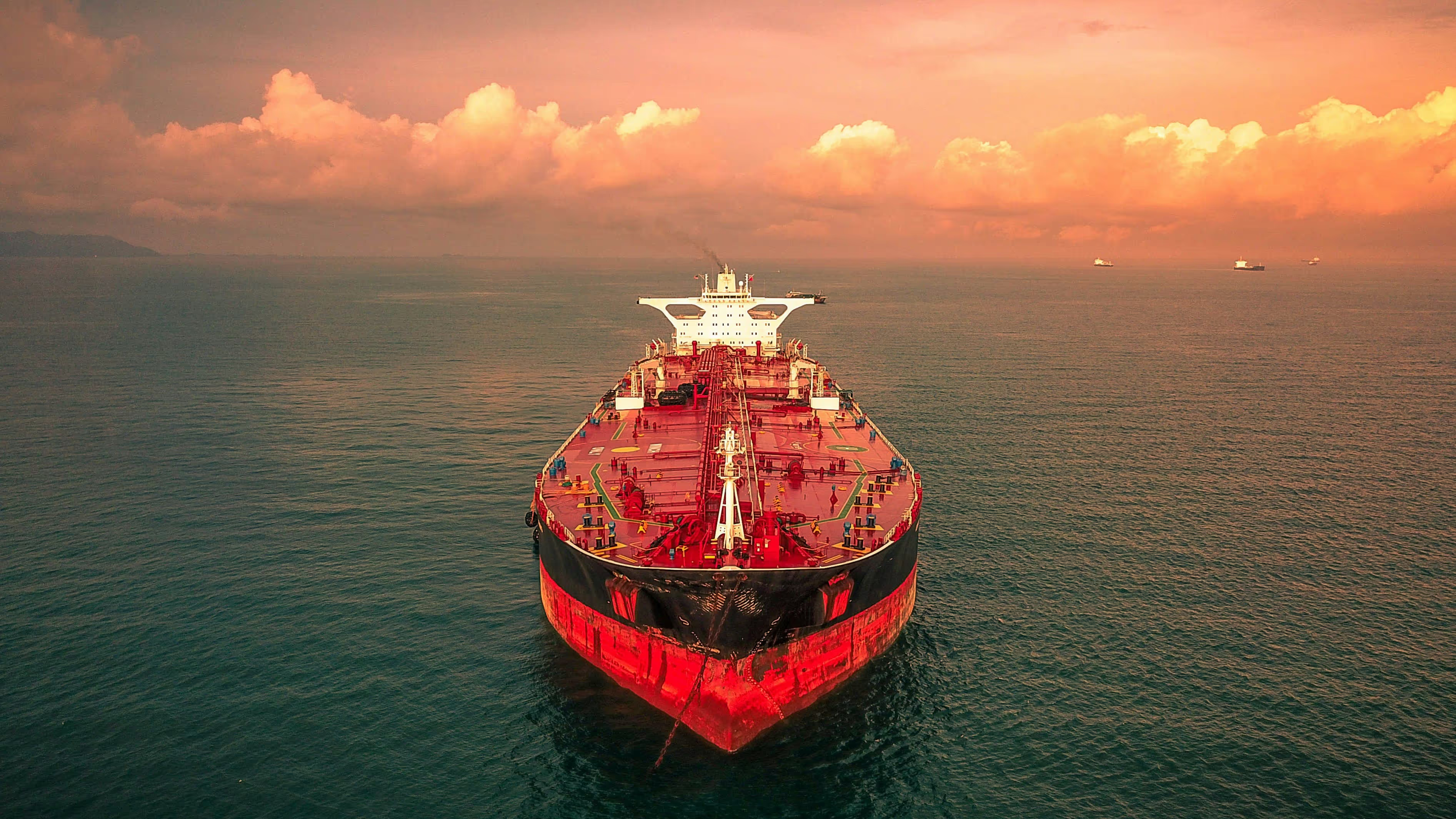
Product tanker operators on Qatar-Dubai automotive gas oil (AGO) routes face an immediate 0.25% spike in war risk insurance premiums following Tuesday's projectile attack on a commercial tanker 17 nautical miles north of Doha, with Lloyd's syndicates confirming the adjustment takes effect from April 3rd for all Persian Gulf transits. The premium increase from 0.15% to 0.40% of cargo value translates to roughly $87,500 additional cost per 35,000 tonne AGO cargo valued at $35 million, eroding already thin operator margins that averaged just $8,000-12,000 per voyage before the escalation. War risk insurance coverage for losses from hostile acts, mines, or warlike operations excluded from standard marine policies becomes the critical cost variable as regional tensions spike following Israel's reported strikes on Iranian facilities and subsequent maritime incidents targeting commercial vessels. The timing amplifies pressure on operators already managing elevated fuel costs and port congestion, with the Qatar-Dubai corridor handling roughly 180,000 tonnes of refined products weekly.
On the buy side, major oil trading houses like Vitol and Trafigura with integrated shipping arms can absorb the premium spike through their diversified margin pools, but smaller product tanker operators face immediate cash flow strain. Regional players such as Gulf Navigation or smaller UAE based tanker companies lacking the balance sheet depth of integrated majors must either pass costs to charterers through higher freight rates or accept margin compression on existing fixed-rate contracts. The attack occurred during a particularly vulnerable period for mid-sized operators, many of whom locked in charter rates 30-60 days prior when war risk premiums stood at standard 0.15% levels. For a typical regional operator managing 3-4 vessels on the Qatar-Dubai route, the collective additional insurance burden reaches $60,000-100,000 monthly, representing 15-25% of net operating margins. Charterers including Qatar's state oil company QatarEnergy and Dubai's ENOC must now factor these elevated costs into their logistics planning, with some already requesting force majeure clauses for new fixture negotiations.
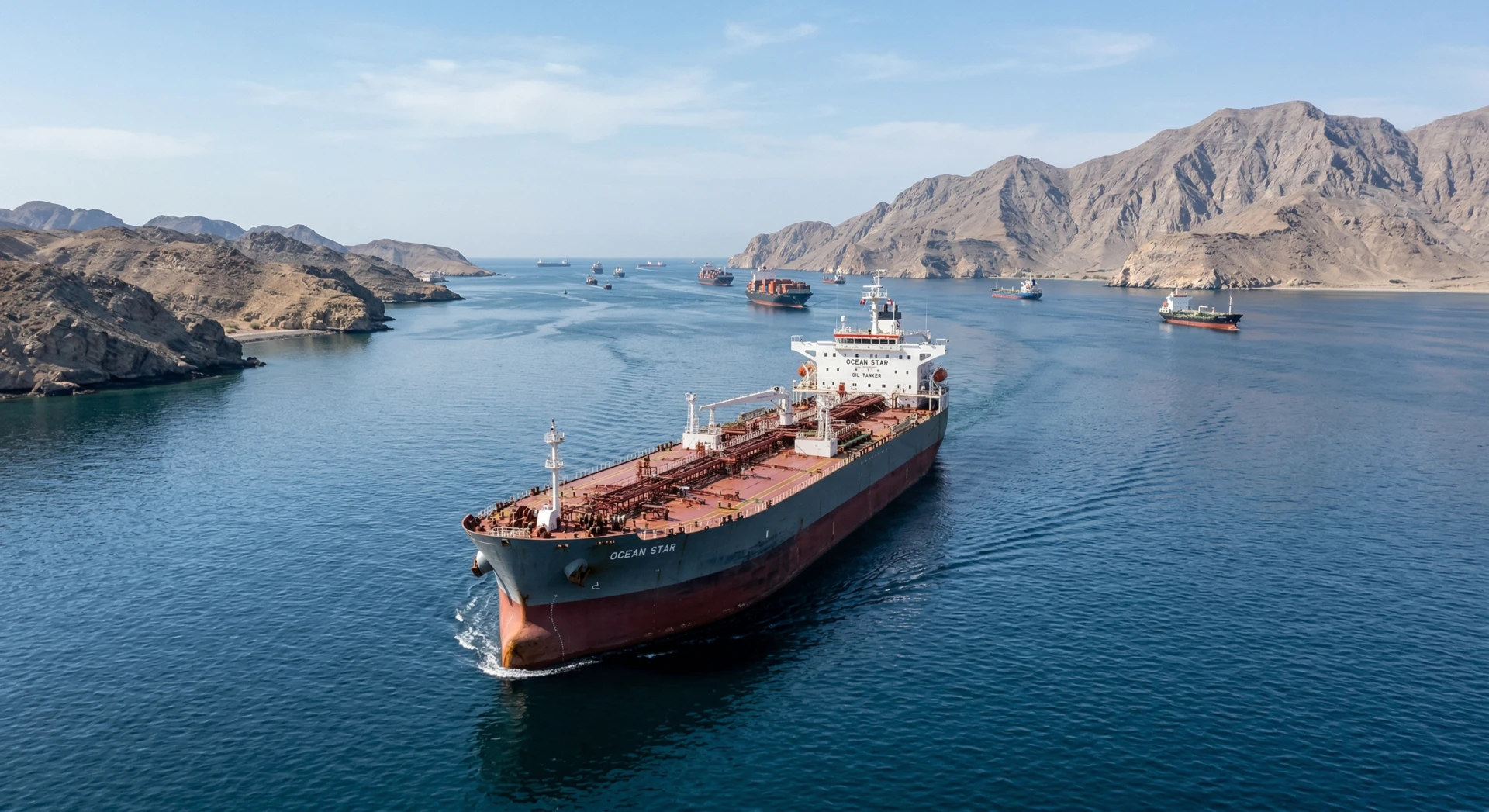
The physical supply chain mechanics reveal why this route concentration creates outsized operator vulnerability compared to broader regional shipping patterns. Qatar exports approximately 1.2 million tonnes of refined products monthly, with 60% moving through the narrow Qatar-Dubai corridor aboard Medium Range (MR) tankers carrying 25,000-40,000 tonne parcels. Transit time averages 18-22 hours, but vessels typically anchor 6-12 hours at both load and discharge ports, extending total voyage exposure to 2-3 days in elevated risk waters. The attacked vessel reportedly carrying AGO from Qatar's Mesaieed refinery to Dubai's Jebel Ali suffered port-side hull damage above the waterline, confirming projectiles targeted the cargo hold area rather than navigation systems. This targeting pattern suggests attackers understand tanker architecture and cargo placement, elevating concerns beyond random maritime harassment. The 17 nautical mile attack distance from Doha places the incident within Qatar's territorial waters, complicating insurance underwriters' risk assessment since previous attacks occurred in international waters where naval protection protocols differ.
Large integrated trading houses with sophisticated hedging capabilities can partially offset insurance cost spikes through derivatives strategies, but the mechanism requires specific positioning that many operators lack. A major like Gunvor or Mercuria can purchase additional put options on refined product margins while simultaneously increasing war risk coverage, effectively hedging against both cargo value loss and elevated insurance costs through coordinated derivative positions. These firms typically maintain $50-100 million war risk coverage limits across their fleets, allowing them to absorb individual voyage spikes while spreading costs across dozens of monthly fixtures. However, smaller operators particularly those managing 1-3 MR tankers lack both the credit facilities for sophisticated derivatives access and the volume to spread insurance costs effectively. A typical mid-sized operator like Navig8 or Scorpio Tankers must choose between immediate cash flow preservation (passing costs to charterers) or margin protection (absorbing costs to maintain competitive charter rates), with limited hedging tools available for risk mitigation.
The two-tier operator response pattern emerging reflects fundamental differences in capital access and risk management sophistication across the tanker market. Tier-one operators integrated oil majors' shipping arms and large independent tanker companies can leverage their balance sheet strength to maintain service levels while negotiating premium cost-sharing arrangements with long-term charterers. These operators typically maintain 90-120 day charter book coverage, providing cash flow stability to absorb short-term cost spikes. Conversely, tier-two operators regional shipping companies and smaller independents operate on 30-45 day charter visibility with limited working capital buffers. For these operators, the 0.25% premium spike represents an immediate liquidity challenge, particularly those with debt service obligations or seasonal cash flow patterns. The distinction becomes critical as charterers increasingly favor operators who can guarantee service continuity without mid-voyage cost adjustments, potentially shifting market share toward larger, better capitalized players during extended risk periods.
Forward market signals indicate this insurance premium adjustment represents an initial response rather than a stabilized risk assessment, with underwriters monitoring regional escalation patterns for potential further increases. London based war risk syndicates typically implement staged premium adjustments based on attack frequency and targeting sophistication, with the current 0.25% increase reflecting a "moderate escalation" classification. If attacks shift from random commercial vessel targeting to systematic petroleum cargo interception, premiums could reach 0.75-1.00% of cargo value levels that would fundamentally alter AGO arbitrage economics between Qatar and Dubai markets. The timing amplifies concern as regional refineries enter spring maintenance season, concentrating more AGO movements onto fewer available vessels during the traditionally higher margin April-June period. Operators report charter rate negotiations increasingly including war risk escalation clauses, with some charterers requesting 48-72 hour cancellation rights if insurance costs exceed predetermined thresholds, effectively transferring attack risk from charterers back to vessel operators.
The maritime security deterioration coincides with broader regional supply chain vulnerabilities that could cascade beyond immediate insurance cost impacts into fundamental route viability questions. According to reports, Israeli military operations targeting Iranian facilities allegedly linked to chemical weapons development have prompted retaliatory maritime actions, with commercial vessels becoming proxy targets in the broader regional conflict. The pattern following earlier reported attacks on Kuwaiti tankers near Dubai suggests systematic rather than opportunistic targeting of petroleum product movements. For procurement managers at regional oil distributors and aviation fuel suppliers, the escalating maritime risk creates supply chain redundancy requirements that many lack. Dubai's Jebel Ali port handles roughly 40% of regional AGO imports, making Qatar origin supplies critical for maintaining inventory levels. If insurance costs or attack frequency render the route commercially unviable, buyers must identify alternative supply sources from Fujairah, Bahrain, or Kuwait each requiring different vessel scheduling, credit arrangements, and potentially higher FOB pricing that could add $15-25/MT to end-user costs across the broader Middle East refined products market.
.jpg)
.jpg)

'%3e%3cg id='Final-Copy-2_2_' transform='translate(1275.000000, 200.000000)'%3e%3cpath class='st0' d='M7.4,12.8h6.8l3.1-11.6H7.4C4.2,1.2,1.6,3.8,1.6,7S4.2,12.8,7.4,12.8z'/%3e%3c/g%3e%3c/g%3e%3c/g%3e%3cg id='final---dec.11-2020'%3e%3cg id='_x30_208-our-toggle' transform='translate(-1275.000000, -200.000000)'%3e%3cg id='Final-Copy-2' transform='translate(1275.000000, 200.000000)'%3e%3cpath class='st1' d='M22.6,0H7.4c-3.9,0-7,3.1-7,7s3.1,7,7,7h15.2c3.9,0,7-3.1,7-7S26.4,0,22.6,0z M1.6,7c0-3.2,2.6-5.8,5.8-5.8 h9.9l-3.1,11.6H7.4C4.2,12.8,1.6,10.2,1.6,7z'/%3e%3cpath id='x' class='st2' d='M24.6,4c0.2,0.2,0.2,0.6,0,0.8l0,0L22.5,7l2.2,2.2c0.2,0.2,0.2,0.6,0,0.8c-0.2,0.2-0.6,0.2-0.8,0 l0,0l-2.2-2.2L19.5,10c-0.2,0.2-0.6,0.2-0.8,0c-0.2-0.2-0.2-0.6,0-0.8l0,0L20.8,7l-2.2-2.2c-0.2-0.2-0.2-0.6,0-0.8 c0.2-0.2,0.6-0.2,0.8,0l0,0l2.2,2.2L23.8,4C24,3.8,24.4,3.8,24.6,4z'/%3e%3cpath id='y' class='st3' d='M12.7,4.1c0.2,0.2,0.3,0.6,0.1,0.8l0,0L8.6,9.8C8.5,9.9,8.4,10,8.3,10c-0.2,0.1-0.5,0.1-0.7-0.1l0,0 L5.4,7.7c-0.2-0.2-0.2-0.6,0-0.8c0.2-0.2,0.6-0.2,0.8,0l0,0L8,8.6l3.8-4.5C12,3.9,12.4,3.9,12.7,4.1z'/%3e%3c/g%3e%3c/g%3e%3c/g%3e%3c/g%3e%3c/svg%3e) Privacy Choices
Privacy Choices