.avif)
.avif)
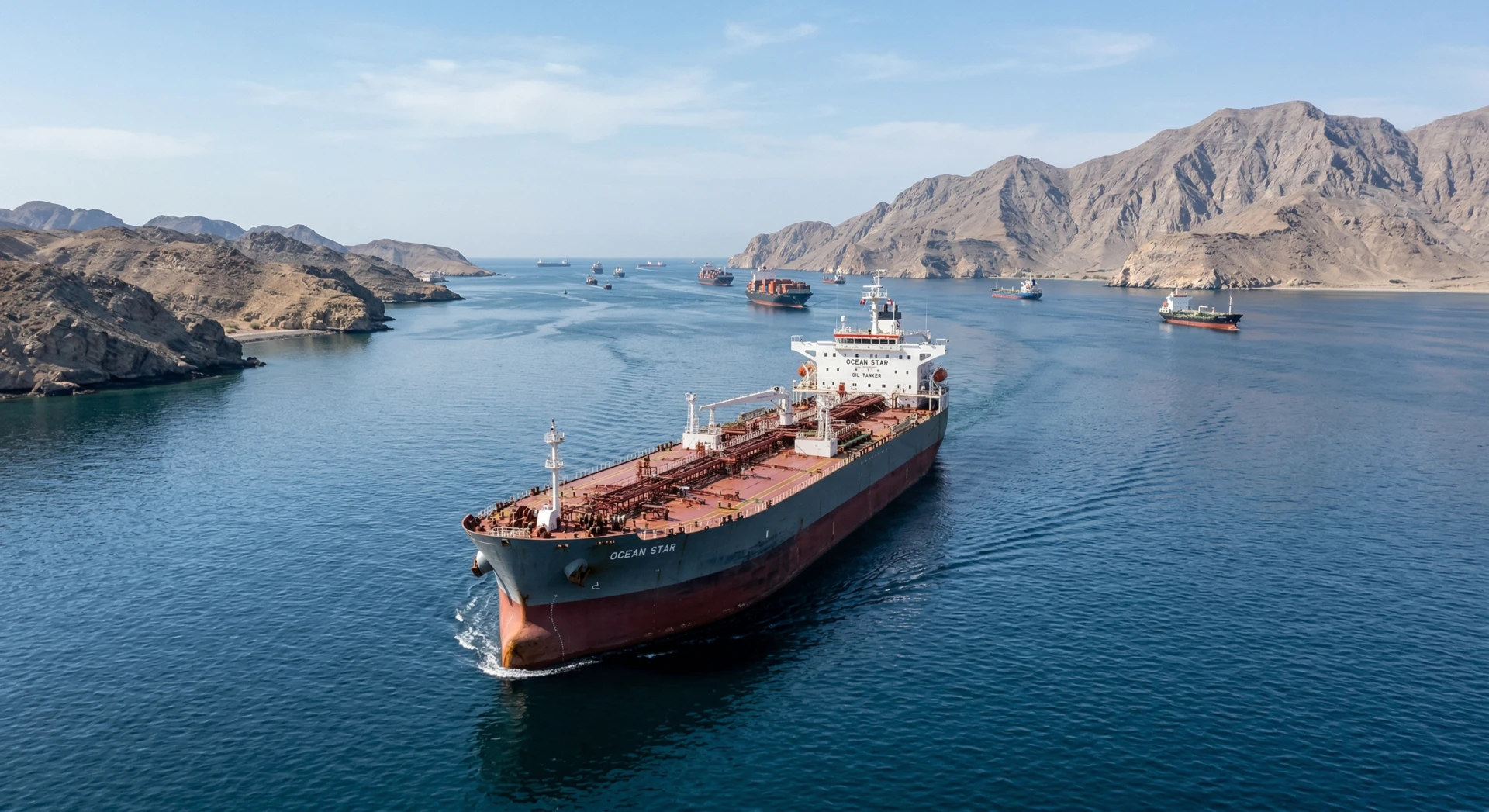
Persian Gulf crude sellers face immediate margin compression as U.S.-UK diplomatic tensions over Iran response strategy threaten the coalition structure that keeps Strait of Hormuz shipping lanes viable. Large integrated sellers with deep derivatives books can absorb 6 month war risk coverage at current levels roughly $0.85-1.20/barrel for Gulf crude cargoes but smaller FOB operators without hedging infrastructure face margin elimination if coverage costs double. The diplomatic fracture centers on UK Prime Minister Starmer's refusal to allow U.S. military staging from Diego Garcia base, the only deep-water facility between Arabian Sea and Southeast Asia, forcing any Hormuz response into a weeks longer logistics chain that extends potential shipping disruptions.
The margin anatomy reveals how war risk premiums cascade through FOB seller economics. A standard 2 million barrel VLCC cargo of Arab Light crude currently yields $2.80-3.20/barrel margin before risk coverage. War risk insurance protection against vessel seizure, cargo confiscation, or route closure adds $0.85-1.20/barrel at current Lloyd's of London rates for Gulf to Asia routes. If coalition fracture signals extended Hormuz vulnerability, coverage could reach $2.50-3.00/barrel, eliminating seller margins entirely. The mechanism, insurers price political risk into vessel hull coverage, cargo coverage, and delay insurance as separate line items, with each component scaling to perceived conflict duration.
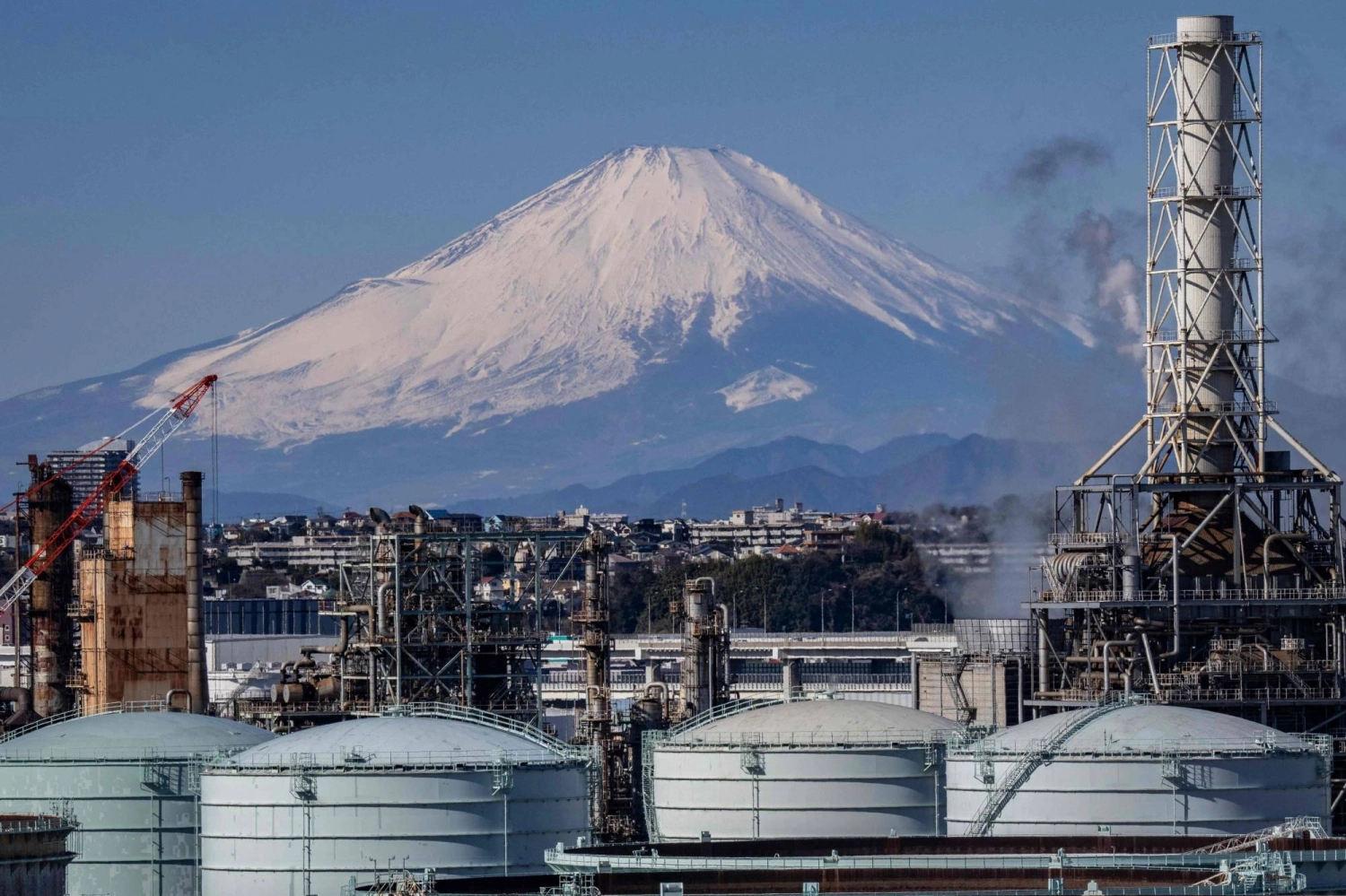
On the buy side, Asian refiners with long-term crude contracts face force majeure exposure if sellers cannot deliver due to route closure. Japanese and Korean refiners who import 85% of crude needs through Hormuz maintain strategic petroleum reserves equivalent to 90-100 days consumption, but these buffers assume alternative supply routes remain open. Chinese independent refiners (teapots) with smaller inventory buffers and bilateral purchase agreements face immediate supply disruption if sellers invoke war risk clauses. The contractual mechanism: most FOB crude sales include standard war risk exclusions allowing sellers to suspend deliveries if vessel insurance becomes unavailable.
On the sell side, Saudi Aramco Trading and UAE's ADNOC Global Trading can absorb short-term margin compression through derivatives hedging and alternative route development the 1,200km East-West pipeline bypassing Hormuz carries 5 million barrels/day to Red Sea terminals. Smaller Gulf producers and trading houses without pipeline access face binary outcomes, accept margin elimination or suspend sales until coalition dynamics clarify. Iranian crude sellers, already operating under sanctions constraints, gain relative advantage as buyers seeking supply security accept higher premiums for guaranteed delivery through non-Hormuz routes including overland pipelines to China.
The Diego Garcia constraint fundamentally alters U.S. military response capabilities in Gulf waters. Without the British controlled atoll 1,900 nautical miles from Hormuz with fuel, logistics, and 4,000-meter runway capacity any U.S. naval response requires staging from Kuwait (politically sensitive), Qatar (Iranian missile range), or carriers operating 2,000+ miles from nearest friendly port. This logistics gap extends potential Hormuz closure duration from days to weeks, multiplying war risk calculations. The operational reality, moving a carrier strike group from Diego Garcia staging to Hormuz patrol requires 4-6 days from alternative bases requires 12-18 days, during which 18-20 million barrels/day of crude transit remains vulnerable.
For large integrated traders like Vitol, Trafigura, or BP Trading, the optimal strategy involves locking 6 month war risk coverage at current levels while developing alternative supply relationships with non-Gulf producers including Brazil, Guyana, and Norway. These operators can use derivatives markets to hedge Brent-Dubai spreads the price differential between North Sea and Middle East crude currently at $1.80/barrel against potential widening if Gulf supply faces sustained disruption. Mid-tier regional importers without derivatives access should secure bilateral letters of credit with multiple Gulf suppliers, diversifying force majeure risk across counterparties while negotiating war risk premium caps at current levels plus 50 basis points.
The forward signal points to sustained elevated risk premiums regardless of immediate conflict escalation. Trump's NATO withdrawal consideration unprecedented for a sitting U.S. president signals potential abandonment of multilateral Gulf security architecture that has kept Hormuz transit costs stable since 1987. Even if diplomatic tensions ease before the April 27-30 royal visit, the precedent of coalition fracture over Gulf operations creates permanent repricing of political risk in crude markets. The mechanism: insurance markets now factor U.S.-UK operational disagreement as baseline assumption rather than tail risk, permanently elevating coverage costs for Gulf crude by an estimated $0.40-0.60/barrel minimum.
.jpg)
.jpg)

'%3e%3cg id='Final-Copy-2_2_' transform='translate(1275.000000, 200.000000)'%3e%3cpath class='st0' d='M7.4,12.8h6.8l3.1-11.6H7.4C4.2,1.2,1.6,3.8,1.6,7S4.2,12.8,7.4,12.8z'/%3e%3c/g%3e%3c/g%3e%3c/g%3e%3cg id='final---dec.11-2020'%3e%3cg id='_x30_208-our-toggle' transform='translate(-1275.000000, -200.000000)'%3e%3cg id='Final-Copy-2' transform='translate(1275.000000, 200.000000)'%3e%3cpath class='st1' d='M22.6,0H7.4c-3.9,0-7,3.1-7,7s3.1,7,7,7h15.2c3.9,0,7-3.1,7-7S26.4,0,22.6,0z M1.6,7c0-3.2,2.6-5.8,5.8-5.8 h9.9l-3.1,11.6H7.4C4.2,12.8,1.6,10.2,1.6,7z'/%3e%3cpath id='x' class='st2' d='M24.6,4c0.2,0.2,0.2,0.6,0,0.8l0,0L22.5,7l2.2,2.2c0.2,0.2,0.2,0.6,0,0.8c-0.2,0.2-0.6,0.2-0.8,0 l0,0l-2.2-2.2L19.5,10c-0.2,0.2-0.6,0.2-0.8,0c-0.2-0.2-0.2-0.6,0-0.8l0,0L20.8,7l-2.2-2.2c-0.2-0.2-0.2-0.6,0-0.8 c0.2-0.2,0.6-0.2,0.8,0l0,0l2.2,2.2L23.8,4C24,3.8,24.4,3.8,24.6,4z'/%3e%3cpath id='y' class='st3' d='M12.7,4.1c0.2,0.2,0.3,0.6,0.1,0.8l0,0L8.6,9.8C8.5,9.9,8.4,10,8.3,10c-0.2,0.1-0.5,0.1-0.7-0.1l0,0 L5.4,7.7c-0.2-0.2-0.2-0.6,0-0.8c0.2-0.2,0.6-0.2,0.8,0l0,0L8,8.6l3.8-4.5C12,3.9,12.4,3.9,12.7,4.1z'/%3e%3c/g%3e%3c/g%3e%3c/g%3e%3c/g%3e%3c/svg%3e) Privacy Choices
Privacy Choices