.avif)

President Donald Trump has accused Iran of violating its ceasefire promises by "doing a very poor job" of opening up the key Strait of Hormuz trade route, with only a handful of ships transiting the waterway since the agreement, while Brent crude prices climbed above $96 per barrel on Friday as diplomatic efforts strained, though still down roughly 13% from pre-ceasefire highs after the April 8 ceasefire announcement triggered the sharpest single-day oil selloff since 2020. For crude oil traders navigating the most volatile energy market in decades, the upcoming talks in Islamabad determine whether elevated freight margins — currently worth approximately $28 million additional revenue per VLCC voyage — disappear within weeks or persist for months. Vice President JD Vance has arrived in Islamabad for peace talks with Iran, saying he thought the discussions were "going to be positive," but warning Iran not to "try to play us".
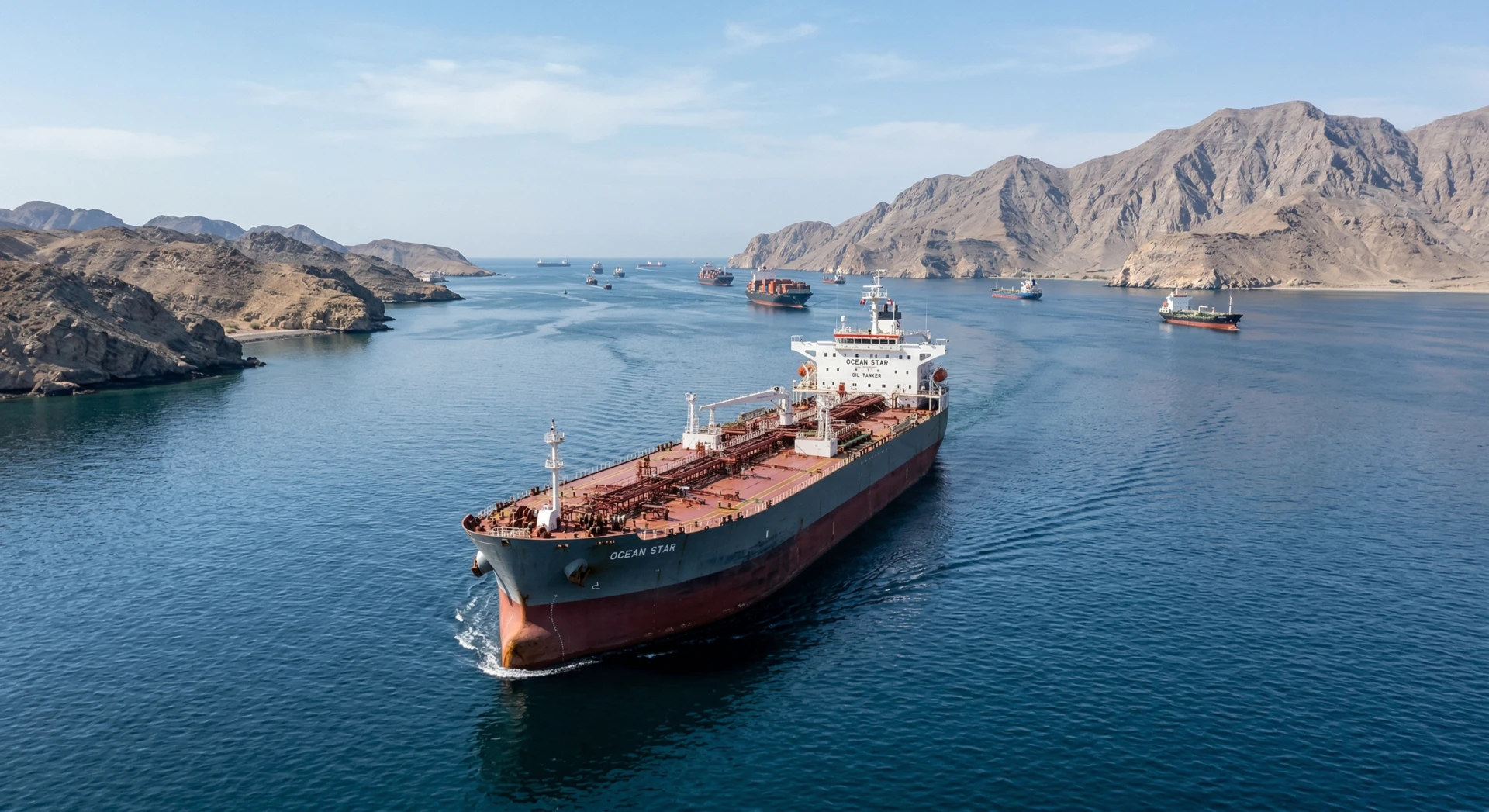
The Strait of Hormuz — a narrow waterway between Iran and Oman connecting the Persian Gulf to the Gulf of Oman and the Arabian Sea, through which approximately 20% of the world's oil supply transits under normal conditions, making it the world's most important oil chokepoint — has been effectively closed to most commercial shipping since February 28, 2026, causing the largest maritime trade disruption since World War II. Tanker traffic dropped first by about 70% and over 150 ships anchored outside the strait to avoid risks, with traffic soon dropping to about zero. A letter of credit (LC) — a bank guarantee that payment will be made once shipping documents are presented — becomes meaningless when the cargo cannot physically move. The commercial architecture of global oil trade depends on predictable transit through this 33-kilometre chokepoint.
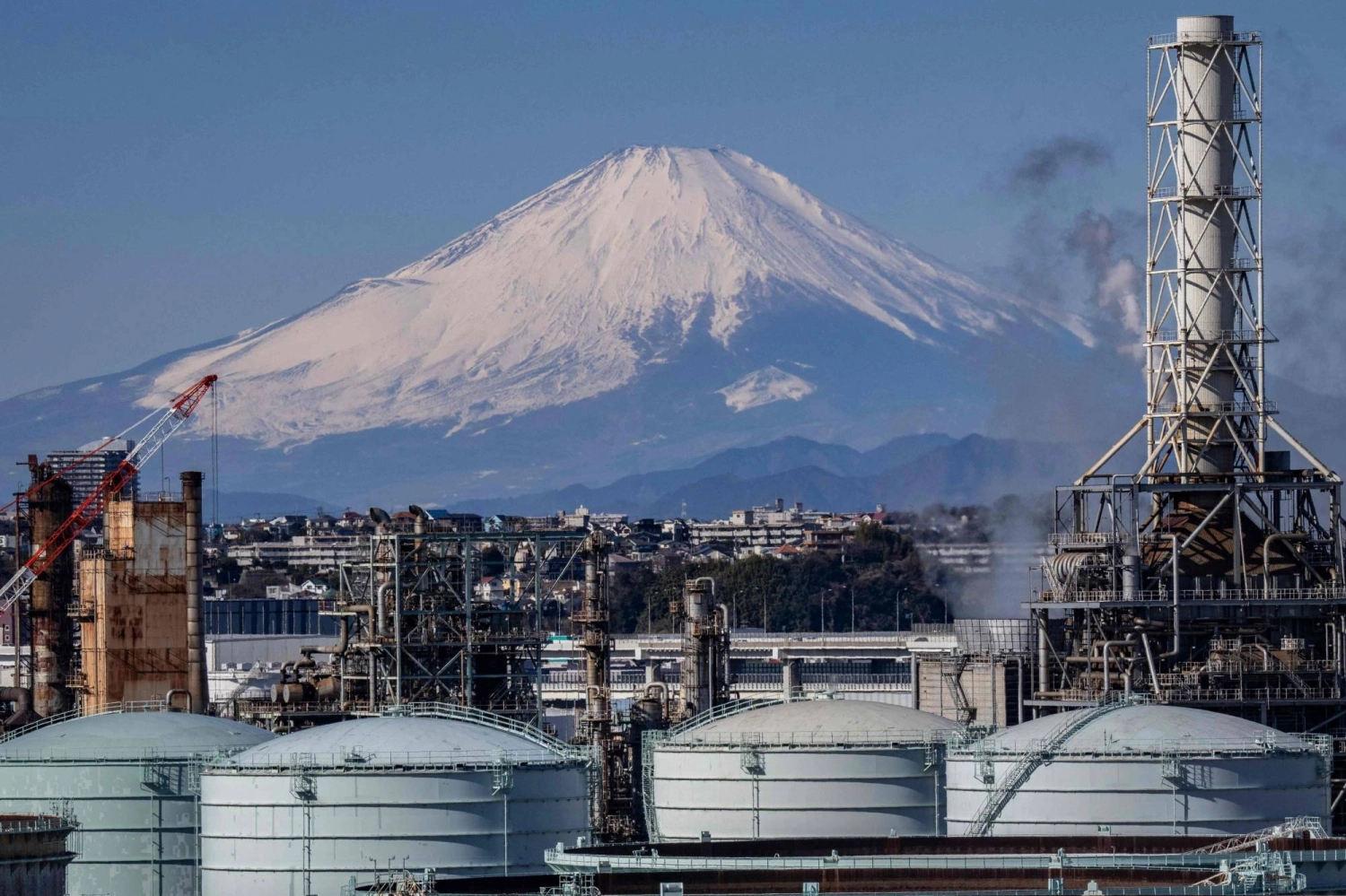
Iran's parliament speaker warned Friday that scheduled negotiations cannot begin unless Israel halts attacks on Lebanon and unless the US releases Tehran's frozen assets, straining Iran's already fragile two-week ceasefire with the US. These preconditions create immediate commercial uncertainty. On the buy side: Asian refiners paying $8-12/barrel premiums for non-Middle East Gulf crude sourcing are watching every diplomatic signal. Japanese refiners have asked their government to release stockpiled oil, as they obtain about 95% of their crude from Saudi Arabia, Kuwait, UAE, and Qatar, with about 70% of this Middle Eastern oil delivered by ships passing through Hormuz. On the sell side: Saudi Arabia has activated alternative routes but at significantly higher cost structures that compress downstream margins.
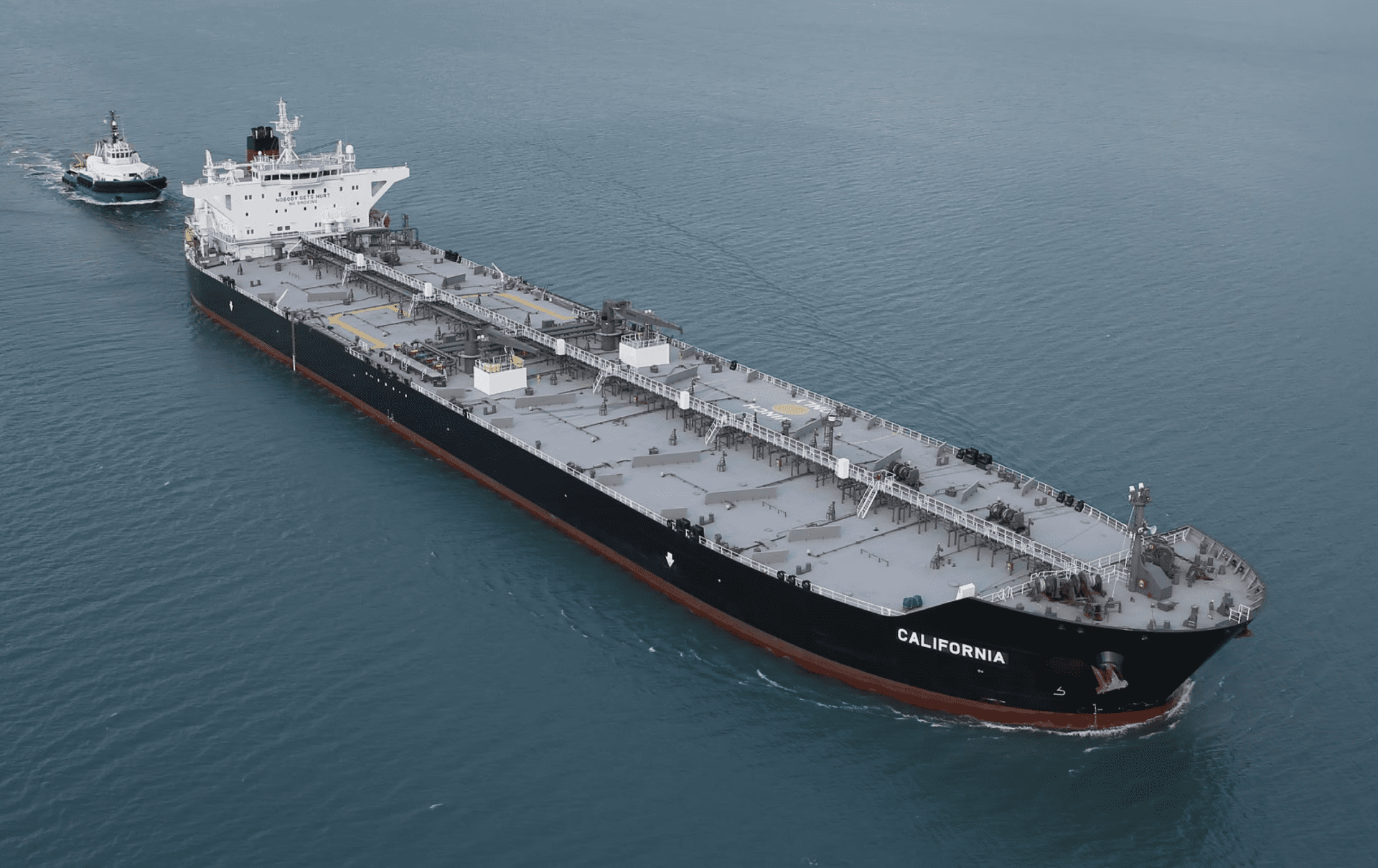
Freight rates demonstrate the margin concentration effect with mathematical precision. Freight for VLCC voyages from the US Gulf to the Far East increased by over $6 million within days, reaching mid-$20 million and in some cases $29 million, with 40 VLCC liftings booked from the US Gulf for April compared to a baseline average of 27 monthly liftings. The TD3C benchmark route briefly exceeded Worldscale 600, equating to earnings of over $600,000 per day. Consider the mathematics: a VLCC carrying 2 million barrels on the benchmark Middle East Gulf-to-China route historically earned approximately $25,000 daily. At current disrupted rates, the same vessel earns $600,000 daily — a 24x multiple. The additional $575,000 per day over a 25-day voyage generates $14.4 million in incremental revenue per cargo. This premium accrues entirely to vessel owners, not cargo owners or end buyers.
Backwardation — where near-term prices exceed forward prices — signals physical supply shortage and creates immediate trading opportunities. Brent plunged from above $110 to below $96 as the geopolitical risk premium rapidly unwound, with the Strait of Hormuz expected to begin reopening under ceasefire terms. But the ceasefire has not delivered physical reopening. The Strait of Hormuz remained effectively closed, with Tehran reportedly requiring military approval for vessel passage, as only one oil products tanker transited the strait in the first 24 hours of the ceasefire. This gap between diplomatic announcements and operational reality creates the trading environment where margins concentrate.
For large integrated traders — Trafigura, Vitol, national oil company trading arms — with derivatives access and global storage networks, the current environment offers multiple margin capture opportunities. These operators can hedge physical positions in futures markets while capturing freight arbitrage through ship ownership or long-term charter arrangements. They benefit from supply chain dislocation through strategic inventory positioning and route optimization across multiple basins. For smaller regional operators — mid-sized fuel importers, independent distributors, regional cooperatives — without derivatives access or storage flexibility, the environment is punishing. Fixed-price contracts become loss-making when replacement crude costs $8-12/barrel more than contracted Gulf supply. Operational hedging requires bilateral fixing with suppliers, diversifying sourcing regions, and adjusting inventory levels to manage volumetric risk.
The financing dimension reveals why physical commodity financing often determines trading profitability more than commodity price movements. War-risk ship insurance premiums for the strait increased from 0.125% to between 0.2% and 0.4% of ship insurance value per transit, an increase of a quarter of a million dollars for very large oil tankers. When a VLCC worth $100 million faces insurance costs of $400,000 per transit instead of $125,000, the additional $275,000 must be financed. For operations requiring letters of credit, banks demand additional collateral to cover elevated transit risk. The working capital impact compounds: higher insurance reserves, extended transit times requiring longer financing terms, and elevated counterparty risk increasing credit facility costs. Trade finance availability, not crude oil price, becomes the binding constraint.
The Brent-Dubai spread — the price difference between North Sea crude and Middle East crude — historically trades in a $2-5/barrel range but has compressed as Middle East physical availability tightens. The Brent-WTI spread increased in March, peaking at $25/barrel and averaging $11/barrel in the month, the highest in over five years. This spread compression signals that Atlantic Basin crude can economically reach Asian refineries, but the arbitrage window narrows as freight rates rise. When transport costs exceed the spread, the arbitrage closes regardless of crude price differentials. Freight margins, not commodity margins, determine trade viability.
Routing alternatives exist but at punishing economics that eliminate most trading margins. Rerouting an Aframax tanker from Asia to Northwest Europe via the Cape of Good Hope adds 16 to 32 days of transit and about $932,905 in fuel costs per voyage. The Cape route adds approximately 3,500 to 4,000 nautical miles and 10 to 14 days to voyage times on Asia-Europe and Asia-Middle East lanes. The additional time cost compounds: inventory financing for 14 additional days, elevated working capital requirements, and opportunity cost of delayed cargo turnover. The Cape reroute adds 10 to 14 days one-way, meaning vessels making multiple trips annually complete two or three fewer voyages per ship, with capacity effects compounding over time.
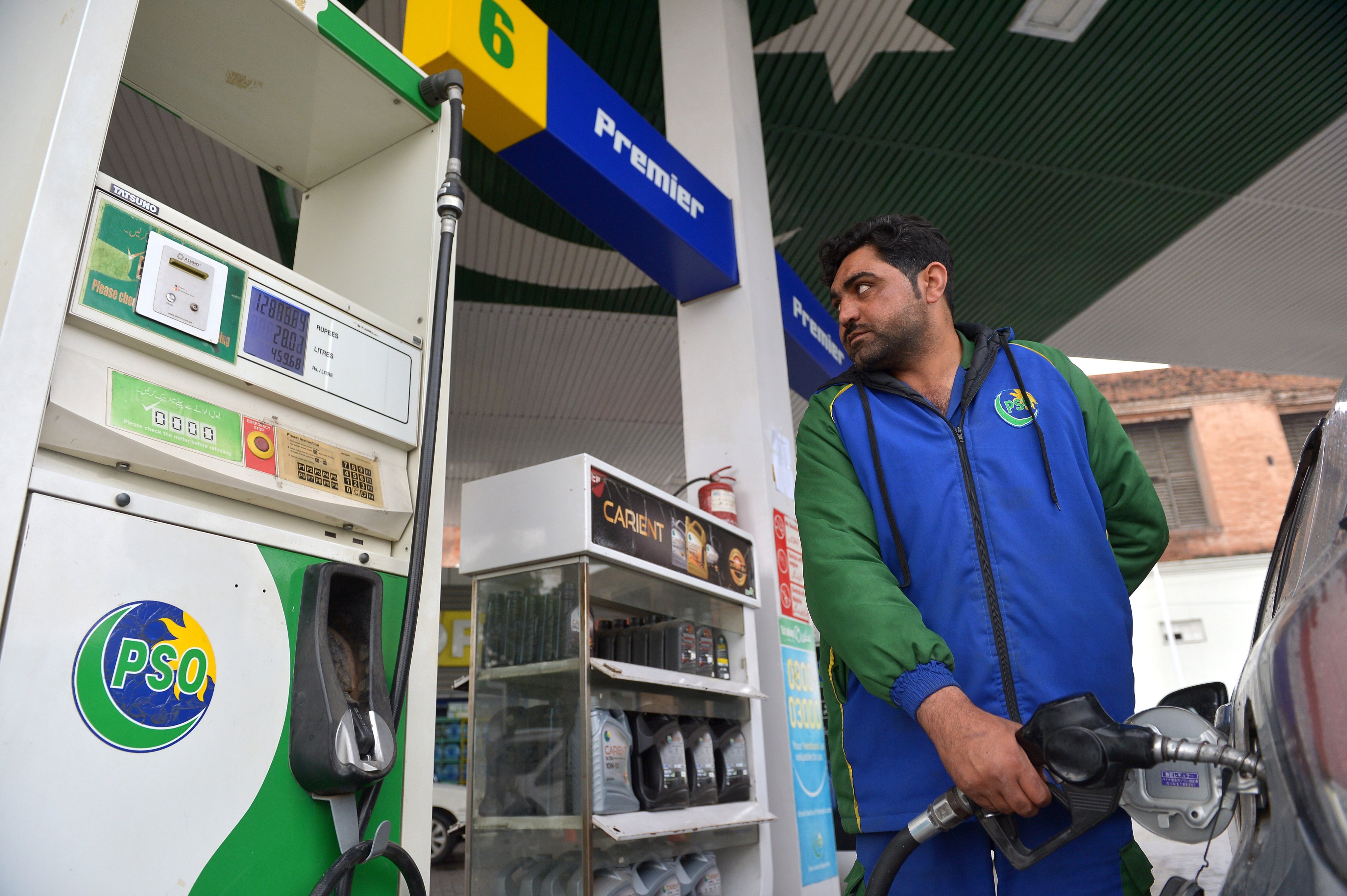
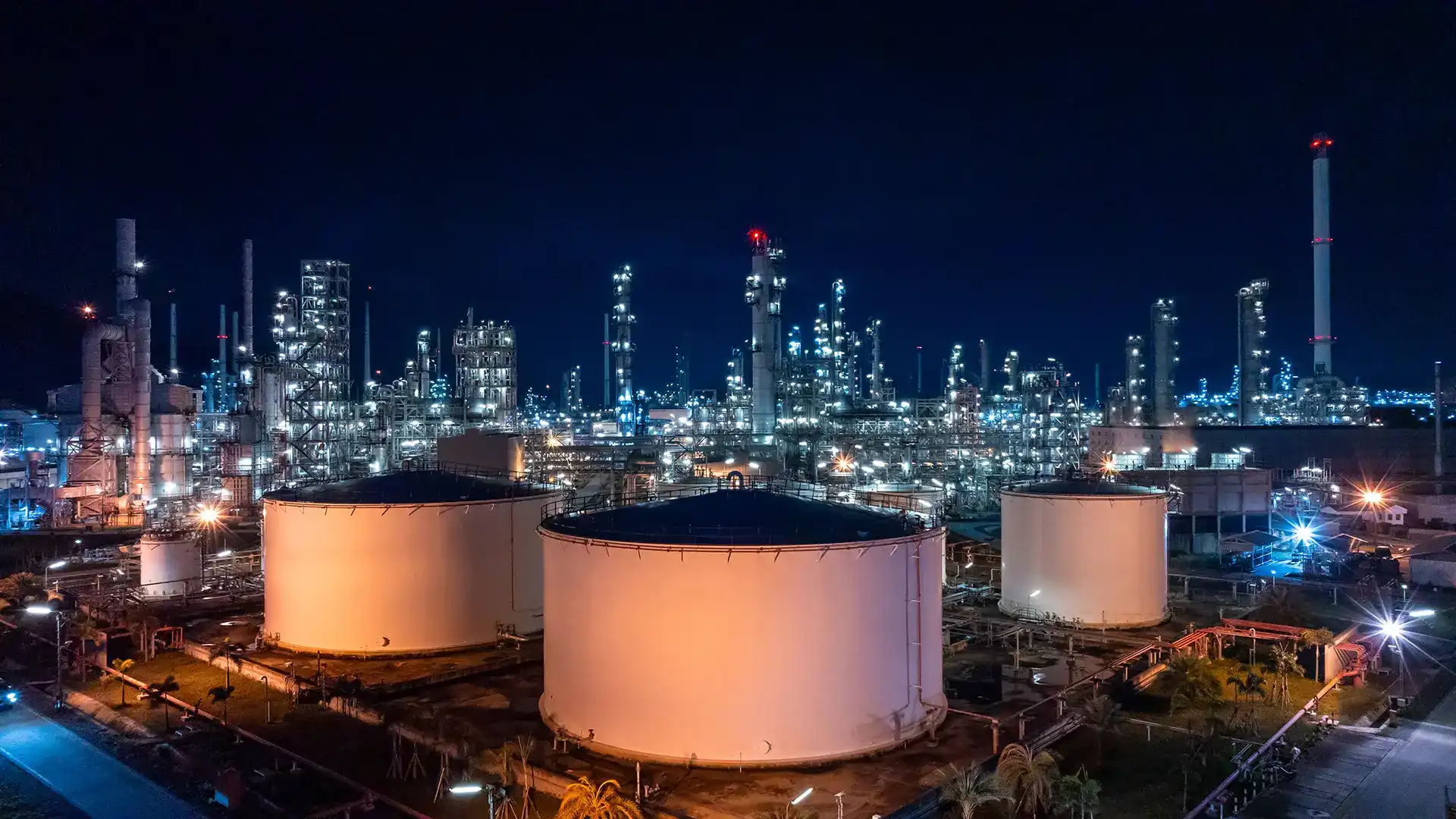
Saudi Arabia said attacks on its oil facilities have reduced production capacity by around 600,000 barrels per day and cut throughput on the East-West Pipeline by approximately 700,000 bpd. Pipeline alternatives provide partial volume replacement but cannot match Hormuz throughput capacity. Pipeline capacity from Saudi Arabia and the UAE provides a combined 20 million barrels per day, but this represents maximum theoretical capacity, not sustained operational throughput. Pipeline transit eliminates shipping risk but creates concentration risk in alternative infrastructure that becomes geopolitically sensitive. Pakistan officially requested that Saudi Arabia reroute oil supplies through port of Yanbu on the Red Sea, with Saudi Arabia providing assurances and arranging at least one crude shipment to bypass the closed strait.
Insurance market dynamics create a feedback loop that amplifies physical supply disruption into financial crisis. When war risk insurance withdraws, commercial shipping stops regardless of crude oil availability. The threat of ships being destroyed collapsed the financial infrastructure behind global shipping in a matter of days. Major carriers have suspended Hormuz transits and stopped taking new bookings for Arabian Gulf ports, with emergency surcharges following within an hour. The insurance withdrawal forces cargo owners to self-insure or abandon shipments. Most commercial operations cannot absorb vessel replacement costs, making self-insurance commercially unviable.
The negotiation outcome determines margin distribution across the crude oil supply chain for months ahead. Successful talks enable physical reopening but require complex operational coordination. Vessels that successfully exited the Gulf ahead of closure can reposition in the Arabian Sea waiting for clarity on routing, with tanker transits collapsed by approximately 92% compared to the week prior to conflict. Even diplomatic success requires 4-6 weeks for traffic normalization as vessels reposition, insurance markets reopen, and operational procedures resume. The margin anatomy during this transition period favors vessel owners and financing providers over commodity traders and end users.
Successful Hormuz reopening collapses the current freight premium structure within weeks, eliminating the $14 million per voyage windfall for VLCC operators. If the ceasefire holds, oil could drift toward $85-$90, but if it collapses, $110+ returns immediately. Goldman Sachs maintains its 2026 Brent average forecast of $85, with a $71 Q4 base case now looking more achievable as the war premium evaporates. Failed negotiations trigger immediate repricing: crude oil returns to $110+ levels, freight rates remain elevated, and supply chain financing costs increase further. For observers: monitor VLCC fixture reports from Platts, Baltic Exchange assessments for TD3C route pricing, and Lloyd's List intelligence for actual transit counts through Hormuz. The gap between diplomatic announcements and physical vessel movements reveals whether talks produce operational results or political theater.
Pakistan's Prime Minister Shehbaz Sharif called this "a make-or-break moment," asking citizens to pray that talks succeed and "countless lives are saved," with leadership from both the US and Iran present for negotiations. The commercial stakes match the diplomatic rhetoric. Crude oil traders face binary outcomes: normalized margins within six weeks or sustained disruption extending through Q3 2026. Trump told reporters he wished the delegation luck, saying "We'll see how it turns out," with the team meeting Saturday. The meeting determines whether freight margins that currently exceed commodity margins return to historical relationships — or whether supply chain financing, not crude oil trading, remains the primary profit center in global energy markets.
.jpg)

'%3e%3cg id='Final-Copy-2_2_' transform='translate(1275.000000, 200.000000)'%3e%3cpath class='st0' d='M7.4,12.8h6.8l3.1-11.6H7.4C4.2,1.2,1.6,3.8,1.6,7S4.2,12.8,7.4,12.8z'/%3e%3c/g%3e%3c/g%3e%3c/g%3e%3cg id='final---dec.11-2020'%3e%3cg id='_x30_208-our-toggle' transform='translate(-1275.000000, -200.000000)'%3e%3cg id='Final-Copy-2' transform='translate(1275.000000, 200.000000)'%3e%3cpath class='st1' d='M22.6,0H7.4c-3.9,0-7,3.1-7,7s3.1,7,7,7h15.2c3.9,0,7-3.1,7-7S26.4,0,22.6,0z M1.6,7c0-3.2,2.6-5.8,5.8-5.8 h9.9l-3.1,11.6H7.4C4.2,12.8,1.6,10.2,1.6,7z'/%3e%3cpath id='x' class='st2' d='M24.6,4c0.2,0.2,0.2,0.6,0,0.8l0,0L22.5,7l2.2,2.2c0.2,0.2,0.2,0.6,0,0.8c-0.2,0.2-0.6,0.2-0.8,0 l0,0l-2.2-2.2L19.5,10c-0.2,0.2-0.6,0.2-0.8,0c-0.2-0.2-0.2-0.6,0-0.8l0,0L20.8,7l-2.2-2.2c-0.2-0.2-0.2-0.6,0-0.8 c0.2-0.2,0.6-0.2,0.8,0l0,0l2.2,2.2L23.8,4C24,3.8,24.4,3.8,24.6,4z'/%3e%3cpath id='y' class='st3' d='M12.7,4.1c0.2,0.2,0.3,0.6,0.1,0.8l0,0L8.6,9.8C8.5,9.9,8.4,10,8.3,10c-0.2,0.1-0.5,0.1-0.7-0.1l0,0 L5.4,7.7c-0.2-0.2-0.2-0.6,0-0.8c0.2-0.2,0.6-0.2,0.8,0l0,0L8,8.6l3.8-4.5C12,3.9,12.4,3.9,12.7,4.1z'/%3e%3c/g%3e%3c/g%3e%3c/g%3e%3c/g%3e%3c/svg%3e) Privacy Choices
Privacy Choices