.avif)
Australian fertilizer importers face a supply gap requiring immediate action, with the government-brokered purchase of 250,000 tonnes of agricultural-grade urea from Indonesia addressing only 20% of remaining shortfalls. The emergency procurement — arranged between Incitec Pivot Fertilisers and PT Pupuk Indonesia with high-level diplomatic support — comes at premium pricing estimated 15-25% above normal commercial terms. For mid-sized Australian distributors without derivatives access, this translates to margin compression of approximately AUD $40-60/MT on delivered product. The shortfall forces operators into spot markets just as Northern Hemisphere planting season peaks.
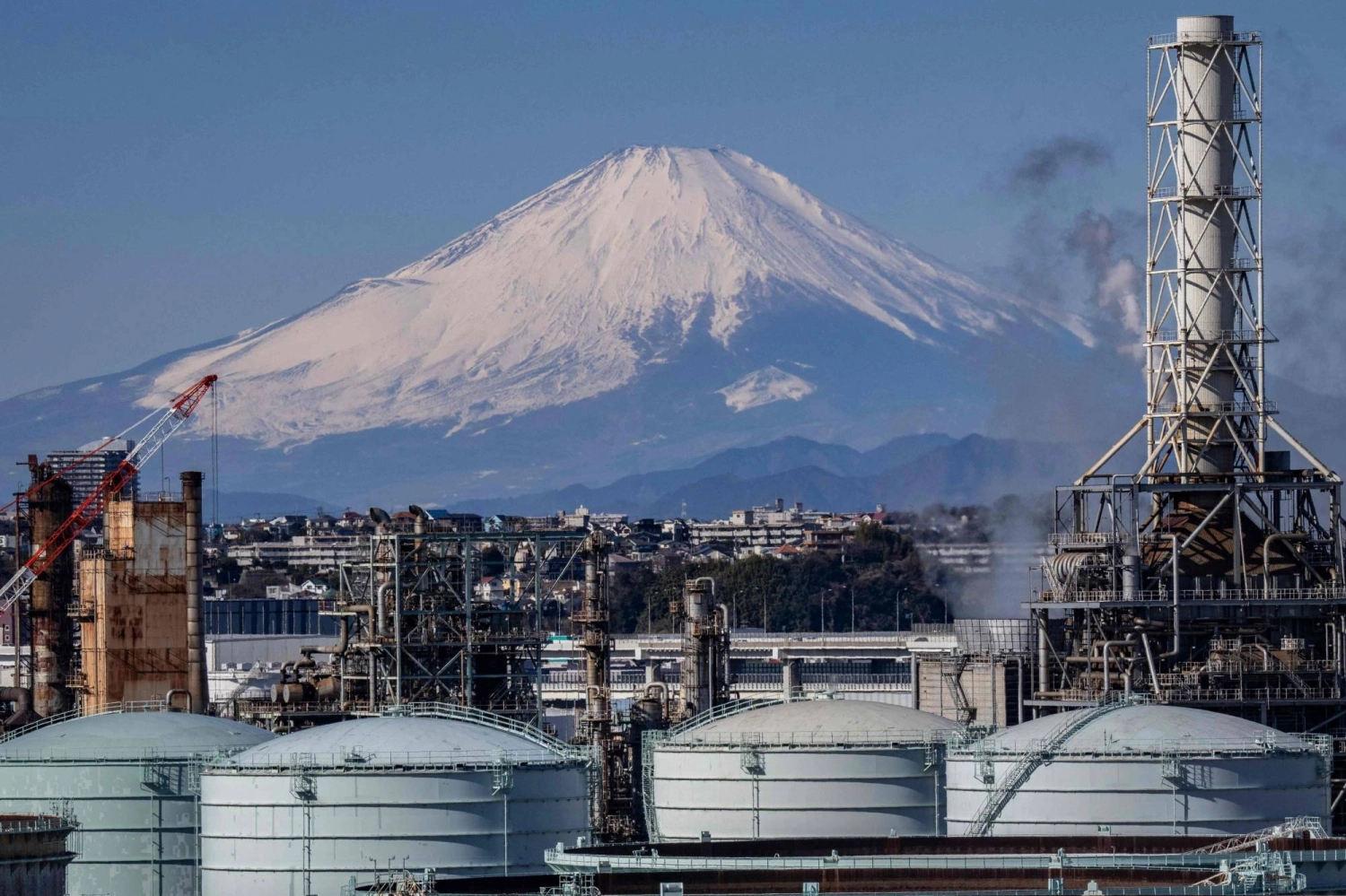
The crisis stems from the Strait of Hormuz closure since February, which has blocked 60% of Australia's normal urea supply route. Urea — a nitrogen-rich fertilizer providing 46% nitrogen content, essential for crop protein synthesis and yield formation — typically flows from Middle East producers to Australian ports via large bulk carriers in 25,000-40,000 MT shipments. The 33-kilometre Hormuz chokepoint normally handles roughly one-third of globally traded fertilizers. Current urea prices have surged to over $700/MT, representing a 50% increase in five weeks, with nearly one-third of seaborne fertilizer trade disrupted.
Marginal analysis reveals the procurement's commercial reality. Indonesian urea typically carries a $30-50/MT freight advantage over Middle East origins to Australian ports — Jakarta to Melbourne requires 2,800 nautical miles versus 7,200 miles from Jebel Ali. However, emergency government backing negates this advantage. The 250,000 tonnes represents roughly 45 shipments of standard 5,500-MT Handymax vessels. At current charter rates of approximately $18,000/day and 12-day voyage times, freight alone adds $39/MT. Factor in the sovereign guarantee premium, and PT Pupuk Indonesia likely receives $20-40/MT above standard export pricing.
On the buy side: Large integrated operators like Incitec Pivot benefit from government underwriting, absorbing procurement risk through bilateral arrangements with sovereign backing. The commercial partnership language masks what amounts to supply security at premium cost — the Australian government essentially guarantees payment and provides diplomatic cover for urgent procurement. Regional distributors without such backing face squeezed availability in spot markets, competing against government-backed buyers. Mid-sized cooperatives and independent distributors confront both higher procurement costs and reduced product availability as government deals absorb available Indonesian capacity.
On the sell side: PT Pupuk Indonesia captures windfall margins through emergency pricing while maintaining long-term diplomatic relationships. Indonesian state fertilizer companies typically operate on thin export margins of $15-25/MT. The deal positions Indonesia alongside Brunei and Malaysia as critical non-Middle East suppliers, with Brunei supplying approximately 11% of Australia's fertilizer-grade urea imports. For Indonesian producers, Australian emergency demand provides pricing power unavailable in normal commercial cycles. The sovereign-to-sovereign arrangement also strengthens bilateral trade relationships beyond single transactions.
Freight dynamics concentrate additional margins with vessel operators rather than cargo owners. Handymax bulk carriers suitable for Indonesian-Australian fertilizer routes currently command approximately $18,000/day, up from $12,000/day in normal conditions. Each 5,500-MT cargo generates roughly $214,000 in freight revenue per voyage. For larger Panamax vessels carrying 25,000-30,000 MT, freight earnings reach $650,000-780,000 per voyage. Indonesian charterers booking multiple vessels for Australian delivery capture this freight premium, as emergency procurement pays prevailing spot charter rates rather than contract prices.
For large fertilizer trading houses (Trammo, Ameropa, Helm) with Indonesian supplier relationships: The emergency creates arbitrage opportunities through contract book management and vessel optionality. Traders with pre-positioned Indonesian supply or flexible shipping terms can redirect cargoes toward Australian premium markets. However, force majeure cancellations on previously negotiated contracts push buyers into spot markets, increasing demand pressure. For regional Australian importers without trading house relationships: Emergency procurement requires accepting both premium pricing and reduced optionality on delivery timing and specifications.
Global fertilizer prices are projected to average 15-20% higher in the first half of 2026 if the crisis continues, but the Indonesian deal provides limited price protection. The 250,000 tonnes represents roughly 8-10 weeks of normal Australian urea consumption during peak application season. Agricultural economists warn the reprieve may come too late to fully shield the 2026 planting season, as shipping insurers price coverage on risk rather than diplomatic statements. The structural vulnerability remains: Australian agriculture depends on imports for approximately 75% of urea requirements, with limited domestic production capacity.
Observers should monitor Indonesian urea export commitments through May 2026 — if PT Pupuk Indonesia redirects additional volumes toward Australia, regional Southeast Asian buyers will face tighter supply. The April 8 ceasefire announcement set the Strait of Hormuz to reopen under Iranian military management for an initial two-week period, but commercial shipping requires sustained insurance coverage restoration. Watch Indonesian FOB urea prices: sustained premiums above $50/MT over normal levels indicate emergency procurement displacing commercial flows. The test of supply security comes in Q2 2026 — whether Indonesian capacity can scale beyond emergency volumes toward sustained alternative supply architecture.
.jpg)



'%3e%3cg id='Final-Copy-2_2_' transform='translate(1275.000000, 200.000000)'%3e%3cpath class='st0' d='M7.4,12.8h6.8l3.1-11.6H7.4C4.2,1.2,1.6,3.8,1.6,7S4.2,12.8,7.4,12.8z'/%3e%3c/g%3e%3c/g%3e%3c/g%3e%3cg id='final---dec.11-2020'%3e%3cg id='_x30_208-our-toggle' transform='translate(-1275.000000, -200.000000)'%3e%3cg id='Final-Copy-2' transform='translate(1275.000000, 200.000000)'%3e%3cpath class='st1' d='M22.6,0H7.4c-3.9,0-7,3.1-7,7s3.1,7,7,7h15.2c3.9,0,7-3.1,7-7S26.4,0,22.6,0z M1.6,7c0-3.2,2.6-5.8,5.8-5.8 h9.9l-3.1,11.6H7.4C4.2,12.8,1.6,10.2,1.6,7z'/%3e%3cpath id='x' class='st2' d='M24.6,4c0.2,0.2,0.2,0.6,0,0.8l0,0L22.5,7l2.2,2.2c0.2,0.2,0.2,0.6,0,0.8c-0.2,0.2-0.6,0.2-0.8,0 l0,0l-2.2-2.2L19.5,10c-0.2,0.2-0.6,0.2-0.8,0c-0.2-0.2-0.2-0.6,0-0.8l0,0L20.8,7l-2.2-2.2c-0.2-0.2-0.2-0.6,0-0.8 c0.2-0.2,0.6-0.2,0.8,0l0,0l2.2,2.2L23.8,4C24,3.8,24.4,3.8,24.6,4z'/%3e%3cpath id='y' class='st3' d='M12.7,4.1c0.2,0.2,0.3,0.6,0.1,0.8l0,0L8.6,9.8C8.5,9.9,8.4,10,8.3,10c-0.2,0.1-0.5,0.1-0.7-0.1l0,0 L5.4,7.7c-0.2-0.2-0.2-0.6,0-0.8c0.2-0.2,0.6-0.2,0.8,0l0,0L8,8.6l3.8-4.5C12,3.9,12.4,3.9,12.7,4.1z'/%3e%3c/g%3e%3c/g%3e%3c/g%3e%3c/g%3e%3c/svg%3e) Privacy Choices
Privacy Choices