.avif)
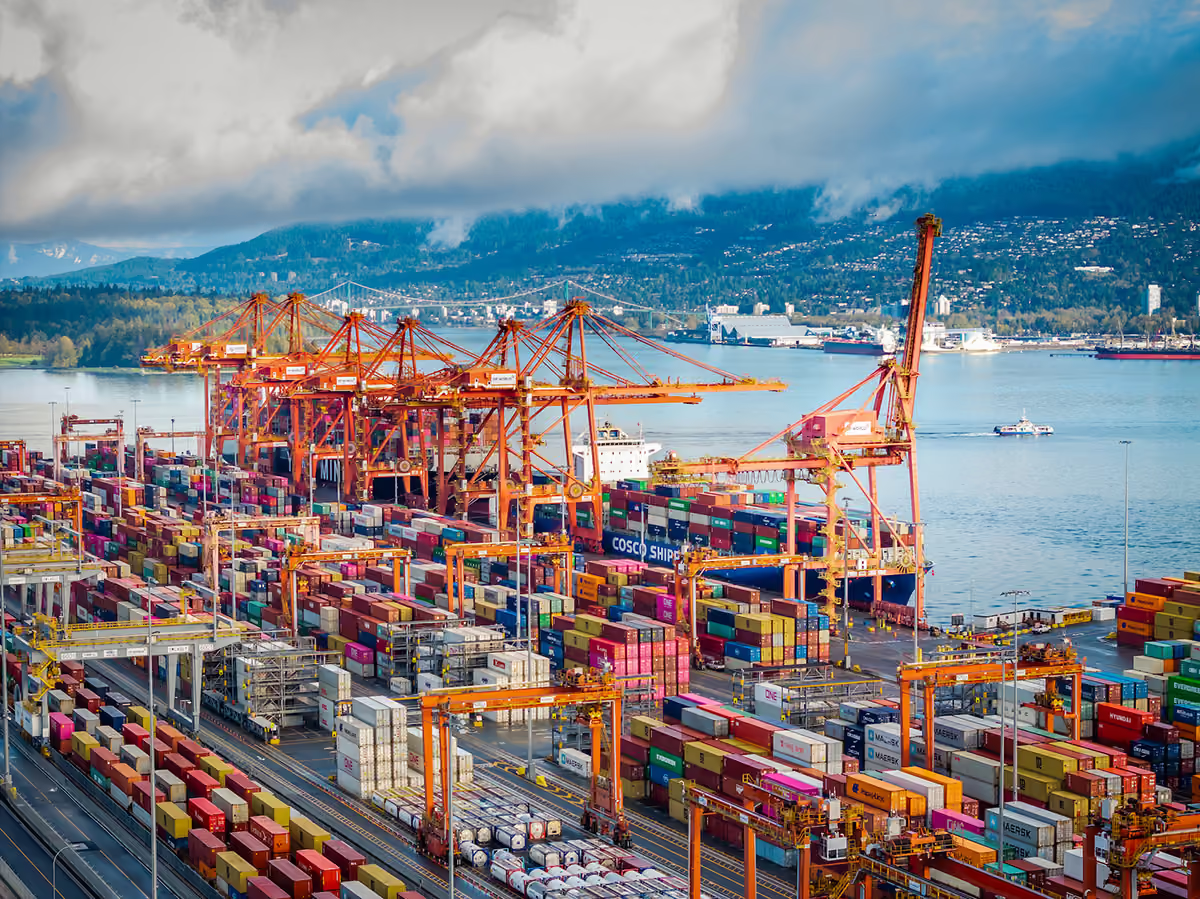
Canadian manufacturers face a 31.6% annual surge in raw materials costs as April's 2.6% monthly increase compounds energy price volatility from Strait of Hormuz disruptions. With Brent crude oscillating between $98-106/barrel and WTI around $91/barrel amid ongoing Gulf shipping constraints, input cost pressures threaten to push Canada's annual producer price inflation above 11.4%. The Raw Materials Price Index (RMPI) a purchaser's price measure that includes transportation, duties, and net taxes paid by manufacturers to bring commodities to factory gates captures the full landed cost burden facing Canadian industry. The closure of the Strait of Hormuz, an important global shipping lane for petroleum and other products, was the main event impacting price movements across multiple commodities in March, with effects cascading into April data.
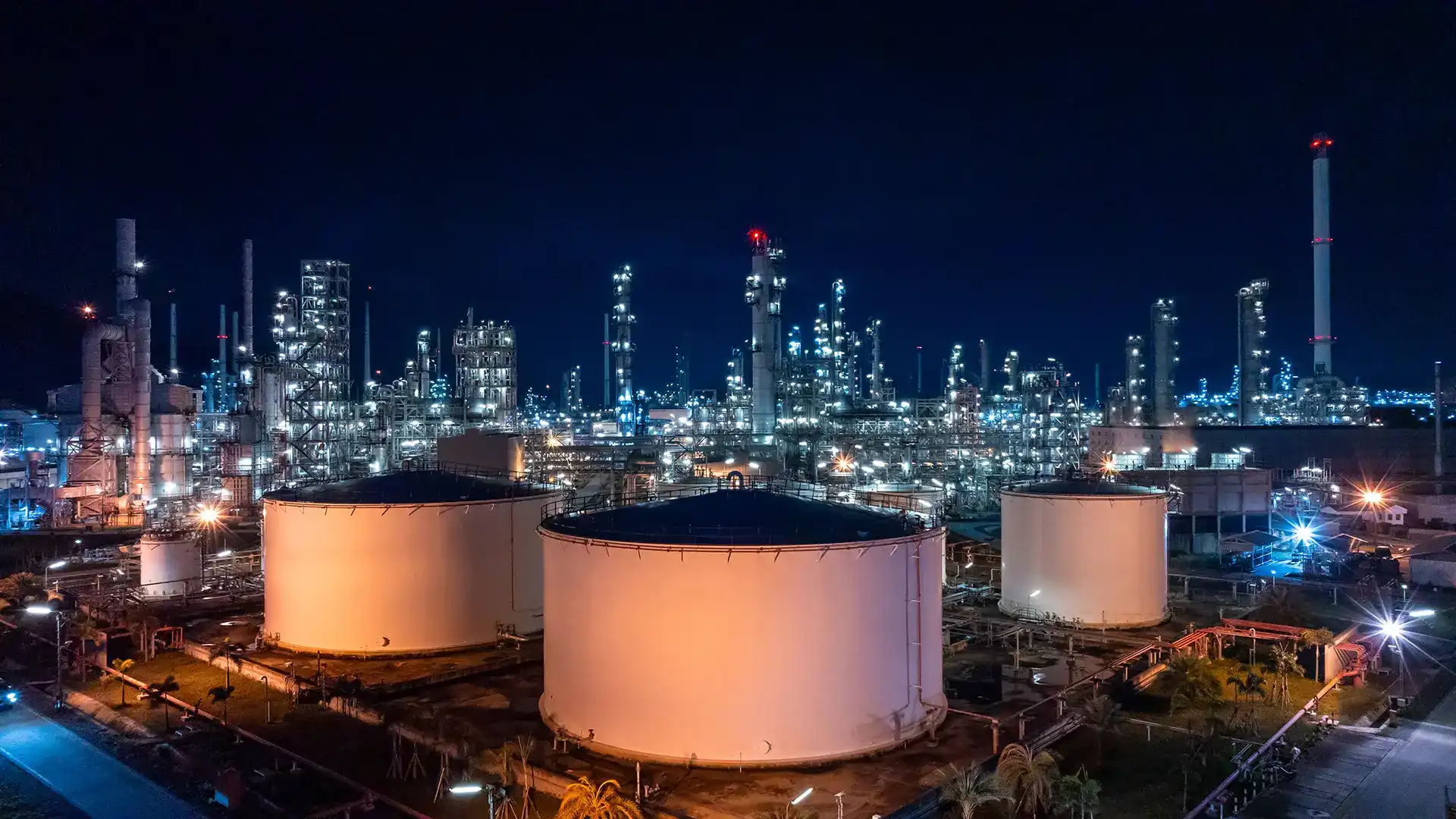
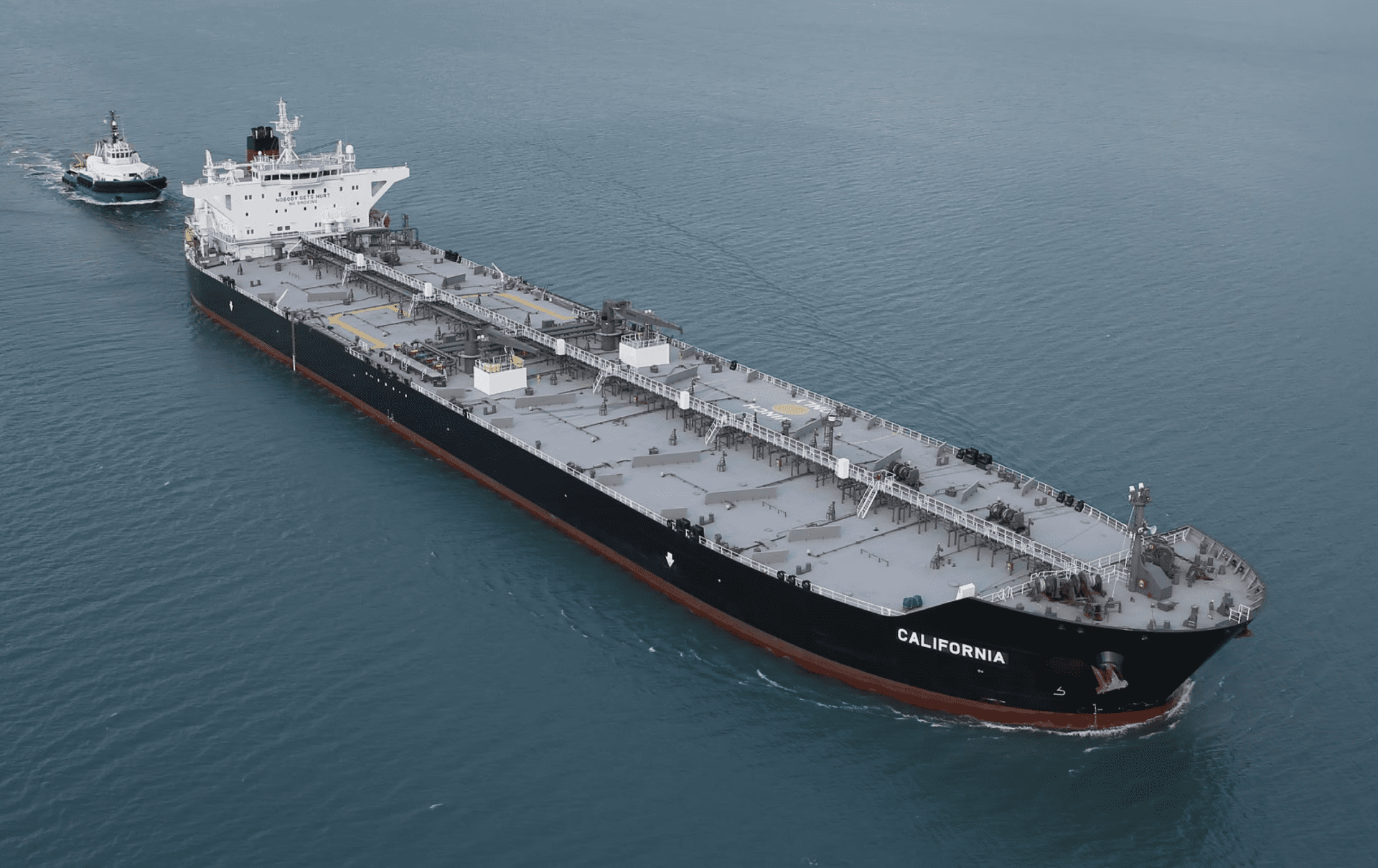
Synthetic crude oil prices jumped 17.8% month over month in April, significantly outpacing conventional crude's 6.2% gain. This divergence signals either severe refinery margin compression or a dramatic narrowing of the Canadian heavy crude discount to global benchmarks. Canada's oil sands production which creates synthetic crude through upgrading bitumen typically trades at a $10-15/barrel discount to West Texas Intermediate due to transportation bottlenecks and refining complexity. When synthetic crude outperforms conventional grades by this magnitude, it indicates either pipeline constraint relief or refineries desperately competing for available Canadian supply to replace disrupted Gulf imports. Before US-Israeli attacks on Iran in late February, about 3,000 vessels typically passed through Hormuz monthly, carrying 15 million barrels per day of crude exports, approximately 20% of global oil trade now severely constrained.
Chemicals experienced their largest monthly gain on record at 7.3%, with plastic resins surging 35.7% and dyes, pigments, and petrochemicals rising 15%. Consider a mid-sized Canadian plastics manufacturer sourcing 1,000 tonnes of polyethylene monthly. At pre-crisis prices of approximately $1,200/tonne, monthly resin costs were $1.2 million. The 35.7% increase adds $428,400 monthly over $5 million annually in direct material costs alone. This manufacturer cannot absorb such increases through operational efficiency and must either reduce output, substitute inferior materials, or pass costs to downstream customers already facing their own input pressures. Around a third of global seaborne methanol trade passes through Hormuz, tightening supply of a key chemical feedstock for resins and plastics, particularly affecting China where port inventories could fall below warning thresholds.
On the buy side: Large integrated manufacturers with derivatives access can hedge input costs through commodity futures or enter fixed-price supply contracts extending 6-12 months. Smaller regional operators independent food processors, furniture manufacturers, construction material suppliers without derivatives access must rely on supplier negotiations, inventory adjustments, or direct customer price increases to manage volatility. For mid-market Canadian manufacturers, the 31.6% annual input cost inflation represents an existential pricing challenge when domestic demand remains price-sensitive and export competitiveness depends on stable cost structures. The Strait has been effectively closed to commercial shipping for 69+ days following initial March 2026 closure and a failed brief reopening on April 21-22, creating sustained rather than temporary cost pressure.
Canadian oil sands producers benefit from the synthetic crude premium expansion, capturing higher netbacks as global refineries compete for non-Gulf supply. However, this gain concentrates among Alberta-based energy companies while manufacturing cost inflation disperses across all provinces. Statistics Canada will release April industrial product and raw materials price indexes on May 22, providing the next critical data point for Bank of Canada monetary policy assessment. Watch the year over year RMPI figure consensus expects approximately 29% versus April's 31.6% as a potential catalyst for renewed inflation expectations and interest rate pressure. If May data shows continued acceleration rather than moderation, the Bank of Canada faces the uncomfortable choice between containing inflation through higher rates or preserving economic growth amid external supply shocks beyond domestic policy control.


.jpg)

'%3e%3cg id='Final-Copy-2_2_' transform='translate(1275.000000, 200.000000)'%3e%3cpath class='st0' d='M7.4,12.8h6.8l3.1-11.6H7.4C4.2,1.2,1.6,3.8,1.6,7S4.2,12.8,7.4,12.8z'/%3e%3c/g%3e%3c/g%3e%3c/g%3e%3cg id='final---dec.11-2020'%3e%3cg id='_x30_208-our-toggle' transform='translate(-1275.000000, -200.000000)'%3e%3cg id='Final-Copy-2' transform='translate(1275.000000, 200.000000)'%3e%3cpath class='st1' d='M22.6,0H7.4c-3.9,0-7,3.1-7,7s3.1,7,7,7h15.2c3.9,0,7-3.1,7-7S26.4,0,22.6,0z M1.6,7c0-3.2,2.6-5.8,5.8-5.8 h9.9l-3.1,11.6H7.4C4.2,12.8,1.6,10.2,1.6,7z'/%3e%3cpath id='x' class='st2' d='M24.6,4c0.2,0.2,0.2,0.6,0,0.8l0,0L22.5,7l2.2,2.2c0.2,0.2,0.2,0.6,0,0.8c-0.2,0.2-0.6,0.2-0.8,0 l0,0l-2.2-2.2L19.5,10c-0.2,0.2-0.6,0.2-0.8,0c-0.2-0.2-0.2-0.6,0-0.8l0,0L20.8,7l-2.2-2.2c-0.2-0.2-0.2-0.6,0-0.8 c0.2-0.2,0.6-0.2,0.8,0l0,0l2.2,2.2L23.8,4C24,3.8,24.4,3.8,24.6,4z'/%3e%3cpath id='y' class='st3' d='M12.7,4.1c0.2,0.2,0.3,0.6,0.1,0.8l0,0L8.6,9.8C8.5,9.9,8.4,10,8.3,10c-0.2,0.1-0.5,0.1-0.7-0.1l0,0 L5.4,7.7c-0.2-0.2-0.2-0.6,0-0.8c0.2-0.2,0.6-0.2,0.8,0l0,0L8,8.6l3.8-4.5C12,3.9,12.4,3.9,12.7,4.1z'/%3e%3c/g%3e%3c/g%3e%3c/g%3e%3c/g%3e%3c/svg%3e) Privacy Choices
Privacy Choices