.avif)
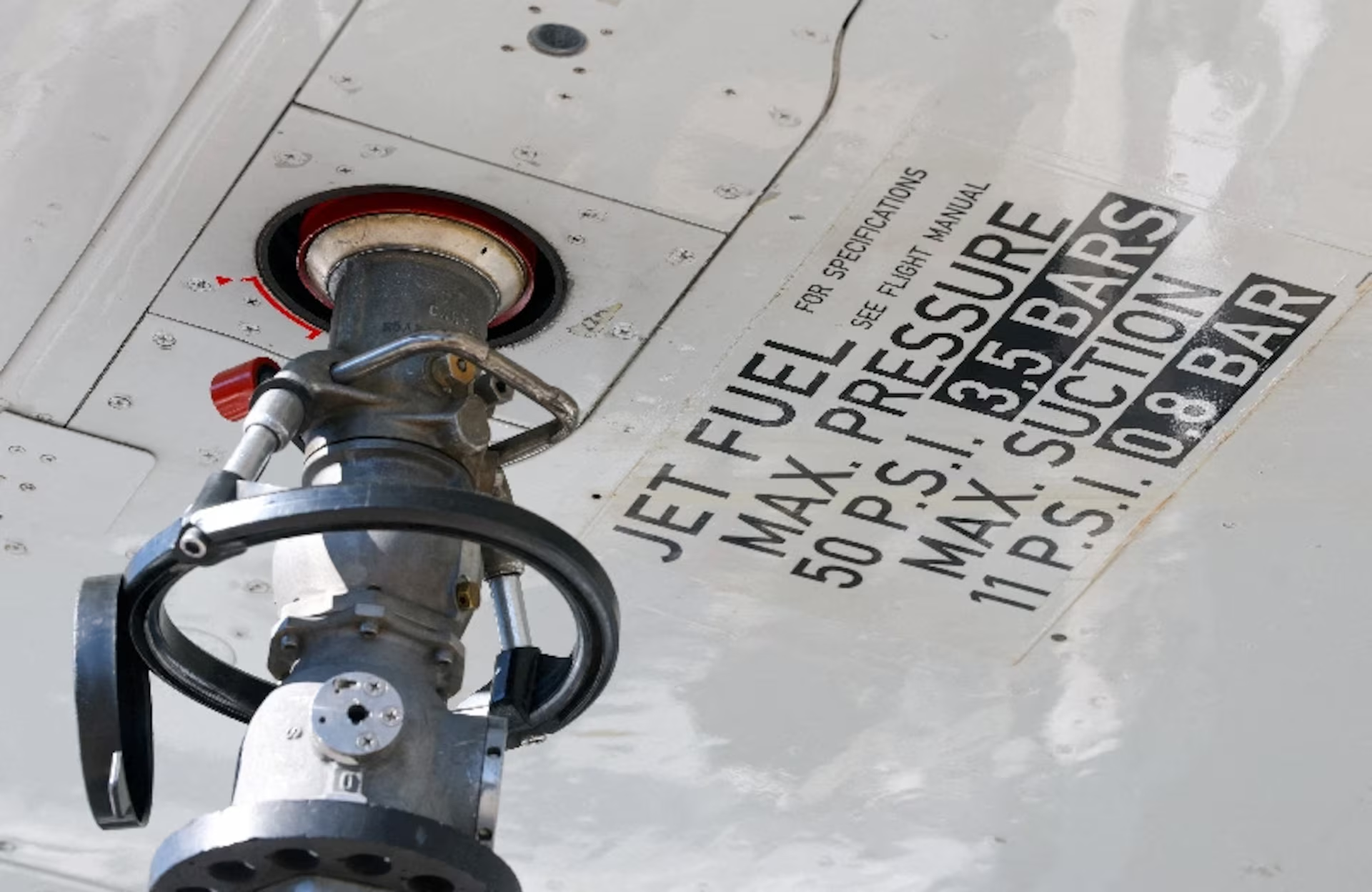
Australian jet fuel importers face a fundamental split in market access starting June: government backed buyers secure premium Chinese supply while private operators confront tightening availability and compressed margins. Australia has secured three shipments of jet fuel from China totaling more than 600,000 barrels, equivalent to approximately 100 million litres, with deliveries expected to commence from early June. The deal, financed through Australia's $5.36 billion Fuel and Fertiliser Security Facility, represents roughly four days of normal Australian consumption and establishes a two-tier market structure. At current spot prices of approximately $162.55 per barrel for jet fuel, this government purchase is worth roughly $97.5 million costly insurance that demonstrates how state intervention shapes supply chain hierarchy during crisis.
The margin anatomy reveals stark differences by operator type. China supplied a third of Australia's aviation fuel last year, but Chinese state oil companies now prioritise government contracts. For large integrated fuel distributors with government backing Ampol, Viva Energy the state facility provides credit enhancement and direct supplier access through diplomatic channels. Their jet fuel purchase margins remain viable because government backing eliminates counterparty risk. For mid-sized regional fuel distributors and independent aviation suppliers without government facility access, the same Chinese sources become either unavailable or priced at premiums that eliminate working margins. The 600,000 barrel government deal effectively reserves Chinese supply capacity, forcing smaller operators toward costlier alternatives or reduced operations.
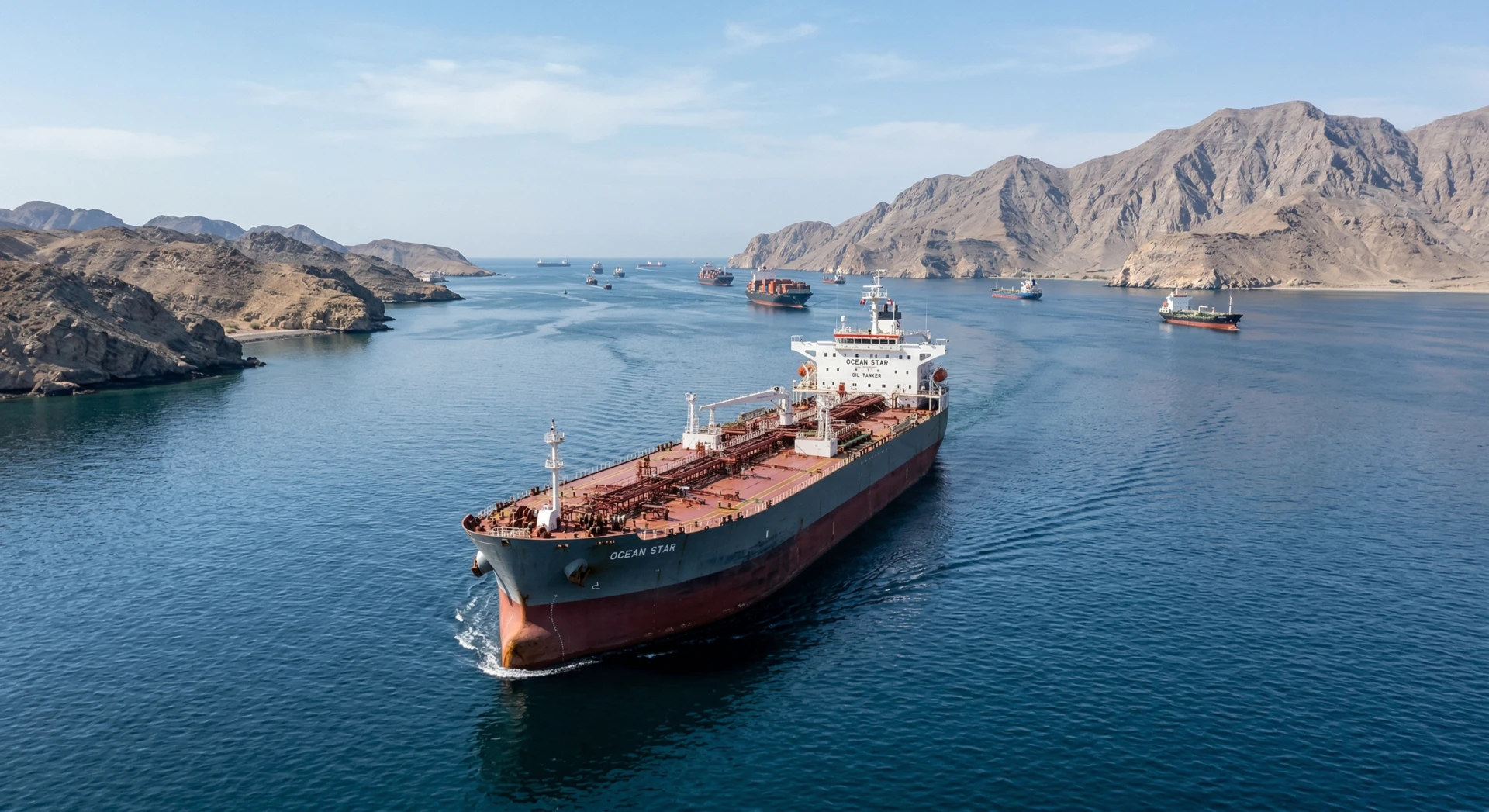
Freight dynamics compound the access divide. The US-Iran conflict has pushed the Strait of Hormuz to a de facto closure through insurance withdrawal, putting at risk roughly 20% of global oil supply alongside critical volumes of jet fuel. Alternative routing from China to Australia direct Pacific transit avoiding Middle East chokepoints carries vessel freight rates approximately 40% below Hormuz disrupted routes. Chinese state companies with long-term vessel charters can absorb these freight advantages and pass savings to government buyers. Private importers accessing Chinese supply through spot markets pay both higher product pricing and full freight premiums, compressing margins by an estimated $15-20 per barrel compared to pre-crisis levels.
The bilateral negotiation mechanism bypassed standard commercial procurement. The agreement to secure 600,000 barrels of jet fuel reflects efforts to stabilize domestic aviation supply, while Chinese officials indicated the shipments were part of broader energy cooperation discussions held during recent bilateral talks. Foreign Minister Penny Wong's April discussions with Chinese Premier Li Qiang established the framework where Canberra has highlighted to Beijing that jet fuel supports the Australian resources sector. This government to government channel creates pricing structures unavailable to private buyers. Chinese state oil companies likely Sinopec or PetroChina can offer fixed-price contracts with payment guarantees backed by Australia's sovereign facility, eliminating the credit and logistics risks that drive commercial premiums during supply disruption.
For large fuel trading houses Trafigura, Vitol, Mercuria with Asian operations, the Australia-China deal signals broader market segmentation. State buyers increasingly secure supply through diplomatic channels, reducing available volumes in commercial spot markets. These major traders now compete for shrinking Chinese export allocations while managing higher working capital costs from extended payment terms and increased insurance requirements. Their Asia-Pacific jet fuel trading margins face pressure as state procurement removes approximately 10-15% of previously available Chinese export volumes from commercial markets. Derivative hedging becomes more expensive as physical supply concentration increases counterparty risk in futures markets.
Smaller regional operators independent fuel distributors, aviation service providers, regional airline fuel buyers face the most acute margin compression. Without access to government financing facilities or long-term supplier relationships, they purchase jet fuel through spot markets where Chinese availability has contracted sharply. Aviation activity is also running well below normal levels, helping to ease some of the pressure on jet fuel prices, which nearly tripled after Middle Eastern exports were cut off. Even with reduced demand, spot prices for smaller volumes remain elevated because Chinese exporters prioritise large government contracts. These operators either reduce fuel inventory to minimum operational levels or pass through full cost increases to end customers, concentrating financial stress in regional aviation markets.
The supply chain geography reveals Australia's structural vulnerability. With no domestic jet fuel refining capacity, Australia imports approximately 90% of aviation fuel requirements. The Middle East conflict and closure of the Strait of Hormuz have caused fuel prices to soar and left many Asia-Pacific nations facing an energy crisis. The 600,000 barrel Chinese purchase provides psychological rather than meaningful supply security roughly equivalent to 3-4 days of normal consumption. However, the precedent establishes bilateral supply channels that could expand if commercial markets remain constrained. Alternative suppliers including South Korea, Japan, and Singapore face their own supply pressures, making Chinese state companies the most reliable large-scale source for government backed purchases.
For procurement professionals monitoring market development, the Australia-China deal signals accelerating state intervention in fuel markets across Asia-Pacific. Similar bilateral arrangements are likely emerging between other fuel import-dependent nations and Chinese state companies, further segmenting commercial availability. The key indicator to watch is Chinese monthly jet fuel export data from China's General Administration of Customs, typically released with 6-8 week delays. If Chinese jet fuel exports to Australia increase significantly above historical averages of approximately 150,000-200,000 barrels monthly, it confirms state backed procurement is expanding at the expense of commercial market access.
The commercial consequence crystallises into permanent market structure change: state buyers secure supply through diplomatic channels while private operators compete for increasingly constrained commercial volumes. Australia's jet fuel import market splits between government backed procurement with secured supply access and private buyers facing margin compression and availability uncertainty. Watch Chinese jet fuel export data to Australia through July-August for confirmation that bilateral state procurement is expanding systematically beyond this initial 600,000 barrel deal.

.jpg)

'%3e%3cg id='Final-Copy-2_2_' transform='translate(1275.000000, 200.000000)'%3e%3cpath class='st0' d='M7.4,12.8h6.8l3.1-11.6H7.4C4.2,1.2,1.6,3.8,1.6,7S4.2,12.8,7.4,12.8z'/%3e%3c/g%3e%3c/g%3e%3c/g%3e%3cg id='final---dec.11-2020'%3e%3cg id='_x30_208-our-toggle' transform='translate(-1275.000000, -200.000000)'%3e%3cg id='Final-Copy-2' transform='translate(1275.000000, 200.000000)'%3e%3cpath class='st1' d='M22.6,0H7.4c-3.9,0-7,3.1-7,7s3.1,7,7,7h15.2c3.9,0,7-3.1,7-7S26.4,0,22.6,0z M1.6,7c0-3.2,2.6-5.8,5.8-5.8 h9.9l-3.1,11.6H7.4C4.2,12.8,1.6,10.2,1.6,7z'/%3e%3cpath id='x' class='st2' d='M24.6,4c0.2,0.2,0.2,0.6,0,0.8l0,0L22.5,7l2.2,2.2c0.2,0.2,0.2,0.6,0,0.8c-0.2,0.2-0.6,0.2-0.8,0 l0,0l-2.2-2.2L19.5,10c-0.2,0.2-0.6,0.2-0.8,0c-0.2-0.2-0.2-0.6,0-0.8l0,0L20.8,7l-2.2-2.2c-0.2-0.2-0.2-0.6,0-0.8 c0.2-0.2,0.6-0.2,0.8,0l0,0l2.2,2.2L23.8,4C24,3.8,24.4,3.8,24.6,4z'/%3e%3cpath id='y' class='st3' d='M12.7,4.1c0.2,0.2,0.3,0.6,0.1,0.8l0,0L8.6,9.8C8.5,9.9,8.4,10,8.3,10c-0.2,0.1-0.5,0.1-0.7-0.1l0,0 L5.4,7.7c-0.2-0.2-0.2-0.6,0-0.8c0.2-0.2,0.6-0.2,0.8,0l0,0L8,8.6l3.8-4.5C12,3.9,12.4,3.9,12.7,4.1z'/%3e%3c/g%3e%3c/g%3e%3c/g%3e%3c/g%3e%3c/svg%3e) Privacy Choices
Privacy Choices