.avif)

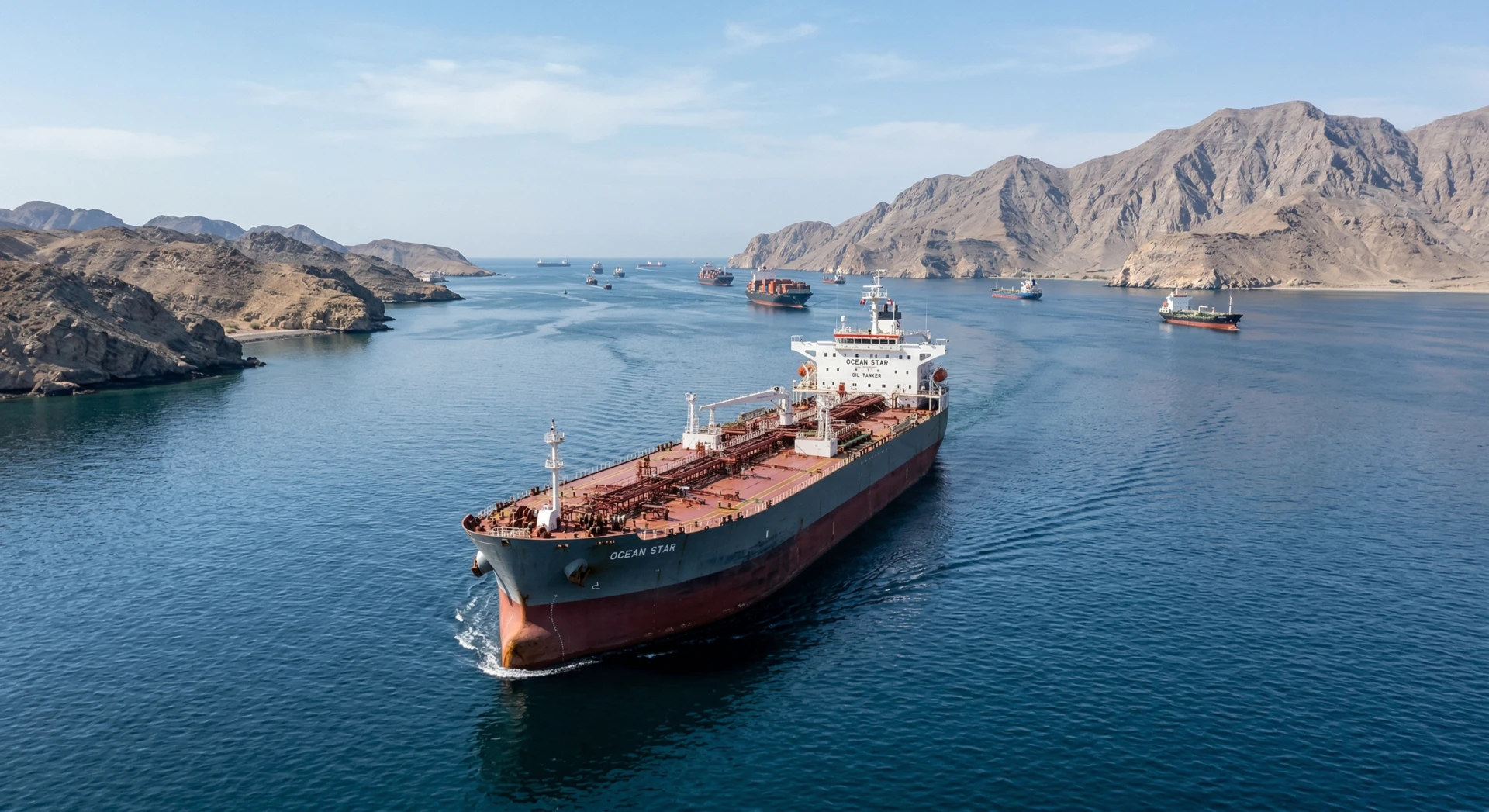
Crude oil prices are trading at $111 per barrel for Brent and $105 per barrel for WTI as the UN cuts its 2026 global growth forecast to 2.5% from 2.7%, citing Middle East energy disruptions that could send growth as low as 2.1% in an adverse scenario. European Energy Importers face immediate margin compression as UN economists warn inflation will reach 3.9% this year 0.8% higher than January forecasts driven by increased energy prices and refinery product costs crucial to industrial production. The Strait of Hormuz remains practically closed, with ship transits collapsing from 130 per day in February to just 6 in March, representing a 95% drop in traffic through the waterway that normally carries 25% of seaborne oil trade and 20% of liquefied natural gas.
A growth forecast is an official projection of economic expansion how much larger an economy will be compared to the previous year. The 2.5% figure represents one of the weakest growth rates this century outside the COVID-19 pandemic and 2008 financial crisis, according to Shantanu Mukherjee, director of economic analysis at the UN Department of Economic and Social Affairs. The revision reflects immediate commercial reality: global oil supply crashed by 10.1 million barrels per day in March due to attacks on energy infrastructure and shipping restrictions, with output expected to fall 6.9 million barrels daily in Q2 2026 the largest quarterly decline since the pandemic. For a mid-sized European chemical manufacturer importing 50,000 tonnes of naphtha monthly through Rotterdam, the disruption adds approximately $15-20 per tonne in freight and insurance costs alone. At current elevated prices, their quarterly feedstock bill has increased by roughly €8-12 million compared to January levels.
On the buy side, developed economies face inflation rising from 2.6% to 2.9% in 2026, while developing countries see acceleration from 4.2% to 5.2% as higher energy and transport costs erode real incomes. European utilities with winter gas contracts locked at €40-45 per MWh are protected through 2026, but those relying on spot markets face prices approaching €80-90 per MWh double the seasonal norm. On the sell side, alternative suppliers are capturing windfall premiums. Buyers seeking to insulate portfolios from conflict related disruptions are placing premiums on Canadian energy sources due to their reputation as relatively stable suppliers with no exposure to geopolitical conflicts and shipping chokepoints. Norwegian gas producers are commanding 25-30% premiums over pre-crisis levels, while US LNG exporters with flexible contracts are redirecting cargoes to European buyers at spot-plus pricing.
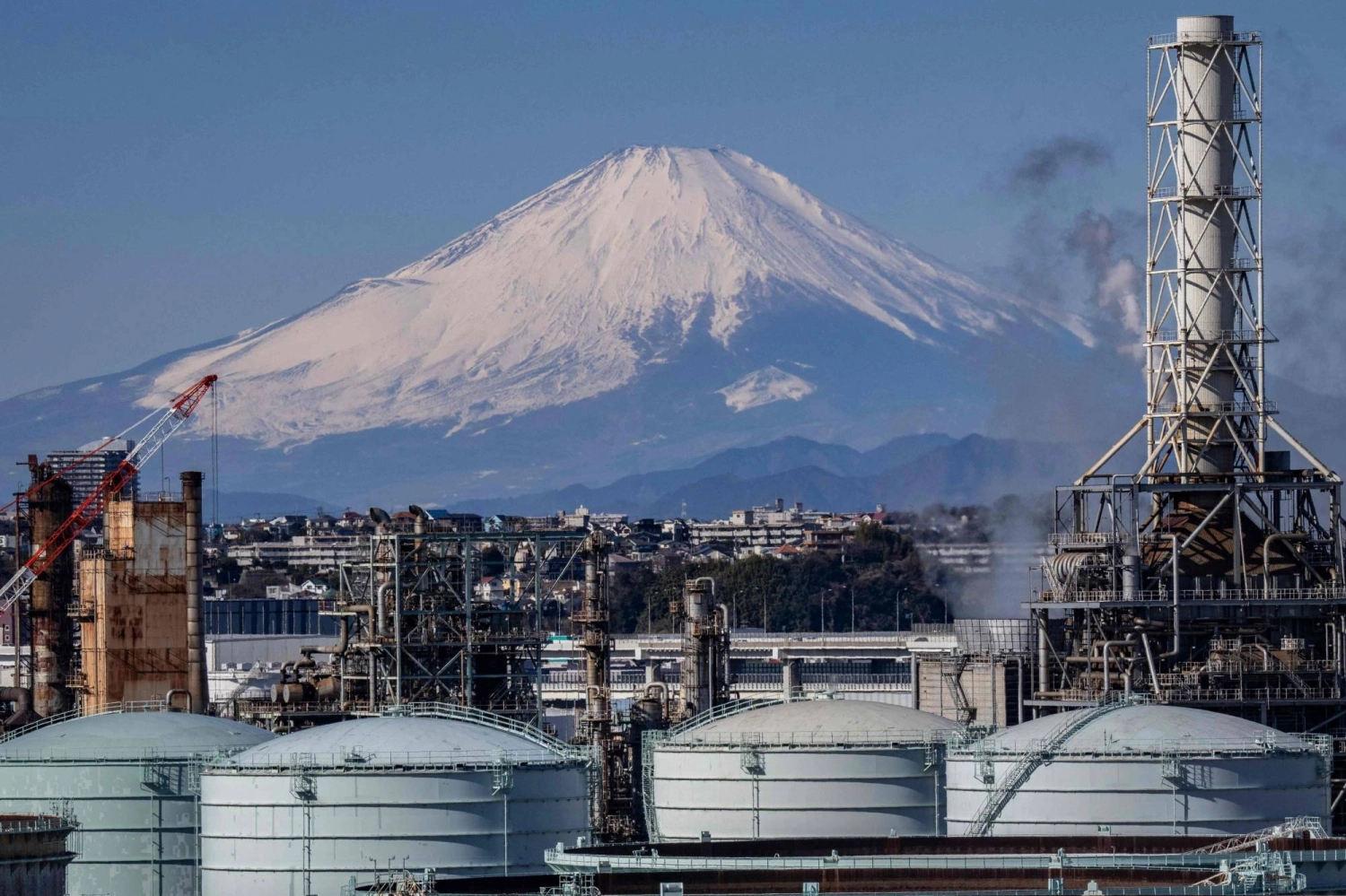
For large integrated players the Shells, Totalenergies, and national oil companies with global portfolios derivative markets offer protection through Brent-WTI spreads and freight hedging instruments. A major European refiner can lock in crack spreads (the margin between crude oil and refined product prices) at current elevated levels of $25-30 per barrel for gasoline, compared to $15-18 historically. For smaller regional operators independent fuel distributors, chemical formulators, power cooperatives the practical equivalent involves fixing bilateral supply contracts with alternative sources and adjusting inventory levels. A mid-sized German heating oil distributor might secure winter supplies through long-term contracts with Russian alternatives via pipeline or extend payment terms with suppliers to manage cash flow impact. Regional impacts vary dramatically: Western Asia faces growth plunging from 3.6% to 1.4% due to direct infrastructure damage and oil production disruptions, while Africa sees only slight growth reduction from 4.2% to 3.9%.
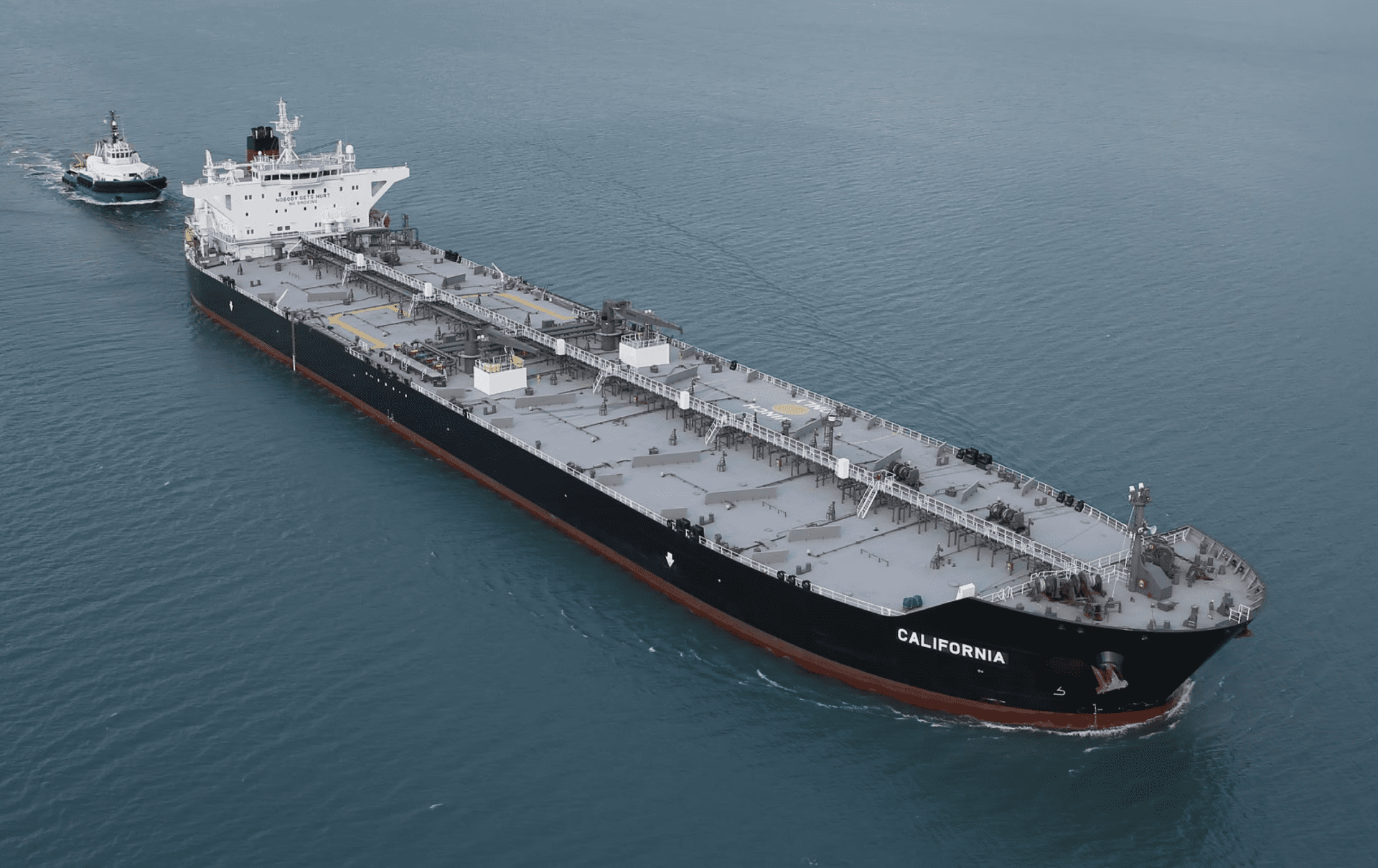
For observers monitoring energy security implications, watch the Baltic Dry Index and Aframax tanker rates three supertankers reportedly departed the Strait on Wednesday, suggesting possible easing of restrictions. US President Trump indicates final stages of Iran negotiations could end the naval blockade and restore commercial vessel traffic through the chokepoint, which has suspended tanker flows since March. The key signal is Brent-WTI price convergence: if successful negotiations restore Hormuz shipping within 30 days, expect the current $7-8 spread to narrow to historical $3-4 levels as Middle East crude returns to global markets. Abu Dhabi National Oil Company's CEO warns full recovery in Middle Eastern oil flows is unlikely before late 2027, suggesting sustained market tightness and elevated freight premiums through multiple demand cycles.
.jpg)


'%3e%3cg id='Final-Copy-2_2_' transform='translate(1275.000000, 200.000000)'%3e%3cpath class='st0' d='M7.4,12.8h6.8l3.1-11.6H7.4C4.2,1.2,1.6,3.8,1.6,7S4.2,12.8,7.4,12.8z'/%3e%3c/g%3e%3c/g%3e%3c/g%3e%3cg id='final---dec.11-2020'%3e%3cg id='_x30_208-our-toggle' transform='translate(-1275.000000, -200.000000)'%3e%3cg id='Final-Copy-2' transform='translate(1275.000000, 200.000000)'%3e%3cpath class='st1' d='M22.6,0H7.4c-3.9,0-7,3.1-7,7s3.1,7,7,7h15.2c3.9,0,7-3.1,7-7S26.4,0,22.6,0z M1.6,7c0-3.2,2.6-5.8,5.8-5.8 h9.9l-3.1,11.6H7.4C4.2,12.8,1.6,10.2,1.6,7z'/%3e%3cpath id='x' class='st2' d='M24.6,4c0.2,0.2,0.2,0.6,0,0.8l0,0L22.5,7l2.2,2.2c0.2,0.2,0.2,0.6,0,0.8c-0.2,0.2-0.6,0.2-0.8,0 l0,0l-2.2-2.2L19.5,10c-0.2,0.2-0.6,0.2-0.8,0c-0.2-0.2-0.2-0.6,0-0.8l0,0L20.8,7l-2.2-2.2c-0.2-0.2-0.2-0.6,0-0.8 c0.2-0.2,0.6-0.2,0.8,0l0,0l2.2,2.2L23.8,4C24,3.8,24.4,3.8,24.6,4z'/%3e%3cpath id='y' class='st3' d='M12.7,4.1c0.2,0.2,0.3,0.6,0.1,0.8l0,0L8.6,9.8C8.5,9.9,8.4,10,8.3,10c-0.2,0.1-0.5,0.1-0.7-0.1l0,0 L5.4,7.7c-0.2-0.2-0.2-0.6,0-0.8c0.2-0.2,0.6-0.2,0.8,0l0,0L8,8.6l3.8-4.5C12,3.9,12.4,3.9,12.7,4.1z'/%3e%3c/g%3e%3c/g%3e%3c/g%3e%3c/g%3e%3c/svg%3e) Privacy Choices
Privacy Choices