.avif)
Indian fertilizer producers face an immediate margin compression crisis as March output collapsed 24.6% year-over-year — the steepest single-month decline on record. Wholesale ammonia gas prices jumped 22% in March compared to February, the highest month-over-month surge since 2012. For a mid-sized integrated producer like Coromandel International operating a 1.3-million-tonne urea plant, this translates to approximately Rs 840 million in additional monthly feedstock costs — roughly $10 million — that cannot be passed through to regulated retail prices.
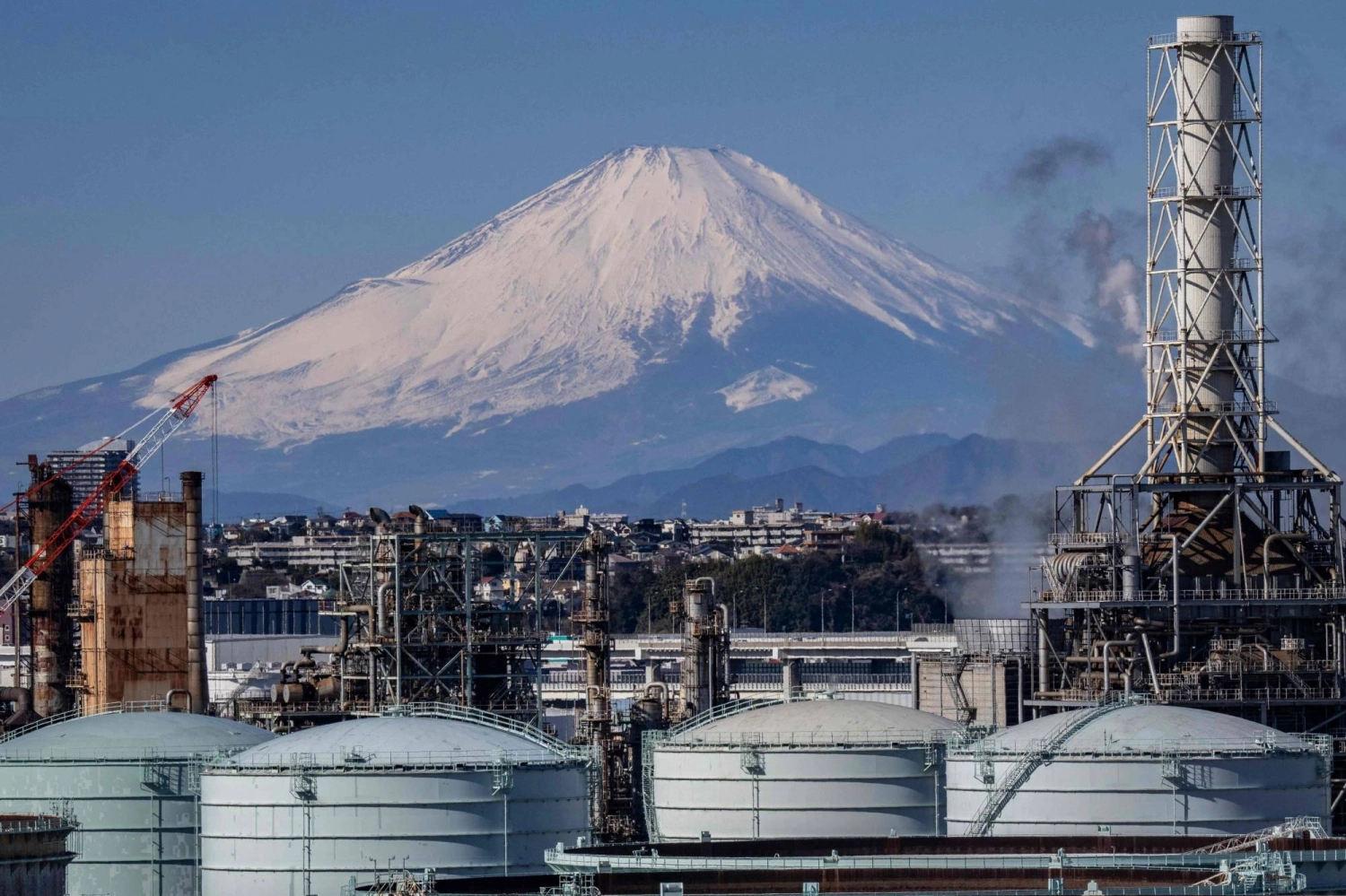
The disruption stems directly from the US-Israel-Iran war that effectively closed the Strait of Hormuz and struck Gulf nations, choking supply of petrochemical inputs. Nearly 86% of LNG required by India's fertilizer plants is sourced from West Asia, creating structural dependence that no domestic expansion can quickly replace. While 80-85% of India's urea is produced domestically, this output is contingent on imported natural gas. Ammonia — the chemical building block that provides nitrogen for urea production — requires natural gas burned at high pressure with hydrogen to synthesize. When Gulf LNG supplies contract, Indian plants simply cannot maintain production rates.
The timing amplifies commercial consequences: India enters the high-stakes Kharif sowing season in June-July, when fertilizer demand peaks ahead of monsoon rains. Agriculture employs more than 45% of India's population, making fertilizer availability a critical political and economic stability factor. CRISIL estimates domestic urea and complex fertilizer output could plunge by 10-15% if supply disruptions persist for three months — spanning the entire planting window. India already lost around 800,000 tonnes in monthly urea production of 2.6 million due to limiting industrial gas supply to the 70-75% range.
On the buy side, large integrated producers with financial capacity — Rashtriya Chemicals & Fertilizers, Indian Farmers Fertiliser Cooperative — can secure alternative LNG sources from Qatar's permitted vessels or pivot to Russian/Belarusian supplies at premium rates. The government is boosting purchases from alternative sources including Indonesia, Belarus, Morocco, Russia, and China. However, these spot purchases command 15-25% premiums over Gulf contract rates, creating margin pressure that regulated selling prices cannot absorb. The fertilizer subsidy bill could increase by Rs 25,000 crore, or 12-15%, from the projected Rs 1.71 trillion for fiscal 2027.
On the sell side, smaller regional producers — cooperative societies, state-level distributors — face complete margin elimination. Efficient producers typically operate about 5% below prescribed energy norms, boosting profitability, but declining capacity utilization hits energy efficiency and operating profits. For a 500,000-tonne regional plant operating at 65% capacity instead of 85%, fixed cost absorption deteriorates by approximately Rs 180 per tonne, while variable energy costs climb Rs 280 per tonne from alternative sourcing. India is the world's largest importer of urea, and prolonged shortage could force the country to buy more from international markets, driving up global prices and adding to the government's already heavy subsidy bill.
For traders and intermediaries, margin concentration shifts dramatically toward import licensing and alternative sourcing. India has already received around 1 million tonnes of urea at its ports through pre-war tenders, ensuring supply until May 2026, but officials acknowledge this is only a temporary buffer with additional imports necessary. Trading companies with established relationships in non-Gulf markets — particularly those with Russian, Chinese, or Indonesian counterparts — command premium margins as desperate Indian buyers compete for scarce volumes. Since early March, urea prices in global markets have jumped from $460 per tonne to almost $850, while DAP rates have climbed 25-50% to $850-1,000 per tonne.
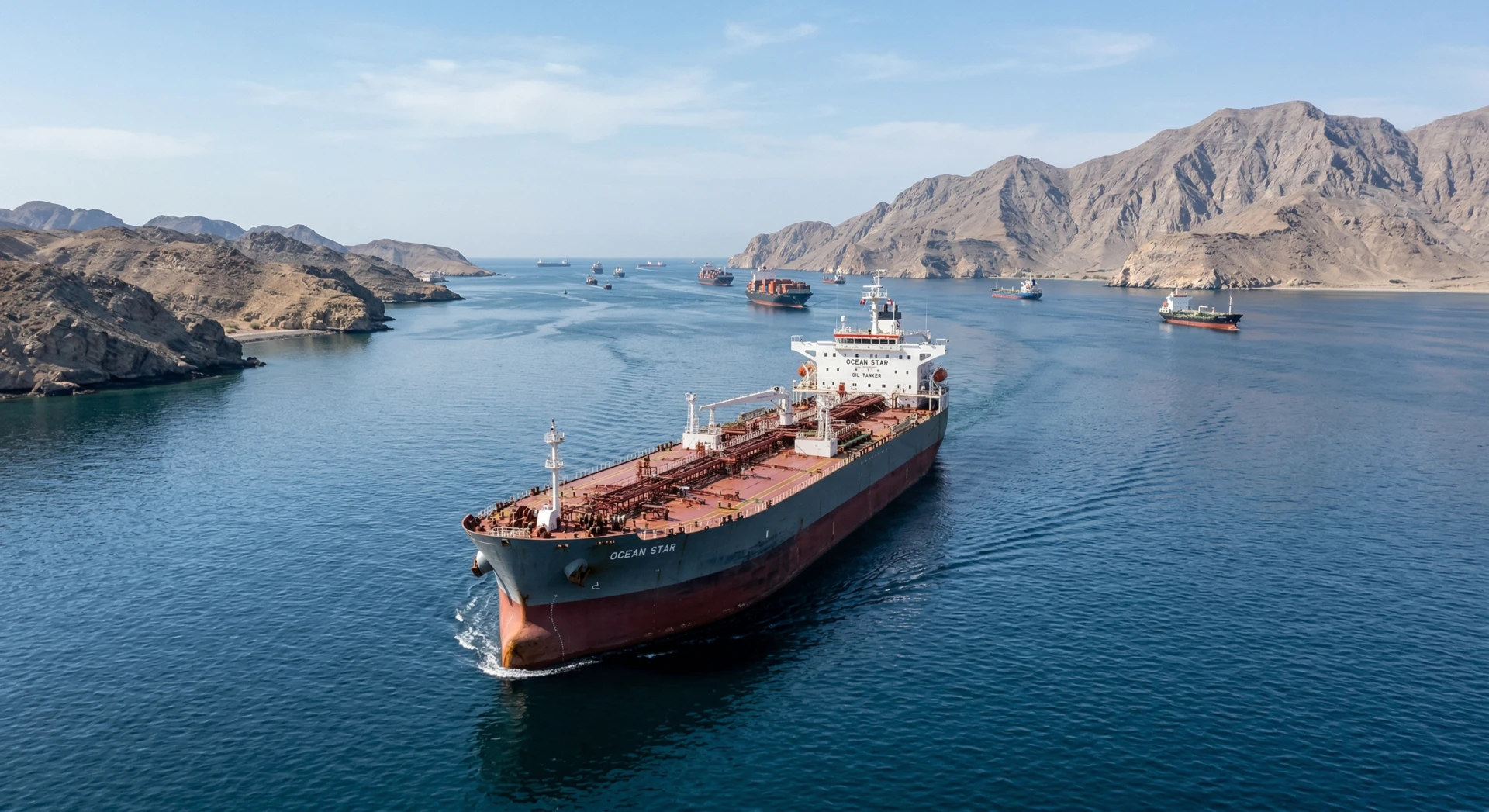
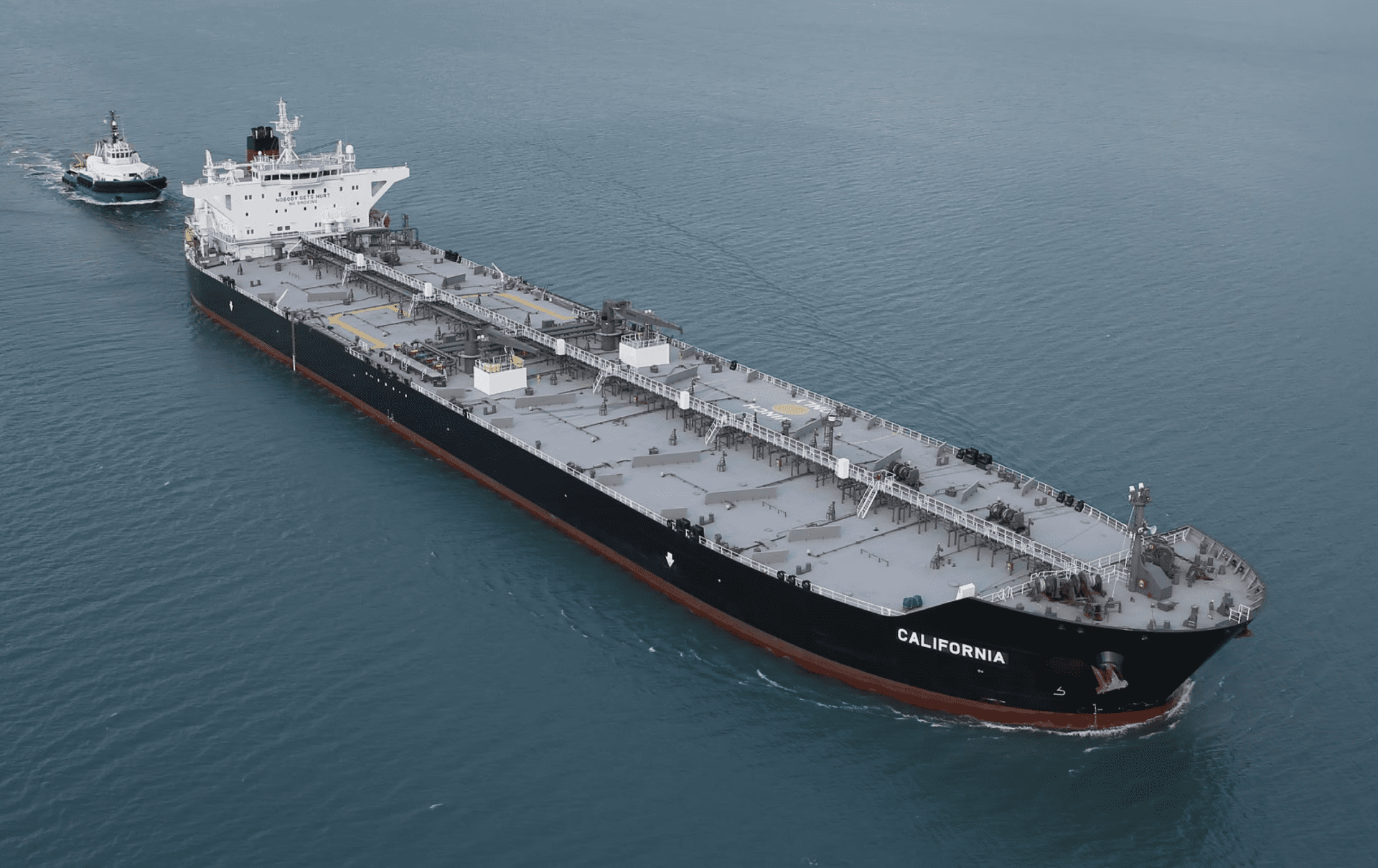
The freight dimension reveals where residual margins concentrate. About one-third of global seaborne fertilizer trade typically passes through the Strait of Hormuz, which has been nearly entirely closed since February 28. Traffic in the Strait has fallen from around 130 ships daily before the crisis to single digits in early March — a decline of more than 95%. Vessel operators willing to accept war-risk premiums and navigate alternative routes through Omani waters command extraordinary day rates. A 35,000-tonne fertilizer carrier previously earning $8,000 daily now commands $35,000-45,000 for voyages from alternative sources like Russian Baltic ports to Indian west coast terminals — adding approximately $12-15 per tonne to delivered costs.
Historically, India's fertilizer sector has weathered supply shocks through subsidy absorption and strategic reserve drawdowns. However, unlike oil stockpiles, G7 countries don't maintain strategic fertilizer reserves, and India holds no strategic reserves of LPG or LNG, leaving it especially vulnerable to such disruptions. The Gulf region produces nearly half of the world's urea and 30% of ammonia, with urea prices increasing by 50% since the war started. The last comparable disruption was the 2022 Russia-Ukraine conflict, but the 2026 Hormuz closure has produced much faster response in nitrogen markets, with urea prices up more than 28% within three weeks, reflecting concentration of production in the Persian Gulf.
For observers monitoring sector stress, track the India Urea Production Index released monthly by the Ministry of Commerce — if April data shows sequential decline below 1.6 million tonnes, complete supply chain breakdown becomes probable by June. President Trump has stated the Strait of Hormuz will remain blocked until a deal is secured, with negotiations expected to conclude by week's end. Urea production will return to normal levels following improvement in natural gas supplies, with some idled plants restarting operations, but the window for Kharif season preparation narrows with each passing week.

.jpg)
.jpg)
'%3e%3cg id='Final-Copy-2_2_' transform='translate(1275.000000, 200.000000)'%3e%3cpath class='st0' d='M7.4,12.8h6.8l3.1-11.6H7.4C4.2,1.2,1.6,3.8,1.6,7S4.2,12.8,7.4,12.8z'/%3e%3c/g%3e%3c/g%3e%3c/g%3e%3cg id='final---dec.11-2020'%3e%3cg id='_x30_208-our-toggle' transform='translate(-1275.000000, -200.000000)'%3e%3cg id='Final-Copy-2' transform='translate(1275.000000, 200.000000)'%3e%3cpath class='st1' d='M22.6,0H7.4c-3.9,0-7,3.1-7,7s3.1,7,7,7h15.2c3.9,0,7-3.1,7-7S26.4,0,22.6,0z M1.6,7c0-3.2,2.6-5.8,5.8-5.8 h9.9l-3.1,11.6H7.4C4.2,12.8,1.6,10.2,1.6,7z'/%3e%3cpath id='x' class='st2' d='M24.6,4c0.2,0.2,0.2,0.6,0,0.8l0,0L22.5,7l2.2,2.2c0.2,0.2,0.2,0.6,0,0.8c-0.2,0.2-0.6,0.2-0.8,0 l0,0l-2.2-2.2L19.5,10c-0.2,0.2-0.6,0.2-0.8,0c-0.2-0.2-0.2-0.6,0-0.8l0,0L20.8,7l-2.2-2.2c-0.2-0.2-0.2-0.6,0-0.8 c0.2-0.2,0.6-0.2,0.8,0l0,0l2.2,2.2L23.8,4C24,3.8,24.4,3.8,24.6,4z'/%3e%3cpath id='y' class='st3' d='M12.7,4.1c0.2,0.2,0.3,0.6,0.1,0.8l0,0L8.6,9.8C8.5,9.9,8.4,10,8.3,10c-0.2,0.1-0.5,0.1-0.7-0.1l0,0 L5.4,7.7c-0.2-0.2-0.2-0.6,0-0.8c0.2-0.2,0.6-0.2,0.8,0l0,0L8,8.6l3.8-4.5C12,3.9,12.4,3.9,12.7,4.1z'/%3e%3c/g%3e%3c/g%3e%3c/g%3e%3c/g%3e%3c/svg%3e) Privacy Choices
Privacy Choices