.avif)
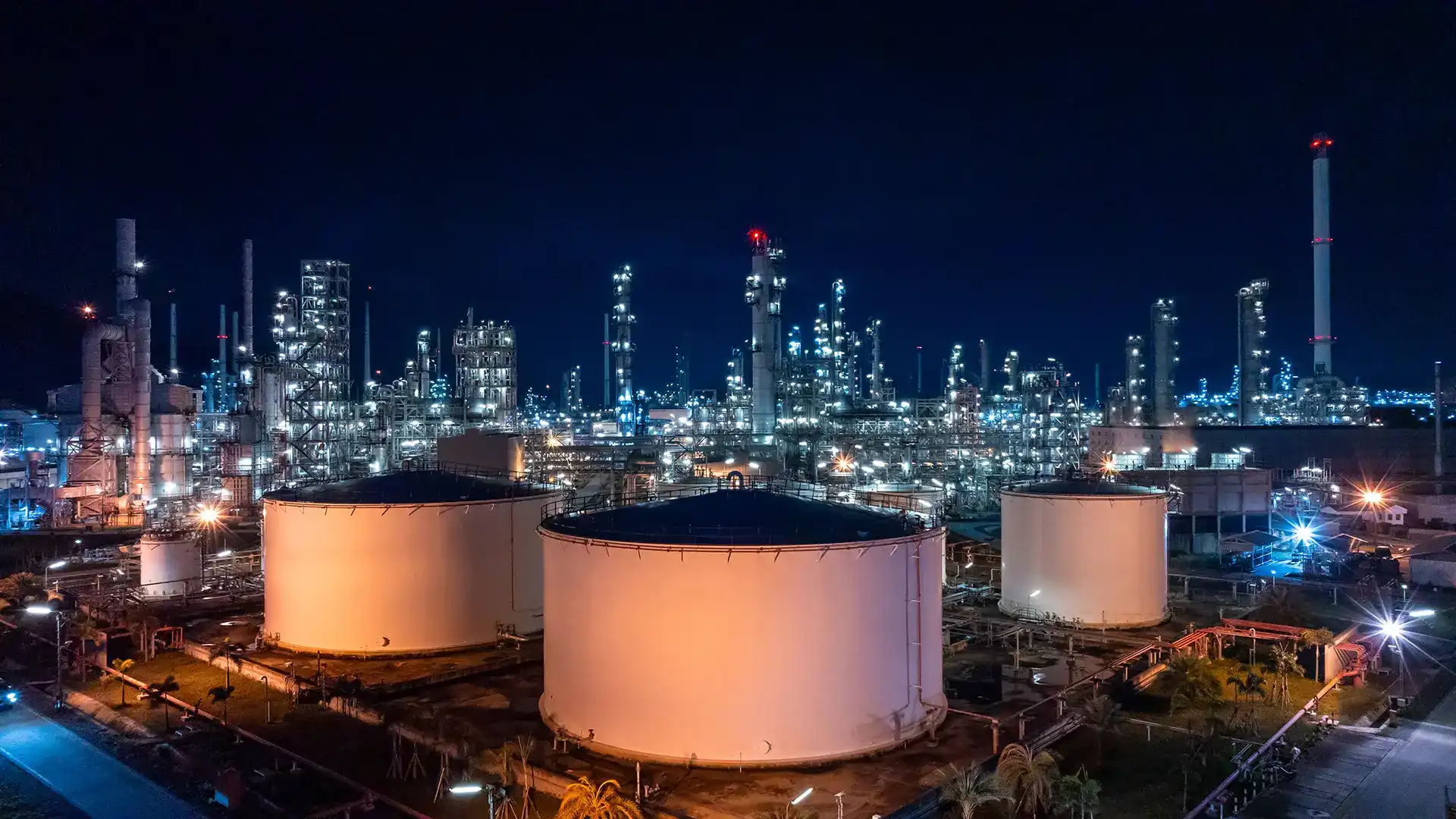
Australian resource majors are pouring A$23 billion into shareholder accounts during a concentrated two-week March 2026 payment window, creating what commodity equity analysts are watching as potential reinvestment fuel for ASX-listed mining stocks. BHP alone accounts for A$5.2 billion of this surge, with Fortescue and Woodside contributing substantial additional flows. The timing mechanics work through ex-dividend dates set 15-20 days before payment, followed by record-date locks and direct transfers to shareholder accounts. For equity analysts tracking resource stocks, this represents a liquidity injection roughly equivalent to 70% of the A$33 billion declared during February's reporting season—money that could flow back into commodity positions if geopolitical tensions ease.
Analysts positioning for this cycle face the core assumption that dividend recipients will reinvest in ASX equities, but the evidence for this behavior remains thin. During volatile commodity cycles, dividend income frequently flows to defensive assets or offshore markets rather than cycling back into the same resource stocks that generated the payouts. Equity researchers might consider tracking fund flow data and retail brokerage activity during the payment window to gauge actual reinvestment patterns. The franking credit system (tax credits attached to dividends paid from already-taxed corporate profits) does tilt domestic investors toward local equities, but this advantage weakens for international holders who can't claim the credits.
Sellers of ASX resource exposure could find themselves competing with fresh dividend-funded buying if the reinvestment thesis proves correct, while those building commodity equity positions might time entries around the payment surge. Morgans' upgrade of Dalrymple Bay Infrastructure exemplifies this positioning—betting that recent 14% price weakness doesn't reflect fundamental changes, with forecast dividend yields of 5.5% (FY2026) and 6.1% (FY2027) at current levels. Meanwhile, Solaris Investment Management's new listed fund (ASX: SET) represents institutional recognition of dividend-focused strategies, targeting monthly income from a basket including BHP, Westpac, and Capricorn Metals. For observers rather than active traders, the signal worth tracking is whether this dividend surge actually correlates with ASX resource sector performance over the subsequent month.
The reinvestment window creates a natural experiment in market mechanics, but the outcome depends heavily on factors beyond dividend timing—particularly Middle East geopolitical developments and broader commodity price momentum. Resource equity analysts might consider that even if reinvestment occurs, it may favor defensive dividend-paying stocks over cyclical commodity producers. The concentration risk is notable: if BHP's A$5.2 billion payout flows to competing assets rather than ASX equities, the reinvestment thesis weakens significantly. For those tracking rather than trading, the real test lies in whether this liquidity surge generates sustained buying pressure or simply represents temporary cash redistribution in an already volatile resource sector.


.jpg)
.jpg)

'%3e%3cg id='Final-Copy-2_2_' transform='translate(1275.000000, 200.000000)'%3e%3cpath class='st0' d='M7.4,12.8h6.8l3.1-11.6H7.4C4.2,1.2,1.6,3.8,1.6,7S4.2,12.8,7.4,12.8z'/%3e%3c/g%3e%3c/g%3e%3c/g%3e%3cg id='final---dec.11-2020'%3e%3cg id='_x30_208-our-toggle' transform='translate(-1275.000000, -200.000000)'%3e%3cg id='Final-Copy-2' transform='translate(1275.000000, 200.000000)'%3e%3cpath class='st1' d='M22.6,0H7.4c-3.9,0-7,3.1-7,7s3.1,7,7,7h15.2c3.9,0,7-3.1,7-7S26.4,0,22.6,0z M1.6,7c0-3.2,2.6-5.8,5.8-5.8 h9.9l-3.1,11.6H7.4C4.2,12.8,1.6,10.2,1.6,7z'/%3e%3cpath id='x' class='st2' d='M24.6,4c0.2,0.2,0.2,0.6,0,0.8l0,0L22.5,7l2.2,2.2c0.2,0.2,0.2,0.6,0,0.8c-0.2,0.2-0.6,0.2-0.8,0 l0,0l-2.2-2.2L19.5,10c-0.2,0.2-0.6,0.2-0.8,0c-0.2-0.2-0.2-0.6,0-0.8l0,0L20.8,7l-2.2-2.2c-0.2-0.2-0.2-0.6,0-0.8 c0.2-0.2,0.6-0.2,0.8,0l0,0l2.2,2.2L23.8,4C24,3.8,24.4,3.8,24.6,4z'/%3e%3cpath id='y' class='st3' d='M12.7,4.1c0.2,0.2,0.3,0.6,0.1,0.8l0,0L8.6,9.8C8.5,9.9,8.4,10,8.3,10c-0.2,0.1-0.5,0.1-0.7-0.1l0,0 L5.4,7.7c-0.2-0.2-0.2-0.6,0-0.8c0.2-0.2,0.6-0.2,0.8,0l0,0L8,8.6l3.8-4.5C12,3.9,12.4,3.9,12.7,4.1z'/%3e%3c/g%3e%3c/g%3e%3c/g%3e%3c/g%3e%3c/svg%3e) Privacy Choices
Privacy Choices