.avif)
Indian offshore services contractors win multi-year revenue certainty as Oil and Natural Gas Corporation expands vessel operations amid elevated crude prices and accelerated exploration spending. Seamec Limited, partnered with Supreme Hydro Pvt Ltd, secured a ₹329.92-crore contract to operate ONGC's multi-support vessel Samudra Prabha for 698 days covering 2026-2028. At current charter rates, this represents approximately $470,000 monthly recurring revenue locked for nearly two years. The Notification of Award — a formal contract commitment that triggers vessel mobilisation and crew deployment — provides immediate cash flow visibility in a market where day rates fluctuate with oil price volatility.
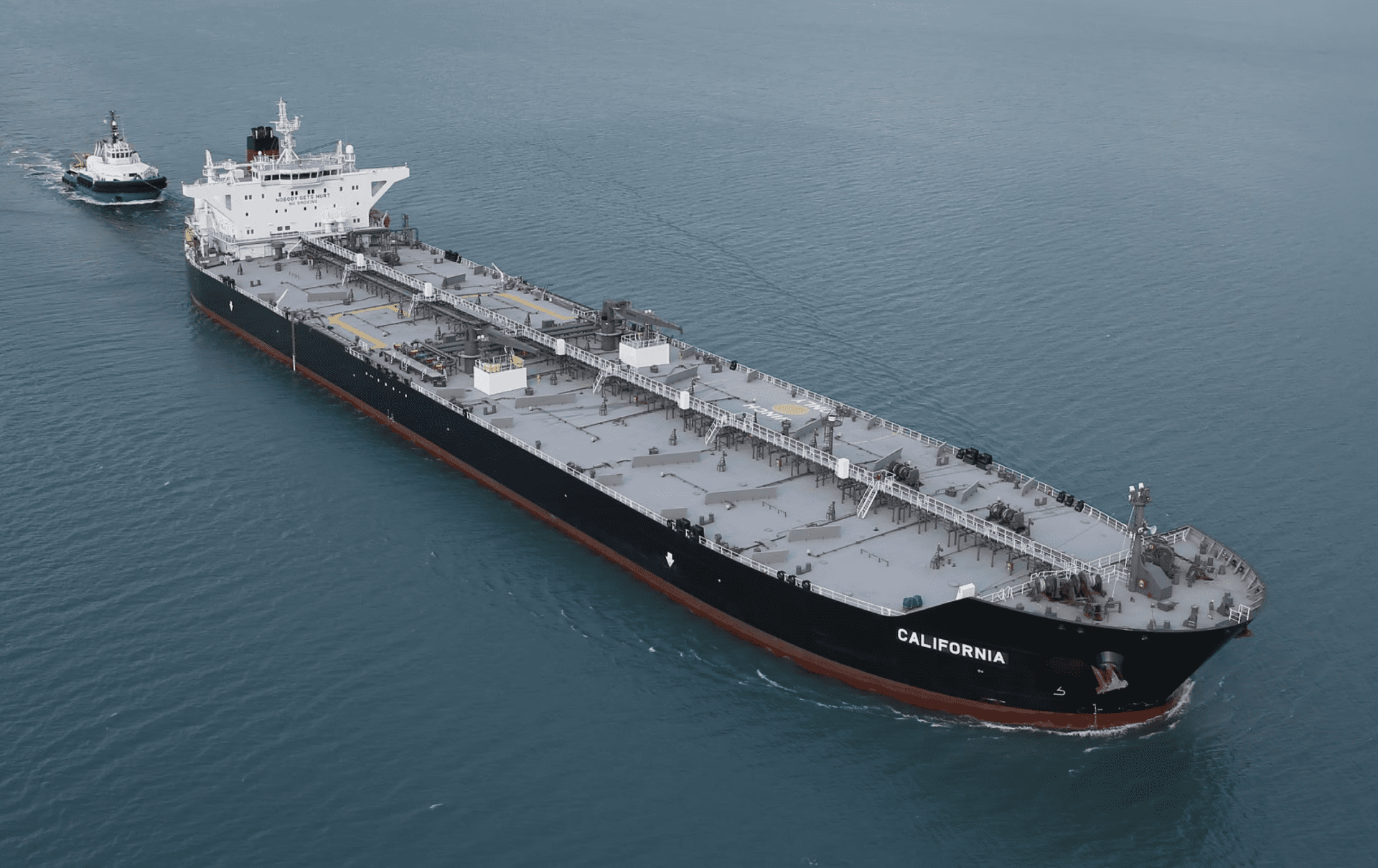
A multi-support vessel (MSV) is a specialised offshore platform designed for subsea operations, pipeline maintenance, and diving support — essential infrastructure for India's aging offshore fields. MSV 'Samudra Prabha' is an ONGC-owned diving support vehicle with an overall length of 91.5 metres and a width of 17.42 metres. The vessel requires 24/7 technical crew, dynamic positioning operators, saturation diving teams, and ROV technicians — skilled personnel commanding premium wages in the current market. For Seamec, the contract covers operational expenses plus margin, removing weather downtime risk that typically affects spot charter arrangements. The consortium structure pairs Seamec's vessel operations expertise with Supreme Hydro's subsea capabilities, suggesting complex intervention work beyond routine maintenance.
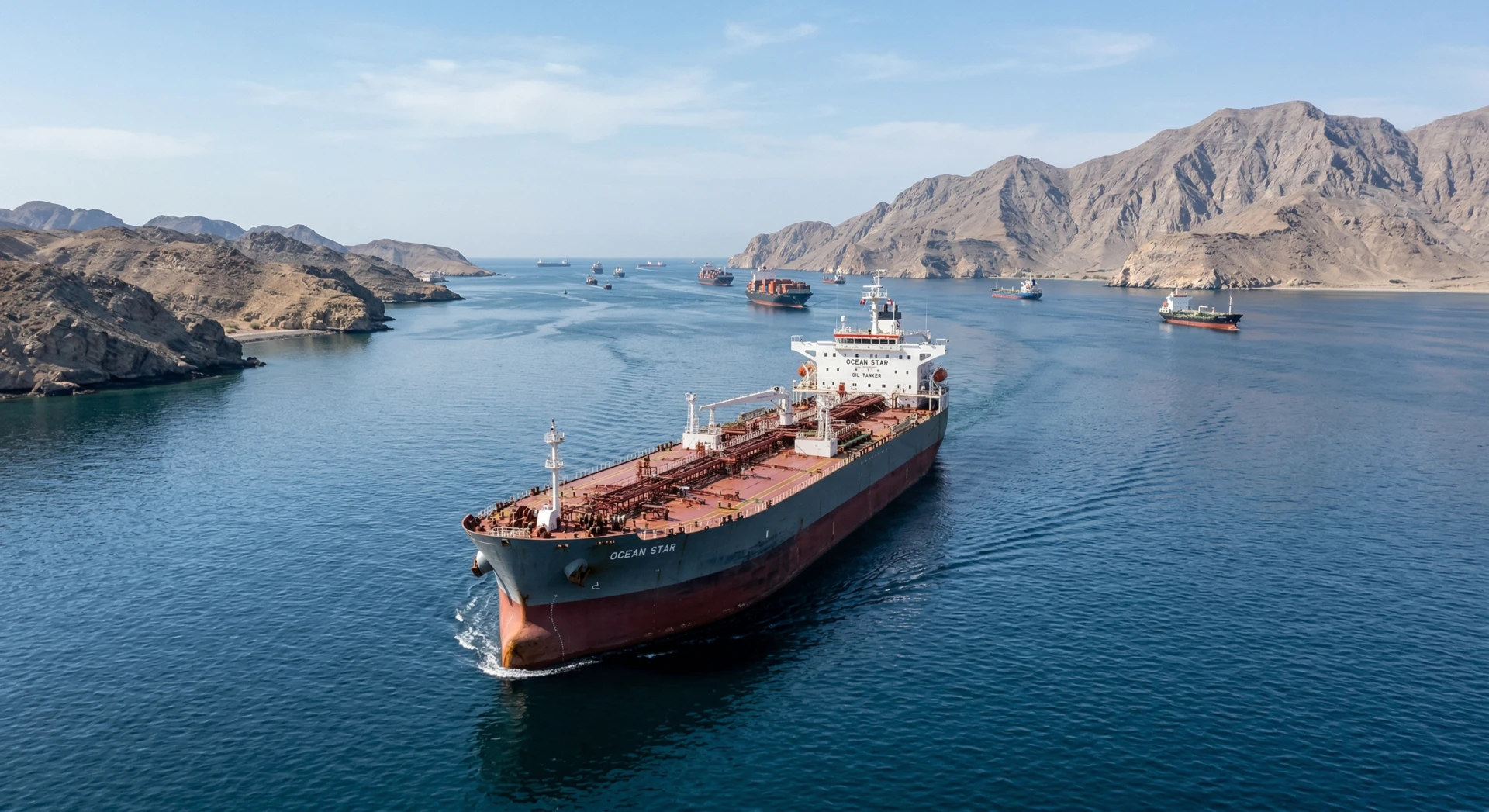
On the buy side: ONGC secures guaranteed vessel availability during peak operational seasons while transferring maintenance cost risk to contractors. The scope of the O&M engagement encompasses comprehensive operation, technical maintenance, crew management and logistical support required for continuous offshore duties. Samudra Prabha is deployed for sub-sea inspection, repair and maintenance as well as emergency response across the western and eastern offshore basins. With Brent crude above $95/barrel, every day of production downtime costs approximately $2-3 million across ONGC's offshore portfolio. On the sell side: Marine service providers lock pricing for 698 days against volatile day-rate markets while gaining exclusive access to ONGC's technical requirements and operational procedures. The company reported a consolidated net profit of ₹99.62 crore in the third quarter of the financial year 2025-26, compared with a net loss of ₹3.32 crore in the corresponding quarter of the previous year. Revenue from operations rose 112.30 per cent year-on-year (Y-o-Y) to ₹317.05 crore.
For large integrated operators: Companies like Reliance, Vedanta, or international majors can establish similar long-term arrangements directly with ONGC, leveraging fleet scale for better day rates and technical support terms. ONGC has launched a massive global tender worth around $18–20 billion to hire deepwater drilling rigs. This is the largest offshore exploration programme ever planned by the company. This creates opportunities for vessel sharing agreements and joint technical services. For smaller regional contractors: Mid-sized marine service companies — coastal shipyards, diving contractors, ROV operators — can partner with established players like Seamec through consortium arrangements, accessing ONGC contracts without direct qualification requirements. Hiring of MSVs remains an active ONGC procurement category, suggesting continued opportunities for qualified operators.
For observers: Track ONGC's quarterly vessel utilisation rates and day-rate disclosures in earnings calls through Q2 2026. Bids are expected in April. India currently imports around 88% of its crude oil and nearly half of its natural gas needs. Rising contract values and longer tenures signal sustained offshore activity despite global oil market volatility. Monitor consortium formations in upcoming ONGC tenders — partnerships between vessel operators and technical specialists indicate scope complexity and margin distribution. Any delay in the 60-day mobilisation window suggests technical or regulatory constraints affecting broader offshore services capacity.
.jpg)

'%3e%3cg id='Final-Copy-2_2_' transform='translate(1275.000000, 200.000000)'%3e%3cpath class='st0' d='M7.4,12.8h6.8l3.1-11.6H7.4C4.2,1.2,1.6,3.8,1.6,7S4.2,12.8,7.4,12.8z'/%3e%3c/g%3e%3c/g%3e%3c/g%3e%3cg id='final---dec.11-2020'%3e%3cg id='_x30_208-our-toggle' transform='translate(-1275.000000, -200.000000)'%3e%3cg id='Final-Copy-2' transform='translate(1275.000000, 200.000000)'%3e%3cpath class='st1' d='M22.6,0H7.4c-3.9,0-7,3.1-7,7s3.1,7,7,7h15.2c3.9,0,7-3.1,7-7S26.4,0,22.6,0z M1.6,7c0-3.2,2.6-5.8,5.8-5.8 h9.9l-3.1,11.6H7.4C4.2,12.8,1.6,10.2,1.6,7z'/%3e%3cpath id='x' class='st2' d='M24.6,4c0.2,0.2,0.2,0.6,0,0.8l0,0L22.5,7l2.2,2.2c0.2,0.2,0.2,0.6,0,0.8c-0.2,0.2-0.6,0.2-0.8,0 l0,0l-2.2-2.2L19.5,10c-0.2,0.2-0.6,0.2-0.8,0c-0.2-0.2-0.2-0.6,0-0.8l0,0L20.8,7l-2.2-2.2c-0.2-0.2-0.2-0.6,0-0.8 c0.2-0.2,0.6-0.2,0.8,0l0,0l2.2,2.2L23.8,4C24,3.8,24.4,3.8,24.6,4z'/%3e%3cpath id='y' class='st3' d='M12.7,4.1c0.2,0.2,0.3,0.6,0.1,0.8l0,0L8.6,9.8C8.5,9.9,8.4,10,8.3,10c-0.2,0.1-0.5,0.1-0.7-0.1l0,0 L5.4,7.7c-0.2-0.2-0.2-0.6,0-0.8c0.2-0.2,0.6-0.2,0.8,0l0,0L8,8.6l3.8-4.5C12,3.9,12.4,3.9,12.7,4.1z'/%3e%3c/g%3e%3c/g%3e%3c/g%3e%3c/g%3e%3c/svg%3e) Privacy Choices
Privacy Choices