.avif)
Asian refiners face incremental crude costs of $400-600 million monthly as Kuwait Petroleum Corporation declared force majeure on crude oil and refined product shipments, invoking contractual clauses that allow suppliers to miss deliveries after the Strait of Hormuz blockade hindered access to the Persian Gulf. The declaration shifts the 50-day Hormuz disruption from theoretical supply risk into contractual reality. Force majeure — a contract clause that excuses performance when extraordinary circumstances beyond a party's control prevent fulfillment — protects sellers but offers no equivalent shield to buyers who still need the barrels.
Brent crude closed at $95.22 on April 20, with trading ranging between $92.78 and $97.50, while WTI futures for May delivery rose nearly 7% to close at $89.61 per barrel and Brent crude futures for June delivery advanced more than 5% to settle at $95.48. The price action reflects a market digesting the implications of contractual non-performance rather than just shipping delays. Kuwait's move follows similar declarations across the region — Kuwait Petroleum Corporation declared force majeure and announced production cuts in March, while Bahrain's Bapco Energies declared force majeure and the United Arab Emirates lowered oil production.
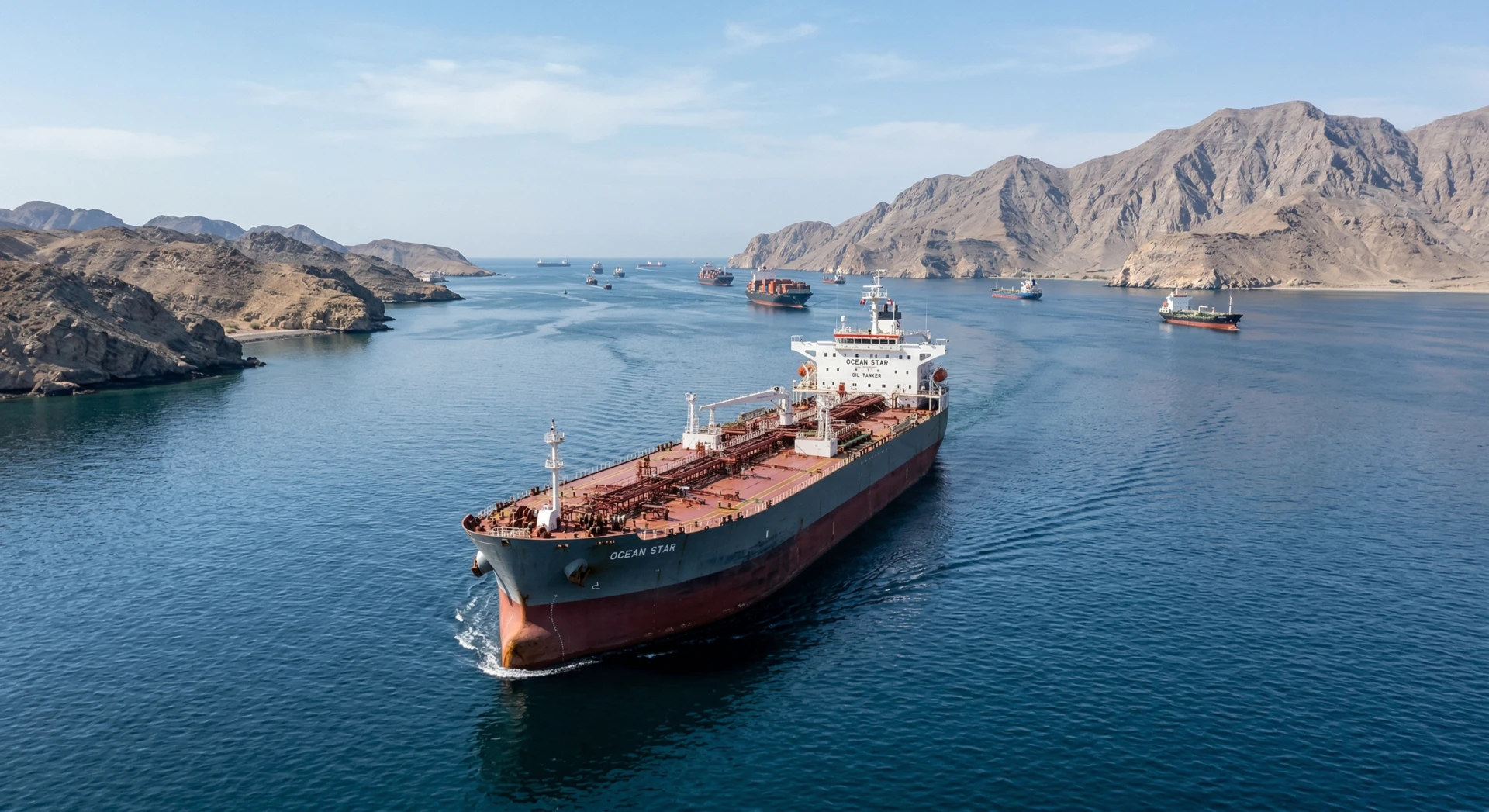
The Strait of Hormuz serves as the only sea exit for fuels exported by Kuwait, Saudi Arabia, Iraq, Iran, and much of the UAE's Gulf production, carrying about 25% of the world's seaborne oil trade and 20% of the world's liquefied natural gas (LNG) before the disruption. More than 200 loaded tankers are currently stuck in the Persian Gulf, unable to pass normally through the Strait of Hormuz. The physical bottleneck creates a cascade of contractual problems: vessels cannot reach loading terminals, loaded tankers cannot depart, and buyers cannot take delivery as scheduled.
On the buy side, Asian refiners with Kuwaiti term contracts now confront simultaneous supply shortfall and inability to claim damages for non-delivery. A typical 2 million barrel VLCC cargo of Kuwait Export Blend trading at $3-5 per barrel premium to Dated Brent would cost approximately $190-200 million. The refiner must now source replacement barrels in a tight spot market where non-Gulf crudes trade at $15-25 per barrel premiums to their normal levels. For a major Asian refiner processing 300,000 barrels per day of Kuwaiti crude under long-term contracts, the monthly incremental cost reaches $135-225 million — assuming replacement barrels are available.
On the sell side, Kuwaiti exporters face production constraints compounding shipping problems. Kuwait has suffered multiple hits to oil infrastructure, with output now at levels last seen in the early 1990s after the Iraqi invasion, though full production recovery will take time once hostilities ease. The state producer benefits from force majeure protection but loses revenue on undelivered volumes. At current production levels estimated around 1.8 million barrels per day versus pre-crisis capacity of 2.8 million, Kuwait foregoes approximately $95 million daily in crude revenues at $95 per barrel.
For large integrated oil companies — ExxonMobil, Shell, Total, or Saudi Aramco's trading arm — with derivatives access, the crisis creates hedging opportunities alongside operational challenges. A major trader holding 10 million barrels of floating storage in VLCCs can monetize the contango structure where front-month Brent trades below six-month forwards. The storage play generates approximately $2-4 per barrel monthly carry, yielding $20-40 million on the position. However, war risk insurance for Gulf-exposed cargoes has increased from 0.125% to between 0.2% and 0.4% of cargo value — adding $400,000-800,000 per VLCC transit.
For smaller regional operators — mid-sized Asian refiners, independent fuel distributors, or national oil companies without extensive derivatives access — the crisis offers no such offset mechanisms. A 150,000 barrel-per-day refinery in Thailand or South Korea dependent on Gulf crude faces binary choices: accept force majeure delays and run tanks down to minimum operating levels, or source expensive replacement barrels from West Africa or the Americas. The smaller operator cannot hedge crude price exposure through derivatives markets and must absorb the full impact of premium pricing.
The physical supply chain reveals where margins concentrate during the disruption. Crude oil from Kuwait's Mina Al-Ahmadi terminal typically loads onto VLCCs — vessels carrying 2 million barrels — for the 18-day voyage to Asian refineries. With the terminal inaccessible, that 2 million barrel cargo must originate from alternative sources. West African grades like Nigerian Qua Iboe or Angolan Cabinda can substitute but require 35-40 day voyages to Asia, doubling freight exposure. A VLCC earns approximately $40,000-60,000 daily at current rates, making the longer voyage worth $1.4-2.4 million more than the Kuwait route — margin that accrues entirely to shipowners.
The arbitrage window benefits non-Gulf crude suppliers capturing extraordinary premiums. A U.S. shale producer with WTI Midland typically priced at $2-3 discount to Brent now achieves $8-12 premiums on Asian-bound cargoes. 172 crude tankers are now en route to the U.S. Gulf Coast, reflecting a major shift in global flows. For a 1 million barrel cargo, the premium improvement yields $10-15 million additional revenue per shipment. The arbitrage margin compensates for higher freight costs and longer transit times while Gulf supplies remain constrained.
Crude quality differentials create additional margin opportunities for refiners with flexible processing capabilities. Kuwaiti Export Blend, a medium-sour crude with 31° API gravity and 2.5% sulfur content, yields different product slates than substitute crudes. West African sweet crude produces more gasoline and jet fuel but less fuel oil and vacuum gasoil. Asian refiners optimized for medium-sour Gulf crude must adjust operations, potentially reducing throughput by 5-10% when processing sweet substitutes. The operational inefficiency adds $2-4 per barrel processing costs on top of higher crude prices.
Financing structures compound the margin pressure on buyers. Most long-term crude supply contracts include letters of credit — bank guarantees ensuring payment upon document presentation — denominated in U.S. dollars. Force majeure does not cancel the letter of credit; it suspends cargo delivery while maintaining financial obligations. Asian refiners face the double burden of paying for undelivered Kuwaiti crude under existing LCs while securing new financing for replacement barrels at premium prices. Working capital requirements increase by 50-80% during the disruption.
The timeline for normalization extends beyond any potential Hormuz reopening. Even a partial restoration of supply will take time as logistics chains are broken: tankers are in the wrong ports, insurance policies have been canceled, and supply contracts have been disrupted. Even if Hormuz fully reopens tomorrow, normalization will take several weeks. Kuwait's force majeure acknowledgment of delayed recovery means term contract buyers cannot expect normal supply restoration even after shipping access resumes.
Storage dynamics create additional leverage for sellers and constraints for buyers. Gulf exporters benefit from force majeure declarations because they avoid contractual penalties for non-delivery while maintaining flexibility to resume shipments when logistically feasible. The move doesn't mean supplies will come to a complete halt, allowing Kuwait to prioritize deliveries to preferred customers or higher-value markets as shipping access improves. Buyers lack equivalent contract protection and must secure replacement supplies at prevailing market prices.
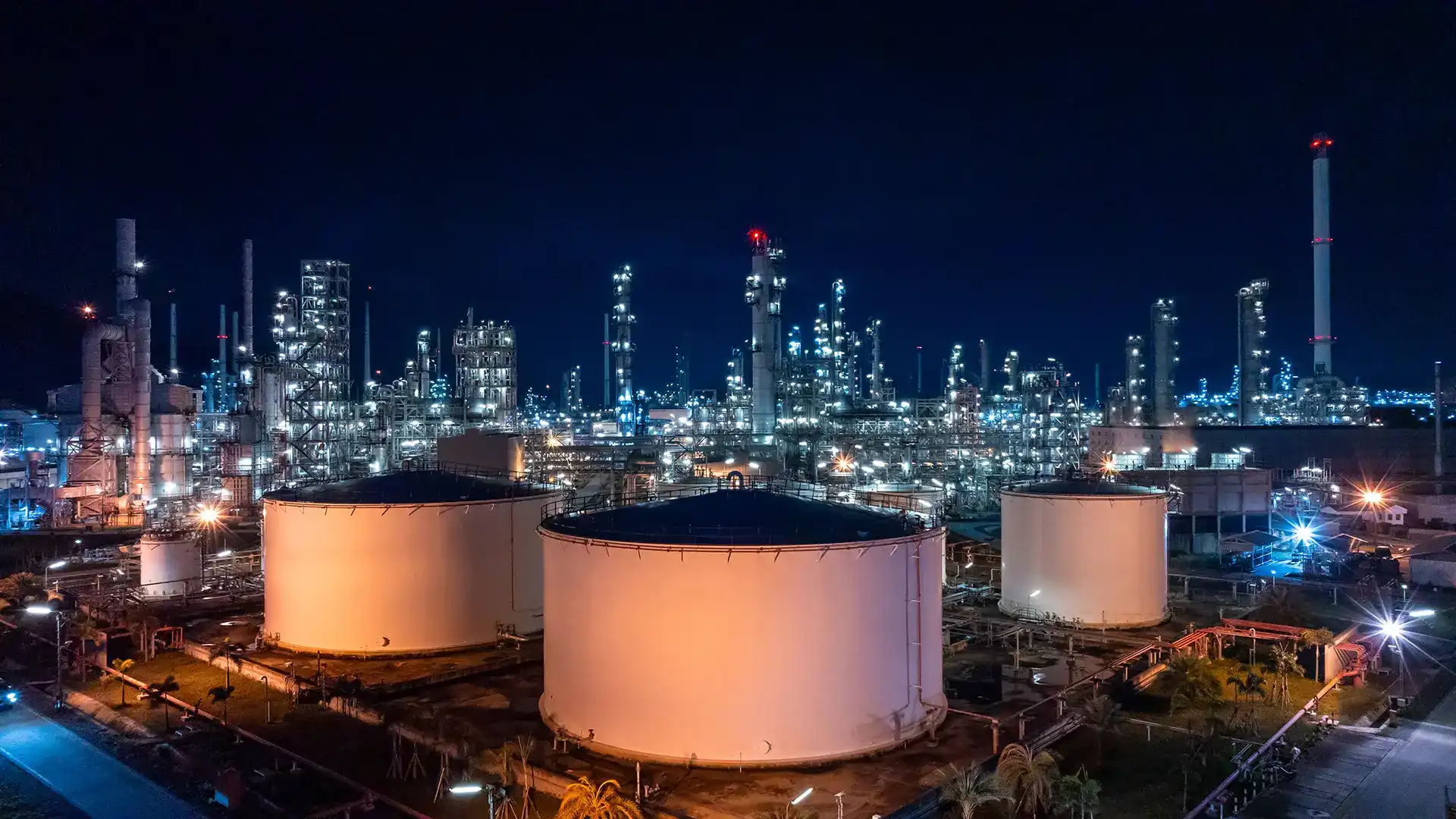
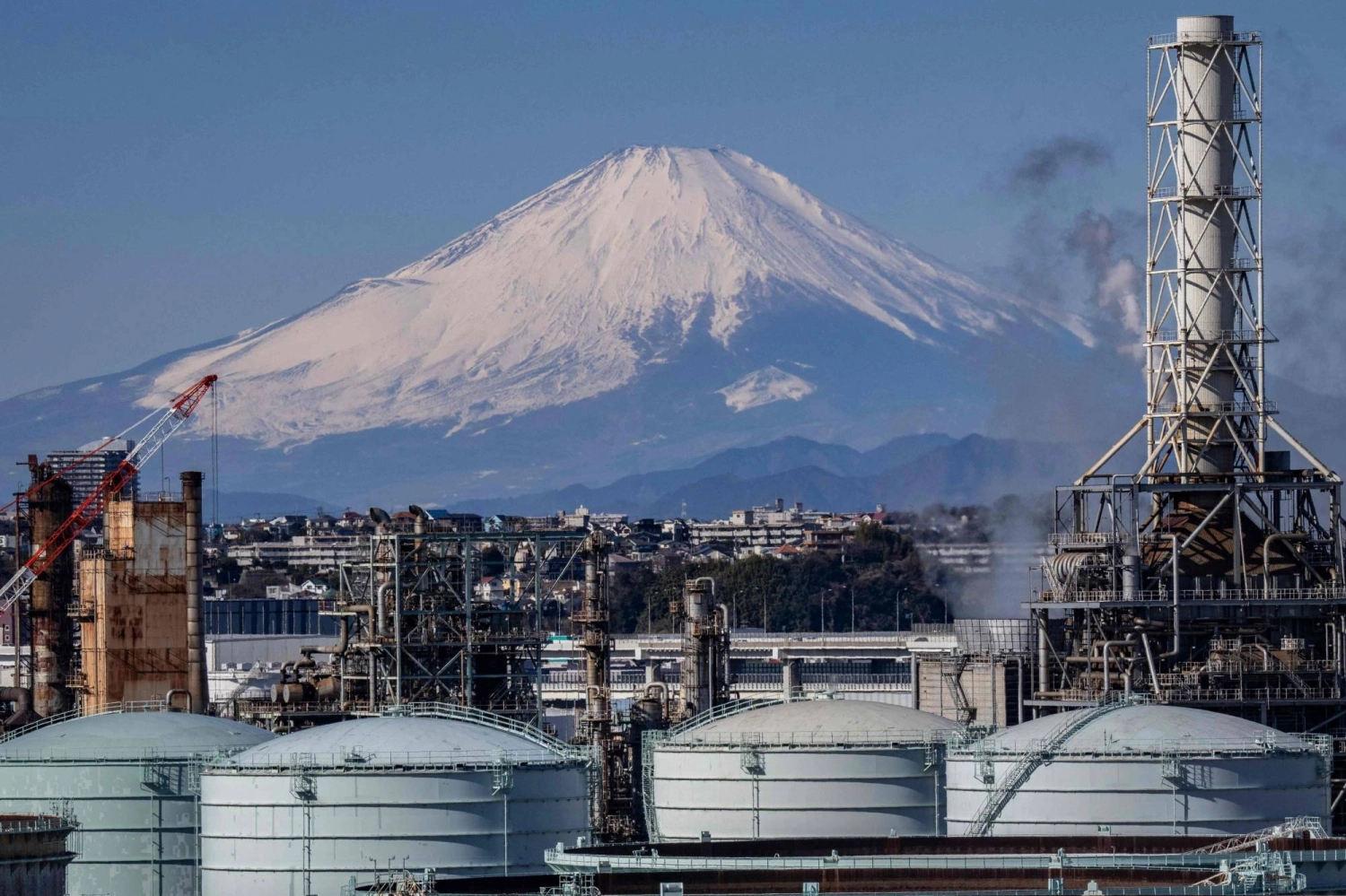
Secondary market effects multiply the initial supply disruption. Asian refineries processing Gulf crude typically export surplus fuel oil and naphtha to regional markets. Reduced refinery throughput creates product shortages beyond crude supply gaps. Singapore fuel oil prices have increased 40-60% above normal levels, while naphtha premiums to Japan expanded by $50-80 per metric ton. The product market disruption affects petrochemical feedstock availability and regional fuel supply, creating additional cost pressures throughout the energy value chain.
For observers monitoring crisis resolution, track Singapore fuel oil stocks — reported weekly by International Enterprise Singapore — as the key indicator of Asian refinery adaptation. Inventory levels below 18 million barrels signal acute supply stress requiring emergency product imports from Europe or the U.S. West Coast. The threshold level should become apparent within 7-10 days as current Gulf crude shipments complete their transit to Asian refineries. Additionally, monitor West African crude differentials to Brent: premiums above $12 per barrel indicate sustainable arbitrage margins supporting continued supply diversification away from Gulf sources.

.jpg)
.jpg)

'%3e%3cg id='Final-Copy-2_2_' transform='translate(1275.000000, 200.000000)'%3e%3cpath class='st0' d='M7.4,12.8h6.8l3.1-11.6H7.4C4.2,1.2,1.6,3.8,1.6,7S4.2,12.8,7.4,12.8z'/%3e%3c/g%3e%3c/g%3e%3c/g%3e%3cg id='final---dec.11-2020'%3e%3cg id='_x30_208-our-toggle' transform='translate(-1275.000000, -200.000000)'%3e%3cg id='Final-Copy-2' transform='translate(1275.000000, 200.000000)'%3e%3cpath class='st1' d='M22.6,0H7.4c-3.9,0-7,3.1-7,7s3.1,7,7,7h15.2c3.9,0,7-3.1,7-7S26.4,0,22.6,0z M1.6,7c0-3.2,2.6-5.8,5.8-5.8 h9.9l-3.1,11.6H7.4C4.2,12.8,1.6,10.2,1.6,7z'/%3e%3cpath id='x' class='st2' d='M24.6,4c0.2,0.2,0.2,0.6,0,0.8l0,0L22.5,7l2.2,2.2c0.2,0.2,0.2,0.6,0,0.8c-0.2,0.2-0.6,0.2-0.8,0 l0,0l-2.2-2.2L19.5,10c-0.2,0.2-0.6,0.2-0.8,0c-0.2-0.2-0.2-0.6,0-0.8l0,0L20.8,7l-2.2-2.2c-0.2-0.2-0.2-0.6,0-0.8 c0.2-0.2,0.6-0.2,0.8,0l0,0l2.2,2.2L23.8,4C24,3.8,24.4,3.8,24.6,4z'/%3e%3cpath id='y' class='st3' d='M12.7,4.1c0.2,0.2,0.3,0.6,0.1,0.8l0,0L8.6,9.8C8.5,9.9,8.4,10,8.3,10c-0.2,0.1-0.5,0.1-0.7-0.1l0,0 L5.4,7.7c-0.2-0.2-0.2-0.6,0-0.8c0.2-0.2,0.6-0.2,0.8,0l0,0L8,8.6l3.8-4.5C12,3.9,12.4,3.9,12.7,4.1z'/%3e%3c/g%3e%3c/g%3e%3c/g%3e%3c/g%3e%3c/svg%3e) Privacy Choices
Privacy Choices