.avif)
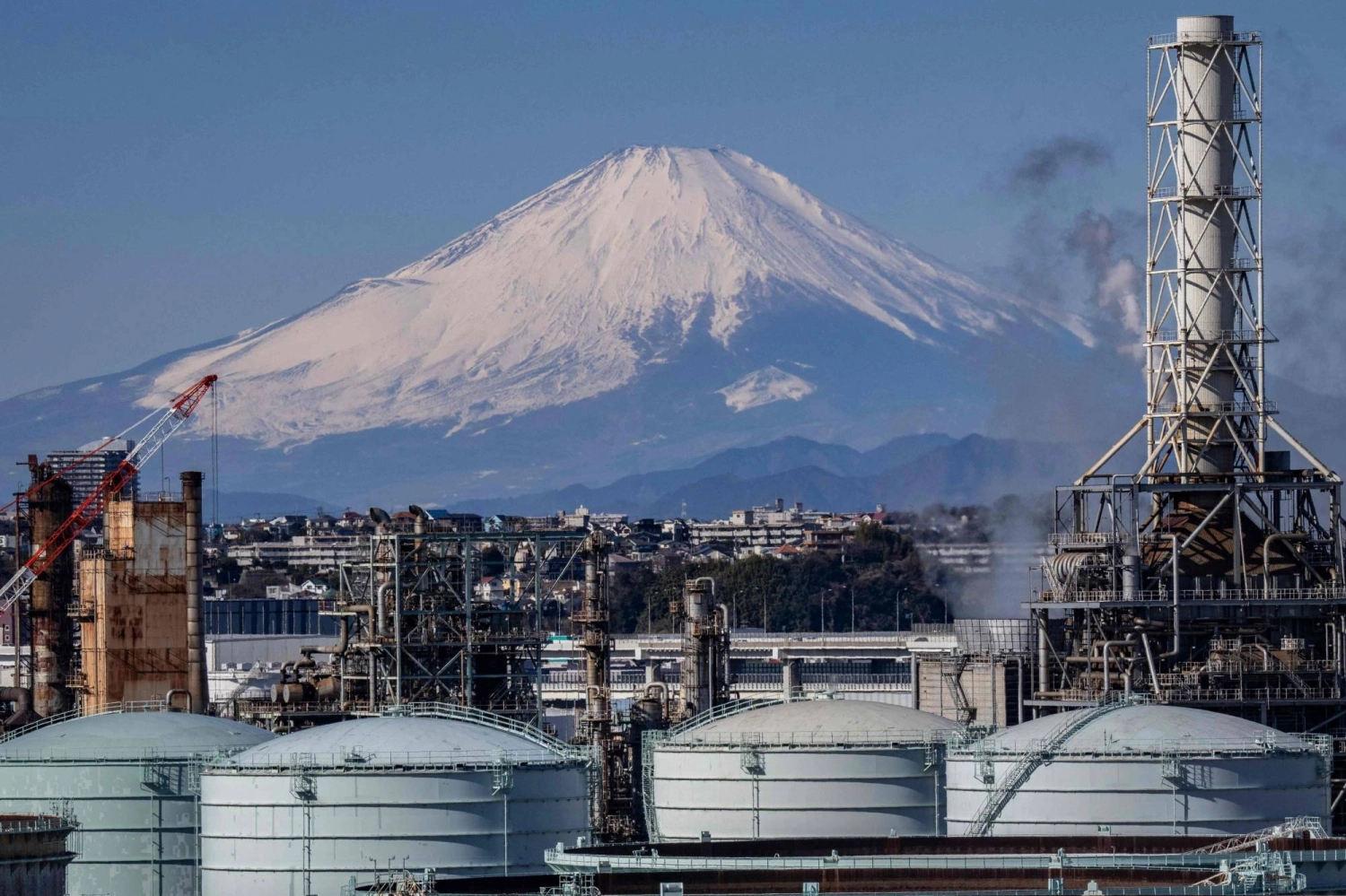
Indian refiners face immediate margin destruction as Brent crude surged to $101.91 per barrel on Wednesday following Iran's seizure of container ships in the Strait of Hormuz. With crude import costs hitting $125.88 per barrel in April 2026 but retail fuel prices unchanged since May 2022, refiners now absorb losses of Rs 18 per litre on petrol and Rs 35 per litre on diesel. The 850-point Sensex drop signals investor recognition that current energy security risks extend far beyond immediate supply disruptions. For a mid-sized refiner like Hindustan Petroleum Corporation Limited (HPCL) processing 170,000 barrels per day, each $10 per barrel crude price increase without corresponding product price adjustments destroys approximately $1.7 million in daily gross margins. HPCL's EBITDA is expected to fall 51% in the March quarter, with the company trading at just 5.49x P/E multiple, reflecting the market's assessment of sustained margin pressure.
India's crude imports fell 13% in March to 4.5 million barrels per day, with Russian supplies doubling to 2.25 million bpd while West Asian shipments collapsed 61% to 1.18 million bpd. The physical supply chain reality provides short-term protection for Indian refiners through existing term contracts — most Indian Oil Corporation (IOC) and BPCL contracts with Middle Eastern producers were negotiated in late 2025 and early 2026 with pricing formulas pegged to monthly averages, not daily spot rates. A 1 million tonne crude cargo contracted by IOC from Saudi Aramco in February 2026 would price off the average of Oman/Dubai quotations for the loading month plus agreed premiums, typically $1.50-2.50 per barrel for Arab Light crude. These contracts, representing roughly 60-65% of Indian refinery crude requirements, insulate immediate procurement costs from today's spot price spikes. The remaining 35-40% spot purchases expose refiners directly to current pricing volatility. Recent efforts to reduce Hormuz dependence have shifted 65-70% of imports to non-Hormuz routes, compared to historical levels of 45-50%.
The supply disruption affects an estimated 4-5 million barrels per day globally — roughly 5% of world supply — with Asia bearing the primary impact. For Indian refiners, this translates into a freight cost shock even before crude price effects. A Very Large Crude Carrier (VLCC) carrying 2 million barrels from the Arabian Gulf to India's west coast now commands $45,000-55,000 per day, compared to $25,000-30,000 in normal conditions. War risk insurance adds another 0.3-0.4% of cargo value — roughly $0.80-1.00 per barrel for a typical crude shipment. On the buy side, state-owned refiners like IOC and BPCL face government pressure to maintain stable domestic fuel prices despite surging input costs. This means companies sell fuel for less than production cost, depleting financial reserves that analysts believe could run out in months without government support. On the sell side, private refiners like Reliance Industries with integrated petrochemical operations and export capabilities can partially offset refining losses through higher product margins in international markets.
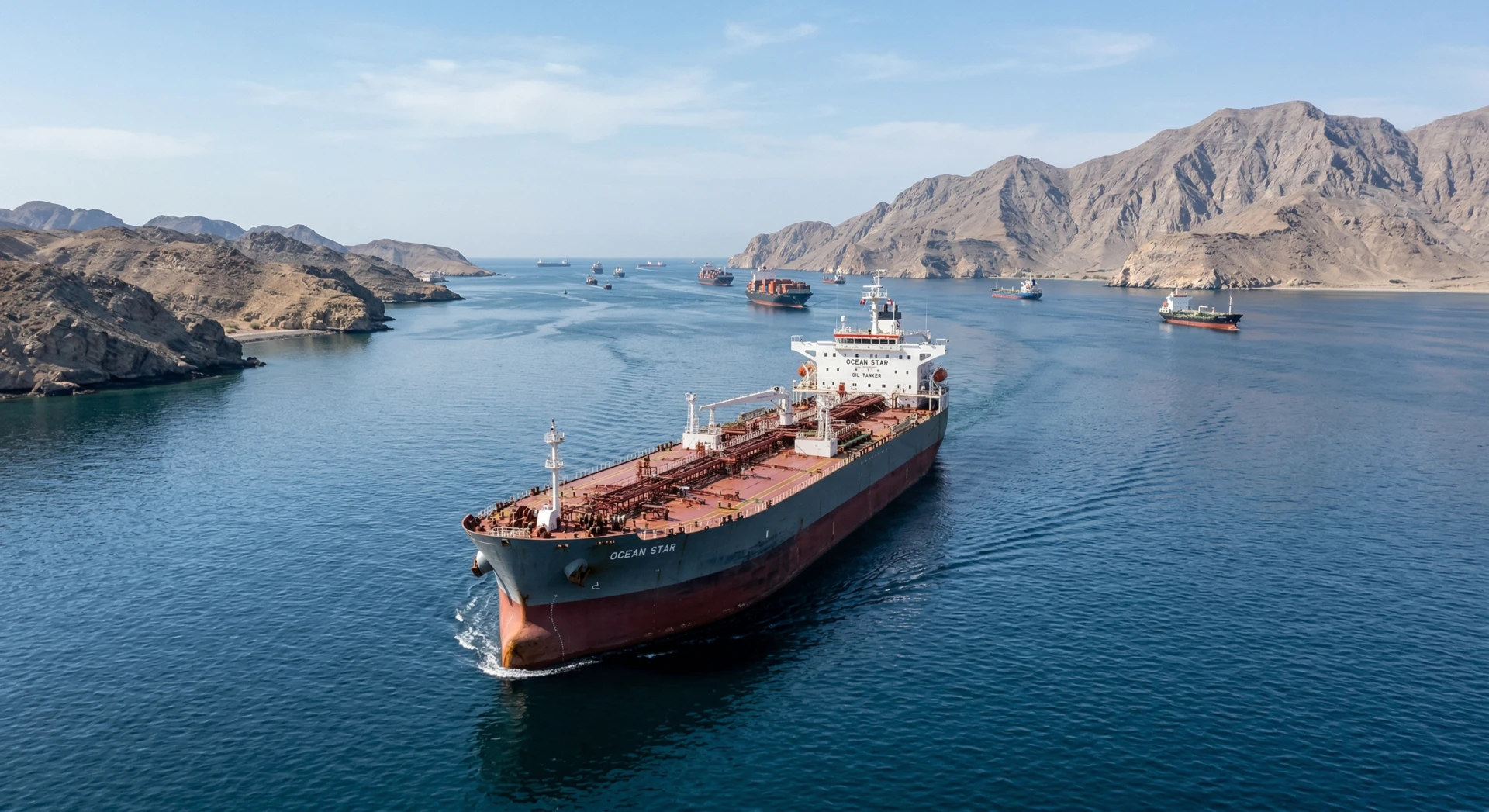
The Strait of Hormuz connects the Persian Gulf and Gulf of Oman, with roughly 20% of global oil and liquefied natural gas typically passing through it. Until the US-Israeli war against Iran, about 25% of the world's seaborne oil trade and 20% of global LNG passed through this 33-kilometre-wide chokepoint. When Iran's Revolutionary Guard seized the container ships MSC Francesca and Epaminondas on Wednesday, it demonstrated continued control over vessel movements despite Trump's ceasefire extension. Only eight ships transited the strait Wednesday including three oil tankers, compared to normal daily traffic of more than 100 vessels. Each day of continued disruption forces Asian refiners to compete for diminishing alternative supplies, driving spot premiums to record levels. North Sea Dated crude traded around $130 per barrel — $60 above pre-conflict levels — as refiners scrambled to replace locked-in Middle Eastern cargoes.
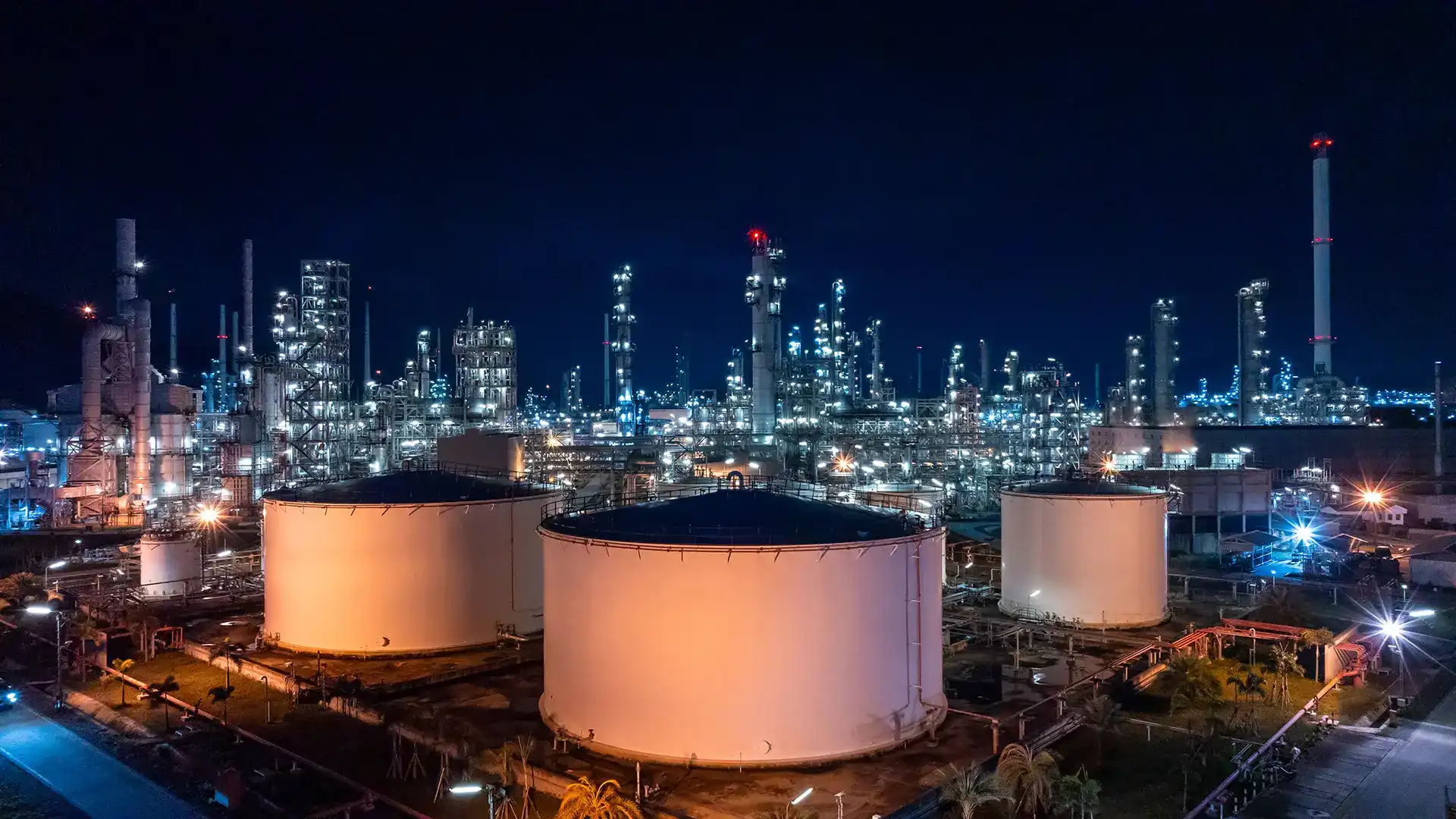
For large integrated players like IOC with 69.23 million tonnes annual refining capacity and established derivatives access, margin protection involves crude oil futures hedging through ICE Brent contracts and product crack spread hedges on Singapore futures markets. IOC can lock in processing margins by simultaneously buying crude oil futures and selling refined product futures, typically gasoline and gasoil, for delivery months matching planned production schedules. A typical hedge might involve buying 1,000 lots of Brent futures (1 million barrels) and selling equivalent volumes of gasoline and gasoil futures to lock in the refining margin at current levels. The margin protection costs roughly $0.15-0.25 per barrel in bid-offer spreads and exchange fees. For mid-sized regional operators like Chennai Petroleum Corporation Limited (CPCL) without derivatives access, protection comes through supply contract renegotiation and inventory management. CPCL can request force majeure clauses in product supply contracts during exceptional market conditions, allowing pricing adjustments when crude costs exceed contractual thresholds. Alternative protection includes increasing refined product inventory during lower crude price periods and managing working capital to weather margin compression cycles.
India imports 88% of its crude oil and relies heavily on Middle Eastern supplies, making it especially vulnerable to Hormuz disruptions. The immediate financing dimension reveals the critical cash flow pressure facing Indian refiners. Even with 13-15% drops in import volumes in March and April, India's crude import bill climbed, costing an estimated $190-210 million extra per day. This additional cost flows directly to refiner working capital requirements. A mid-sized refinery processing 200,000 bpd requires roughly $120-140 million in additional working capital for each $10 per barrel crude price increase, assuming 30-day crude inventory cycles and 45-day product sales collection periods. The financing stress compounds when banks tighten credit lines amid commodity price volatility. Indian refiners normally operate profitably when crude trades at $70-80 per barrel, but face losses at prices near $120, creating a split within the energy industry as upstream producers benefit from higher crude prices.
Tanker operators emerged as immediate margin beneficiaries from the disruption. War-risk insurance premiums for the strait increased from 0.125% to 0.2-0.4% of ship insurance value per transit — for very large oil tankers, an increase of a quarter million dollars. Product tanker rates for Middle East-India routes now command $35,000-45,000 per day compared to $18,000-22,000 in normal conditions. Each additional day of voyage time from rerouting around Africa rather than through Suez adds $25,000-30,000 to voyage costs, but current freight premiums exceed these additional expenses. The margin concentration shifts from cargo owners to vessel operators when freight rates spike. A product tanker earning $40,000 per day on a 15-day voyage from Jebel Ali to Kandla generates $600,000 in revenue compared to $300,000 at normal rates — the additional $300,000 accrues entirely to the shipowner, not the refined product trader. This freight arbitrage creates opportunities for tanker operators with vessels immediately available but pressures refiners and traders managing fixed-price product delivery commitments.
Russia continued as India's top oil supplier in March, while Saudi Arabia replaced Iraq as the second-biggest supplier, followed by Angola as Indian refiners raised African imports to replace West Asian supply. The route arbitrage reveals important structural shifts in Indian crude procurement. West Texas Intermediate (WTI) crude delivered to India's west coast now competes directly with Brent-linked Middle Eastern grades when the WTI-Brent spread exceeds $12-15 per barrel — the typical cost advantage needed to justify 25-day Atlantic Basin voyages versus 15-day Middle East routes. With WTI currently around $92-93 per barrel compared to Brent above $101, the $8-9 spread creates economic incentive for US crude imports. Reliance's Jamnagar refinery, configured to process heavy and medium crudes, benefits from increased West African and Latin American supplies trading at wider discounts to Brent during supply disruptions. The arbitrage works when discounts exceed the additional 12-15 days of voyage time from Angola or Brazil versus Middle East origins.
The US Energy Information Administration expects Brent to peak at $115 per barrel in the second quarter of 2026 before easing as production shut-ins slowly abate. Historical precedent suggests margin recovery timing depends entirely on Hormuz reopening rather than alternative supply development. During the 1987-1988 Iran-Iraq tanker war, freight rates tripled within weeks of attacks but normalised within 60-90 days once shipping protection was established. The current disruption differs because Iran maintains effective control over the chokepoint while the US enforces a naval blockade of Iranian ports — creating a military standoff rather than opportunistic attacks. For Indian refiners, margin recovery requires either negotiated Hormuz reopening or fundamental restructuring of crude supply chains toward non-Hormuz routes. Rystad Energy estimates oil flows will reach up to 90% of prewar levels by July, with another two months required for barrels to arrive at refineries worldwide for processing into products.
Investors should monitor the India VIX volatility index — which spiked to 18.6 during Wednesday's selloff — as a real-time gauge of energy security premium pricing in Indian equity markets. The Brent-WTI spread peaked at $15 per barrel in April when production disruptions were largest, with expectations for gradual decline as Hormuz flows resume. A sustained spread above $12 per barrel signals continued Asian crude supply stress and justifies continued refiner margin compression. For procurement professionals, the immediate signal is Dubai crude futures contango versus backwardation — when near-month Dubai trades above forward months, it indicates physical crude shortage in Asia and validates current high spot premiums. Backwardation in Dubai structure signals physical supply normalisation and potential margin recovery for Indian refiners within 30-60 days.

.jpg)
.jpg)

'%3e%3cg id='Final-Copy-2_2_' transform='translate(1275.000000, 200.000000)'%3e%3cpath class='st0' d='M7.4,12.8h6.8l3.1-11.6H7.4C4.2,1.2,1.6,3.8,1.6,7S4.2,12.8,7.4,12.8z'/%3e%3c/g%3e%3c/g%3e%3c/g%3e%3cg id='final---dec.11-2020'%3e%3cg id='_x30_208-our-toggle' transform='translate(-1275.000000, -200.000000)'%3e%3cg id='Final-Copy-2' transform='translate(1275.000000, 200.000000)'%3e%3cpath class='st1' d='M22.6,0H7.4c-3.9,0-7,3.1-7,7s3.1,7,7,7h15.2c3.9,0,7-3.1,7-7S26.4,0,22.6,0z M1.6,7c0-3.2,2.6-5.8,5.8-5.8 h9.9l-3.1,11.6H7.4C4.2,12.8,1.6,10.2,1.6,7z'/%3e%3cpath id='x' class='st2' d='M24.6,4c0.2,0.2,0.2,0.6,0,0.8l0,0L22.5,7l2.2,2.2c0.2,0.2,0.2,0.6,0,0.8c-0.2,0.2-0.6,0.2-0.8,0 l0,0l-2.2-2.2L19.5,10c-0.2,0.2-0.6,0.2-0.8,0c-0.2-0.2-0.2-0.6,0-0.8l0,0L20.8,7l-2.2-2.2c-0.2-0.2-0.2-0.6,0-0.8 c0.2-0.2,0.6-0.2,0.8,0l0,0l2.2,2.2L23.8,4C24,3.8,24.4,3.8,24.6,4z'/%3e%3cpath id='y' class='st3' d='M12.7,4.1c0.2,0.2,0.3,0.6,0.1,0.8l0,0L8.6,9.8C8.5,9.9,8.4,10,8.3,10c-0.2,0.1-0.5,0.1-0.7-0.1l0,0 L5.4,7.7c-0.2-0.2-0.2-0.6,0-0.8c0.2-0.2,0.6-0.2,0.8,0l0,0L8,8.6l3.8-4.5C12,3.9,12.4,3.9,12.7,4.1z'/%3e%3c/g%3e%3c/g%3e%3c/g%3e%3c/g%3e%3c/svg%3e) Privacy Choices
Privacy Choices