.avif)
.avif)
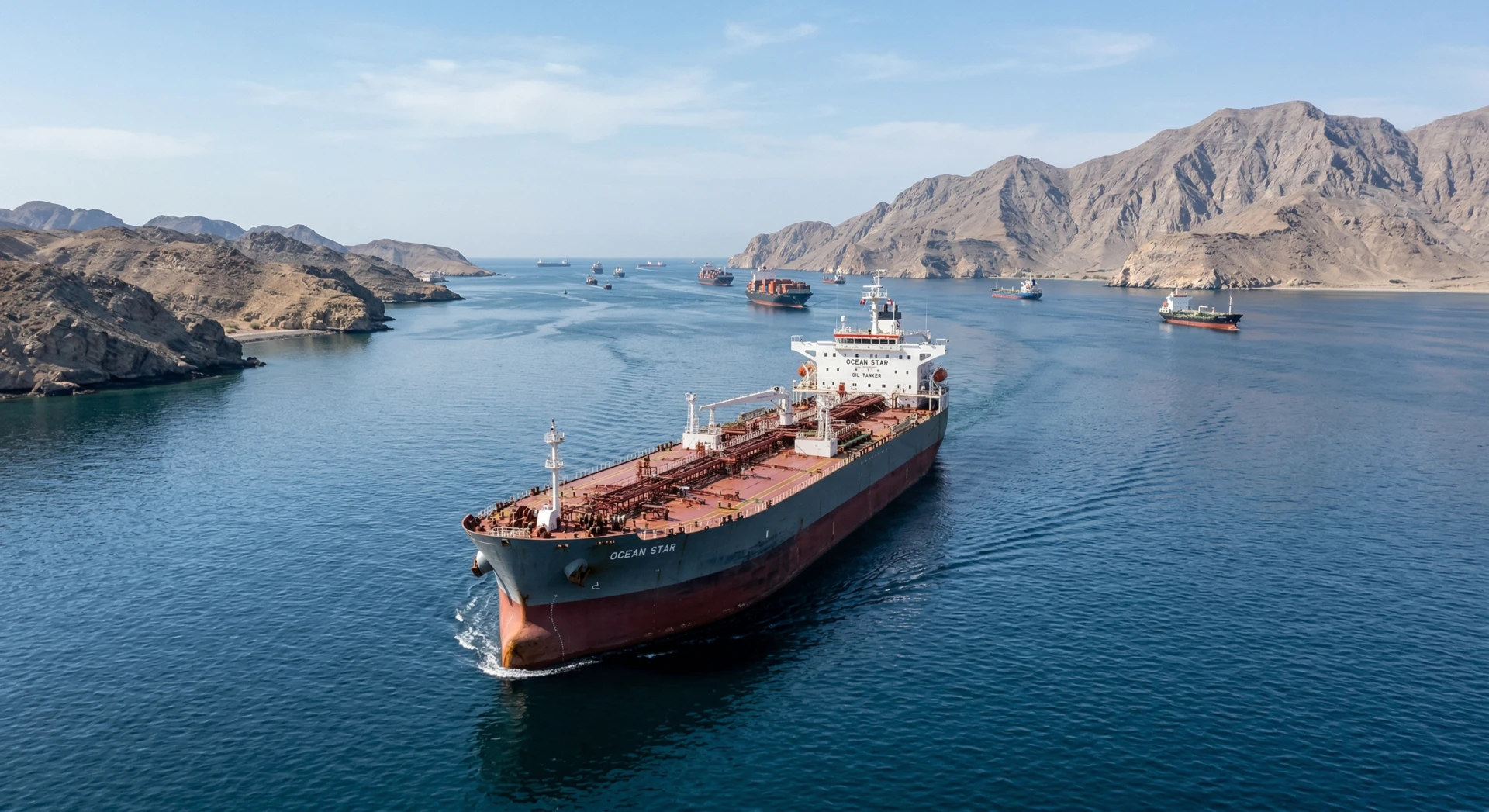
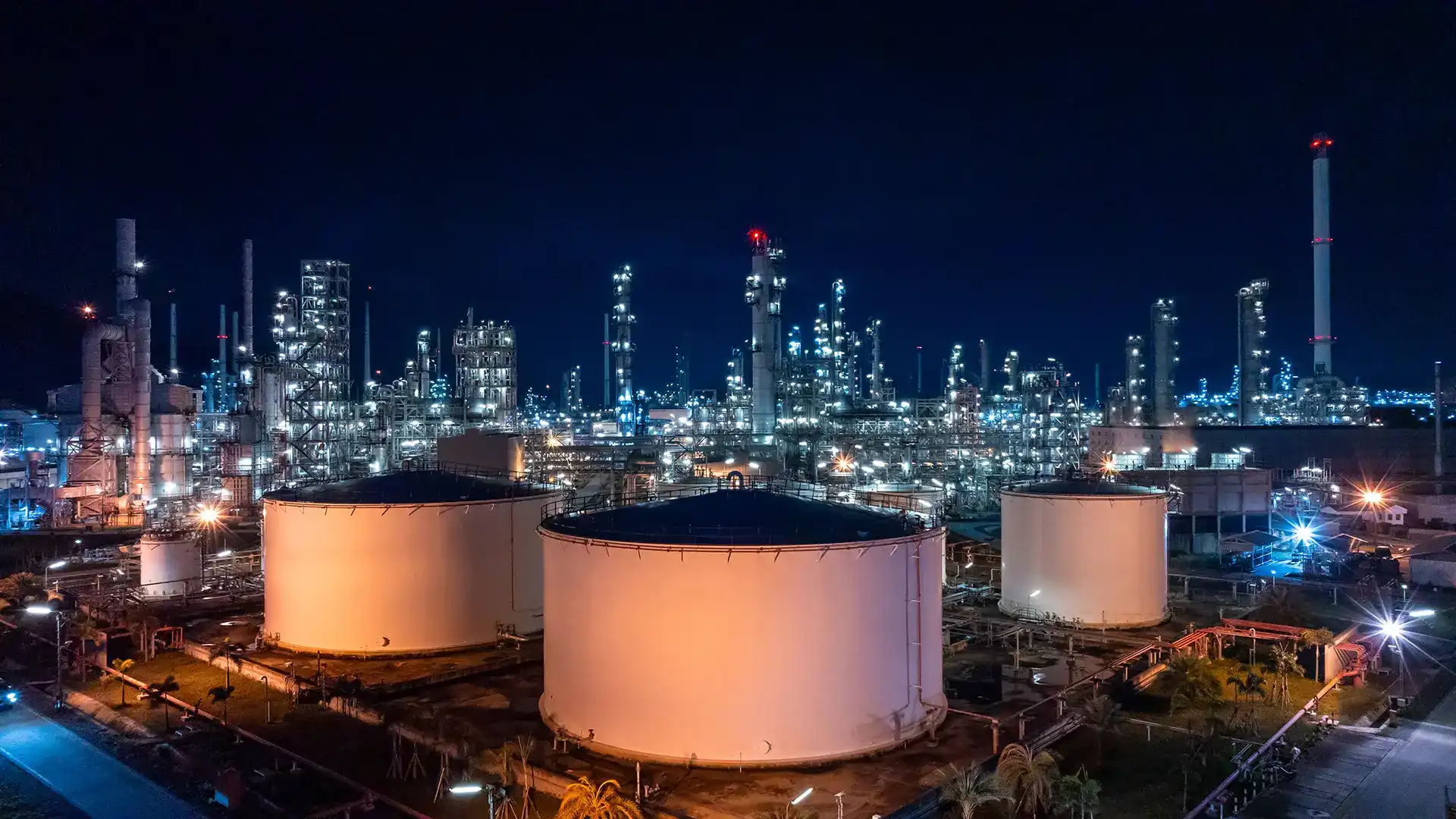
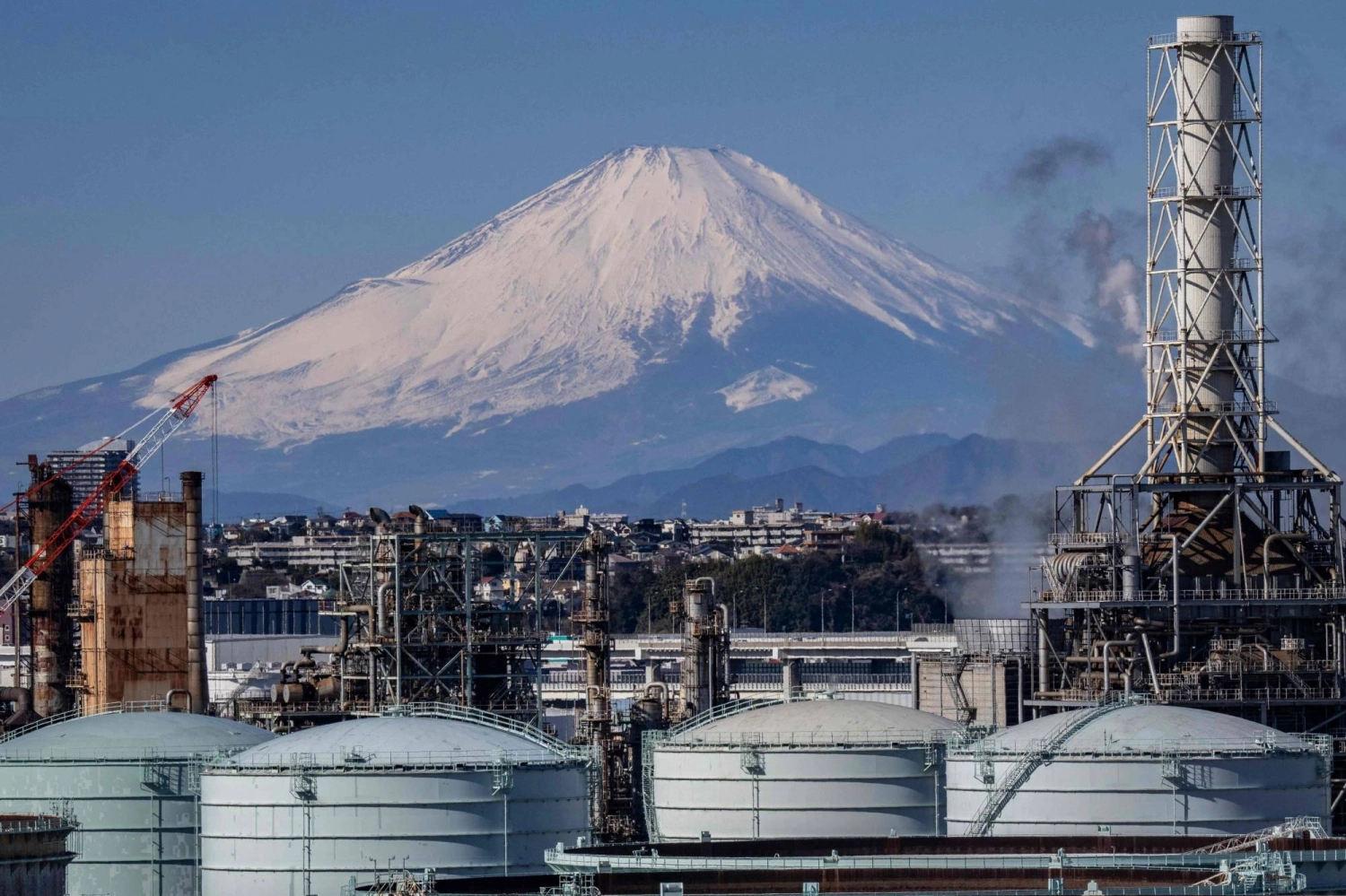
Asian refiners benefit from record refining margins as Strait of Hormuz disruptions force unprecedented shipping rate spikes and crude supply diversification. The immediate arithmetic transforms previous margin compression fears, a typical 300,000 barrel per day (bpd) refinery in South Korea or India that previously sourced 70% of its crude from the Gulf now pays $8-12 per barrel premium for West African or US alternatives, but product crack spreads have widened dramatically to offset higher input costs. For state-owned enterprises like Indian Oil Corporation (IOCL) or SK Innovation, strong refining margins of $15-25 per barrel on refined products compensate for elevated feedstock procurement costs. The disruption triggers what analysts describe as the largest oil supply shock in history by volume, with Brent crude reaching $112 per barrel a level that simultaneously drives margin expansion as product prices rise faster than crude costs. Private refiners without strategic petroleum reserves (SPR) face procurement challenges but benefit from exceptional crack spreads, while integrated oil majors with term contracts enjoy both supply security and margin enhancement.
On the buy side, Asian state refiners initially benefit from strategic petroleum reserves and long-term supply agreements that provide 30-60 days of cushioning against spot price volatility. IOCL's 5.33 million tonne SPR capacity represents approximately 9.5 days of consumption cover, not 38 days, requiring rapid alternative supply arrangements when drawdowns begin. However, refiners face dramatically different economics: sourcing 1 million barrels monthly from Nigeria's Bonny Light rather than Saudi Arab Light carries freight premiums, but product margins of $40-50 per barrel for gasoline and $48 per barrel for diesel more than compensate for the $10-15 per barrel input cost increase. On the sell side, Gulf producers with closed or restricted export terminals face the inverse problem accumulated crude inventory with limited outlet options, forcing emergency storage utilization and potential production cuts to manage tank tops.
For large integrated trading houses like Vitol or Trafigura, the Hormuz closure creates exceptional opportunity through derivatives access and global logistics networks amid record shipping rates. These operators execute complex arbitrage strategies, purchasing discounted Gulf crude stuck behind the closure for forward delivery while simultaneously hedging with ICE Brent futures and securing alternative supply for immediate Asian delivery. VLCC rates have exploded to $400,000+ per day from normal $35,000-40,000 levels, with time charter equivalent earnings exceeding $150,000 for standard routes. The margin anatomy reveals unprecedented profit concentration: spreads between discounted Gulf crude and premium alternative supplies, amplified by their ability to finance storage positions. However, working capital requirements surge dramatically financing 10-20 cargoes simultaneously requires credit facilities expanding from $500 million to $2-3 billion, constraining smaller trading operations without comparable banking relationships.
Mid-sized regional importers face acute logistical constraints but benefit from exceptional product margins offsetting higher crude procurement costs. Thailand's PTT or Malaysia's Petronas trading arms secure alternative supplies at premiums but realize crack spreads of $30-60 per barrel depending on product grade. These operators typically fix crude purchases 30-45 days forward through bilateral negotiations, meaning procurement costs rise but product pricing adjusts rapidly upward. A 150,000 bpd refinery accepts 15-20% higher crude costs from alternative suppliers but generates margins of $25-35 per barrel on refined products compared to historical $8-12 per barrel. The financing dimension requires expanded letter of credit facilities as crude prices and shipping costs surge, but strong cash flows from enhanced margins support credit expansion.
Smaller independent refiners experience mixed outcomes as bilateral supply agreements include price reopener clauses but product pricing flexibility varies by market position. A 50,000 bpd independent refinery in South Korea might operate on $35-45 per barrel gross refining margins when crude costs $105 per barrel, compared to historical $5-8 per barrel margins at $75 crude pricing. These operators cannot hedge through futures markets but benefit from regional product shortages driving exceptional crack spreads. Instead of margin compression, they experience margin expansion through inventory management and operational flexibility, maintaining high run rates to maximize throughput during peak margin periods, focusing production on highest-margin products like gasoline and jet fuel. The second order effect cascades through regional fuel supply chains: independent refiner output increases to capture exceptional margins, reducing import dependence for finished products despite crude supply disruption.
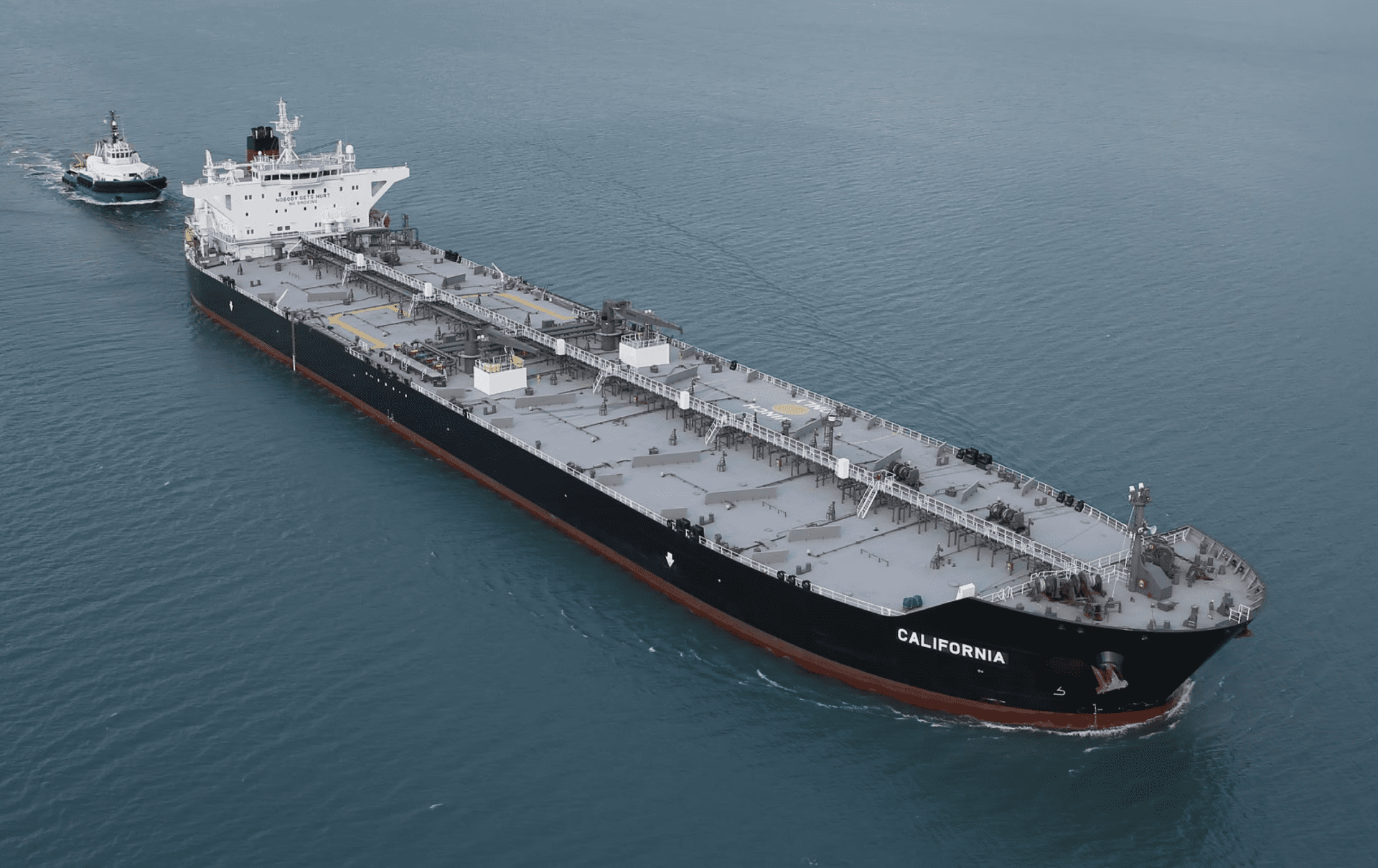
The supply chain reconfiguration drives shipping costs to historic extremes as Asian refiners pivot from 7-10 day transit times from the Gulf to 25-35 day voyages from West Africa or 18-21 days from US Gulf Coast. Very Large Crude Carriers (VLCCs) command time charter equivalent rates exceeding $400,000 per day compared to normal $35,000-40,000, with benchmark Middle East-China routes reaching $423,736 per day the highest in Baltic Exchange history. Voyage charter rates for Persian Gulf-China crude now command $89 per metric ton compared to $13.50 in January 2026, representing a 560% increase. The financing implications extend working capital requirements, crude in transit financing increases proportionally with voyage duration and absolute shipping costs, requiring facilities 4-5 times larger for West African sourcing compared to Gulf supplies. This constraint particularly affects smaller operations, but strong refining margins provide cash flow support for credit expansion.
Forward market signals suggest the disruption's persistence will maintain elevated margins rather than compress them as product markets remain tight globally. The 12 month Brent forward curve trading in steep backwardation, where near-term contracts exceed forward prices by $8-12 per barrel indicates traders expect eventual resolution but product supply will remain constrained. Asian refiners traditionally export 15-20% of output to regional markets, but exceptional domestic margins encourage increased domestic focus, reducing regional supply availability and supporting sustained high crack spreads. State refiners with SPR capabilities maximize refinery utilization to capture exceptional margins, while private operators face immediate cash flow abundance that enables strategic inventory building. The secondary effect emerges in refined product trade flows, reduced Asian refinery exports create supply gaps globally, supporting product prices and sustaining margin premiums for all regional participants regardless of crude supply disruption resolution timing.

.jpg)

'%3e%3cg id='Final-Copy-2_2_' transform='translate(1275.000000, 200.000000)'%3e%3cpath class='st0' d='M7.4,12.8h6.8l3.1-11.6H7.4C4.2,1.2,1.6,3.8,1.6,7S4.2,12.8,7.4,12.8z'/%3e%3c/g%3e%3c/g%3e%3c/g%3e%3cg id='final---dec.11-2020'%3e%3cg id='_x30_208-our-toggle' transform='translate(-1275.000000, -200.000000)'%3e%3cg id='Final-Copy-2' transform='translate(1275.000000, 200.000000)'%3e%3cpath class='st1' d='M22.6,0H7.4c-3.9,0-7,3.1-7,7s3.1,7,7,7h15.2c3.9,0,7-3.1,7-7S26.4,0,22.6,0z M1.6,7c0-3.2,2.6-5.8,5.8-5.8 h9.9l-3.1,11.6H7.4C4.2,12.8,1.6,10.2,1.6,7z'/%3e%3cpath id='x' class='st2' d='M24.6,4c0.2,0.2,0.2,0.6,0,0.8l0,0L22.5,7l2.2,2.2c0.2,0.2,0.2,0.6,0,0.8c-0.2,0.2-0.6,0.2-0.8,0 l0,0l-2.2-2.2L19.5,10c-0.2,0.2-0.6,0.2-0.8,0c-0.2-0.2-0.2-0.6,0-0.8l0,0L20.8,7l-2.2-2.2c-0.2-0.2-0.2-0.6,0-0.8 c0.2-0.2,0.6-0.2,0.8,0l0,0l2.2,2.2L23.8,4C24,3.8,24.4,3.8,24.6,4z'/%3e%3cpath id='y' class='st3' d='M12.7,4.1c0.2,0.2,0.3,0.6,0.1,0.8l0,0L8.6,9.8C8.5,9.9,8.4,10,8.3,10c-0.2,0.1-0.5,0.1-0.7-0.1l0,0 L5.4,7.7c-0.2-0.2-0.2-0.6,0-0.8c0.2-0.2,0.6-0.2,0.8,0l0,0L8,8.6l3.8-4.5C12,3.9,12.4,3.9,12.7,4.1z'/%3e%3c/g%3e%3c/g%3e%3c/g%3e%3c/g%3e%3c/svg%3e) Privacy Choices
Privacy Choices