.avif)
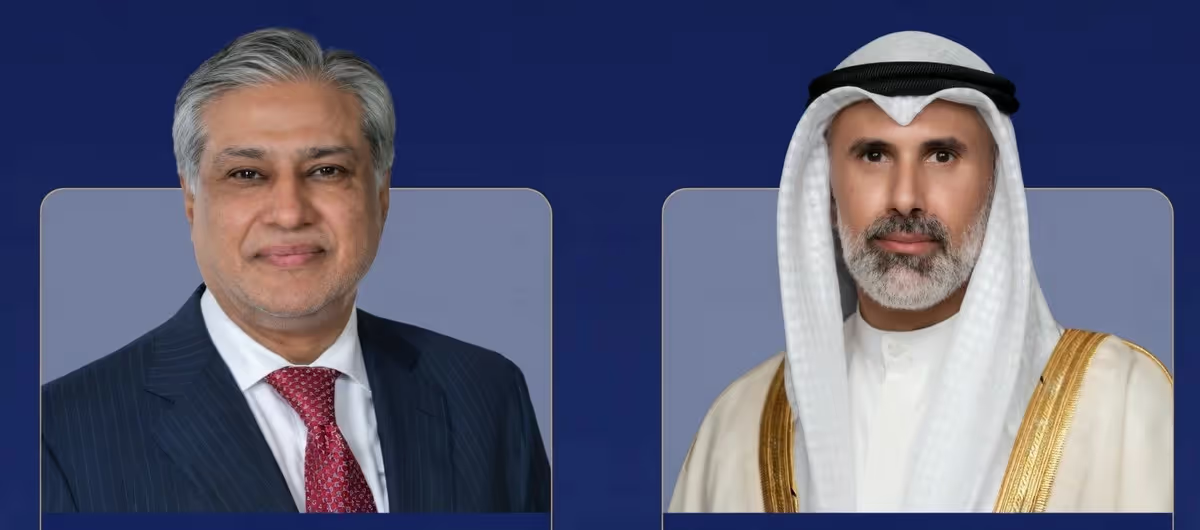
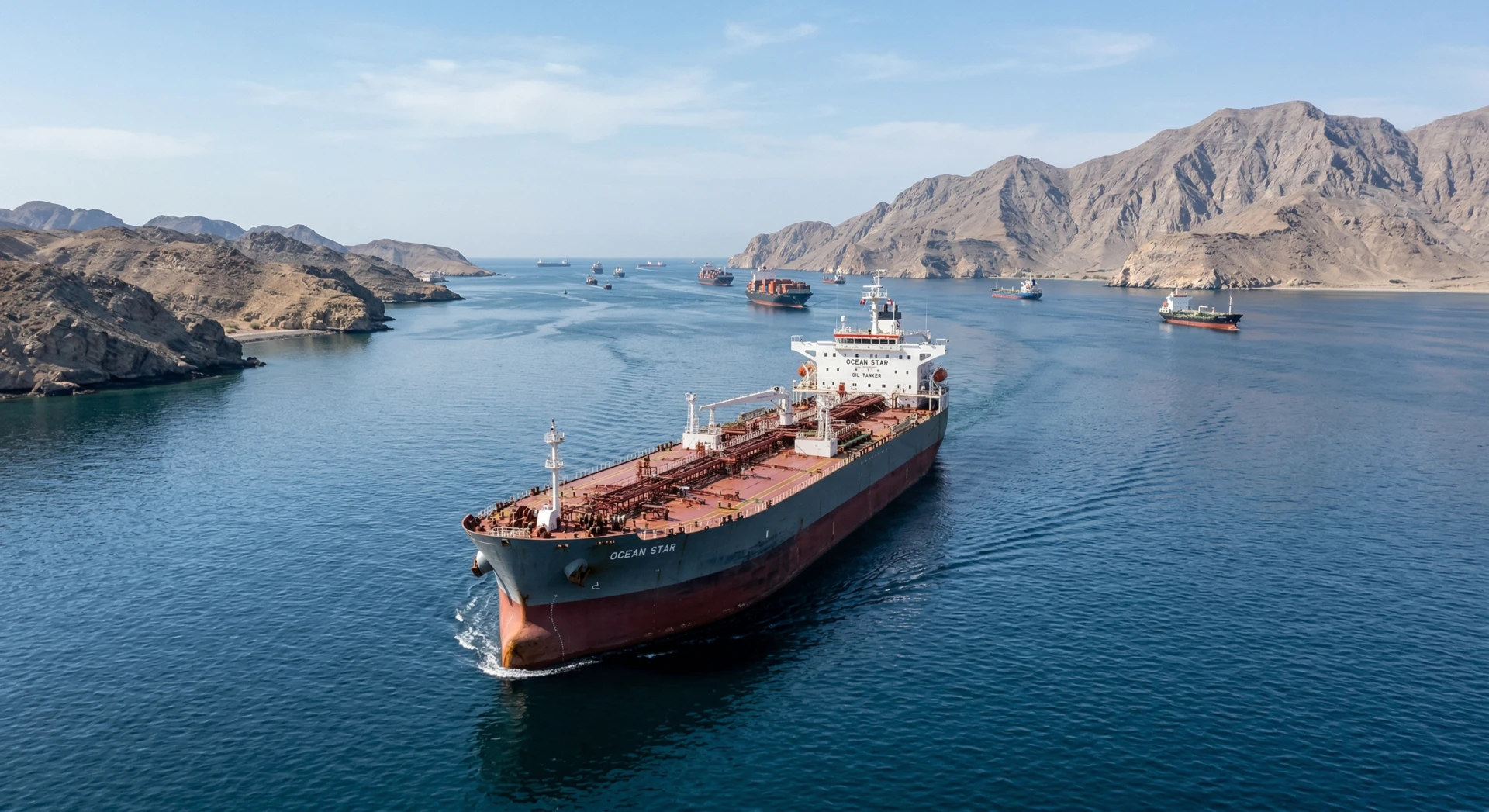
Pakistan's Deputy Prime Minister and Foreign Minister Ishaq Dar held talks with Kuwait's Foreign Minister Sheikh Jarrah Jaber Al-Ahmad Al-Sabah on Saturday, discussing the evolving Middle East situation and its broader economic implications. For tanker owners managing vessels through the Strait of Hormuz a waterway that normally handles 20% of global oil trade this diplomatic coordination matters little. The Baltic Dirty Tanker Index (BDTI) currently stands at 2,752 points, up from 1,108 a year ago, reflecting sustained freight premiums despite diplomatic efforts. Since February 28, 2026, the strait has been effectively closed to most commercial shipping, with about 2,000 ships remaining stranded in the Gulf. The diplomatic coordination, while symbolically important, cannot materially alter tanker routing decisions or war risk insurance calculations.
The BDTI an index that tracks freight rates on major crude oil trading routes carried by dirty tankers has more than doubled from year-ago levels as shippers navigate around Africa via the Cape of Good Hope. War-risk ship insurance premiums for the strait increased from 0.125% to between 0.2% and 0.4% of ship insurance value per transit for very large oil tankers, this is an increase of a quarter of a million dollars. Consider a VLCC (Very Large Crude Carrier a supertanker capable of carrying 2 million barrels) that would normally earn approximately $102,250 per day on a 12 month time charter. Current rerouting costs operators $40-50 million per week in added fuel, insurance, and routing costs. The additional Cape route adds 6,000 nautical miles and roughly 14 days to voyages from the Gulf to Asian refineries, transforming a 25 day journey into a 39 day commitment.
The Kuwaiti foreign minister commended Pakistan's diplomatic role, particularly its efforts to facilitate engagement between rival sides and promote lasting peace. However, neither country operates meaningful tanker fleets that could influence market dynamics. Polymarket traders price a 57.5% probability against Strait of Hormuz shipping traffic returning to normal by June 30, as recent US naval escorts enabled just two merchant ships to cross on May 4, but volumes remain muted. Iran announced on March 26 that ships owned by five nations China, Russia, India, Iraq, and Pakistan would be allowed to transit the strait, but this selective access provides limited relief for global tanker operators. The United States has said it will take six months to clear mines it believes have been laid by Iran, while the International Energy Agency calls this "the largest oil supply disruption in the history" of the global market.
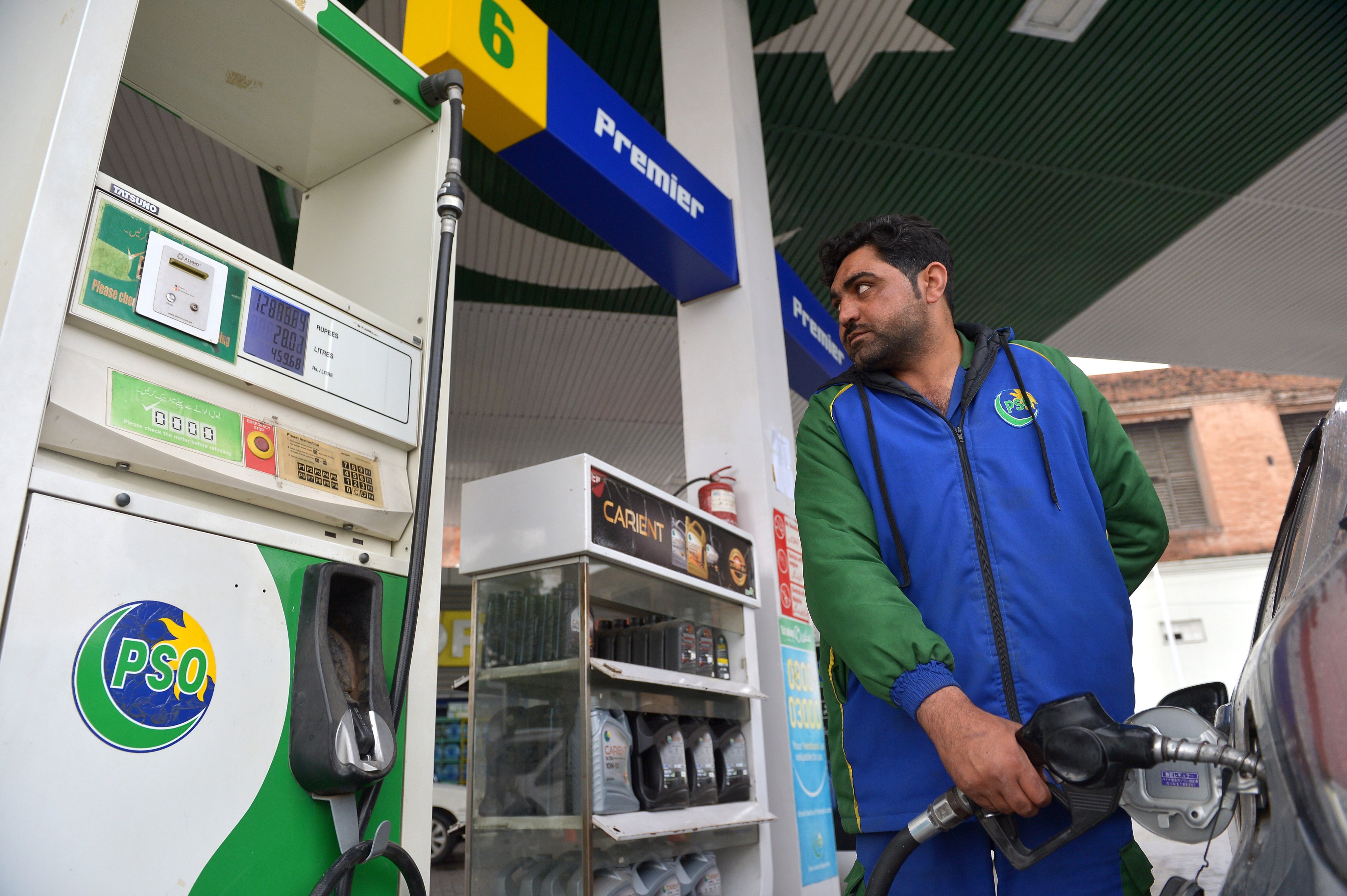
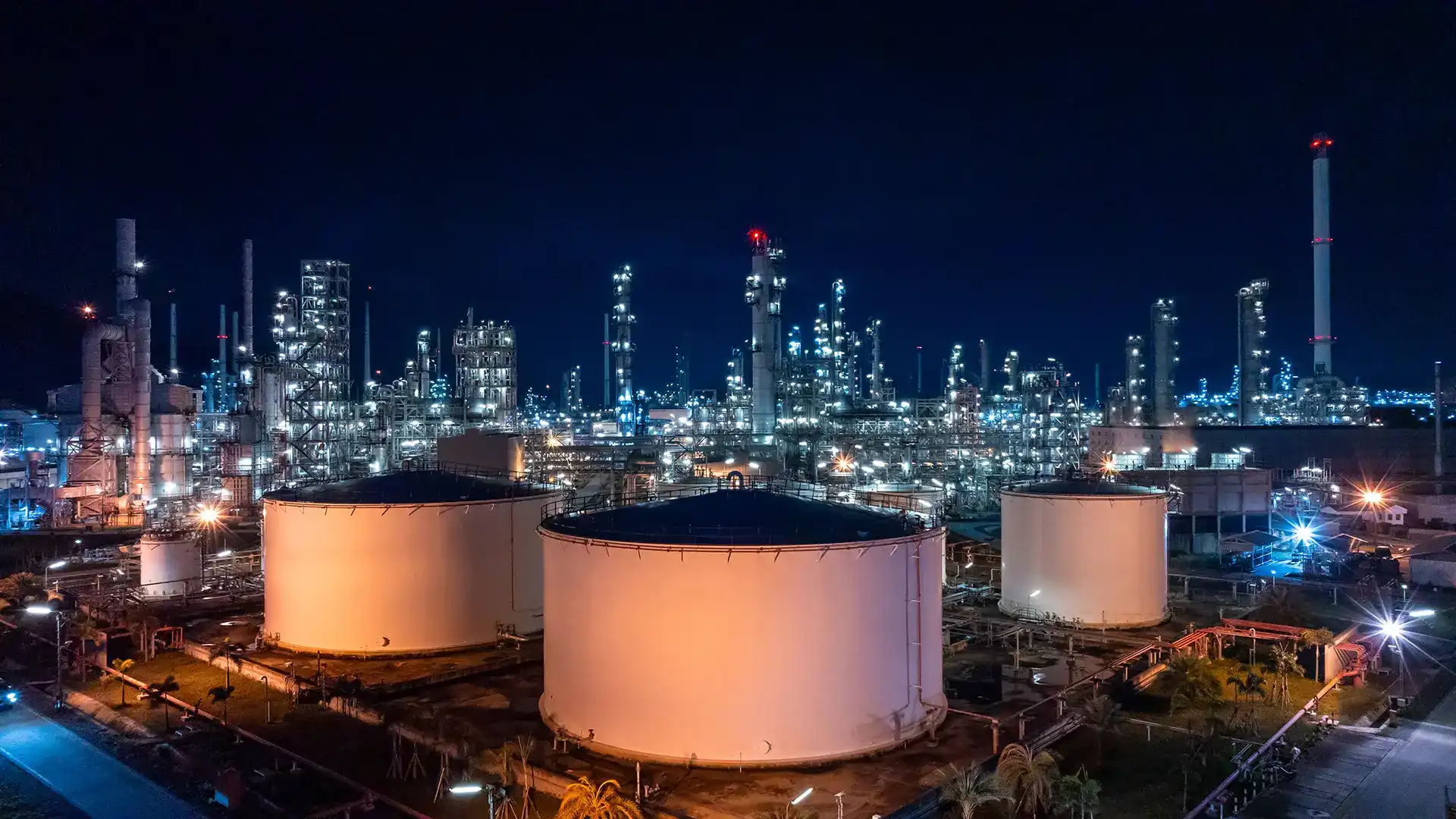
On the buy side: Asian refineries particularly in China, Japan, and South Korea face sustained crude shortages and premium pricing. In 2024, around 84% of crude oil and 83% of LNG passing through the Strait went to Asia; nearly 70% of the oil went to China, India, Japan, and South Korea. Japan started releasing 80 million barrels of oil from its strategic reserves on March 16, equivalent to 15 days of domestic demand. On the sell side: Gulf producers with pipeline alternatives maintain revenue through premium pricing, but face volume constraints. Bypass pipelines can only handle approximately 7 million barrels per day versus 20 million barrels per day normal strait flow just 35% coverage. For intermediaries: tanker owners with vessels trapped inside the Gulf face demurrage accumulation, while those operating Cape routes capture substantial time charter premiums reflecting the extended voyage economics.
For large integrated players Frontline, Euronav, or a national oil company's shipping arm with derivatives access: lock in forward freight agreements (FFAs) on BDTI routes at current elevated levels through Q3 2026, as any diplomatic breakthrough will likely require months of mine-clearing operations. For smaller regional operators independent tanker owners, feeder vessel operators, or regional fuel distributors without derivatives access: secure bilateral time charter agreements with Asian refineries at premium rates, diversify to non-Hormuz supply sources where possible, and maintain higher cash reserves for extended voyage economics. For observers: Monitor IMF Portwatch's 7 day moving average of transit calls for the Strait of Hormuz any sustained reading above 60 ships daily signals meaningful normalization, but current diplomatic efforts provide no timeline for such recovery.
.jpg)
.jpg)
'%3e%3cg id='Final-Copy-2_2_' transform='translate(1275.000000, 200.000000)'%3e%3cpath class='st0' d='M7.4,12.8h6.8l3.1-11.6H7.4C4.2,1.2,1.6,3.8,1.6,7S4.2,12.8,7.4,12.8z'/%3e%3c/g%3e%3c/g%3e%3c/g%3e%3cg id='final---dec.11-2020'%3e%3cg id='_x30_208-our-toggle' transform='translate(-1275.000000, -200.000000)'%3e%3cg id='Final-Copy-2' transform='translate(1275.000000, 200.000000)'%3e%3cpath class='st1' d='M22.6,0H7.4c-3.9,0-7,3.1-7,7s3.1,7,7,7h15.2c3.9,0,7-3.1,7-7S26.4,0,22.6,0z M1.6,7c0-3.2,2.6-5.8,5.8-5.8 h9.9l-3.1,11.6H7.4C4.2,12.8,1.6,10.2,1.6,7z'/%3e%3cpath id='x' class='st2' d='M24.6,4c0.2,0.2,0.2,0.6,0,0.8l0,0L22.5,7l2.2,2.2c0.2,0.2,0.2,0.6,0,0.8c-0.2,0.2-0.6,0.2-0.8,0 l0,0l-2.2-2.2L19.5,10c-0.2,0.2-0.6,0.2-0.8,0c-0.2-0.2-0.2-0.6,0-0.8l0,0L20.8,7l-2.2-2.2c-0.2-0.2-0.2-0.6,0-0.8 c0.2-0.2,0.6-0.2,0.8,0l0,0l2.2,2.2L23.8,4C24,3.8,24.4,3.8,24.6,4z'/%3e%3cpath id='y' class='st3' d='M12.7,4.1c0.2,0.2,0.3,0.6,0.1,0.8l0,0L8.6,9.8C8.5,9.9,8.4,10,8.3,10c-0.2,0.1-0.5,0.1-0.7-0.1l0,0 L5.4,7.7c-0.2-0.2-0.2-0.6,0-0.8c0.2-0.2,0.6-0.2,0.8,0l0,0L8,8.6l3.8-4.5C12,3.9,12.4,3.9,12.7,4.1z'/%3e%3c/g%3e%3c/g%3e%3c/g%3e%3c/g%3e%3c/svg%3e) Privacy Choices
Privacy Choices