.avif)
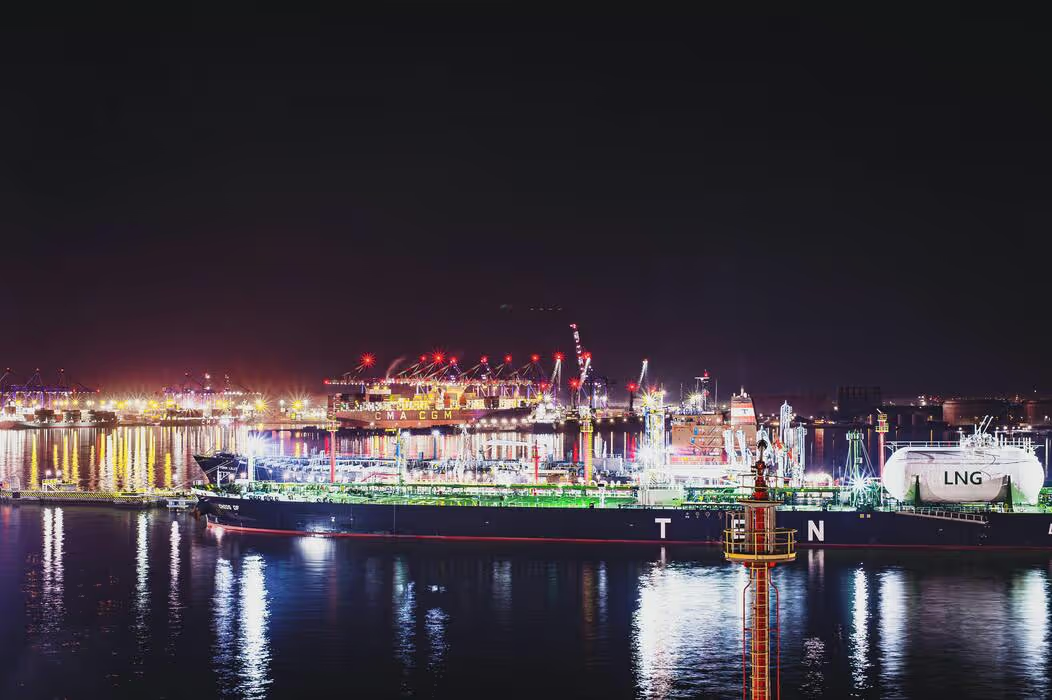
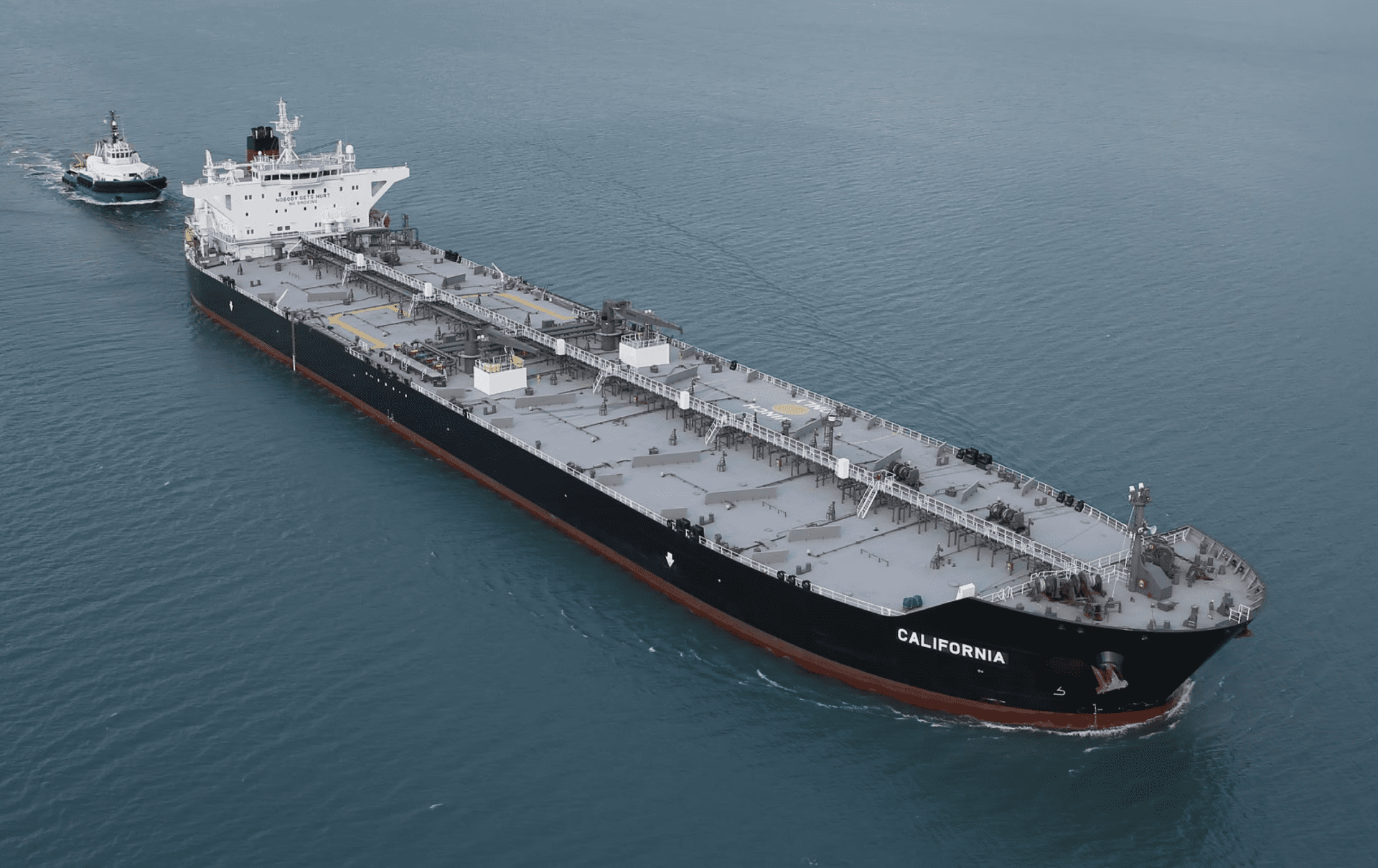
Tariffs imposed during the US-China trade war have halted most Chinese imports of US oil and LNG, worth $8.4 billion in 2024, creating immediate commercial pressure for US LNG exporters who could recover 10-15% in tariff burden through a proposed bilateral trade mechanism. The US and China are expected to inch toward a managed trade mechanism for non-sensitive goods this week, with each side possibly identifying $30 billion worth of goods on which they could reduce tariffs. A managed trade mechanism a structured framework where both sides identify specific non-sensitive goods for reciprocal tariff reductions without crossing national security boundaries represents a fundamental shift from earlier trade negotiations that demanded wholesale economic restructuring. China maintains retaliatory duties of 15% on liquefied natural gas and 10% on crude oil from the US, in addition to a general 10% tariff on all US imports, effectively pricing American energy out of the Chinese market.
Consider the arithmetic facing a mid-sized US LNG exporter shipping a standard 70,000 cubic meter cargo roughly 3.1 million MMBtu to Chinese buyers. China's imports of US LNG have tended to swing with geopolitical events, creating an opening should ties improve, but current tariff structures make direct sales uneconomical. At current Henry Hub prices around $2.50/MMBtu plus liquefaction, shipping, and margin costs, a delivered Chinese price might reach $12-14/MMBtu before tariffs. The 15% LNG tariff adds roughly $1.80-2.10/MMBtu, while the general 10% tariff compounds the burden. For a 3.1 million MMBtu cargo, this tariff load represents $5.6-6.5 million in additional costs often exceeding the entire voyage margin. The tariff relief mechanism could eliminate this burden entirely, restoring the commercial viability of direct US-China LNG flows.
On the buy side: Chinese utilities and industrial gas users have maintained supply security through alternative suppliers, but US LNG exports to China plummeted 99.4% in 2025, forcing Beijing to rely more heavily on pipeline gas from Central Asia and LNG from Australia and Qatar. Chinese buyers have adapted to US supply loss, but eliminating tariffs would restore pricing competition among suppliers. On the sell side: US LNG exporters have rerouted Chinese bound cargoes to European and other Asian markets, but Chinese buyers seek alternative destinations for prepurchased cargoes to avoid the prohibitively high tariff rate, made possible by destination flexibility provisions. This rerouting generates additional shipping costs and opportunity costs when European prices trade below Asian levels.
For large integrated energy companies (Cheniere, ExxonMobil's export operations, major trading arms): the tariff relief creates immediate arbitrage opportunities between US production costs and Chinese market prices, while enabling long-term contract negotiations that were effectively frozen during the trade war. These operators can hedge currency and commodity price risks through derivatives markets, isolating the pure tariff impact. For smaller regional LNG suppliers and mid-scale export facilities: tariff elimination provides access to the world's largest LNG importing market without sophisticated hedging infrastructure, but success depends on securing offtake agreements with creditworthy Chinese counterparties. These operators typically rely on shorter-term contracts and spot sales, making them more vulnerable to policy reversals but potentially more agile in capturing immediate opportunities.
For observers: monitor the Henry Hub-JKM spread through June 2026. Global LNG prices remain elevated as a result of reduced flows through the Strait of Hormuz, with a wide spread between US domestic natural gas prices and international markets. If the tariff mechanism proceeds, expect the spread to narrow as US gas gains pricing access to Asian demand. Track US LNG export capacity utilization rates, particularly from newer facilities like Corpus Christi and Golden Pass. US LNG export capacity grew by about 0.9 billion cubic feet per day in April, led by the first shipment from Golden Pass LNG's Train 1, with Corpus Christi Train 6 scheduled to come online in summer 2026. Any sustained increase in utilization rates above 85% following tariff relief would signal genuine restoration of US-China energy trade flows.
.jpg)


'%3e%3cg id='Final-Copy-2_2_' transform='translate(1275.000000, 200.000000)'%3e%3cpath class='st0' d='M7.4,12.8h6.8l3.1-11.6H7.4C4.2,1.2,1.6,3.8,1.6,7S4.2,12.8,7.4,12.8z'/%3e%3c/g%3e%3c/g%3e%3c/g%3e%3cg id='final---dec.11-2020'%3e%3cg id='_x30_208-our-toggle' transform='translate(-1275.000000, -200.000000)'%3e%3cg id='Final-Copy-2' transform='translate(1275.000000, 200.000000)'%3e%3cpath class='st1' d='M22.6,0H7.4c-3.9,0-7,3.1-7,7s3.1,7,7,7h15.2c3.9,0,7-3.1,7-7S26.4,0,22.6,0z M1.6,7c0-3.2,2.6-5.8,5.8-5.8 h9.9l-3.1,11.6H7.4C4.2,12.8,1.6,10.2,1.6,7z'/%3e%3cpath id='x' class='st2' d='M24.6,4c0.2,0.2,0.2,0.6,0,0.8l0,0L22.5,7l2.2,2.2c0.2,0.2,0.2,0.6,0,0.8c-0.2,0.2-0.6,0.2-0.8,0 l0,0l-2.2-2.2L19.5,10c-0.2,0.2-0.6,0.2-0.8,0c-0.2-0.2-0.2-0.6,0-0.8l0,0L20.8,7l-2.2-2.2c-0.2-0.2-0.2-0.6,0-0.8 c0.2-0.2,0.6-0.2,0.8,0l0,0l2.2,2.2L23.8,4C24,3.8,24.4,3.8,24.6,4z'/%3e%3cpath id='y' class='st3' d='M12.7,4.1c0.2,0.2,0.3,0.6,0.1,0.8l0,0L8.6,9.8C8.5,9.9,8.4,10,8.3,10c-0.2,0.1-0.5,0.1-0.7-0.1l0,0 L5.4,7.7c-0.2-0.2-0.2-0.6,0-0.8c0.2-0.2,0.6-0.2,0.8,0l0,0L8,8.6l3.8-4.5C12,3.9,12.4,3.9,12.7,4.1z'/%3e%3c/g%3e%3c/g%3e%3c/g%3e%3c/g%3e%3c/svg%3e) Privacy Choices
Privacy Choices