.avif)
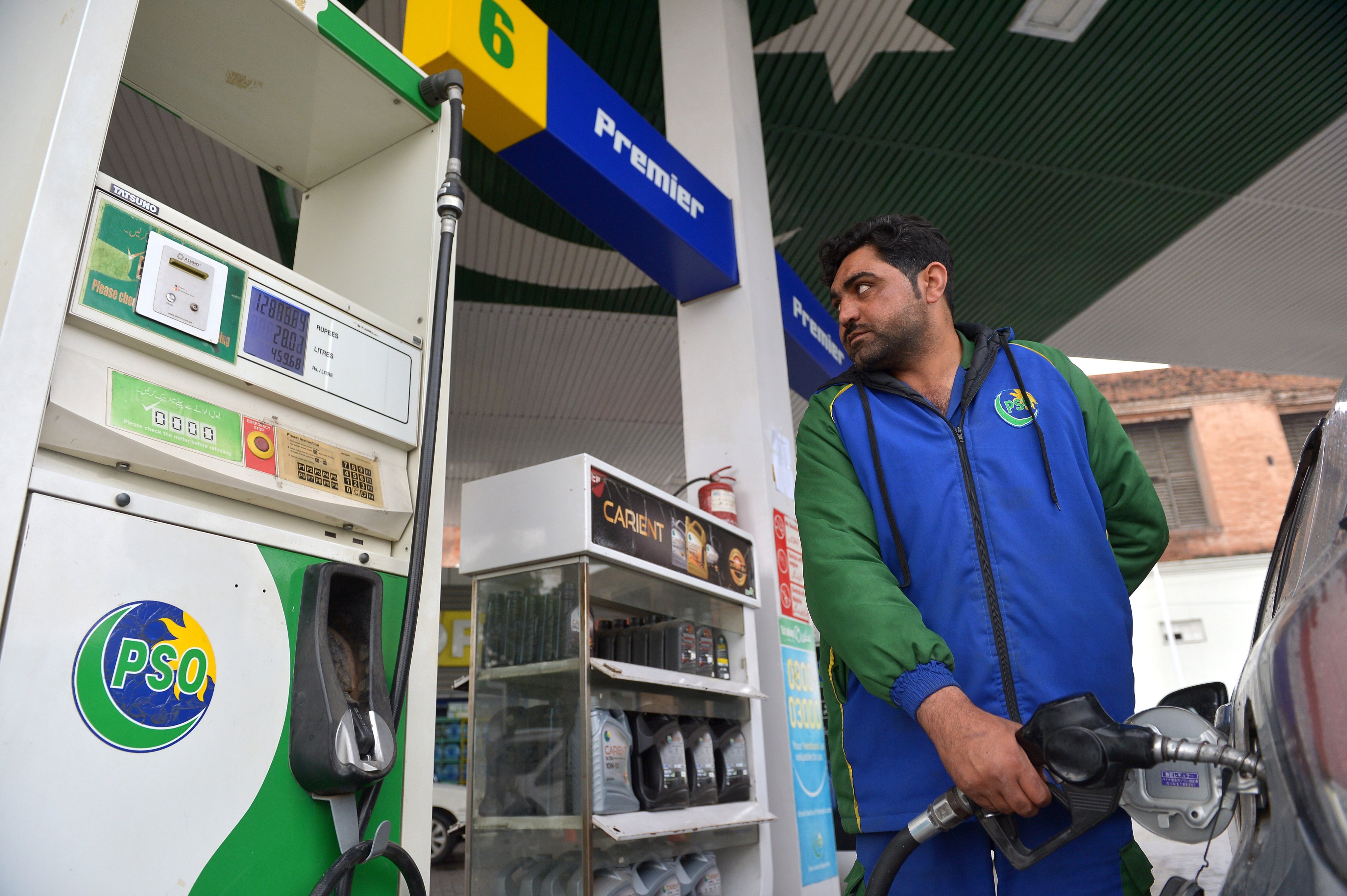
Philippine refiners are securing Russian ESPO crude oil (Eastern Siberia-Pacific Ocean blend) at delivered prices $3-5/barrel below Middle Eastern alternatives, while Pakistani fuel distributors burn through Rs27 billion in government subsidies to offset a 20% retail price surge. Petron Corporation and other Manila Bay refineries are diversifying away from Arab Light and Murban crudes, with Russian ESPO offering 32-34° API gravity well-suited to their hydroskimming configurations. The arbitrage opportunity stems from geopolitical risk premiums: Middle Eastern crudes carry $4-6/barrel security surcharges due to Strait of Hormuz tensions, while Russian ESPO trades at discounts to Brent despite equivalent quality. For a typical 270,000-barrel Aframax cargo, Philippine refineries save $810,000-1.35 million per shipment by switching suppliers. On the sell side, Russian exporters gain preferential access to Southeast Asian markets previously dominated by Saudi Aramco and ADNOC. The immediate commercial consequence hits Pakistani fuel retailers hardest: they must pre-finance the gap between Rs55/liter price increases and regulated retail prices, awaiting government reimbursement through an overstretched subsidy mechanism.
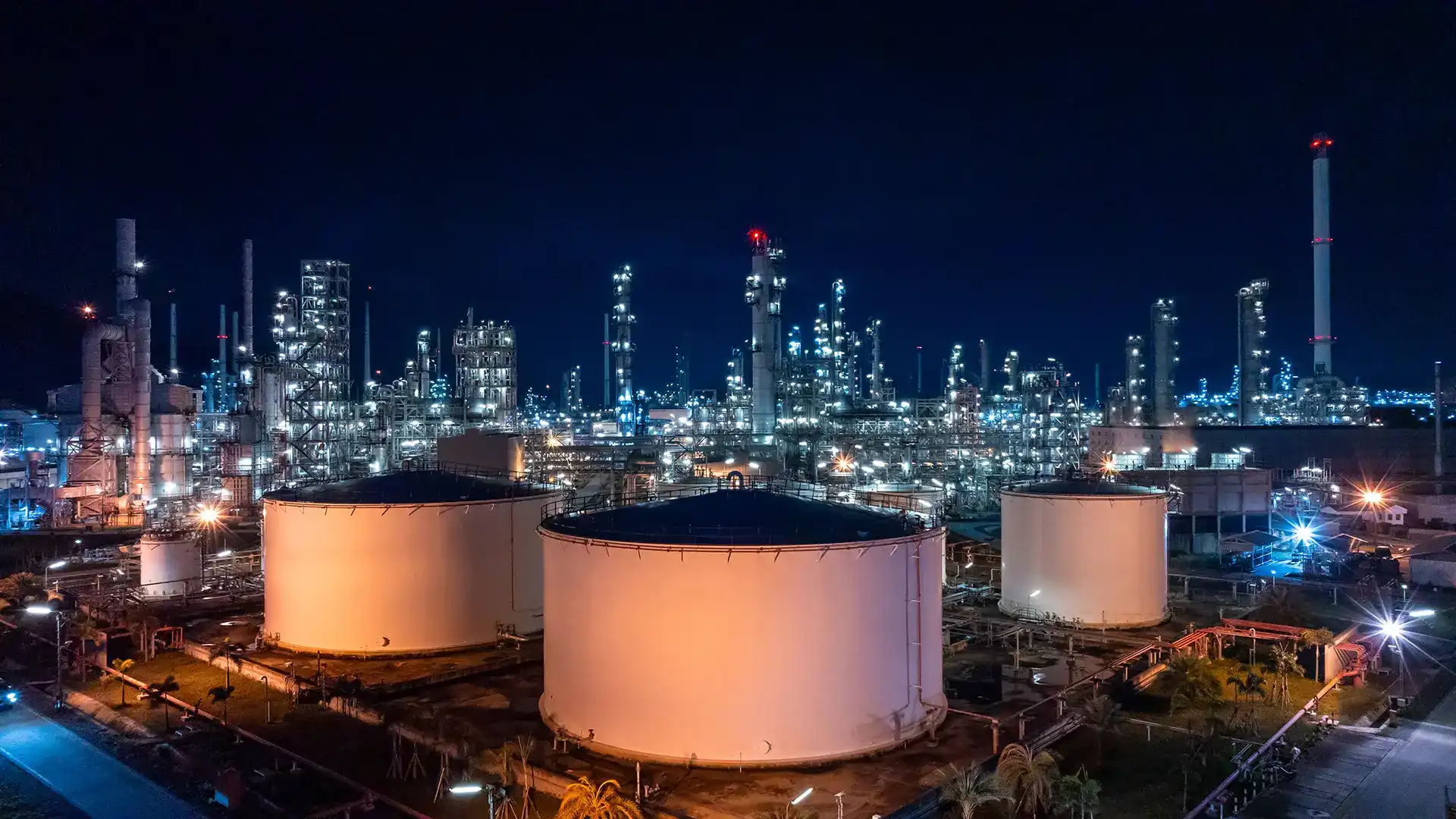
The margin anatomy reveals stark contrasts between Philippine refiners expanding spreads and Pakistani distributors facing compression across multiple components. Philippine domestic refineries benefit from crack spread expansion — the difference between crude input costs and refined product revenues — as they substitute expensive Middle Eastern crude with discounted Russian alternatives. A typical 150,000 barrel-per-day refinery like Petron Bataan saves approximately $450,000-750,000 monthly on crude acquisition costs alone. Additionally, domestic refining eliminates the import premium on finished products, worth another $8-12/barrel compared to importing diesel or gasoline from Singapore. Conversely, Pakistani fuel distributors face margin destruction on three fronts: acquisition costs up Rs55/liter (~20%), financing costs increasing due to 60-90 day payment cycles on government price-differential claims, and working capital compression as Rs27 billion in subsidy settlements remain pending. The government's Prime Minister's Austerity Fund mechanism effectively shifts financing burden to private distributors, who must now carry 200-300 basis points additional financing cost even with eventual full reimbursement. This creates a working capital crisis for smaller Pakistani fuel retailers lacking credit facilities to bridge the subsidy gap.
Financing structures determine which operators can capitalize on these supply shifts, with documentary credit requirements creating hidden barriers. Russian crude transactions increasingly require yuan or ruble settlement, forcing Philippine refineries to establish new banking relationships with Chinese correspondent banks or Gazprombank-affiliated institutions. Letters of credit (LCs) — bank guarantees that payment is made once shipping documents are presented — now carry additional confirmation costs when Chinese banks intermediate Russian energy transactions. Petron and other large Philippine refiners possess sufficient credit lines to secure LC confirmations from ICBC Manila or Bank of China branches, but smaller independent refineries face 50-150 basis point premium for Chinese bank confirmation versus traditional Western banking channels. Pakistani distributors confront a different financing reality: the Rs27 billion subsidy mechanism creates a complex payment waterfall where government reimbursement depends on budget allocation timing. Smaller fuel retailers like independent petrol station operators must secure working capital facilities to bridge the 60-90 day gap between price increases and government compensation. Those lacking banking relationships or collateral face potential liquidity crunches, particularly in rural areas where bank credit access remains limited.
Relationship capital determines access to alternative supply sources, with established bilateral connections proving more valuable than spot market flexibility. Philippine President Marcos Jr.'s diplomatic engagement with Beijing and Moscow creates government-to-government frameworks that facilitate crude oil purchase agreements, but commercial execution depends on refinery-level relationships with Chinese and Russian traders. Unipec Singapore and Rosneft Trading benefit from existing Southeast Asian distribution networks, allowing them to offer Philippine refineries competitive pricing with established logistics support. Large Philippine refiners like Petron leverage relationships with multiple international trading houses — Vitol, Trafigura, Gunvor — to access Russian crude through third-party intermediaries when direct purchases face regulatory complexity. Conversely, smaller regional refineries depend on bilateral relationships with specific suppliers, limiting their ability to diversify quickly. Pakistani fuel importers face relationship constraints of a different nature: government-to-government agreements with Saudi Arabia and UAE provide preferential pricing terms, but private sector relationships with alternative suppliers remain underdeveloped. Pakistan State Oil (PSO) and other large importers maintain established credit relationships with Middle Eastern suppliers, but smaller independent importers lack the relationship capital to access alternative sources during supply disruptions.
Large integrated operators deploy sophisticated hedging strategies to capture arbitrage opportunities while managing geopolitical risks, contrasting sharply with smaller players' limited risk management tools. Major Philippine refiners use crude oil swaps and basis swaps to hedge the spread between Russian ESPO and Brent, locking in the $3-5/barrel discount while maintaining flexibility on absolute price levels. Petron's trading desk can execute financial derivatives through Singapore offices of major banks, using instruments like Platts basis swaps to hedge ESPO-Brent differentials up to 12 months forward. These operators also deploy contango structures — where forward prices exceed spot prices — to optimize inventory timing, using their 45-day storage buffer to buy crude when forward curves signal inventory value. Pakistani large-scale importers like PSO utilize government guarantees to access international commodity financing facilities, but lack derivatives access due to regulatory restrictions on financial instruments. Mid-tier Philippine refiners operate with simpler risk management: they negotiate price review mechanisms in crude purchase contracts and use inventory management to hedge timing risks. Smaller Pakistani distributors have virtually no hedging tools beyond inventory optimization, leaving them fully exposed to both price volatility and government subsidy payment delays. Independent fuel retailers must rely on margin adjustments and payment term negotiations with suppliers, making them most vulnerable to sustained price increases.
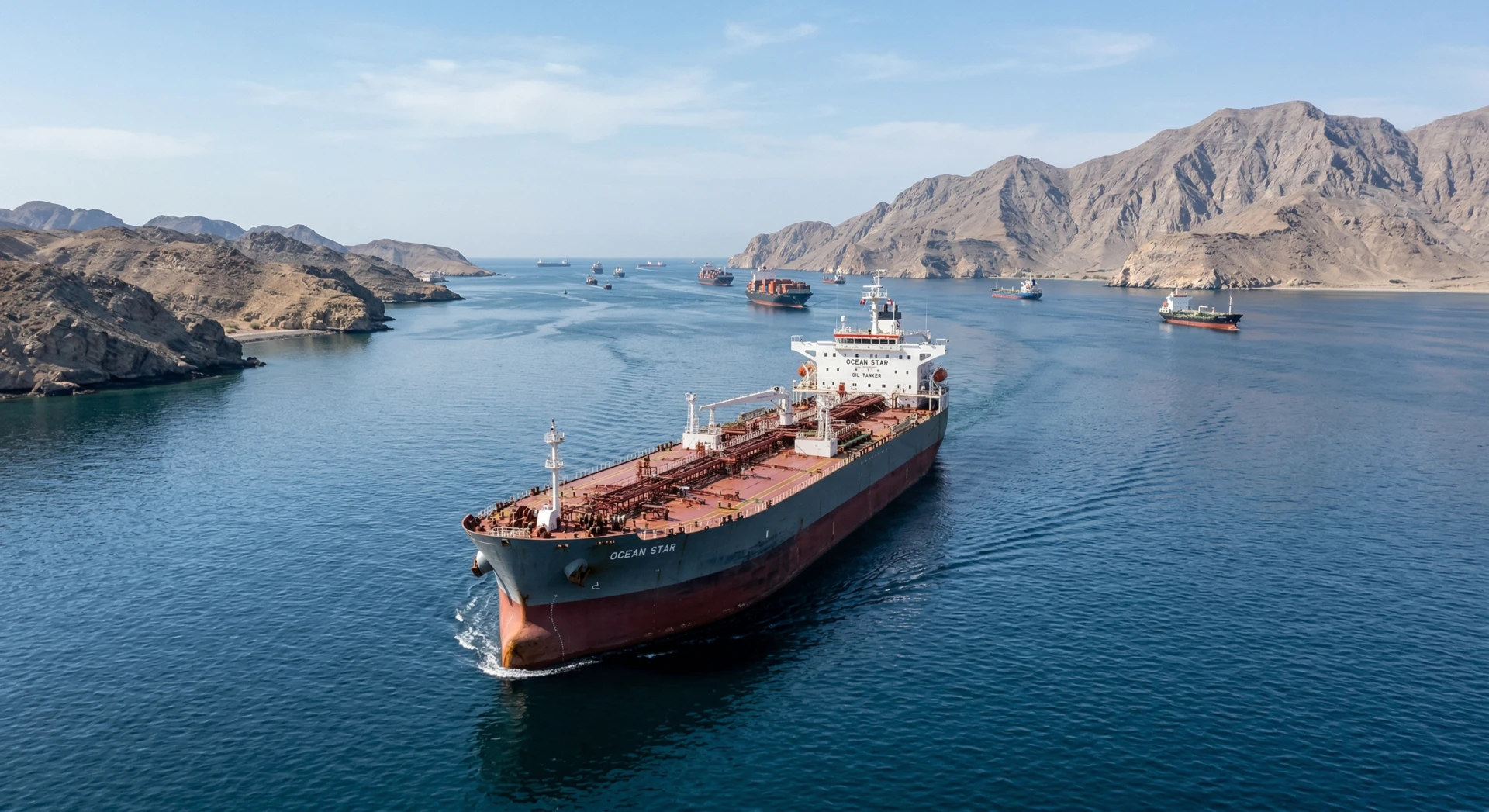
Supply chain reconfiguration creates winners and losers across the Asian petroleum trade network, with vessel logistics and storage infrastructure becoming critical bottlenecks. Russian ESPO crude travels approximately 2,100 nautical miles from Kozmino terminal to Manila Bay, compared to 4,200 miles from Ras Tanura, reducing shipping costs by $1.2-1.8 per barrel on Aframax vessels. This geographic advantage allows Russian suppliers to offer competitive delivered prices despite Urals crude trading at discounts to Brent in European markets. Chinese petroleum product exports benefit from expanded Philippine market access, with diesel and jet fuel shipments from Zhanjiang and Ningbo refineries competing against traditional Singapore-origin supplies. The 1,100-mile shorter voyage from Chinese ports provides Chinese refiners with a $0.8-1.2/barrel freight advantage over Singapore suppliers. Pakistani importers face opposite logistics pressures: increased Middle Eastern security risks force longer shipping routes and higher insurance premiums, adding $2-3/barrel to delivered crude costs. Charter rates for Very Large Crude Carriers (VLCCs) on Middle East-Pakistan routes increased 25-30% due to war risk premiums and longer transit times through alternative shipping lanes avoiding the Strait of Hormuz. Storage terminal capacity becomes crucial: Philippine refineries' 45-day inventory buffer provides strategic flexibility, while Pakistani facilities operate closer to minimum working inventory levels, reducing their ability to optimize purchase timing.
Forward indicators suggest this supply reconfiguration will accelerate through Q2 2026, with commercial implications extending beyond immediate price differentials. Brent-ESPO spreads currently at $4.5/barrel may narrow to $2-3/barrel as more Asian refiners access Russian supplies, reducing Philippine refineries' current arbitrage advantage but still maintaining cost savings versus Middle Eastern alternatives. Pakistani fuel subsidy sustainability remains questionable: Rs27 billion represents approximately 0.4% of GDP, but sustained higher oil prices could push subsidy requirements to Rs50-70 billion quarterly. The government's fiscal position suggests subsidy cuts or retail price increases become inevitable if crude prices remain elevated beyond Q2. Chinese yuan-denominated crude transactions may expand from current estimated 15% of Russian exports to 25-30% by year-end, requiring Philippine and Pakistani importers to develop renminbi banking capabilities or accept intermediation costs. Container shipping rates from China to Southeast Asia provide an early indicator of logistics capacity: current rates at $1,200-1,400 per TEU suggest adequate logistics support for expanded Chinese petroleum product exports. Philippine refineries should monitor ESPO-Brent spreads weekly through Platts assessments, while Pakistani distributors need visibility on government budget allocation timing for subsidy settlements. The sustainability of current supply arrangements depends heavily on geopolitical developments, making relationship diversification essential for both markets' energy security beyond immediate commercial advantages.
.jpg)
.jpg)
'%3e%3cg id='Final-Copy-2_2_' transform='translate(1275.000000, 200.000000)'%3e%3cpath class='st0' d='M7.4,12.8h6.8l3.1-11.6H7.4C4.2,1.2,1.6,3.8,1.6,7S4.2,12.8,7.4,12.8z'/%3e%3c/g%3e%3c/g%3e%3c/g%3e%3cg id='final---dec.11-2020'%3e%3cg id='_x30_208-our-toggle' transform='translate(-1275.000000, -200.000000)'%3e%3cg id='Final-Copy-2' transform='translate(1275.000000, 200.000000)'%3e%3cpath class='st1' d='M22.6,0H7.4c-3.9,0-7,3.1-7,7s3.1,7,7,7h15.2c3.9,0,7-3.1,7-7S26.4,0,22.6,0z M1.6,7c0-3.2,2.6-5.8,5.8-5.8 h9.9l-3.1,11.6H7.4C4.2,12.8,1.6,10.2,1.6,7z'/%3e%3cpath id='x' class='st2' d='M24.6,4c0.2,0.2,0.2,0.6,0,0.8l0,0L22.5,7l2.2,2.2c0.2,0.2,0.2,0.6,0,0.8c-0.2,0.2-0.6,0.2-0.8,0 l0,0l-2.2-2.2L19.5,10c-0.2,0.2-0.6,0.2-0.8,0c-0.2-0.2-0.2-0.6,0-0.8l0,0L20.8,7l-2.2-2.2c-0.2-0.2-0.2-0.6,0-0.8 c0.2-0.2,0.6-0.2,0.8,0l0,0l2.2,2.2L23.8,4C24,3.8,24.4,3.8,24.6,4z'/%3e%3cpath id='y' class='st3' d='M12.7,4.1c0.2,0.2,0.3,0.6,0.1,0.8l0,0L8.6,9.8C8.5,9.9,8.4,10,8.3,10c-0.2,0.1-0.5,0.1-0.7-0.1l0,0 L5.4,7.7c-0.2-0.2-0.2-0.6,0-0.8c0.2-0.2,0.6-0.2,0.8,0l0,0L8,8.6l3.8-4.5C12,3.9,12.4,3.9,12.7,4.1z'/%3e%3c/g%3e%3c/g%3e%3c/g%3e%3c/g%3e%3c/svg%3e) Privacy Choices
Privacy Choices