.avif)
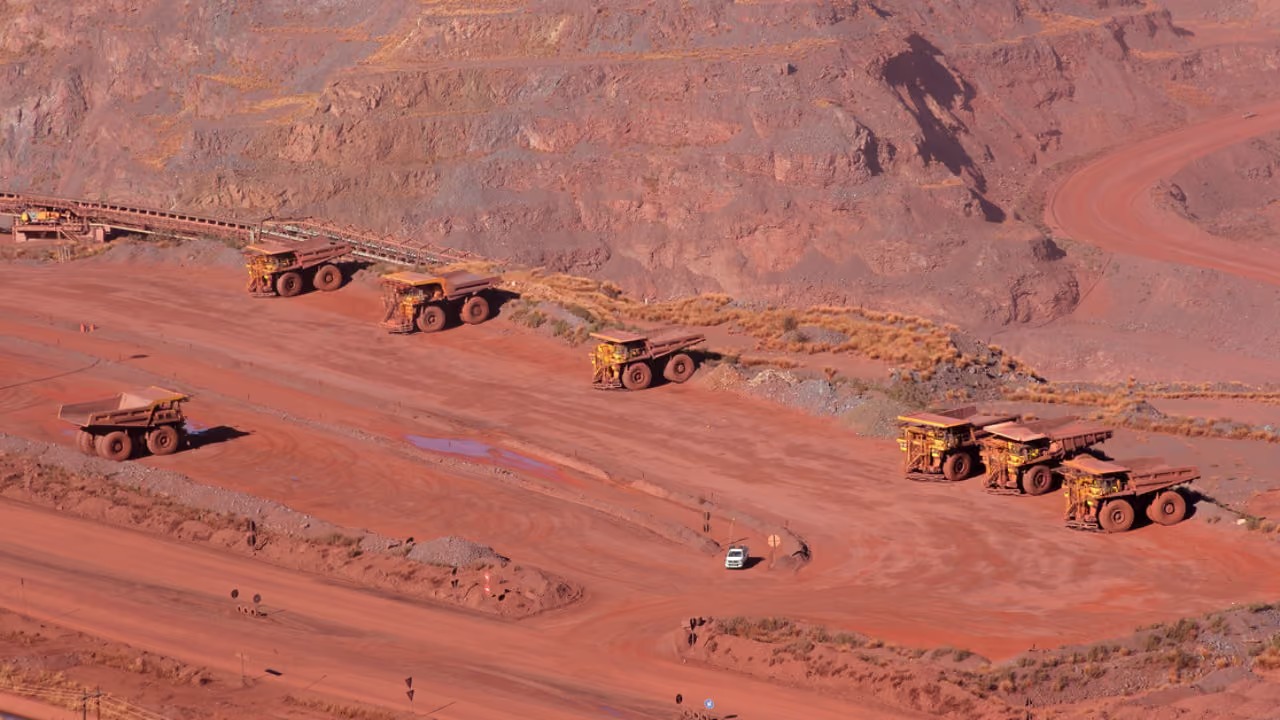
Australian iron ore exporters are capturing an additional USD 0.50–1.00 per tonne in effective margin for every 1% the Australian dollar weakens against the US dollar and the AUD slipped roughly 0.3% to below 0.66 USD on 6 July 2026 after the TD Securities Melbourne Institute (TD-MI) inflation gauge recorded a 0.4% fall in June, its second consecutive monthly decline.
The TD-MI gauge is a private-sector monthly measure of consumer price changes, distinct from the official Australian Bureau of Statistics (ABS) quarterly CPI the Consumer Price Index, which tracks the average change in prices paid by households across a fixed basket of goods. The RBA (Reserve Bank of Australia, Australia's central bank) has explicitly stated it weights the ABS CPI above private gauges when setting policy. That distinction matters now because markets have moved aggressively: bond futures and options positioning implies above 70% probability of a 25 basis point rate cut a reduction of 0.25 percentage points in the overnight cash rate at the September RBA meeting. A basis point is one one-hundredth of a percentage point. Traders are also buying AUD/USD put options contracts that pay out if the Australian dollar falls below a set level with strikes clustered below 0.6500, reflecting bets on further currency weakness. The official ABS May CPI print showed annual inflation at 4.0%, still well above the RBA's 2–3% target band, which is why practitioner caution is warranted before acting on a single TD-MI figure.
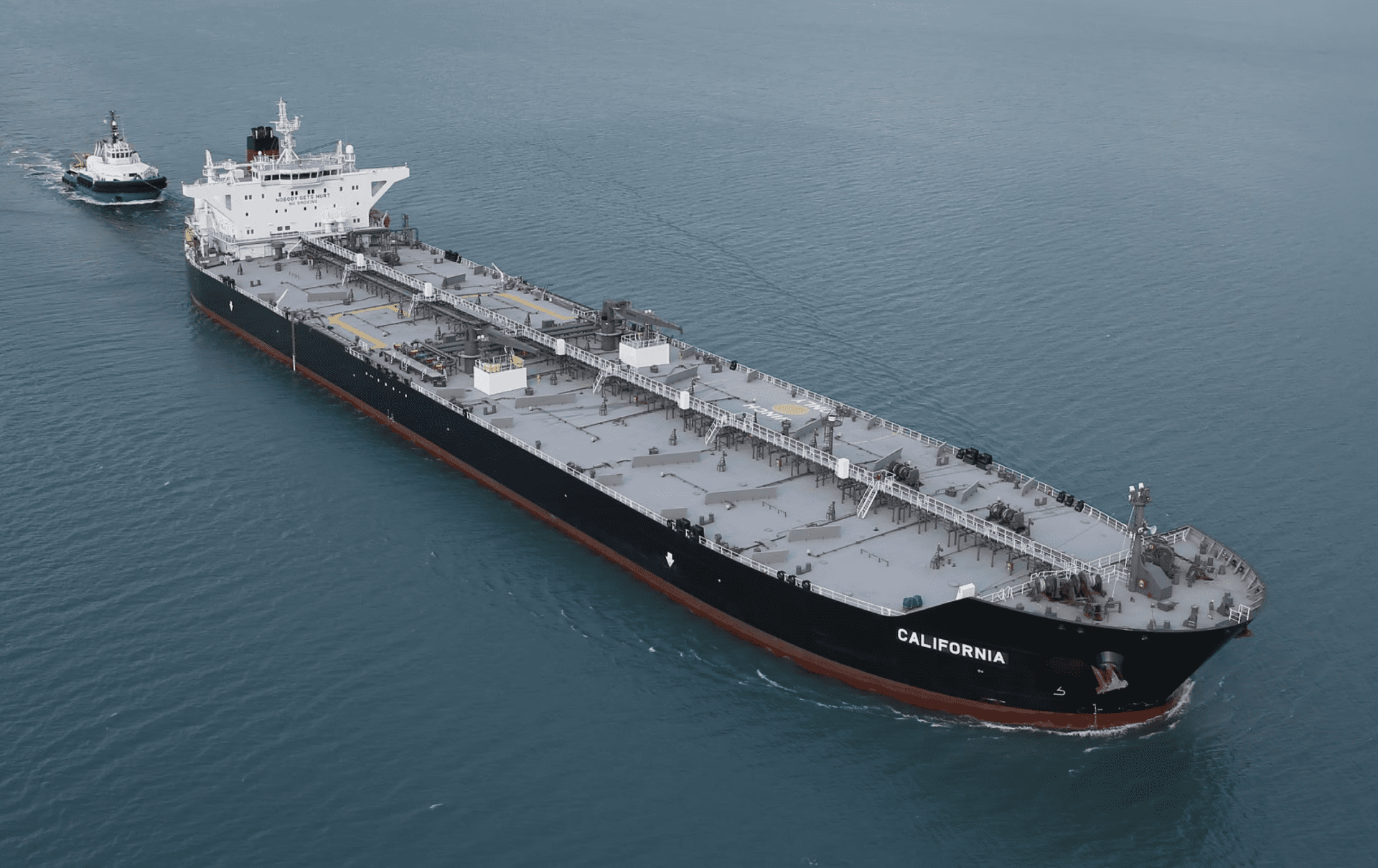
Consider a mid-sized Australian iron ore exporter shipping a 170,000 tonne Capesize cargo a vessel class too large for the Panama Canal, typically deployed on long-haul bulk routes such as Port Hedland to Qingdao at current 62% Fe (iron content) spot prices of approximately USD 100/tonne. Revenue is USD denominated; a material share of operating costs labour, fuel, port charges, maintenance is AUD denominated. At AUD/USD 0.69 (the level prevailing in early 2026), those AUD costs convert to a higher USD equivalent, compressing the dollar margin. At 0.66, a 3 percentage point depreciation since the start of the year, the same cost base is roughly USD 1.50–2.00/tonne cheaper in dollar terms. That is not transformative on its own, but against a backdrop of softening iron ore prices, it is the difference between a shipment that pencils and one that doesn't. On the sell side, Australian miners BHP, Fortescue, and mid-tier producers alike are the direct beneficiaries of this currency tailwind. On the buy side, Chinese steel mills and Japanese integrated steelmakers purchasing iron ore in USD face no immediate change in their acquisition cost; the currency benefit accrues entirely upstream.
For a large integrated operator a trading house or a major miner's marketing arm with access to foreign exchange derivatives the current environment offers a specific opportunity. The AUD/USD implied volatility surface, the market's pricing of future currency swings, is showing elevated put skew below 0.6500: that is, downside protection is in demand, which inflates the cost of buying puts but also inflates the premium receivable from selling USD call options contracts that pay the seller if USD strengthens beyond a set level. A treasury desk with natural USD receivables from iron ore sales can sell USD calls to fund AUD put protection at relatively attractive levels, locking in a floor on the margin benefit. For a smaller regional iron ore exporter without derivatives access an independent mid-tier miner or a junior producer the practical equivalent is straightforward: review any AUD priced forward sales contracts or offtake agreements that inadvertently cap USD upside, and where possible, negotiate USD denominated terms on new or renewing supply agreements before the currency picture clarifies post-August.
The critical signal to watch is the ABS monthly CPI indicator for July, due in late August 2026 not the next TD-MI print. If the official ABS reading confirms the disinflationary trend and moves materially toward the 2–3% target band, RBA rate cut probability will harden and AUD weakness is likely to extend, sustaining the cost-structure advantage for Australian iron ore exporters. If the ABS print surprises to the upside driven by services inflation or wage growth, both of which the RBA has flagged as residual risks then the TD-MI implied rate cut narrative will deflate quickly, the AUD could recover toward 0.68–0.69, and the currency tailwind reverses. US Federal Reserve policy is a compounding variable: markets were pricing approximately 77% probability of further Fed tightening as of early July, which keeps USD broadly bid and amplifies any AUD softness. Observers should track the ABS monthly CPI release date (anticipated late August) and the RBA's August board statement for any shift in forward guidance language specifically, watch for removal of the phrase 'not ruling anything in or out,' which would signal a genuine policy pivot.

.jpg)



'%3e%3cg id='Final-Copy-2_2_' transform='translate(1275.000000, 200.000000)'%3e%3cpath class='st0' d='M7.4,12.8h6.8l3.1-11.6H7.4C4.2,1.2,1.6,3.8,1.6,7S4.2,12.8,7.4,12.8z'/%3e%3c/g%3e%3c/g%3e%3c/g%3e%3cg id='final---dec.11-2020'%3e%3cg id='_x30_208-our-toggle' transform='translate(-1275.000000, -200.000000)'%3e%3cg id='Final-Copy-2' transform='translate(1275.000000, 200.000000)'%3e%3cpath class='st1' d='M22.6,0H7.4c-3.9,0-7,3.1-7,7s3.1,7,7,7h15.2c3.9,0,7-3.1,7-7S26.4,0,22.6,0z M1.6,7c0-3.2,2.6-5.8,5.8-5.8 h9.9l-3.1,11.6H7.4C4.2,12.8,1.6,10.2,1.6,7z'/%3e%3cpath id='x' class='st2' d='M24.6,4c0.2,0.2,0.2,0.6,0,0.8l0,0L22.5,7l2.2,2.2c0.2,0.2,0.2,0.6,0,0.8c-0.2,0.2-0.6,0.2-0.8,0 l0,0l-2.2-2.2L19.5,10c-0.2,0.2-0.6,0.2-0.8,0c-0.2-0.2-0.2-0.6,0-0.8l0,0L20.8,7l-2.2-2.2c-0.2-0.2-0.2-0.6,0-0.8 c0.2-0.2,0.6-0.2,0.8,0l0,0l2.2,2.2L23.8,4C24,3.8,24.4,3.8,24.6,4z'/%3e%3cpath id='y' class='st3' d='M12.7,4.1c0.2,0.2,0.3,0.6,0.1,0.8l0,0L8.6,9.8C8.5,9.9,8.4,10,8.3,10c-0.2,0.1-0.5,0.1-0.7-0.1l0,0 L5.4,7.7c-0.2-0.2-0.2-0.6,0-0.8c0.2-0.2,0.6-0.2,0.8,0l0,0L8,8.6l3.8-4.5C12,3.9,12.4,3.9,12.7,4.1z'/%3e%3c/g%3e%3c/g%3e%3c/g%3e%3c/g%3e%3c/svg%3e) Privacy Choices
Privacy Choices