.avif)
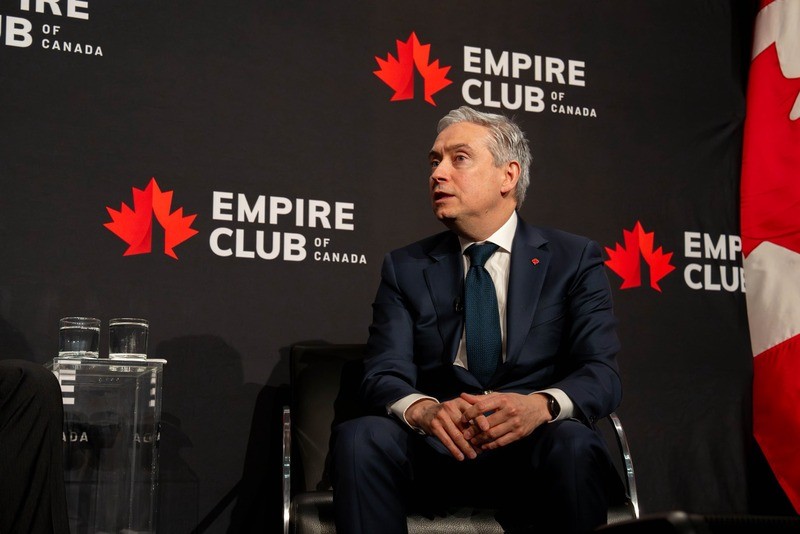
Canada will extend its steel tariff rate quotas and US import relief through June 2027, giving steel fabricators another year of taxpayer funded subsidies that effectively reimburse them for choosing US suppliers over global alternatives. The remission program a government mechanism that pays back Canadian tariffs on US steel and aluminum to eligible firms costs fabricators upfront but delivers full refunds within months, creating an artificial price advantage for US suppliers. Imports exceeding quota limits from non-CUSMA countries continue to face a 50% tariff, while Canada continues to exempt its CUSMA partners, the United States and Mexico, from the TRQs. Consider a mid-sized Canadian fabricator importing 1,000 tonnes of structural steel monthly: under current 25% counter-tariffs on US steel, they pay C$250,000 upfront at the border, then file for full remission. Their alternative sourcing the same grade from Brazil or India faces the 50% quota penalty on volume above allocated limits, adding C$500,000 with no rebate available.
The tariff-rate quota (TRQ) system a trade mechanism that allows a specified quantity of imports at reduced tariff rates, with higher rates applying to volumes above the quota operates like a two-tier pricing structure for Canadian steel buyers. Current quota levels continue to be based on 20% of 2024 volumes for partners without a free trade agreement with Canada, and 75% for partners with a free trade agreement in force with Canada. This creates acute supply constraints: if a fabricator needs 500 tonnes of specialty alloy steel from Germany monthly, but the quota allows only 100 tonnes at standard tariff rates, the remaining 400 tonnes carries the 50% penalty tariff adding roughly C$400/tonne to their cost base. The remission program provides no relief for these over quota volumes, forcing buyers toward US suppliers where full tariff rebates remain available regardless of volume.
LME aluminum has surged to $3,700 per tonne as of June 3, down 1.65% from the previous day but up 48.62% year over year, driven by Middle East supply disruptions and geopolitical tensions. Canadian aluminum fabricators face similar dynamics: they can import US primary aluminum, pay 25% tariffs upfront, and receive full government reimbursement within 6-8 months through the remission program. Alternative suppliers Norwegian hydro aluminum, Chinese primary metal, Australian rolled products all face quota restrictions and potential 50% penalty tariffs with no remission available. This structure has effectively steered Canadian fabricators toward US supply chains, regardless of underlying economics or supply security considerations.
On the buy side: Large integrated manufacturers automotive OEMs, aerospace primes, major construction contractors benefit from the remission program's cash-flow certainty, allowing them to source US steel and aluminum while maintaining working capital through government rebates. Their procurement teams can lock in US supplier contracts knowing the effective landed cost excludes tariff burden. On the sell side: US steel mills and aluminum smelters capture the entirety of this artificial pricing advantage, with Canadian demand effectively subsidized by Ottawa's remission payments. Global suppliers lose access to Canadian markets above quota thresholds, forcing them to discount aggressively or redirect volumes to other regions.
For smaller regional fabricators without derivatives access or sophisticated trade finance, the remission system creates a 6-8 month working capital burden that larger competitors can absorb more easily. They must finance the initial tariff payments while awaiting government refunds, giving well-capitalized firms an operational advantage in bidding for projects. The government intends to initiate efforts towards the inclusion of an allocations based approach for the administration of quota for certain product classes a shift that could provide more predictable access for established importers but potentially disadvantage newer market entrants. Watch Canadian steel import volumes by source country through Q3 2026: any significant shift toward US suppliers above historical norms confirms the subsidy effect is driving procurement decisions rather than underlying competitiveness.




'%3e%3cg id='Final-Copy-2_2_' transform='translate(1275.000000, 200.000000)'%3e%3cpath class='st0' d='M7.4,12.8h6.8l3.1-11.6H7.4C4.2,1.2,1.6,3.8,1.6,7S4.2,12.8,7.4,12.8z'/%3e%3c/g%3e%3c/g%3e%3c/g%3e%3cg id='final---dec.11-2020'%3e%3cg id='_x30_208-our-toggle' transform='translate(-1275.000000, -200.000000)'%3e%3cg id='Final-Copy-2' transform='translate(1275.000000, 200.000000)'%3e%3cpath class='st1' d='M22.6,0H7.4c-3.9,0-7,3.1-7,7s3.1,7,7,7h15.2c3.9,0,7-3.1,7-7S26.4,0,22.6,0z M1.6,7c0-3.2,2.6-5.8,5.8-5.8 h9.9l-3.1,11.6H7.4C4.2,12.8,1.6,10.2,1.6,7z'/%3e%3cpath id='x' class='st2' d='M24.6,4c0.2,0.2,0.2,0.6,0,0.8l0,0L22.5,7l2.2,2.2c0.2,0.2,0.2,0.6,0,0.8c-0.2,0.2-0.6,0.2-0.8,0 l0,0l-2.2-2.2L19.5,10c-0.2,0.2-0.6,0.2-0.8,0c-0.2-0.2-0.2-0.6,0-0.8l0,0L20.8,7l-2.2-2.2c-0.2-0.2-0.2-0.6,0-0.8 c0.2-0.2,0.6-0.2,0.8,0l0,0l2.2,2.2L23.8,4C24,3.8,24.4,3.8,24.6,4z'/%3e%3cpath id='y' class='st3' d='M12.7,4.1c0.2,0.2,0.3,0.6,0.1,0.8l0,0L8.6,9.8C8.5,9.9,8.4,10,8.3,10c-0.2,0.1-0.5,0.1-0.7-0.1l0,0 L5.4,7.7c-0.2-0.2-0.2-0.6,0-0.8c0.2-0.2,0.6-0.2,0.8,0l0,0L8,8.6l3.8-4.5C12,3.9,12.4,3.9,12.7,4.1z'/%3e%3c/g%3e%3c/g%3e%3c/g%3e%3c/g%3e%3c/svg%3e) Privacy Choices
Privacy Choices