.avif)
LNG developers with committed capital in British Columbia can now price a $0.30–0.80/MMBtu reduction in all-in development cost into their project economics but only if federal co-investment translates into construction timelines that current regulatory architecture has never delivered at speed.
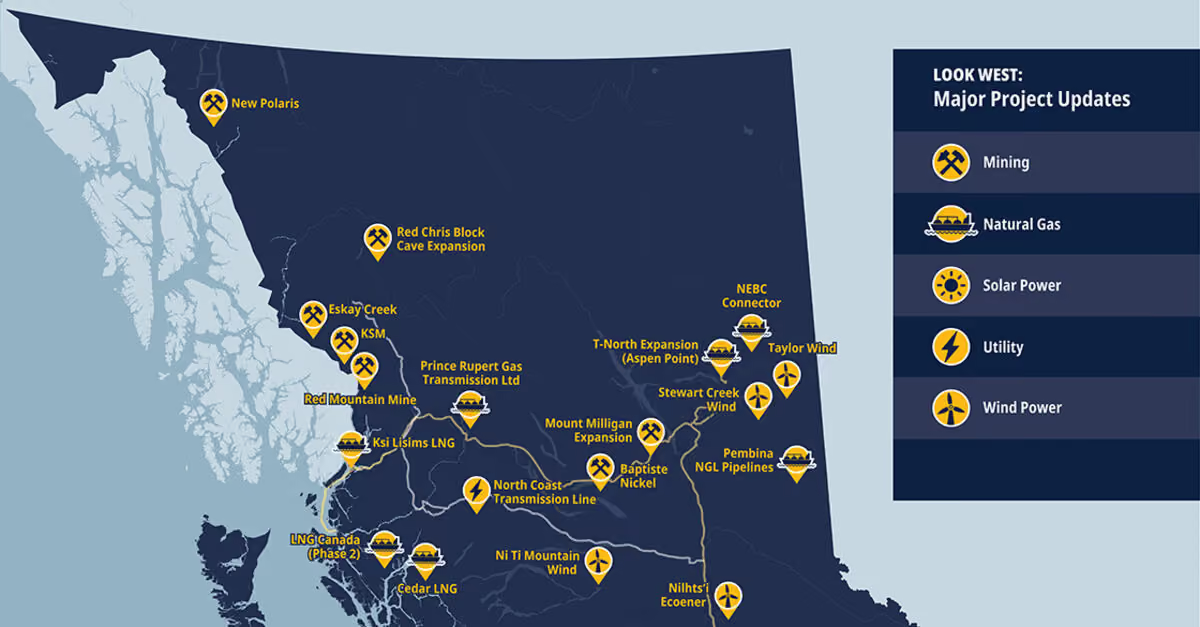
The Canada–British Columbia Cooperative Prosperity Agreement, announced 2 July 2026 by Prime Minister Mark Carney and Premier David Eby, is a multi-billion-dollar federal commitment spanning LNG facilities, the North Coast Transmission Line (~$3.9 billion across Phases 1 and 2), a Red Chris copper mine expansion ($500 million), and the Fraser River Tunnel (up to $3 billion). For LNG project developers the operators most directly targeted by the agreement's Pacific gateway framing the immediate commercial question is not whether the money is real, but whether the conditions attached to it compress or extend the critical path to a final investment decision (FID, the point at which a developer formally commits capital and begins construction). Federal funding announcements and construction starts are separated by years of regulatory process. LNG Canada Phase 1, the only operating Canadian LNG export terminal, took more than a decade from concept to first cargo. Nothing in this agreement structurally changes the permitting architecture that produced that timeline.
The North Coast Transmission Line is the agreement's most consequential single component for LNG developers, and understanding why requires tracing the physical logic. LNG export facilities are enormous consumers of electricity during liquefaction the process of cooling natural gas to minus 162 degrees Celsius, shrinking its volume by roughly 600 times for ocean transport. B.C. LNG developers have been marketing their projects to Asian buyers on a low-carbon intensity basis, using B.C.'s hydroelectric grid as the source of that credential. Without the transmission line connecting that grid to the north coast where Kitimat, the primary LNG export site, is located projects either run on gas-fired power (destroying the emissions story) or wait. The $3.9 billion federal commitment does not begin construction. The line itself requires multi-year regulatory approval, land access negotiations, and grid interconnection studies with Alberta and Yukon. The transmission line is not a precondition Ottawa can waive.
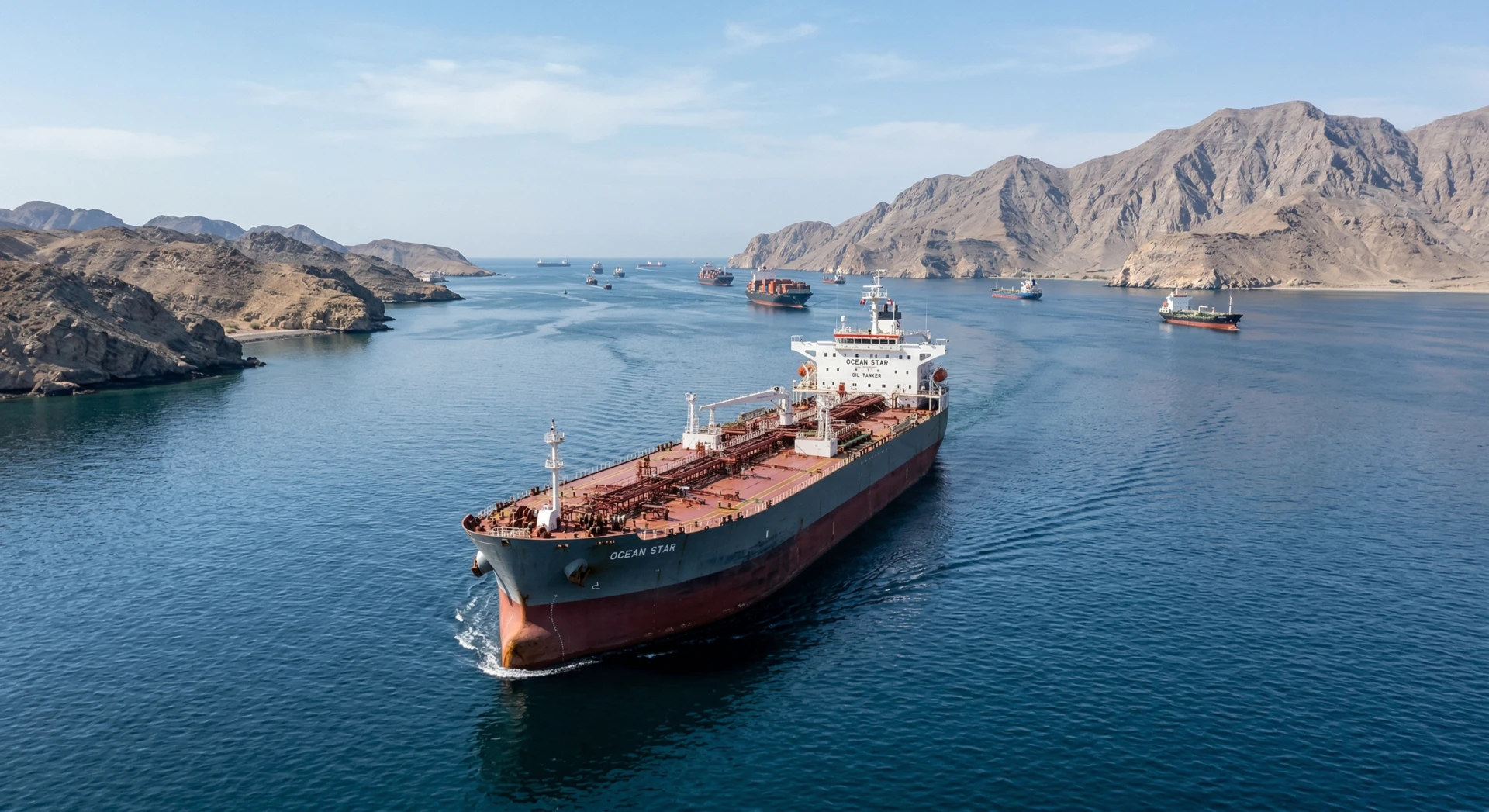
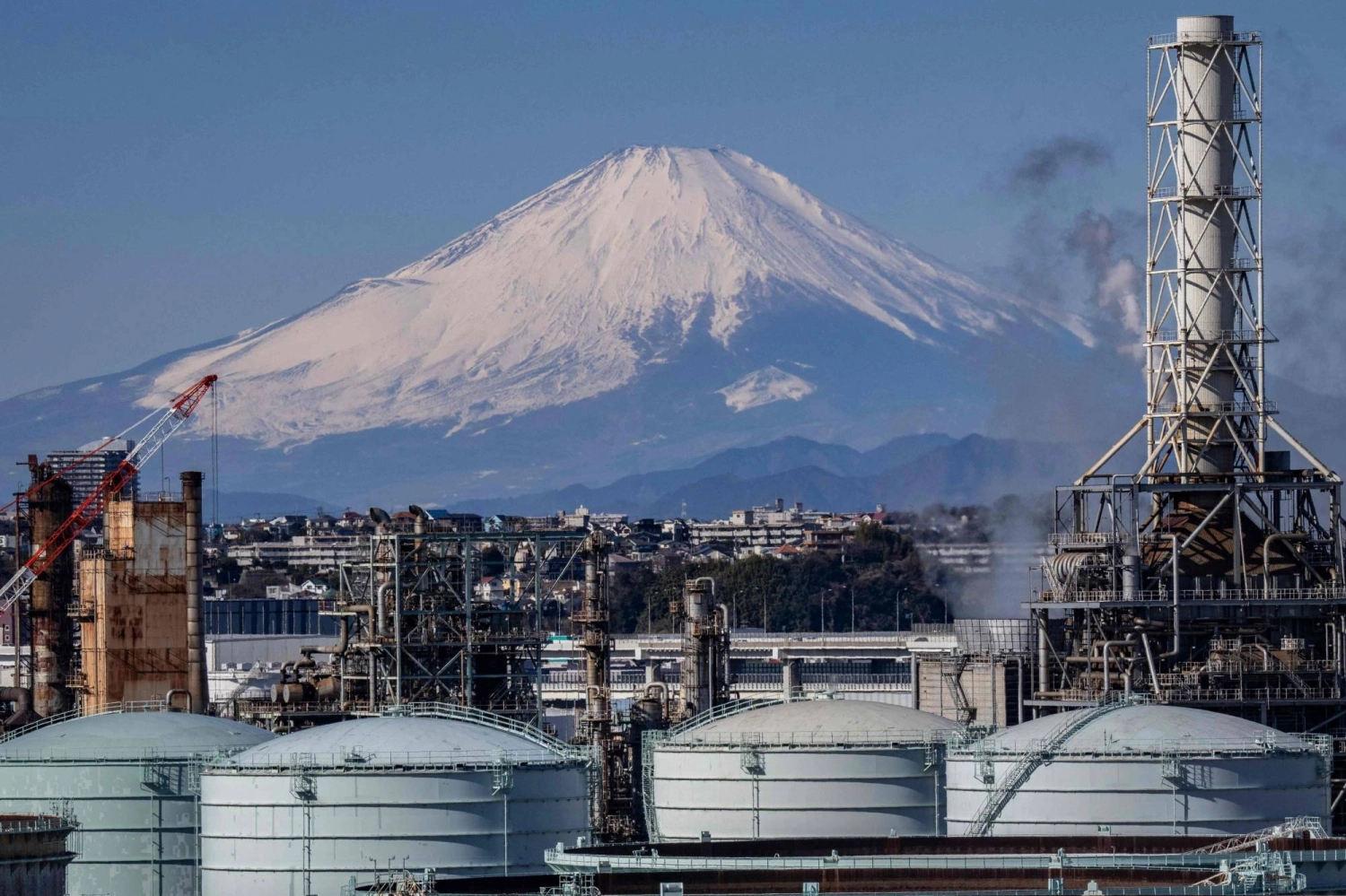
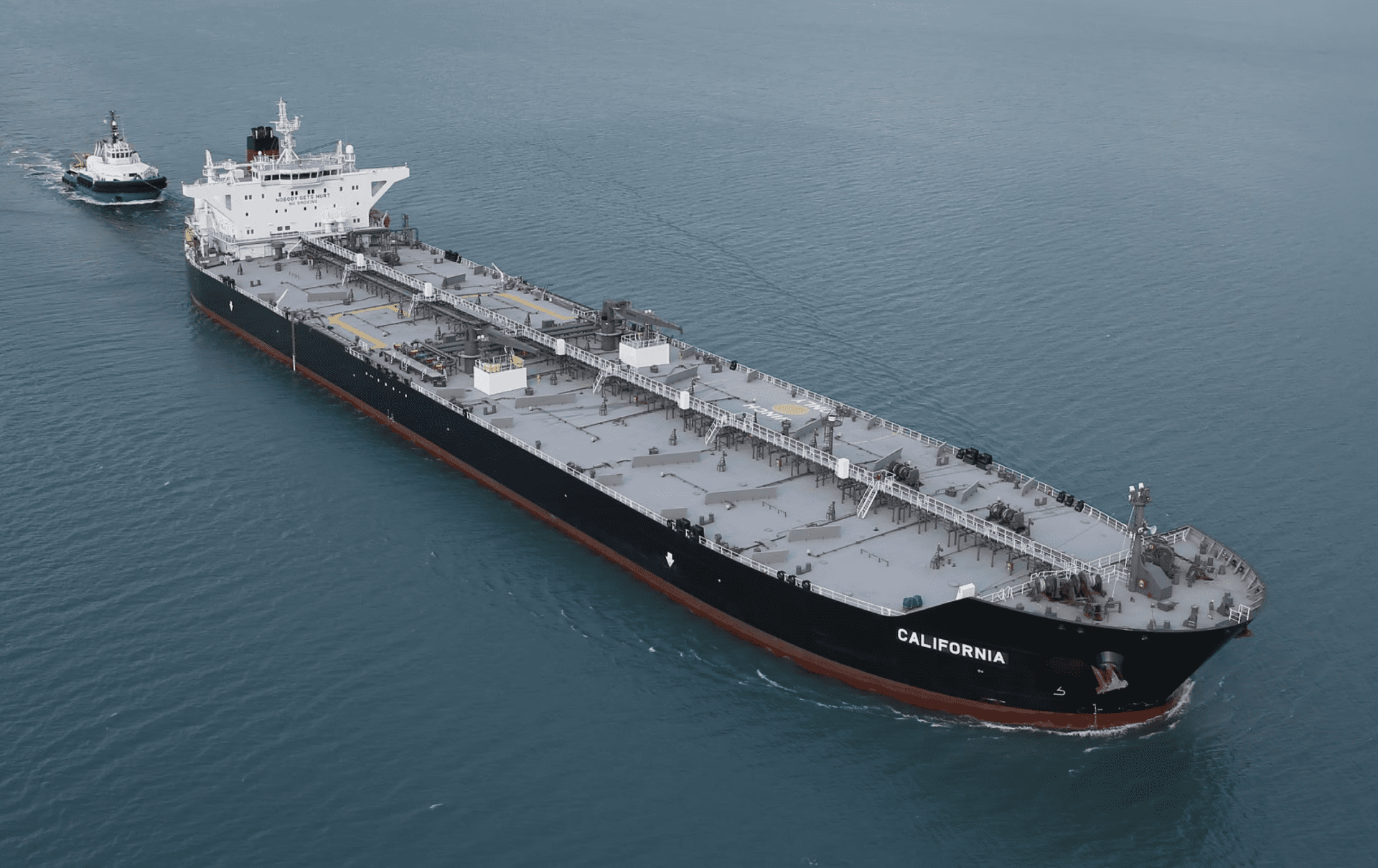
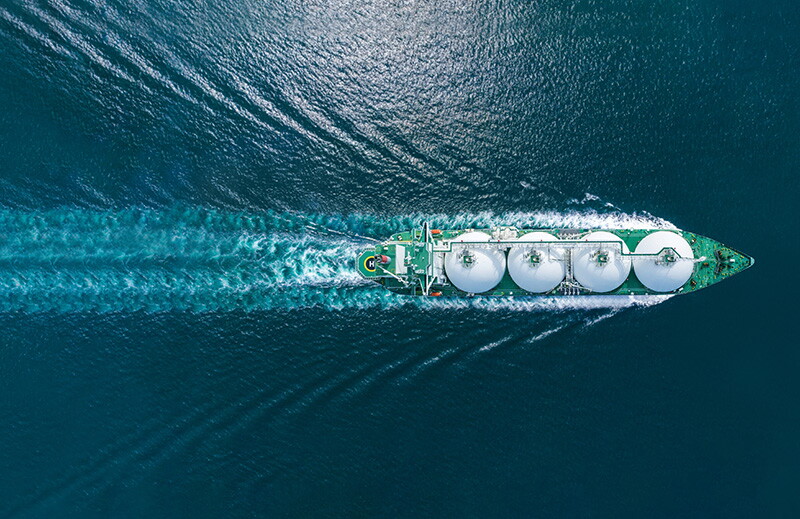
The freight economics underlying this agreement are structurally significant and deserve precise treatment. A standard LNG carrier an LNG tanker typically between 145,000 and 180,000 cubic metres capacity sailing from Kitimat on B.C.'s north coast to Yokohama, Japan, covers approximately 8,500 nautical miles. The equivalent voyage from Sabine Pass on the U.S. Gulf Coast covers roughly 14,000 nautical miles, routing through the Panama Canal. At current LNG shipping rates, the shorter Pacific route saves approximately $0.40–0.60 per MMBtu (million British thermal units, the standard LNG pricing unit) in freight cost. On a 3.5 million tonne per year LNG facility a mid-scale project that freight differential represents $60–100 million annually in delivered cost advantage for the buyer, or equivalent margin retention for the seller. This is not a marginal number. Against JKM (Japan Korea Marker, the spot benchmark for LNG delivered to northeast Asia) pricing currently in the $12–14/MMBtu range, a $0.50 structural freight advantage is approximately 4% of delivered price meaningful in a market where projects compete on lifecycle economics.
The agreement's internal tension is clearest in the combination of commitments it makes simultaneously. The North Coast tanker ban prohibiting crude oil tankers from B.C.'s north coast is preserved in full. First Nations participation and consent processes are embedded as a structural condition of project approvals, not a consultation checkbox. These are not objections to the agreement; they are its political foundations. But their commercial consequence is real: both factors extend the timeline for any project requiring coastal access or land negotiation north of the existing LNG Canada terminal. A developer bringing a second LNG facility to FID must navigate the same consent processes that added years to the first project, now with the additional complexity of federal provincial compensation mechanisms if pipeline rights of way intersect with provincial environmental jurisdiction. The agreement compensates B.C. for pipeline risk; it does not remove the risk of delay.
On the buy side, Japanese and Korean long-term LNG buyers utilities such as JERA, Korea Gas Corporation, and Tokyo Gas will treat this agreement as a positive signal for Canadian supply security without accelerating their contracting calendar. These buyers sign 15–20 year offtake agreements (long-term purchase contracts) that require confirmed FID before they commit. Until a B.C. LNG project reaches FID which requires, at minimum, completed transmission line routing, First Nations agreements, and environmental certificates no Asian utility will book capacity. For a large integrated LNG developer such as Shell, TotalEnergies, or a national oil company trading arm with an existing B.C. position, the agreement's permitting-acceleration provisions and federal co-investment are worth modelling now: even a 12 month reduction in the regulatory critical path, on a project with $10–15 billion in capital expenditure, reduces financing carry cost by $200–400 million at current interest rates. That is a real FID input. For a smaller independent developer or a First Nations-led project entity without a major trading house's balance sheet, the more immediate value is the federal financing mechanisms patient capital that does not require an investment-grade offtake contract before disbursement.
On the sell side, B.C. natural gas producers predominantly operating in the Montney formation, a vast shale gas resource straddling the B.C. Alberta border gain optionality but not volume commitment. Montney producers are already producing gas for which LNG export is the highest-value outlet; the constraint has never been gas supply. The Red Chris copper expansion is a separate but concurrent signal: an additional ~22,500 tonnes of copper in concentrate annually entering an already oversupplied global concentrate market will push treatment and refining charges (TC/RC rates the fees smelters charge to process raw concentrate into refined metal, which fall when concentrate supply rises) further toward the floor levels seen in 2024–2025. Copper smelters in China and Japan should note the directional pressure even if Red Chris production is 18–24 months from full ramp. For observers tracking this agreement's commercial progress, the single most time-bound signal is the North Coast Transmission Line's entry into the B.C. Environmental Assessment process expected in late 2026 to early 2027. If that filing is delayed beyond Q1 2027, the LNG development timeline implicit in this agreement shifts by at least one year, and the freight and emissions economics that make Canadian LNG competitive against U.S. Gulf Coast supply remain theoretical rather than bankable.



'%3e%3cg id='Final-Copy-2_2_' transform='translate(1275.000000, 200.000000)'%3e%3cpath class='st0' d='M7.4,12.8h6.8l3.1-11.6H7.4C4.2,1.2,1.6,3.8,1.6,7S4.2,12.8,7.4,12.8z'/%3e%3c/g%3e%3c/g%3e%3c/g%3e%3cg id='final---dec.11-2020'%3e%3cg id='_x30_208-our-toggle' transform='translate(-1275.000000, -200.000000)'%3e%3cg id='Final-Copy-2' transform='translate(1275.000000, 200.000000)'%3e%3cpath class='st1' d='M22.6,0H7.4c-3.9,0-7,3.1-7,7s3.1,7,7,7h15.2c3.9,0,7-3.1,7-7S26.4,0,22.6,0z M1.6,7c0-3.2,2.6-5.8,5.8-5.8 h9.9l-3.1,11.6H7.4C4.2,12.8,1.6,10.2,1.6,7z'/%3e%3cpath id='x' class='st2' d='M24.6,4c0.2,0.2,0.2,0.6,0,0.8l0,0L22.5,7l2.2,2.2c0.2,0.2,0.2,0.6,0,0.8c-0.2,0.2-0.6,0.2-0.8,0 l0,0l-2.2-2.2L19.5,10c-0.2,0.2-0.6,0.2-0.8,0c-0.2-0.2-0.2-0.6,0-0.8l0,0L20.8,7l-2.2-2.2c-0.2-0.2-0.2-0.6,0-0.8 c0.2-0.2,0.6-0.2,0.8,0l0,0l2.2,2.2L23.8,4C24,3.8,24.4,3.8,24.6,4z'/%3e%3cpath id='y' class='st3' d='M12.7,4.1c0.2,0.2,0.3,0.6,0.1,0.8l0,0L8.6,9.8C8.5,9.9,8.4,10,8.3,10c-0.2,0.1-0.5,0.1-0.7-0.1l0,0 L5.4,7.7c-0.2-0.2-0.2-0.6,0-0.8c0.2-0.2,0.6-0.2,0.8,0l0,0L8,8.6l3.8-4.5C12,3.9,12.4,3.9,12.7,4.1z'/%3e%3c/g%3e%3c/g%3e%3c/g%3e%3c/g%3e%3c/svg%3e) Privacy Choices
Privacy Choices