.avif)
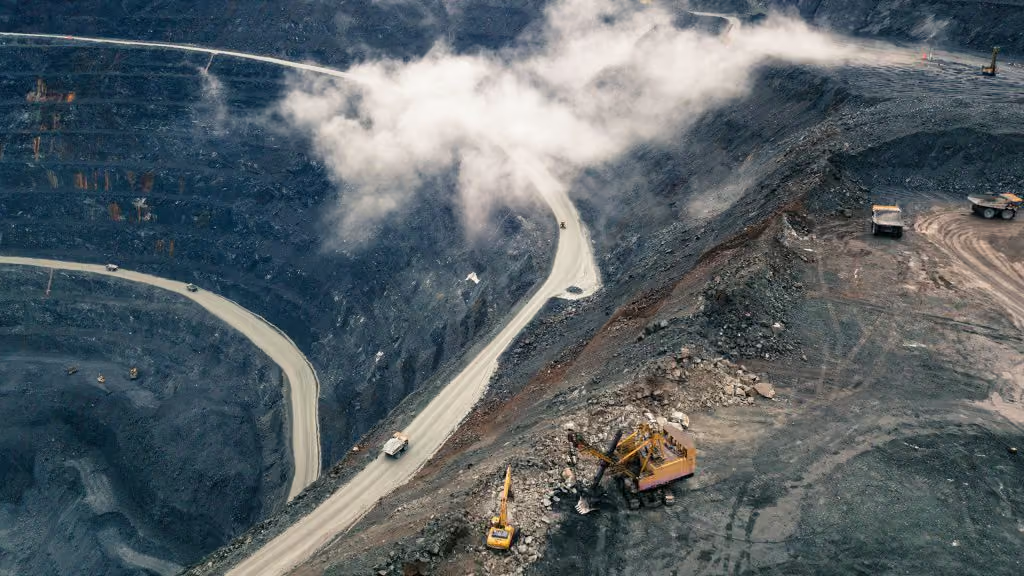
Canadian gold miners are capturing operating margins in Canadian dollar terms that have not been seen in years as of 3 July 2026, a single session delivered roughly C$87 of additional revenue per ounce produced, with no corresponding rise in their cost base.
Gold rose $61.60 in a single session on 3 July 2026, closing at approximately $4,187 per ounce but for Canadian gold miners, the headline USD price is only half the story. The Canadian dollar (CAD) was trading at just 70.40–70.52 US cents that day, meaning that every USD earned from selling gold converts into substantially more Canadian dollars when costs are paid. This currency relationship the CAD/USD exchange rate is the mechanical amplifier that turns a strong gold day into an exceptional margin day for producers whose wages, fuel, electricity, and royalties are all denominated in Canadian dollars. The S&P/TSX composite climbed 328.23 points to 35,294.90, led by basic materials and mining stocks, a move that was rational: equity markets were pricing the margin expansion that the currency-gold combination was delivering in real time. US markets were closed for the July Fourth holiday, reducing cross-border arbitrage flows and concentrating the session's momentum in Toronto.
The driver behind gold's move was not a sudden surge in physical demand from jewellers or central banks. It was macroeconomic repricing. The US reported only 57,000 new payrolls well below consensus expectations on 3 July. Weak jobs data reduces inflationary pressure, which in turn lowers the probability that the Federal Reserve (the US central bank) will raise interest rates. Since gold pays no yield, it competes directly with interest-bearing assets: when rates are expected to fall, or rise more slowly, gold becomes relatively more attractive, and its price rises. This is rate expectation repricing the market adjusting gold's value based on where interest rates are likely to go, not where they are today. The dollar also softens in this environment, because lower rates make USD deposits less attractive to international investors. A weaker dollar amplifies gold's USD price, since gold is globally priced in dollars.
Here is where the margin anatomy becomes concrete. A mid-sized Canadian gold producer say, a single-asset underground mine in Northern Ontario producing 150,000 ounces per year budgets its costs in Canadian dollars. At an all-in sustaining cost (AISC the full cost of producing one ounce, including sustaining capital and corporate overhead, the industry's standard profitability benchmark) of C$1,800 per ounce, and gold at $4,187 USD with a CAD at 70.45 US cents, revenue per ounce is approximately C$5,943. That is a margin of C$4,143 per ounce or roughly C$621 million annually on 150,000 ounces. Six months ago, with gold at $3,100 USD and CAD at 73 cents, the same calculation yielded revenue of approximately C$4,247/oz and a margin closer to C$2,447/oz. The currency move alone 2.5 cents of CAD weakness contributed roughly C$150/oz of that margin expansion, independent of the gold price move itself. The CAD weakness is not incidental. It is structural margin.
On the buy side, gold streaming companies and royalty funds entities that finance mining operations in exchange for the right to purchase future production at fixed low prices are beneficiaries of this environment without exposure to operating cost inflation. They locked in purchase prices years ago; the spot price windfall flows to them directly. On the sell side, Canadian producers with unhedged production meaning they sell gold at the prevailing spot price rather than locking in future prices through forward sales are capturing the full margin. Producers who hedged USD revenue forward at lower prices are partially insulated from the upside: a cautionary note for operations that locked in 2025 rates below $3,500. Short-sellers of gold funds that had borrowed and sold gold futures expecting prices to fall faced mark to market losses of $61.60 per ounce on a single session, a significant infliction on a leveraged position. For large integrated miners such as Barrick or Agnico Eagle, treasury desks can execute rolling USD/CAD forward contracts to lock in the current exchange rate for future production revenue; the cost of a 90 day forward hedge at current volatility is modest relative to the margin being protected. For a smaller junior miner or a single-asset producer without a treasury function, the practical equivalent is ensuring royalty and offtake agreements are denominated in USD while maintaining CAD operating budgets capturing the spread passively without derivatives infrastructure.
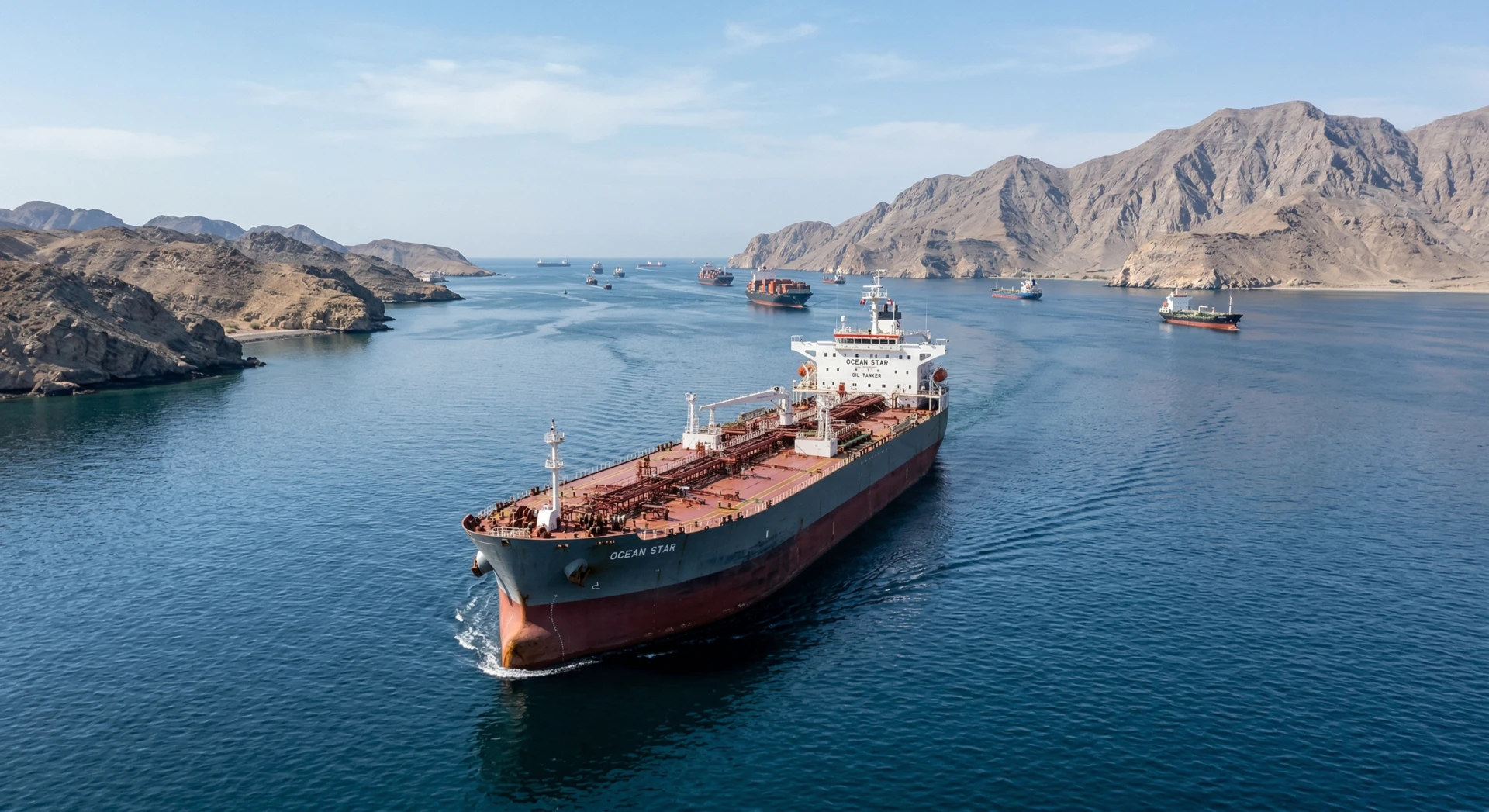
One geopolitical layer deserves a measured note. Analysts have flagged tensions around the Strait of Hormuz as a risk to energy supply. Oil held near $68.70 per barrel on 3 July, providing a floor for Canadian energy producers and adding to the TSX's breadth. According to reports, Iranian posturing in the Strait has introduced a risk premium into freight and oil markets; if confirmed as an escalation, this would support both oil prices and, indirectly, commodity linked currencies including the CAD a dynamic that would partially compress the CAD weakness advantage for miners. Observers should watch the Bank of Canada's next rate decision alongside any Federal Reserve signalling: if the Bank of Canada cuts rates while the Fed holds, CAD weakens further, extending the margin window for unhedged Canadian gold producers. The signal to watch is the CAD/USD rate on the Bank of Canada's daily noon exchange rate feed if CAD recovers above 72 US cents, the currency amplification effect narrows materially within the current production quarter.

.jpg)

'%3e%3cg id='Final-Copy-2_2_' transform='translate(1275.000000, 200.000000)'%3e%3cpath class='st0' d='M7.4,12.8h6.8l3.1-11.6H7.4C4.2,1.2,1.6,3.8,1.6,7S4.2,12.8,7.4,12.8z'/%3e%3c/g%3e%3c/g%3e%3c/g%3e%3cg id='final---dec.11-2020'%3e%3cg id='_x30_208-our-toggle' transform='translate(-1275.000000, -200.000000)'%3e%3cg id='Final-Copy-2' transform='translate(1275.000000, 200.000000)'%3e%3cpath class='st1' d='M22.6,0H7.4c-3.9,0-7,3.1-7,7s3.1,7,7,7h15.2c3.9,0,7-3.1,7-7S26.4,0,22.6,0z M1.6,7c0-3.2,2.6-5.8,5.8-5.8 h9.9l-3.1,11.6H7.4C4.2,12.8,1.6,10.2,1.6,7z'/%3e%3cpath id='x' class='st2' d='M24.6,4c0.2,0.2,0.2,0.6,0,0.8l0,0L22.5,7l2.2,2.2c0.2,0.2,0.2,0.6,0,0.8c-0.2,0.2-0.6,0.2-0.8,0 l0,0l-2.2-2.2L19.5,10c-0.2,0.2-0.6,0.2-0.8,0c-0.2-0.2-0.2-0.6,0-0.8l0,0L20.8,7l-2.2-2.2c-0.2-0.2-0.2-0.6,0-0.8 c0.2-0.2,0.6-0.2,0.8,0l0,0l2.2,2.2L23.8,4C24,3.8,24.4,3.8,24.6,4z'/%3e%3cpath id='y' class='st3' d='M12.7,4.1c0.2,0.2,0.3,0.6,0.1,0.8l0,0L8.6,9.8C8.5,9.9,8.4,10,8.3,10c-0.2,0.1-0.5,0.1-0.7-0.1l0,0 L5.4,7.7c-0.2-0.2-0.2-0.6,0-0.8c0.2-0.2,0.6-0.2,0.8,0l0,0L8,8.6l3.8-4.5C12,3.9,12.4,3.9,12.7,4.1z'/%3e%3c/g%3e%3c/g%3e%3c/g%3e%3c/g%3e%3c/svg%3e) Privacy Choices
Privacy Choices