.avif)

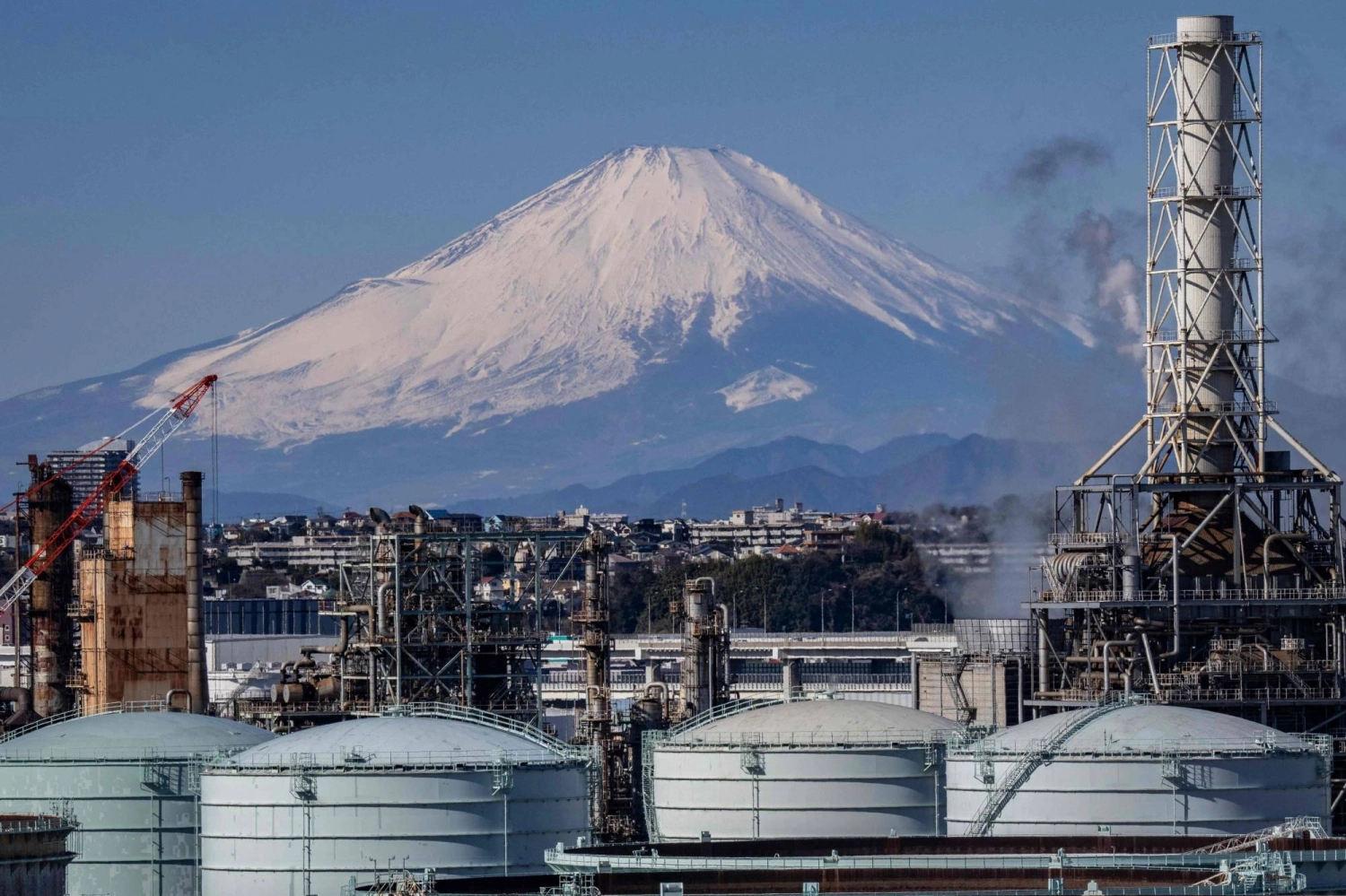
Fertilizer importers worldwide face a 77% surge in urea prices since December 2025, forcing farmers in import dependent regions like Senegal to abandon chemical fertilizers entirely during peak planting season. About one third of global fertilizer trade normally passes through the Strait of Hormuz, now effectively closed due to the Iran war, creating the most severe supply disruption since Russia's invasion of Ukraine in 2022. A fertilizer importer serving West African markets who secured a 25,000 tonne urea shipment from the Arab Gulf in January 2026 at $450/MT now faces replacement costs of $700/MT a $6.25 million gap that cannot be absorbed by passing costs to smallholder farmers already operating on margins of $200-300 per hectare.
Organic fertilizers nutrients derived from natural sources like composted plant matter, animal manure, and fermented organic waste rather than synthetic chemical processes are experiencing unprecedented demand as chemical alternatives become prohibitively expensive. The global organic fertilizer market reached $13.2 billion in 2025 and is projected to grow at 6-10% annually through 2033, but this acceleration comes from necessity rather than planned transition. Manure based products, which represent 47% of the organic fertilizer market, now command premiums of 20-40% over normal pricing as farmers scramble for alternatives. However, organic alternatives cannot replace chemical volumes at scale within a single growing season. A 50,000 hectare grain operation in Brazil typically applies 200-300 kg of urea per hectare requiring 10,000-15,000 tonnes annually. Substituting this with composted manure would require 50,000-75,000 tonnes of organic matter, far exceeding local availability and involving 5-10 times the transportation and application costs.
The buy-side reality exposes the substitution myth. Conventional grain farmers are attempting to substitute only 20-30% of their synthetic nitrogen with organic alternatives to lower costs, not achieve full replacement. For a mid-sized Senegalese grain cooperative importing 2,000 tonnes of urea annually, sourcing equivalent organic nitrogen would require partnerships with dozens of livestock operations within trucking distance relationships that take years to establish and cannot be improvised during a supply crisis. Organic fertilizer production costs run 30-50% higher than synthetic alternatives due to collection, processing, and quality control requirements, making them economically viable only when chemical prices spike above $600/MT or when farmers receive premium payments for organic certification.
On the sell side, organic fertilizer suppliers are capturing windfall margins but face their own constraints. Transportation cost increases affect regional organic fertilizer pricing, promoting development of mobile composting systems and on farm processing capabilities. A regional compost producer in Punjab, India, with 50,000 tonnes annual capacity now faces logistics costs of $40-50/MT to reach deficit areas, compared to $20-25/MT before fuel price spikes. Large integrated agricultural companies with existing livestock operations like Cargill's animal nutrition division or Brazil's JBS benefit from captive organic matter sources and can scale compost production more rapidly than independent operators. However, long-term supply agreements provide stability for high-volume producers but reduce flexibility during raw material shortage periods. Smaller organic fertilizer manufacturers without secured feedstock sources face input cost volatility that erodes profit margins even as selling prices rise.
For observers, monitor India's June urea tender results the world's largest importer seeking 2.5 million tonnes to gauge whether Gulf suppliers can resume shipments by August planting season. Iran has reportedly accepted a UN request to allow humanitarian and agricultural shipments through the Strait of Hormuz, potentially offering the first breakthrough after a month of war. If shipping resumes within 30 days, the organic substitution trend remains temporary. If the blockade persists through July, expect permanent shifts toward regional organic fertilizer capacity, with implications for soil carbon markets and agricultural certification programs extending well beyond the current crisis.
.jpg)




'%3e%3cg id='Final-Copy-2_2_' transform='translate(1275.000000, 200.000000)'%3e%3cpath class='st0' d='M7.4,12.8h6.8l3.1-11.6H7.4C4.2,1.2,1.6,3.8,1.6,7S4.2,12.8,7.4,12.8z'/%3e%3c/g%3e%3c/g%3e%3c/g%3e%3cg id='final---dec.11-2020'%3e%3cg id='_x30_208-our-toggle' transform='translate(-1275.000000, -200.000000)'%3e%3cg id='Final-Copy-2' transform='translate(1275.000000, 200.000000)'%3e%3cpath class='st1' d='M22.6,0H7.4c-3.9,0-7,3.1-7,7s3.1,7,7,7h15.2c3.9,0,7-3.1,7-7S26.4,0,22.6,0z M1.6,7c0-3.2,2.6-5.8,5.8-5.8 h9.9l-3.1,11.6H7.4C4.2,12.8,1.6,10.2,1.6,7z'/%3e%3cpath id='x' class='st2' d='M24.6,4c0.2,0.2,0.2,0.6,0,0.8l0,0L22.5,7l2.2,2.2c0.2,0.2,0.2,0.6,0,0.8c-0.2,0.2-0.6,0.2-0.8,0 l0,0l-2.2-2.2L19.5,10c-0.2,0.2-0.6,0.2-0.8,0c-0.2-0.2-0.2-0.6,0-0.8l0,0L20.8,7l-2.2-2.2c-0.2-0.2-0.2-0.6,0-0.8 c0.2-0.2,0.6-0.2,0.8,0l0,0l2.2,2.2L23.8,4C24,3.8,24.4,3.8,24.6,4z'/%3e%3cpath id='y' class='st3' d='M12.7,4.1c0.2,0.2,0.3,0.6,0.1,0.8l0,0L8.6,9.8C8.5,9.9,8.4,10,8.3,10c-0.2,0.1-0.5,0.1-0.7-0.1l0,0 L5.4,7.7c-0.2-0.2-0.2-0.6,0-0.8c0.2-0.2,0.6-0.2,0.8,0l0,0L8,8.6l3.8-4.5C12,3.9,12.4,3.9,12.7,4.1z'/%3e%3c/g%3e%3c/g%3e%3c/g%3e%3c/g%3e%3c/svg%3e) Privacy Choices
Privacy Choices