.avif)
Japanese refiners sourcing Azeri Light crude via the BTC-Ceyhan route are facing a freight premium of $3–5 per barrel over their standard Middle East Gulf (MEG) crude diet a cost that lands immediately on Q3 2026 margins and widens further if Hormuz tension escalates before new supply agreements are formalised.
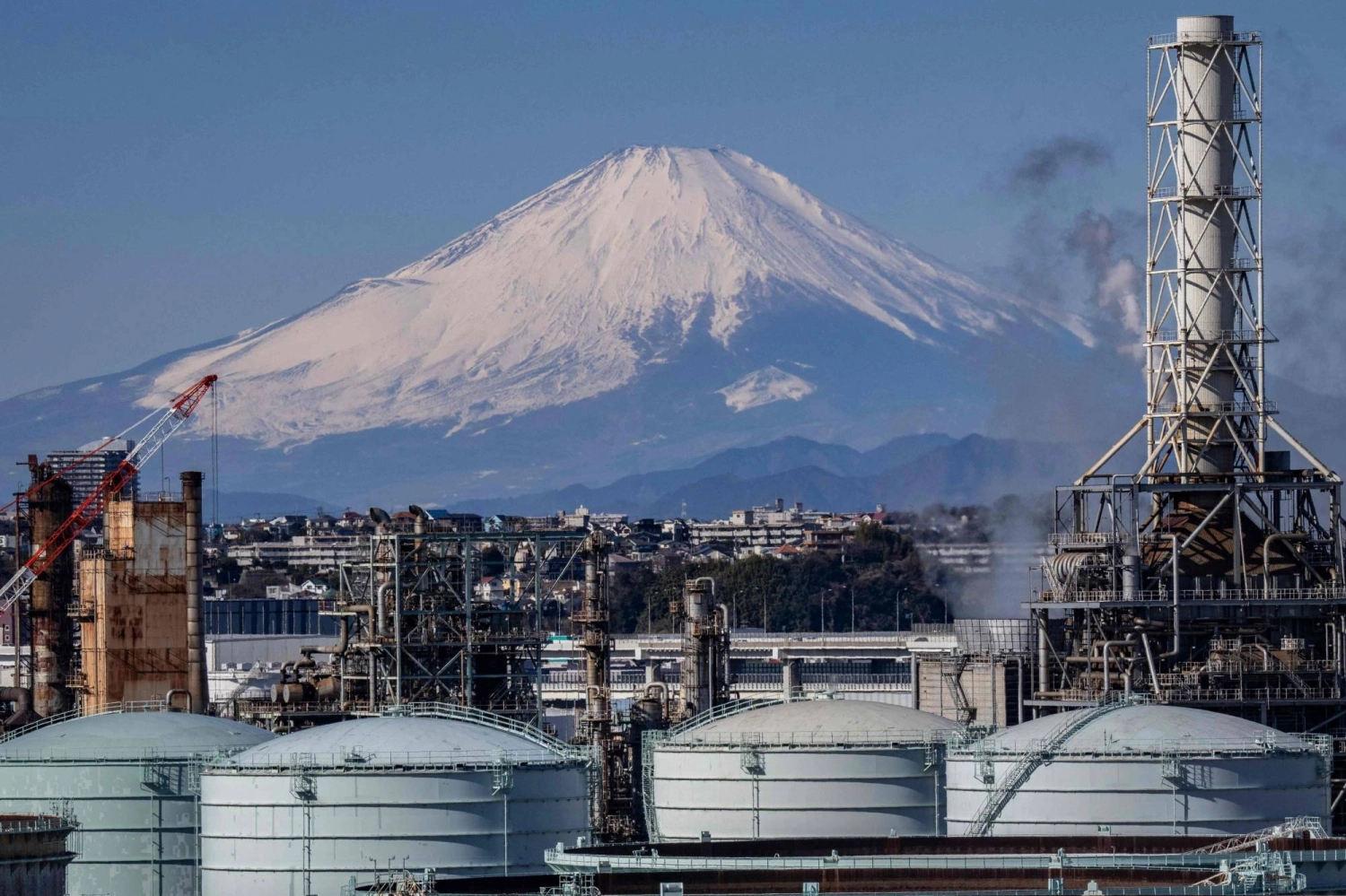
The backdrop is straightforward, even if the diplomacy surrounding it is not. The Strait of Hormuz has become structurally unreliable as a supply corridor for Japan amid the ongoing US-Iran standoff. Japan imports approximately 3 million barrels per day (b/d) of crude in total, the overwhelming majority of which currently transits Hormuz. That single point of failure is what has prompted Japan's Petroleum Association to signal government-backed involvement in pipeline infrastructure that routes crude outside the strait entirely. The two routes under discussion the UAE's Abu Dhabi Crude Oil Pipeline (ADCOP, operated by ADCO and running to the port of Fujairah on the Gulf of Oman) and Saudi Aramco's East-West Pipeline terminating at Yanbu on the Red Sea already exist and have been operational for years. This is not a proposal to build new infrastructure. It is a proposal to formalise Japanese access to existing bypass capacity that is already constrained.
The binding constraint here is physical, not political. ADCOP has a nameplate capacity of roughly 1.5 million b/d. Even running at full utilisation which it does not, because normal Hormuz-transiting economics are cheaper that single pipeline covers half of Japan's daily crude requirement. The East-West Pipeline adds incremental volume but does not bridge the gap. Taken together, available bypass capacity through these two routes falls materially short of what Japan would need to eliminate its Hormuz exposure in any disruption scenario. Government-backed offtake agreements and diplomatic frameworks do not create new pipe. They formalise priority access to a shared queue. The real commercial question for crude oil traders is not whether Japan will sign an agreement it is what happens to freight and spot premiums on the non-Hormuz loadings that do exist once Japanese buying interest is formalised and visible in the market.
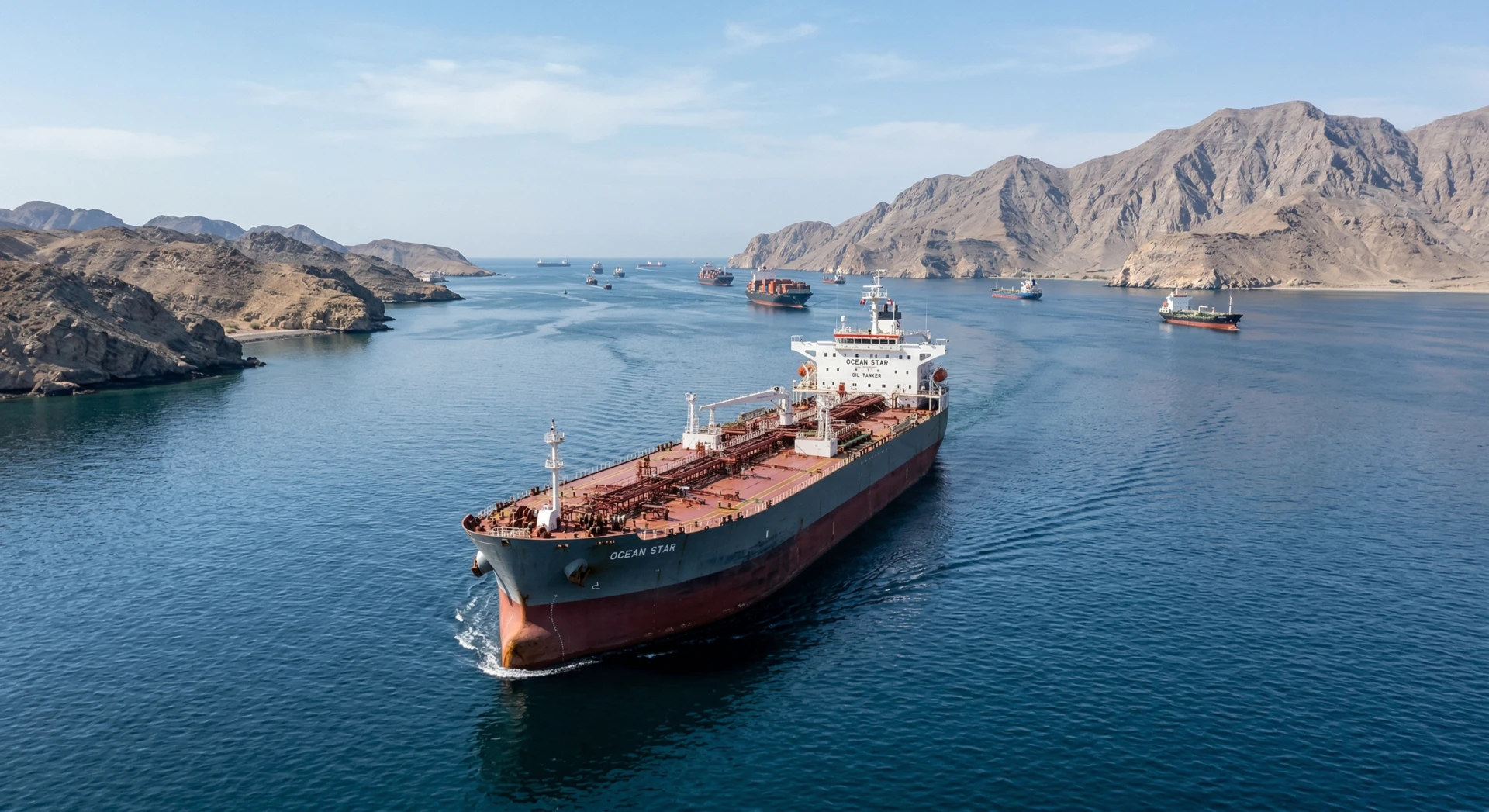
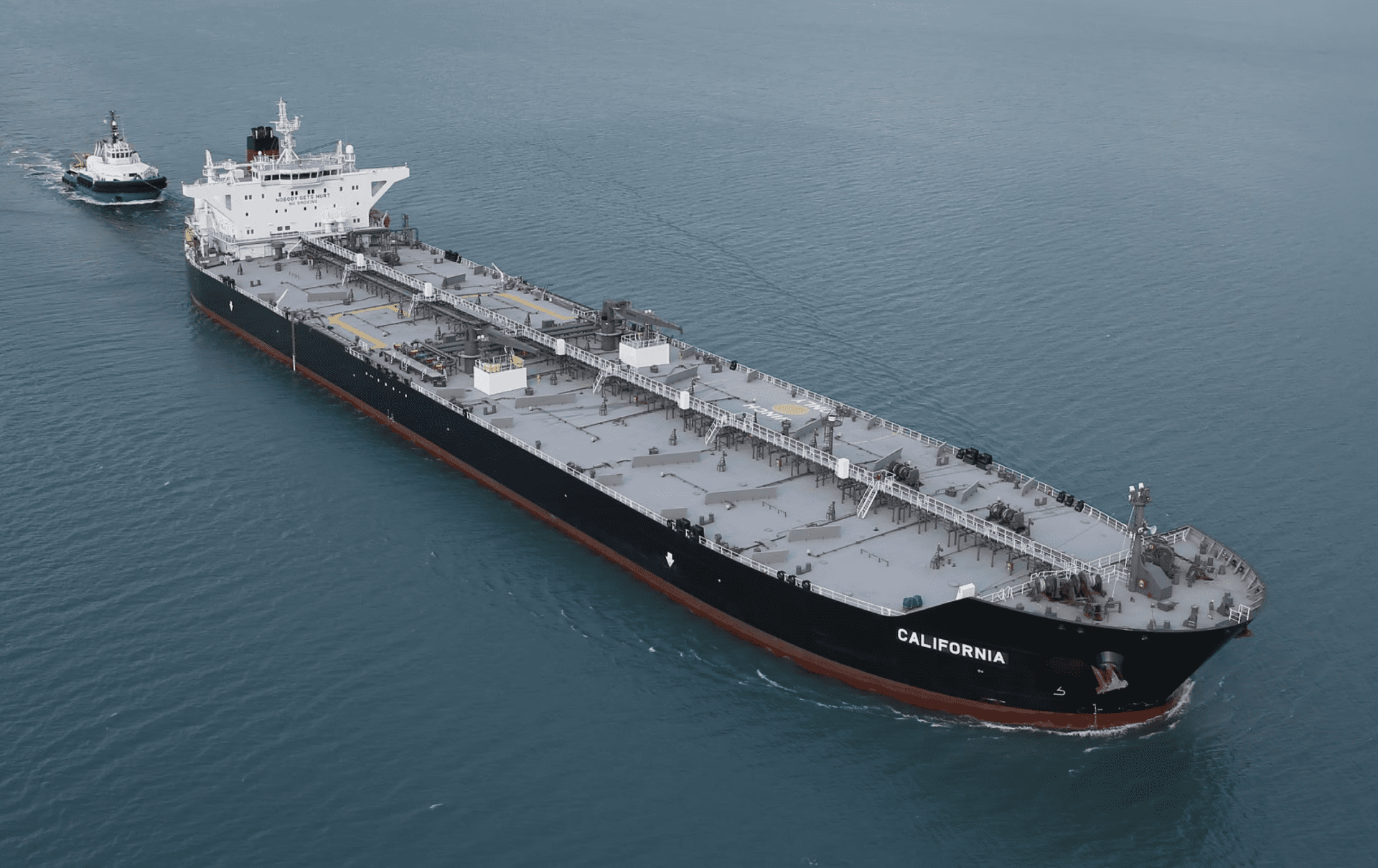
That is where Azerbaijan enters the picture with genuine strategic logic. Azeri Light the flagship export crude produced in the Caspian and loaded at the port of Ceyhan in Turkey via the Baku-Tbilisi-Ceyhan (BTC) pipeline is entirely Hormuz-free. BTC capacity runs at approximately 1.2 million b/d and the crude reaches the Mediterranean without touching any Gulf chokepoint. From Ceyhan, a VLCC (Very Large Crude Carrier, a supertanker capable of carrying around 2 million barrels) transits the Suez Canal and sails to Japan in approximately 25–30 days roughly five to eight days longer than a typical MEG cargo. At current Suezmax and VLCC freight rates, that extended voyage and the Suez Canal toll add a delivered cost premium of $3–5/bbl relative to an Abu Dhabi or Kuwaiti cargo transiting Hormuz under normal conditions. Azerbaijan's President Ilham Aliyev has publicly underscored the growing importance of crude shipments to Japan and, according to reports, signalled openness to deeper cooperation including Japanese investment. SOCAR, Azerbaijan's national oil company, now has a concrete commercial incentive to formalise long-term offtake agreements before the spot premium reprices.
Consider the margin anatomy for a Japanese refiner evaluating a 1 million barrel Azeri Light cargo from Ceyhan against a comparable Arab Light cargo loaded at Ras Tanura. At current differentials, Azeri Light trades at a modest premium to the Dubai/Oman benchmark the standard pricing reference for crude delivered into Asia. Call that premium $1.50/bbl. Add the freight differential of $4/bbl. The delivered cost advantage of the Arab Light cargo under normal Hormuz conditions is roughly $5.50/bbl or approximately $5.5 million on a 1-million-barrel cargo. For a mid-sized Japanese refiner running 150,000 b/d of throughput, locking in even 10% of intake via Azeri Light adds approximately $8 million per quarter in delivered cost over standard MEG supply. That is not a rounding error it is a strategic insurance premium. The relevant question is what the refiner is insuring against: a Hormuz closure that, if it lasted 30 days, would cost the same refiner multiples of that figure in emergency spot purchases, refinery run cuts, or product shortfalls.
On the buy side, Japanese refiners including ENEOS (Japan's largest refiner by throughput), Idemitsu Kosan, and Cosmo Energy face a genuine optionality calculation. Paying $5.50/bbl more per barrel on a diversified tranche of supply is expensive under normal market conditions. It looks rational when assessed against the 1980s precedent: during the Iran-Iraq tanker war, freight rates on Gulf crude tripled within weeks of major attacks, and spot cargo premiums spiked by $10–15/bbl as buyers scrambled for alternative loadings. A formal government backed framework to access Fujairah or Yanbu loadings, combined with incremental Azeri Light volumes on term contract, spreads that risk cost across multiple instruments. For a large integrated trader such as a major NOC trading arm with derivatives access, the tool is a combination of BTC-origin term offtake and paper positions in the Brent-Dubai spread the price difference between North Sea and Middle East crude which will widen if Hormuz disruption materialises and Atlantic Basin crude is bid aggressively by Asian buyers.
On the sell side, SOCAR and Azerbaijani crude exporters hold the most improved negotiating position of any producer in this story. Azeri Light is currently priced at a premium to Dubai/Oman, but that premium could compress if Japanese buying interest increases spot demand at the Ceyhan terminal before term agreements are concluded creating a window right now for traders who can lock in Ceyhan loadings at current differentials before formal Japan-Azerbaijan offtake frameworks reprice the market. For smaller regional operators an independent Asian trading house or a mid-sized fuel importer without derivatives access the practical equivalent is establishing bilateral supply relationships with SOCAR Trading or its appointed cargo brokers for Q4 2026 and Q1 2027 liftings, fixing freight on a time-charter basis (a vessel hire arrangement at a fixed daily rate, insulating the buyer from spot freight spikes) rather than taking voyage-charter exposure. Iranian petrochemical exporters, by contrast, lose on both dimensions: methanol flows typically representing around 50% of China's annual methanol imports face continued disruption, and Chinese domestic production is rising to fill the gap, structurally weakening the Iranian price position even if sanctions ease.
The petrochemical dimension of this story is a second-order effect that crude oil traders should not ignore. Middle Eastern methanol and styrene flows to China are being rerouted or replaced as the US-Iran conflict according to reports and Platts briefing materials disrupts Iranian cross-border deliveries in H2 2026. Chinese inland methanol production, which has lower capital cost but higher feedstock cost than Iranian seaborne supply, is acting as an imperfect swing supplier. That inland cost floor is effectively setting a price ceiling on Iranian methanol: if Iranian supply returns, it must undercut domestic Chinese production economics to regain share. For crude oil traders, the relevance is indirect but real the same shipping and geopolitical dynamics constraining petrochemical flows also affect naphtha (a light refinery product used as petrochemical feedstock) and LPG movements through the Gulf, tightening the overall freight market on Asian-bound tankers and adding to the delivered cost pressure on all non-Hormuz-routed crude.
The time-bound signal to watch is the Azeri Light differential to Dubai/Oman as published daily by S&P Global Platts. If that differential widens beyond $2.50/bbl approximately 65% above its recent average it indicates that Japanese or other Asian buyers are already moving into the Ceyhan spot market ahead of formal agreements, and the insurance premium is repricing in real time. A secondary signal is the Fujairah storage indicator published weekly by the Fujairah Oil Industry Zone: a drawdown in crude inventories at Fujairah signals that ADCOP bypass volumes are being preferentially lifted, which would confirm that the diplomatic framework is translating into actual cargo flows rather than headline statements. Traders with BTC-origin positions established before either signal moves have captured the spread. Those who wait for the announcement have paid for someone else's foresight.

.jpg)


'%3e%3cg id='Final-Copy-2_2_' transform='translate(1275.000000, 200.000000)'%3e%3cpath class='st0' d='M7.4,12.8h6.8l3.1-11.6H7.4C4.2,1.2,1.6,3.8,1.6,7S4.2,12.8,7.4,12.8z'/%3e%3c/g%3e%3c/g%3e%3c/g%3e%3cg id='final---dec.11-2020'%3e%3cg id='_x30_208-our-toggle' transform='translate(-1275.000000, -200.000000)'%3e%3cg id='Final-Copy-2' transform='translate(1275.000000, 200.000000)'%3e%3cpath class='st1' d='M22.6,0H7.4c-3.9,0-7,3.1-7,7s3.1,7,7,7h15.2c3.9,0,7-3.1,7-7S26.4,0,22.6,0z M1.6,7c0-3.2,2.6-5.8,5.8-5.8 h9.9l-3.1,11.6H7.4C4.2,12.8,1.6,10.2,1.6,7z'/%3e%3cpath id='x' class='st2' d='M24.6,4c0.2,0.2,0.2,0.6,0,0.8l0,0L22.5,7l2.2,2.2c0.2,0.2,0.2,0.6,0,0.8c-0.2,0.2-0.6,0.2-0.8,0 l0,0l-2.2-2.2L19.5,10c-0.2,0.2-0.6,0.2-0.8,0c-0.2-0.2-0.2-0.6,0-0.8l0,0L20.8,7l-2.2-2.2c-0.2-0.2-0.2-0.6,0-0.8 c0.2-0.2,0.6-0.2,0.8,0l0,0l2.2,2.2L23.8,4C24,3.8,24.4,3.8,24.6,4z'/%3e%3cpath id='y' class='st3' d='M12.7,4.1c0.2,0.2,0.3,0.6,0.1,0.8l0,0L8.6,9.8C8.5,9.9,8.4,10,8.3,10c-0.2,0.1-0.5,0.1-0.7-0.1l0,0 L5.4,7.7c-0.2-0.2-0.2-0.6,0-0.8c0.2-0.2,0.6-0.2,0.8,0l0,0L8,8.6l3.8-4.5C12,3.9,12.4,3.9,12.7,4.1z'/%3e%3c/g%3e%3c/g%3e%3c/g%3e%3c/g%3e%3c/svg%3e) Privacy Choices
Privacy Choices