.avif)
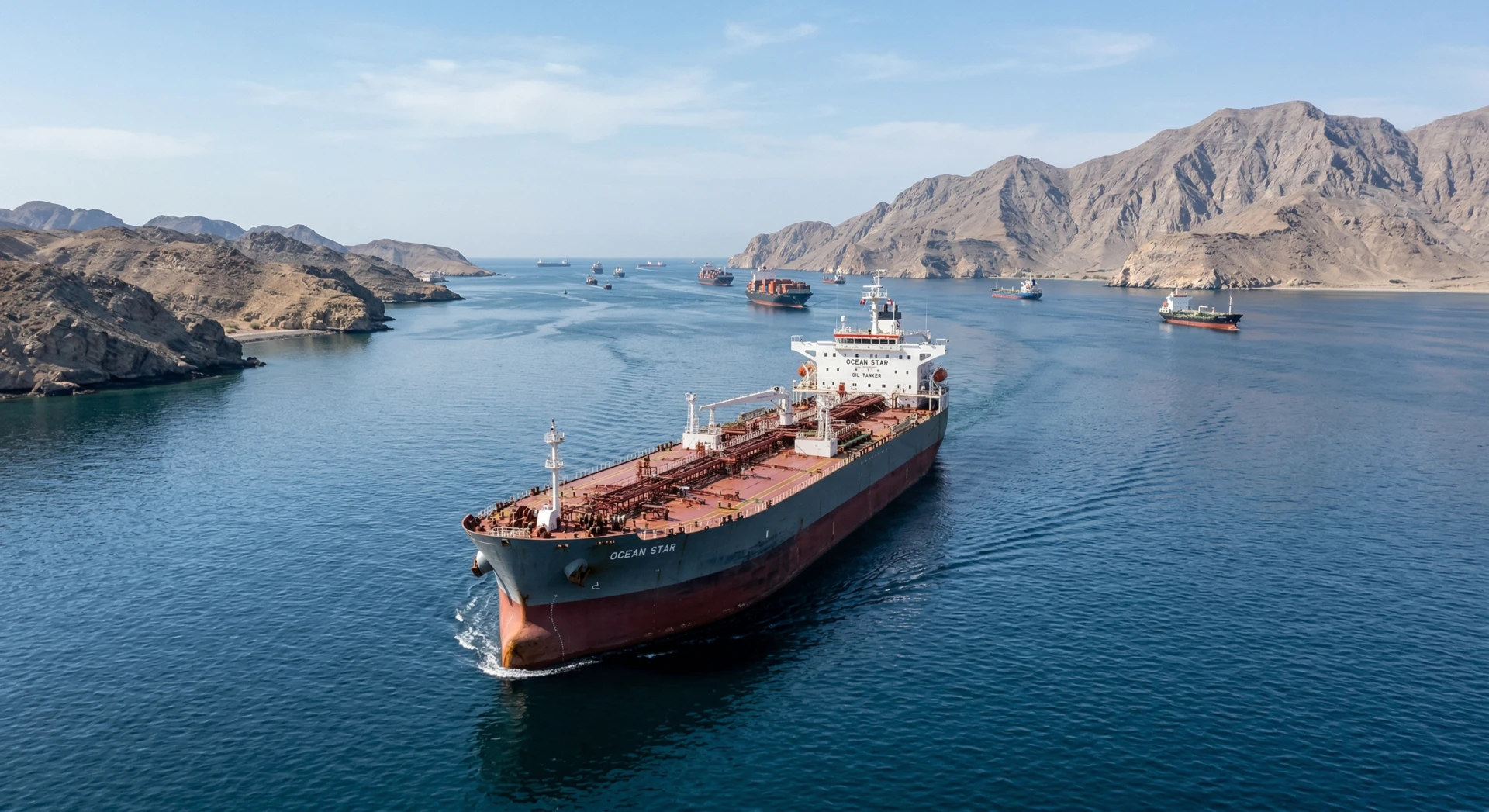
Crude oil tanker operators transiting the Strait of Hormuz face an immediate margin shock — war risk insurance premiums that may spike by 0.5–1.5% of hull value per voyage, beginning within hours of UKMTO Warning 133-26 issued on 11 September 2026, following projectile strikes on two commercial vessels near Khasab, Oman.
Four unidentified projectiles struck two vessels approximately four nautical miles west of Khasab, at the eastern entrance to the Strait of Hormuz — the 33-kilometre-wide chokepoint through which roughly 20% of the world's traded oil, as well as significant volumes of LNG (liquefied natural gas), LPG (liquefied petroleum gas), and fertilizers, moves daily. One vessel caught fire; the condition of the second remained unclear at time of reporting. The master of a nearby ship, positioned approximately six nautical miles north of the strikes, provided the eyewitness account that triggered the UKMTO advisory. Responsibility has not been attributed to any state or non-state actor, and investigations are ongoing. What is already clear is that the physical chokepoint is contested, and every commercial operator with a cargo or vessel in the region must reprice their exposure immediately.
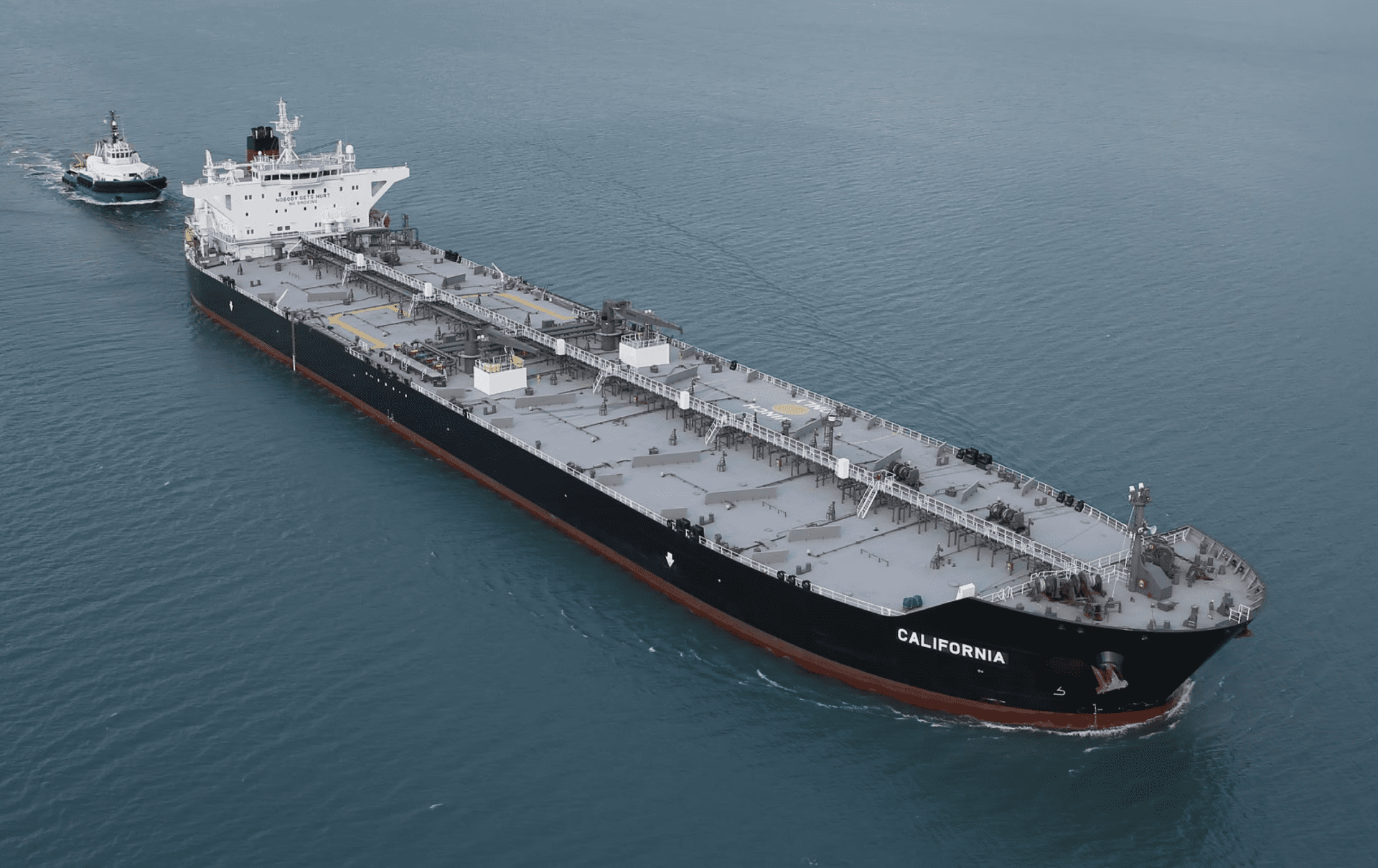
The margin anatomy of a Hormuz tanker voyage decomposes into four layers: freight, bunkers (marine fuel), port costs, and insurance. Under normal conditions, war risk insurance — the specialist premium charged on top of standard hull coverage for operating in designated high-risk zones — runs at roughly 0.05–0.15% of hull value per voyage. A VLCC (Very Large Crude Carrier, a supertanker capable of carrying approximately 2 million barrels of crude) carries a hull value of approximately $130–160 million. At standard rates, war risk adds $65,000–$240,000 per voyage. Following a confirmed incident at the same chokepoint, Lloyd's of London specialist syndicates — the underwriters who dominate war risk coverage for tanker fleets — typically trigger blanket coverage reviews within 24 hours. Premium spikes of 0.5–1.5% of hull value are historically standard post-incident, translating to $650,000–$2.4 million in additional insurance cost per VLCC transit. On a voyage earning $14–18 per metric tonne in freight, that addition does not compress margin — it destroys it for operators without contractual cost pass-through.
The freight dimension sharpens the picture further. TD3C — the Baltic Exchange's benchmark rate for VLCC voyages from the Middle East Gulf to Japan, the most liquid tanker rate index in the world — has historically spiked $5,000–$25,000 per day within 24–72 hours of confirmed Hormuz incidents. At $15,000/day additional earnings across a 20-day ballast-and-laden voyage, a vessel owner captures roughly $300,000 in incremental freight revenue. But war risk premium increases of $1–2 million per transit, absorbed by charterers — the companies that hire vessels to carry specific cargoes — who hold fixed-rate Contracts of Affreightment (COAs, long-term agreements specifying freight rates for defined cargo volumes on defined routes), cannot pass that cost through. The margin captured by vessel owners and spot tonnage providers concentrates precisely where physical scarcity and risk repricing intersect. Owners with vessels already in the Gulf or pre-positioned on the load leg gain the most; charterers locked into fixed-rate terms absorb the cost silently.
Consider the worked example that anchors these abstractions. A mid-sized independent tanker operator controls a Suezmax vessel — smaller than a VLCC, carrying approximately 1 million barrels — on a spot voyage from Ras Tanura, Saudi Arabia, to Mangalore, India, agreed two days ago at $9.50/MT. The voyage was marginally profitable: bunker costs of approximately $2.8 million, port and canal dues of $400,000, standard insurance of $180,000, leaving a net voyage contribution of roughly $420,000. Post-Warning 133-26, the operator's war risk underwriter notifies them that coverage is suspended pending review, and a reinstatement quote arrives at 0.8% of hull value — $880,000 on a $110 million hull — for this voyage alone. The voyage contribution flips from +$420,000 to -$460,000 before accounting for any freight rate upside the operator cannot capture on a voyage already fixed. The cargo either waits, reroutes, or moves at a loss. None of those outcomes is neutral for the buyer at the other end.
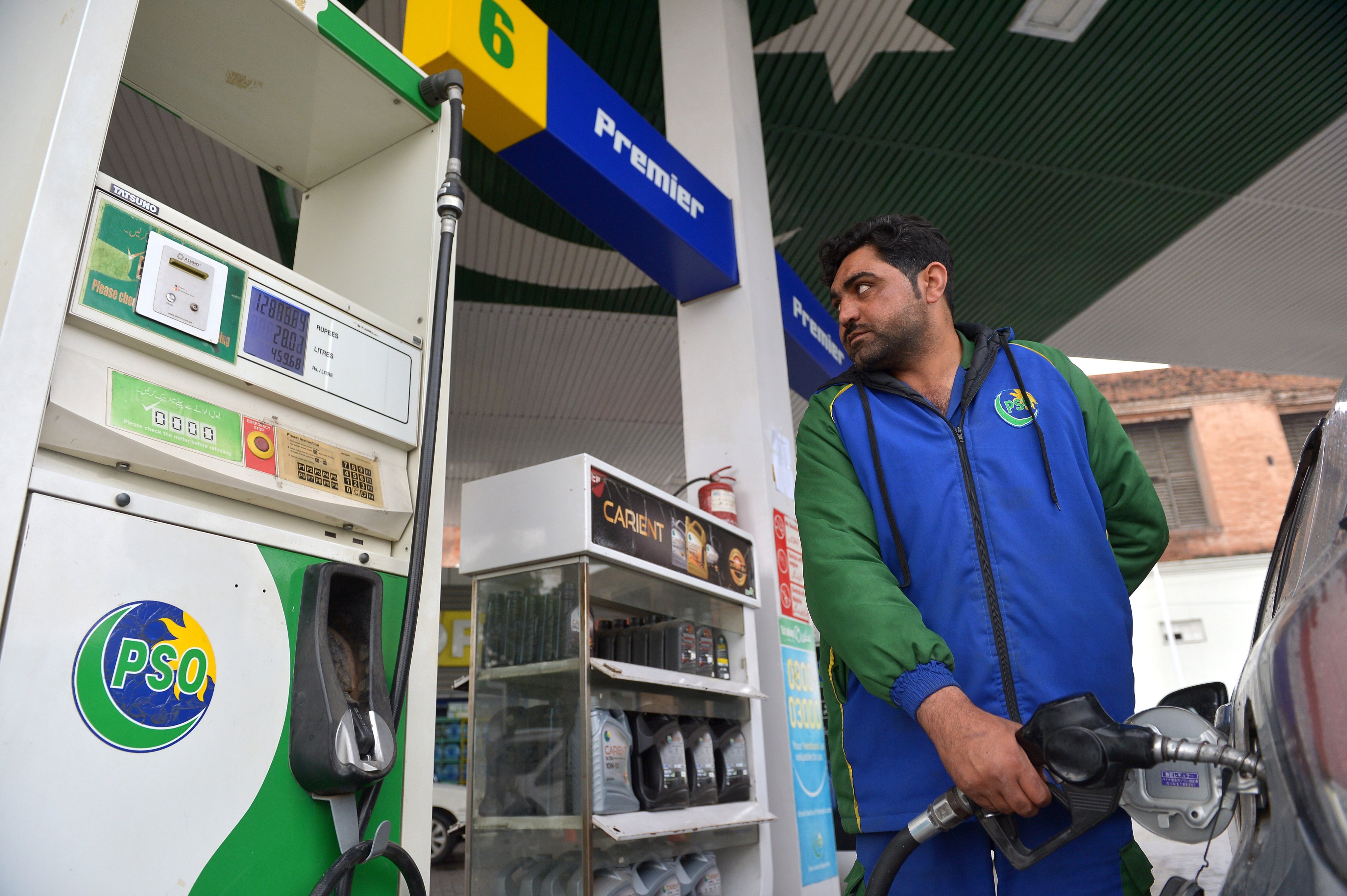
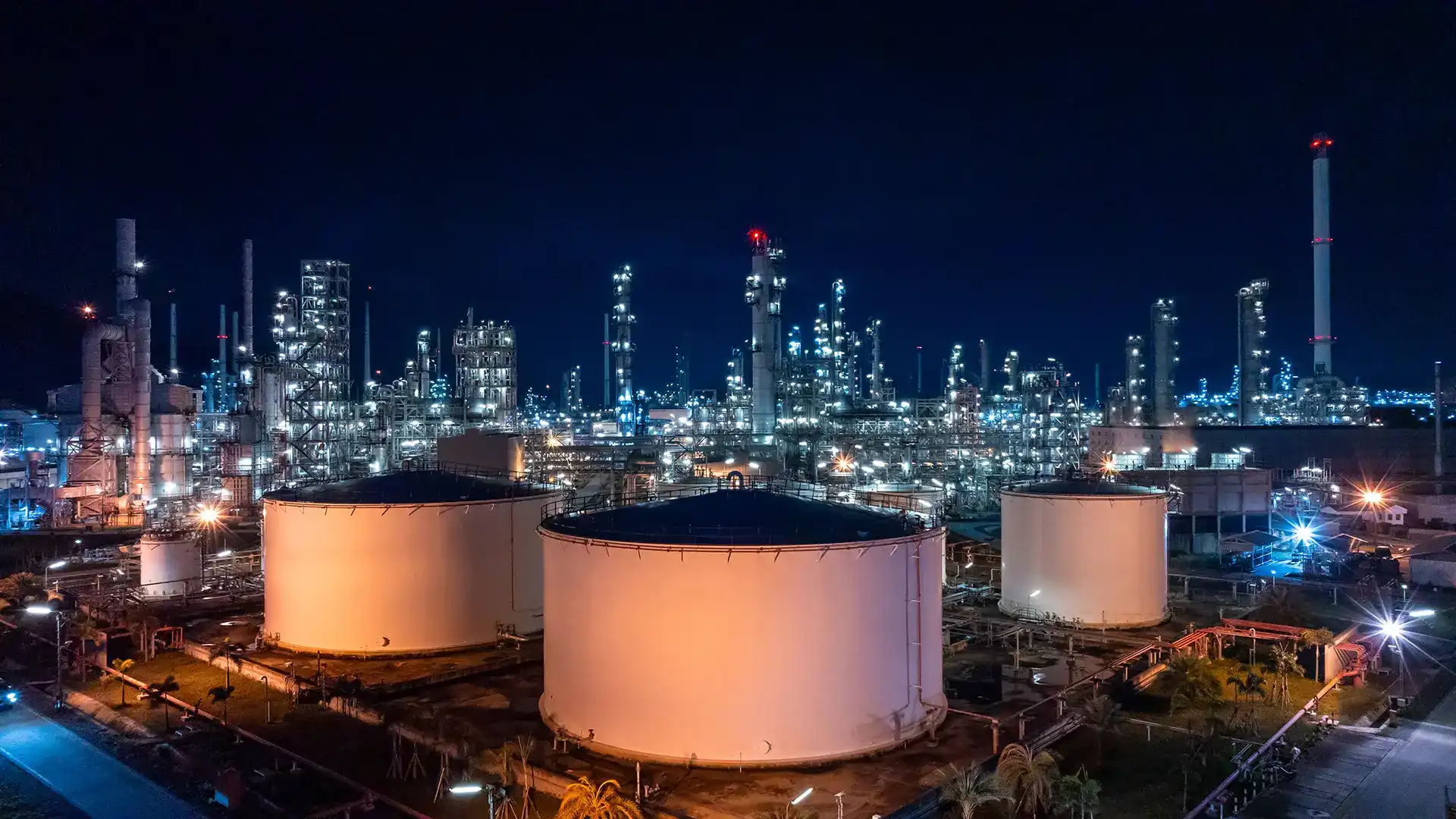
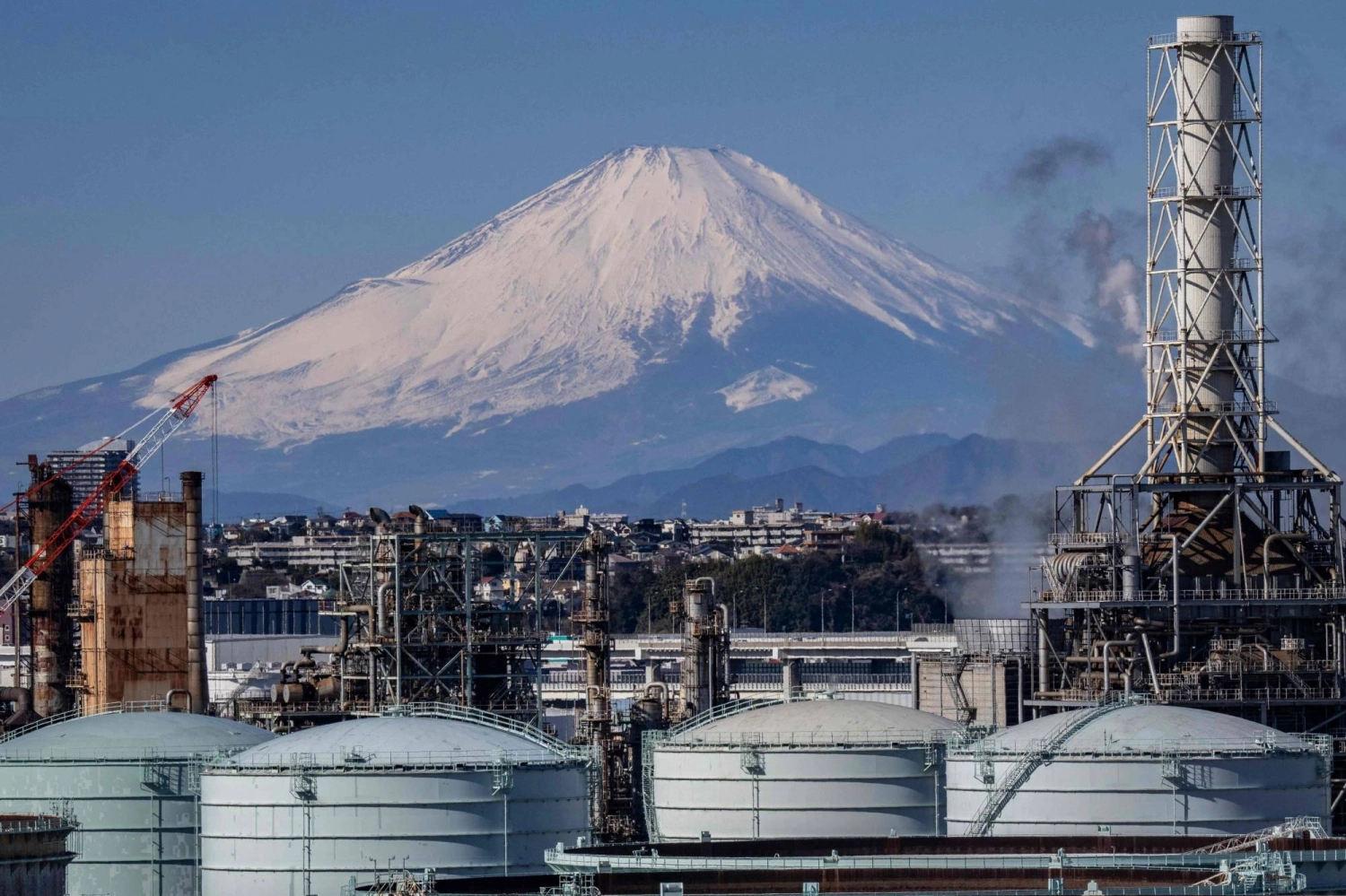
On the buy side, Asian refineries — Japanese, South Korean, Indian, and Chinese processors who collectively absorb the majority of Gulf crude exports — face compounding exposure. Refineries operating on Delivered Ex-Ship (DES) pricing, where the seller bears freight and insurance risk to the delivery port, are insulated from the immediate freight spike but exposed to force majeure declarations if a struck vessel is carrying their contractual cargo. Force majeure in commodity contracts suspends delivery obligations when events beyond a party's control prevent performance — but it does not suspend a refinery's crude intake requirements. A refinery running at 250,000 barrels per day has approximately 3–5 days of crude inventory buffer. If a contracted cargo is delayed or declared a total loss, replacement procurement at spot prices in a supply-disrupted market typically costs $2–5 per barrel above the original contracted price. For a 1-million-barrel cargo, that is $2–5 million in unbudgeted procurement cost, within a 72-hour decision window. On the sell side, National Oil Companies — Saudi Aramco, ADNOC, Kuwait Petroleum — hold structural advantage: their ability to redirect cargoes to alternative buyers or routes preserves volume optionality that independent exporters do not have.
Route diversion mathematics matter here. If war risk underwriters suspend Hormuz coverage entirely — the most severe but not unprecedented outcome — vessels divert via the Cape of Good Hope, rounding southern Africa rather than transiting the Strait. For a VLCC on the Middle East Gulf-to-Japan route, the Cape diversion adds 10–14 days of steaming time and approximately $1.5–3 million in additional bunker and time-charter costs per voyage. At current bunker prices near $600/MT for VLSFO (Very Low Sulphur Fuel Oil, the standard compliant marine fuel grade), 10 additional days of steaming at 55–60 MT/day consumption adds roughly $330,000–$360,000 in fuel alone, with the balance in time-charter cost — the daily hire rate for the vessel. Suezmax and Aframax vessel classes — smaller tankers capable of servicing ports that cannot handle VLCCs — may find spot demand and rates rising as charterers seek alternatives. Traders with pre-positioned Atlantic Basin crude cargoes — West African grades, North Sea Forties, US WTI Midland — gain arbitrage opportunity as the Brent-Dubai spread, the price differential between North Sea and Middle Eastern crude, widens to reflect Hormuz risk premium embedded in Dubai and Oman physical grades.
For large integrated traders — Trafigura, Vitol, or an NOC trading arm — the response toolkit is well-established. Freight derivatives, specifically Forward Freight Agreements (FFAs) on TD3C, allow operators to lock in current elevated rates or hedge voyage cost exposure. War risk can be placed with specialist London Market syndicates on a voyage-by-voyage basis, with coverage confirmed within hours for operators with established broker relationships. These players also hold the balance sheet to pre-purchase war risk coverage across a fleet simultaneously, averaging cost across multiple voyages. For smaller regional operators — independent tanker owners running one to five vessels, or regional fuel importers chartering tonnage on the spot market — none of these instruments is practically accessible at speed. The practical equivalent is bilateral: fix freight terms that explicitly pass war risk surcharges to the charterer, or suspend voyage commitments until the insurance market stabilises. The critical error smaller operators make in these windows is committing to voyage economics before confirming underwriter appetite for the route. That confirmation must come first.
Observers should anchor to three specific, time-bound signals. First: TD3C VLCC rates on the Baltic Exchange, updated each London business day — a move above $40,000/day from a recent baseline near $25,000–30,000/day signals that the freight market has fully priced Hormuz disruption risk and that charterers are competing for available tonnage outside the affected zone. Second: watch for Lloyd's Joint War Committee (JWC) Listed Areas updates — if the JWC formally adds Omani coastal waters to its high-risk zone listing within the next five to seven business days, that triggers automatic war risk premium escalation across all Lloyd's-covered fleets, with no operator-level discretion. Third: the identity of the struck vessels — if UKMTO or flag-state authorities confirm either vessel was carrying crude, LNG, or LPG for named Asian counterparties, force majeure declarations and cargo insurance claims will cascade through supply chains within 48–72 hours, and physical spot markets in Singapore and Rotterdam will reflect the supply disruption in prompt price spreads before the week is out.
.jpg)
.jpg)

'%3e%3cg id='Final-Copy-2_2_' transform='translate(1275.000000, 200.000000)'%3e%3cpath class='st0' d='M7.4,12.8h6.8l3.1-11.6H7.4C4.2,1.2,1.6,3.8,1.6,7S4.2,12.8,7.4,12.8z'/%3e%3c/g%3e%3c/g%3e%3c/g%3e%3cg id='final---dec.11-2020'%3e%3cg id='_x30_208-our-toggle' transform='translate(-1275.000000, -200.000000)'%3e%3cg id='Final-Copy-2' transform='translate(1275.000000, 200.000000)'%3e%3cpath class='st1' d='M22.6,0H7.4c-3.9,0-7,3.1-7,7s3.1,7,7,7h15.2c3.9,0,7-3.1,7-7S26.4,0,22.6,0z M1.6,7c0-3.2,2.6-5.8,5.8-5.8 h9.9l-3.1,11.6H7.4C4.2,12.8,1.6,10.2,1.6,7z'/%3e%3cpath id='x' class='st2' d='M24.6,4c0.2,0.2,0.2,0.6,0,0.8l0,0L22.5,7l2.2,2.2c0.2,0.2,0.2,0.6,0,0.8c-0.2,0.2-0.6,0.2-0.8,0 l0,0l-2.2-2.2L19.5,10c-0.2,0.2-0.6,0.2-0.8,0c-0.2-0.2-0.2-0.6,0-0.8l0,0L20.8,7l-2.2-2.2c-0.2-0.2-0.2-0.6,0-0.8 c0.2-0.2,0.6-0.2,0.8,0l0,0l2.2,2.2L23.8,4C24,3.8,24.4,3.8,24.6,4z'/%3e%3cpath id='y' class='st3' d='M12.7,4.1c0.2,0.2,0.3,0.6,0.1,0.8l0,0L8.6,9.8C8.5,9.9,8.4,10,8.3,10c-0.2,0.1-0.5,0.1-0.7-0.1l0,0 L5.4,7.7c-0.2-0.2-0.2-0.6,0-0.8c0.2-0.2,0.6-0.2,0.8,0l0,0L8,8.6l3.8-4.5C12,3.9,12.4,3.9,12.7,4.1z'/%3e%3c/g%3e%3c/g%3e%3c/g%3e%3c/g%3e%3c/svg%3e) Privacy Choices
Privacy Choices