.avif)
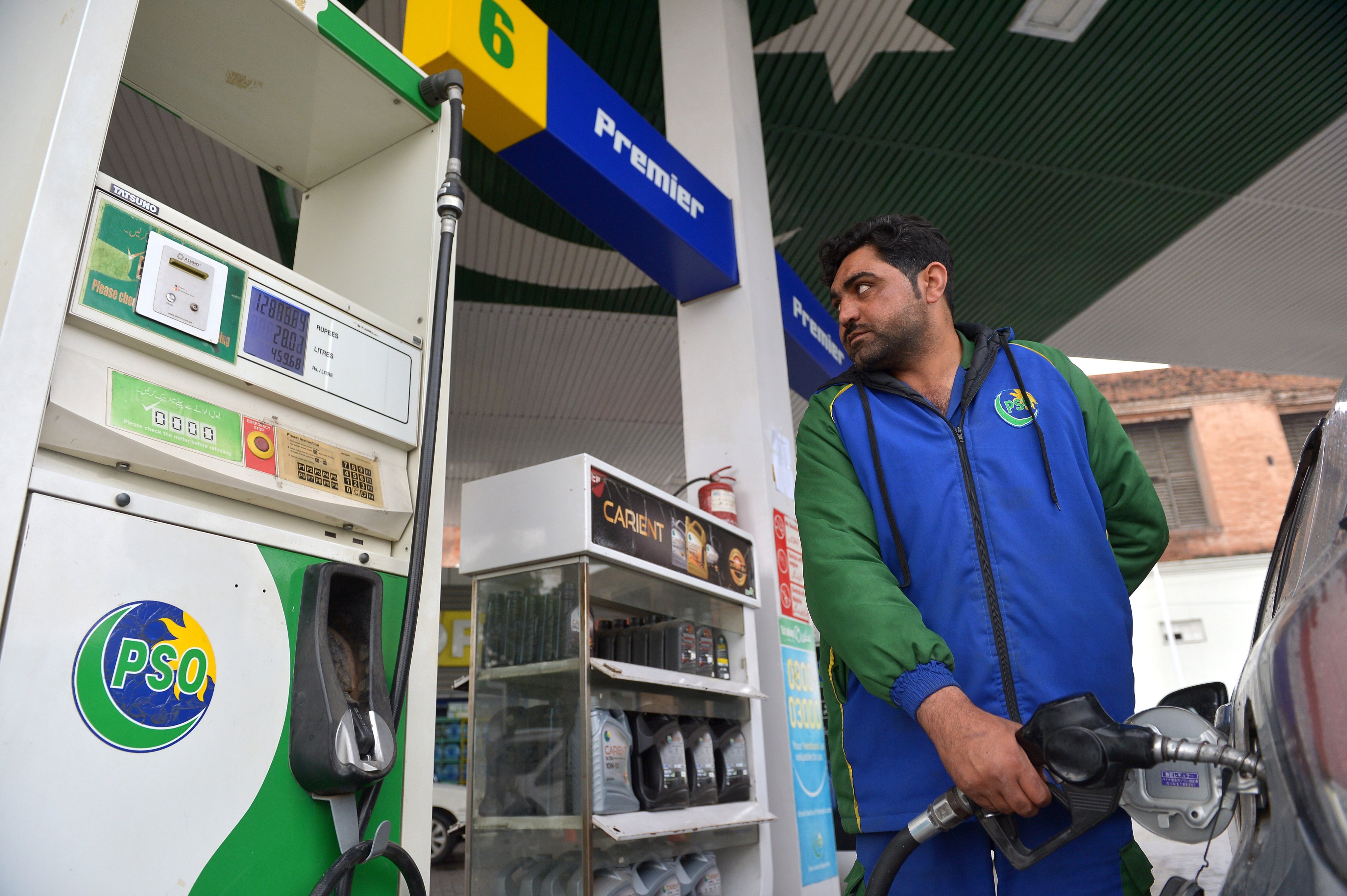
Pakistani petroleum importers face a supply rupture within 15 days not as a theoretical worst case, but as the arithmetic minimum resolution timeline because the financing mechanism that enables every cargo procurement has effectively seized.
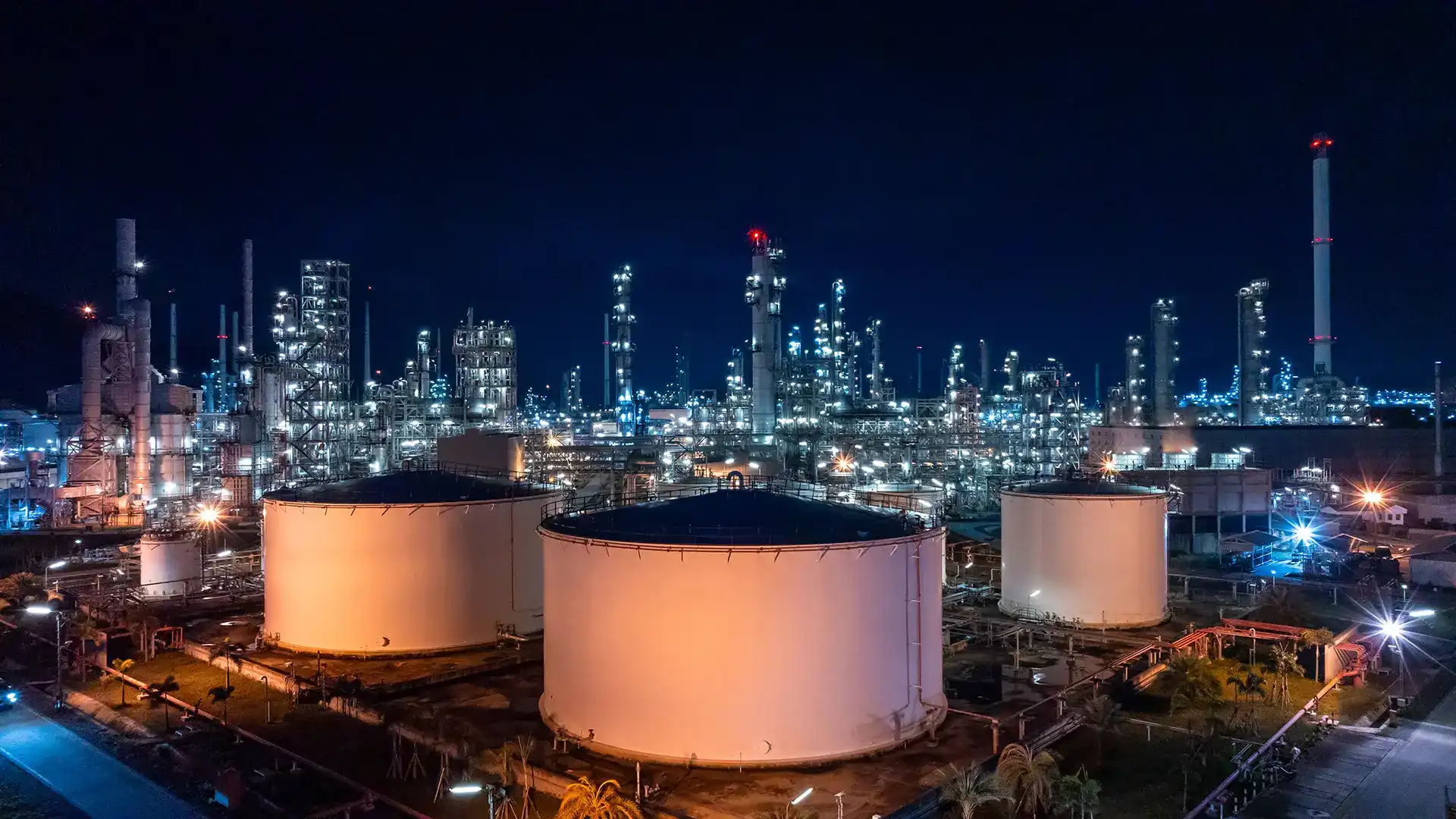
Pakistan's Oil Companies Advisory Council (OCAC) the body representing major oil marketing companies operating in the country warned on 15 July 2026 that petrol reserves had fallen to approximately 370,000 tonnes, equivalent to roughly 15 days of national consumption. The surface explanation involves customs clearance delays and glitches in WeBOC (Pakistan's Web-Based One Customs system, the digital platform through which all import documentation is processed and cleared). Ships carrying petrol cargoes were due at Pakistani ports between July 15–17; WeBOC failures risk holding those vessels at anchor while demurrage the daily penalty charge a cargo owner pays when a vessel is kept waiting beyond its contracted unloading window accumulates at approximately $15,000–25,000 per day per vessel. But the WeBOC problem is a symptom. The disease is structural.
The deeper constraint is the letter of credit cycle. A letter of credit (LC) a bank guarantee that payment will be made to a supplier once shipping documents are presented is the instrument that makes international commodity trade possible. Pakistani banks and Pakistan State Oil (PSO), the state-owned dominant importer, cannot confidently open fresh LCs for the next cargo cycle while Rs66.7 billion in Price Differential Claims (PDCs) government-owed compensation payments to oil companies for selling fuel below market recovery cost under administered pricing remain unsettled. Those unpaid receivables sit on PSO's balance sheet as impaired assets, reducing the collateral base that banks use to assess trade finance risk. PSO was, according to reports, not permitted to import additional petroleum products in June 2026 at all. The procurement pipeline for crude-derived product from cargo nomination to discharge runs 30–45 days. Even if every administrative problem were resolved tonight, the next cargo cycle cannot physically begin delivering until mid-August. The 15 day figure is not a warning horizon. It is the minimum resolution timeline.
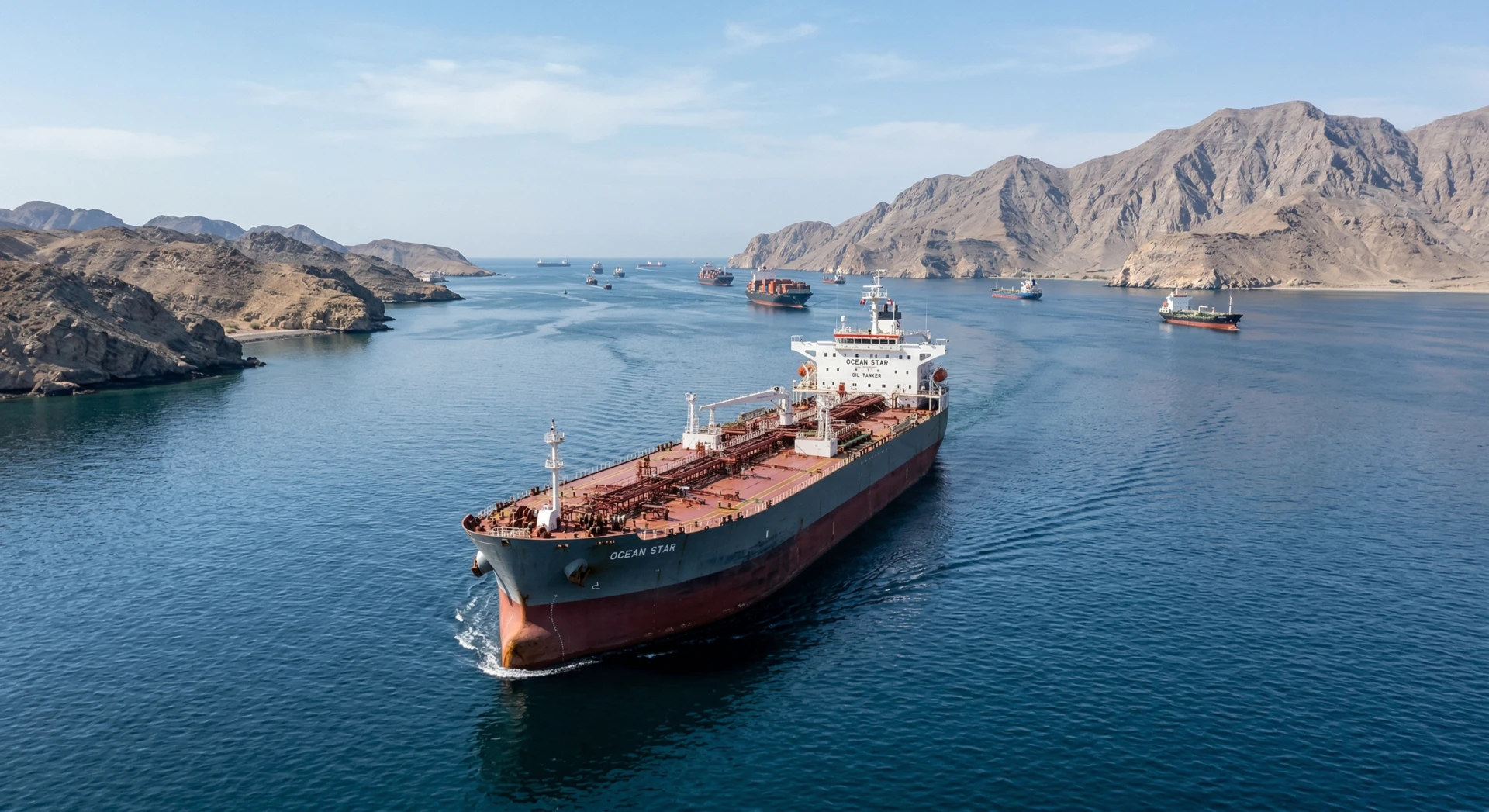
To understand what this costs in practice, consider a mid-sized Pakistani fuel importer arranging a 30,000 tonne petrol cargo from a Gulf refinery on a spot basis. Under normal conditions LC opened, customs pre-cleared, port slot confirmed the delivered landed cost into Karachi might run approximately $680–700/MT at current international product prices, inclusive of freight on a smaller product tanker (MR-class, medium range vessel, capable of carrying 25,000–40,000 tonnes) at roughly $35–40/MT on the Arabian Gulf–Karachi route. With Pakistan's regulated retail price structure, a thin operating margin exists. Now add three compounding costs: two days' demurrage on an anchored vessel at $20,000/day ($40,000 total, or roughly $1.33/MT on a 30,000-tonne cargo); potential emergency spot premium of $15–20/MT above benchmark for a cargo procured outside normal term contracts; and the financing cost of carrying an unsettled PDC receivable, which effectively ties up working capital that could otherwise fund the next cargo. The margin does not compress. It inverts. The importer loses money on every tonne.
The LPG (liquefied petroleum gas a compressed mixture of propane and butane used for cooking and heating, particularly by households not connected to the natural gas grid) crisis runs in parallel and shares the same structural root. The Oil and Gas Regulatory Authority (OGRA) sets the maximum price at which LPG can be sold domestically. According to the LPG Importers Association of Pakistan, whose chairman Sheikh Mukarram Waheed has called for an emergency government meeting, the OGRA price as of end-June 2026 does not cover the actual landed cost of imported LPG. The landed cost incorporates CFR price (Cost and Freight the supplier's price including ocean freight to the named destination port), Pakistani rupee depreciation against the US dollar, and port handling and storage charges. Regional spot VLGC (Very Large Gas Carrier a vessel carrying 40,000–85,000 cubic metres of liquefied gas) freight from the Arabian Gulf to Karachi has been volatile; at current rates, the gap between OGRA's permitted sale price and the actual landed cost is estimated, based on operator reports, to be loss-making on every imported tonne. Operators are scaling back or halting imports. Terminals are partially idling.
On the buy side, industrial consumers textile mills, ceramics manufacturers, and food processors that rely on LPG as a process fuel when natural gas supply is curtailed under load management face the most acute near-term exposure. A textile mill consuming 50 tonnes of LPG per month facing even a 20% supply shortfall must either source emergency spot cargoes at distress premiums (potentially $30–60/MT above prevailing CFR prices, based on regional trading patterns for urgent window deliveries) or curtail production. At a $50/MT premium on 50 tonnes, that is an additional $2,500/month in fuel cost before any output loss is counted. For smaller household consumers estimated at tens of millions of Pakistani households dependent on LPG cylinders the risk is rationing, not just price: cylinders simply do not arrive.
On the sell side, the margin picture bifurcates sharply by operator scale. For large integrated regional traders UAE-based or Saudi Arabia-based LPG trading houses with pre-positioned cargoes or flexible term supply agreements a Pakistan government emergency pricing waiver or PDC clearance event represents a significant opportunity. Operators who can deliver into the distress window command that $30–60/MT premium above prevailing spot. The freight leg, on a VLGC from Ras Tanura to Karachi (approximately 4–5 days' steaming), is short enough that a fast-turnaround spot cargo is operationally feasible within 10–12 days of nomination. For smaller Pakistani LPG importers without the balance sheet to absorb ongoing losses or bridge the LC gap, the calculus is simpler: operations stop. Those operators are not positioned to benefit from a price waiver they lack the capital to nominate new cargoes even at restored margins. The crisis, if resolved by pricing reform, transfers margin from domestic operators who have already exited to regional traders who stayed liquid.
For Pakistan's petroleum importers as a class the OMCs (oil marketing companies) and independent importers who collectively maintain the national fuel supply the immediate operational priority is the Rs66.7 billion PDC clearance. Without it, no LC strategy, customs reform, or WeBOC patch solves the underlying problem. A large integrated operator an OMC with international banking relationships and some term supply flexibility can attempt to bridge financing through bilateral payment arrangements with Gulf suppliers, negotiating deferred payment terms in exchange for volume commitments. This buys weeks, not months. A smaller regional importer has no such leverage. The practical equivalent is to reduce cargo size, source from spot markets at premium, and pass cost exposure upstream to industrial buyers through bilateral contract renegotiation accepting that margin is gone for this cycle and protecting liquidity for the next.
The specific signal that practitioners should monitor is the Government of Pakistan's fortnightly PDC disbursement schedule, cross-referenced against PSO's public import nomination disclosures and the OCAC's weekly inventory data. If Rs66.7 billion in PDC arrears are not confirmed cleared by 25 July 2026, the 15-day stock window expires without a credible replacement cargo cycle in place. The secondary signal is OGRA's next pricing notification for LPG if the July revision does not close the landed cost gap for importers, terminal idling will accelerate. Watch also for any emergency import authorisation granted to PSO; that single administrative act is the fastest mechanism to restart the LC pipeline ahead of PDC resolution. The absence of that authorisation by end of July is itself the clearest signal that Pakistan's fuel supply chain has entered a managed shortage, not a temporary disruption.
.jpg)
.jpg)
'%3e%3cg id='Final-Copy-2_2_' transform='translate(1275.000000, 200.000000)'%3e%3cpath class='st0' d='M7.4,12.8h6.8l3.1-11.6H7.4C4.2,1.2,1.6,3.8,1.6,7S4.2,12.8,7.4,12.8z'/%3e%3c/g%3e%3c/g%3e%3c/g%3e%3cg id='final---dec.11-2020'%3e%3cg id='_x30_208-our-toggle' transform='translate(-1275.000000, -200.000000)'%3e%3cg id='Final-Copy-2' transform='translate(1275.000000, 200.000000)'%3e%3cpath class='st1' d='M22.6,0H7.4c-3.9,0-7,3.1-7,7s3.1,7,7,7h15.2c3.9,0,7-3.1,7-7S26.4,0,22.6,0z M1.6,7c0-3.2,2.6-5.8,5.8-5.8 h9.9l-3.1,11.6H7.4C4.2,12.8,1.6,10.2,1.6,7z'/%3e%3cpath id='x' class='st2' d='M24.6,4c0.2,0.2,0.2,0.6,0,0.8l0,0L22.5,7l2.2,2.2c0.2,0.2,0.2,0.6,0,0.8c-0.2,0.2-0.6,0.2-0.8,0 l0,0l-2.2-2.2L19.5,10c-0.2,0.2-0.6,0.2-0.8,0c-0.2-0.2-0.2-0.6,0-0.8l0,0L20.8,7l-2.2-2.2c-0.2-0.2-0.2-0.6,0-0.8 c0.2-0.2,0.6-0.2,0.8,0l0,0l2.2,2.2L23.8,4C24,3.8,24.4,3.8,24.6,4z'/%3e%3cpath id='y' class='st3' d='M12.7,4.1c0.2,0.2,0.3,0.6,0.1,0.8l0,0L8.6,9.8C8.5,9.9,8.4,10,8.3,10c-0.2,0.1-0.5,0.1-0.7-0.1l0,0 L5.4,7.7c-0.2-0.2-0.2-0.6,0-0.8c0.2-0.2,0.6-0.2,0.8,0l0,0L8,8.6l3.8-4.5C12,3.9,12.4,3.9,12.7,4.1z'/%3e%3c/g%3e%3c/g%3e%3c/g%3e%3c/g%3e%3c/svg%3e) Privacy Choices
Privacy Choices