.avif)
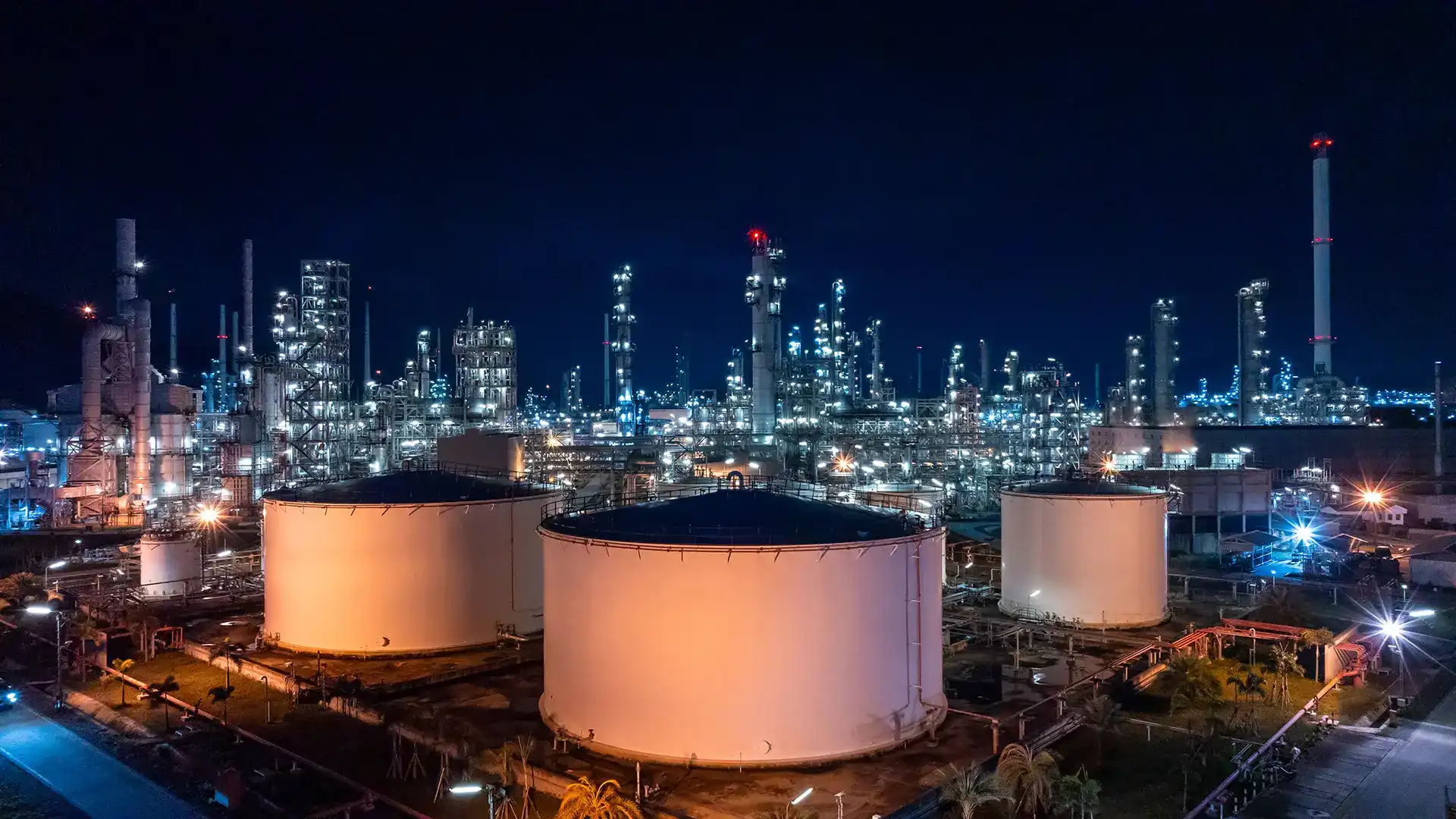
MRPL's headline profit of ₹946 crore for Q1 FY2026-27 rests on a ₹471.76 crore exceptional gain that will not repeat, leaving Indian state refiners and their procurement counterparts to navigate an underlying refining margin that is structurally thinner than the headline suggests. The exceptional item a one-time recognition of retrospective petroleum product price revisions, meaning the government effectively corrected a pricing gap from a prior period and allowed MRPL to book that value now contributed roughly half the reported net profit. Strip that out, and MRPL's recurring earnings for the quarter sit closer to ₹474 crore. Revenue reached ₹41,609 crore, which is a genuine top-line achievement, but EBITDA earnings before interest, tax, depreciation and amortisation, the standard measure of operating cash generation came in at ₹1,328 crore, a margin of just 3.4%. The previous quarter's EBITDA margin was 7.4%. That halving is not a rounding error; it represents approximately ₹500–600 crore in lost operating value versus the prior quarter's run rate, and it signals that MRPL's refining operations are under real pressure even as the headline number looks strong.
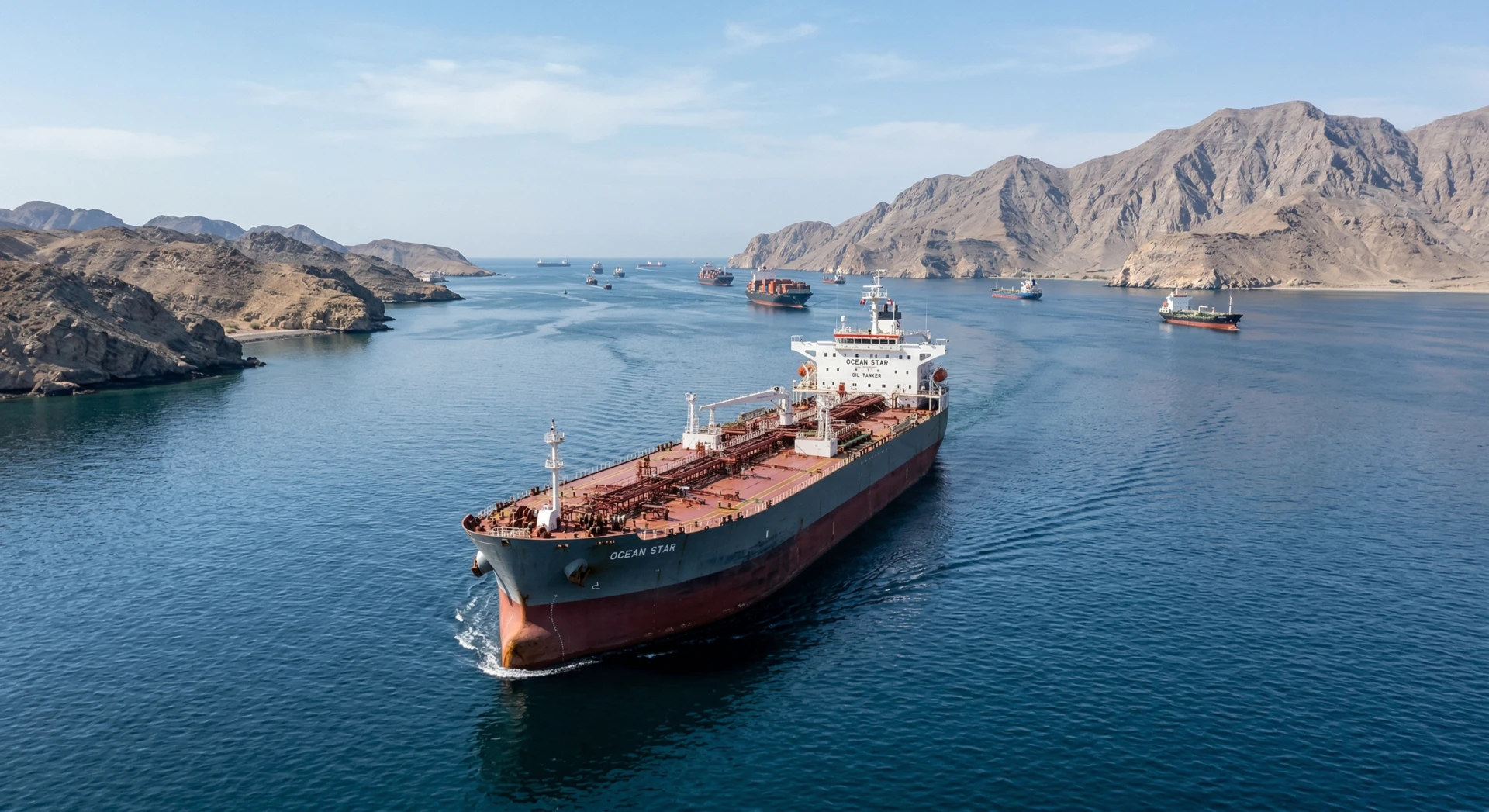
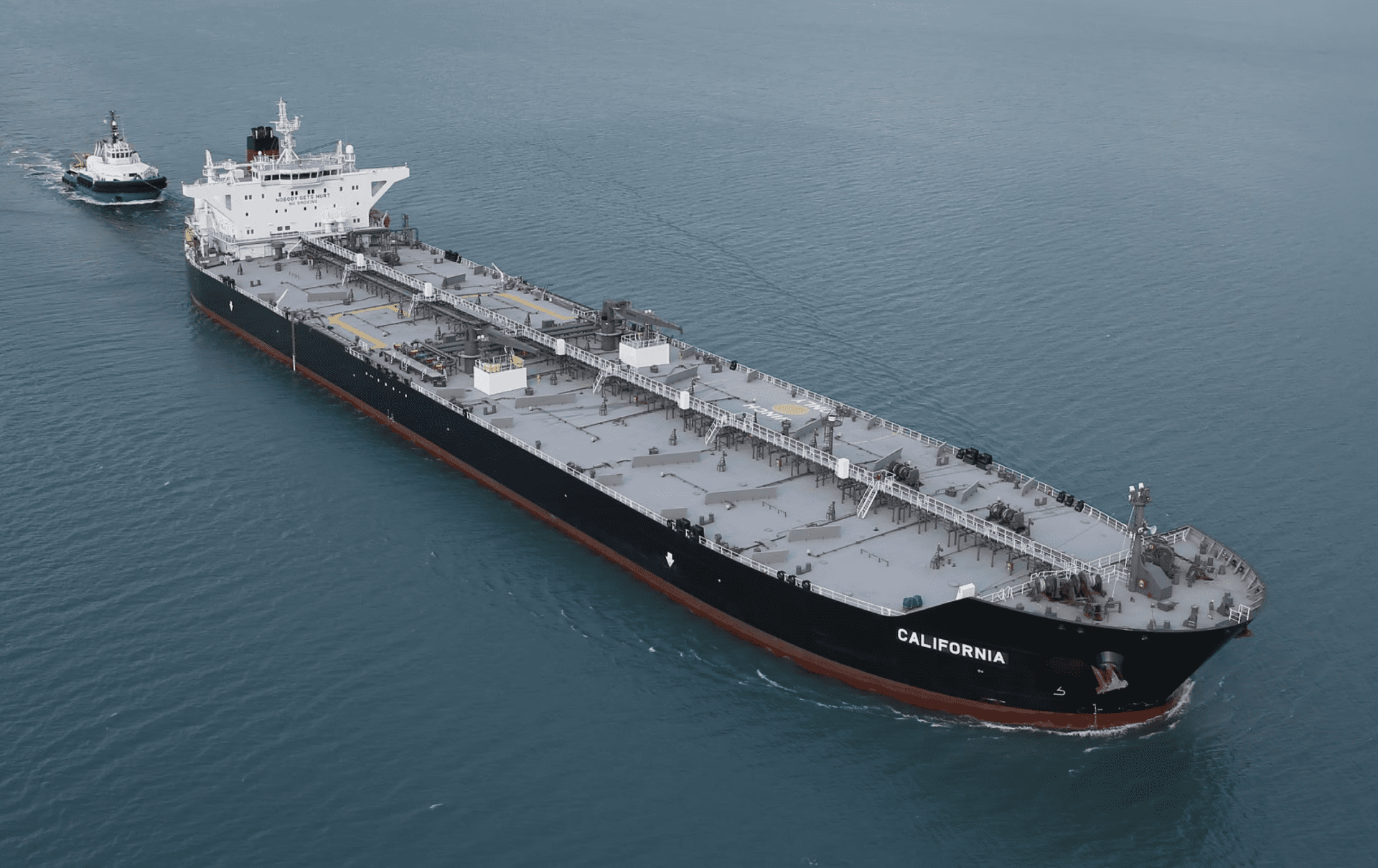
To understand what a 3.4% EBITDA margin means in physical terms, consider MRPL's position. The refinery at Mangalore processes roughly 15 million metric tonnes per year about 300,000 barrels per day of primarily Middle Eastern crude, largely Dubai linked barrels delivered via VLCC (Very Large Crude Carrier, a supertanker carrying approximately 2 million barrels) through the Strait of Hormuz and across the Arabian Sea to Mangalore port. The gross refining margin GRM, the spread between the value of refined products a refinery produces and the cost of the crude it processes is the primary lever. At 3.4% EBITDA on ₹41,609 crore of revenue, MRPL is generating roughly ₹89 per tonne of throughput in operating profit. At 7.4%, that figure was closer to ₹182 per tonne. The difference, compounded across 3–4 million tonnes of quarterly throughput, is the ₹500–600 crore gap identified above. For a refinery simultaneously funding infrastructure expansion and carrying capital obligations to parent ONGC, that compression is uncomfortable.
On the buy side, Indian state-sector buyers including fuel procurement desks at ONGC subsidiaries and bulk aviation fuel buyers looking at MRPL's newly certified SAF (sustainable aviation fuel a low-carbon jet fuel produced from non-petroleum feedstocks, with MRPL now holding certification to produce and supply it commercially) output face a counterpart whose margin position incentivises volume throughput over price flexibility. When a refiner's operating margin is thin, the commercial pressure is to run hard and sell at market, not hold inventory. That is marginally favourable for large volume buyers negotiating term supply contracts in the near term. On the sell side, MRPL itself faces the structural tension that defines Indian state refining: administered domestic product prices constrain the ability to fully pass through crude cost increases, while the retrospective price revision mechanism the same one that generated this quarter's exceptional gain creates periodic P&L lumps that obscure the true refining economics. Peer refiners HPCL, BPCL, and IOC face the same dynamic, and analysts tracking the revision cycle may anticipate similar one-off adjustments at those entities in coming quarters.
For a large integrated trader or national oil company with derivatives access Vitol, Trafigura, or ONGC's own trading arm the signal from MRPL's results is that Indian state refining margins are vulnerable to further compression if Dubai crude premiums widen or if product crack spreads (the margin between crude input cost and refined product sale price, effectively the refinery's value-add) narrow. The Dubai crude benchmark, published daily by S&P Platts and the primary pricing reference for Middle Eastern crude into Asia, is the key variable. A $2/bbl widening in the Dubai premium versus Brent the North Sea crude benchmark against which global oil is often priced would tighten MRPL's GRM by an estimated $1.50–2.00/bbl, roughly ₹100–130 per tonne, pushing the EBITDA margin below 2% at current revenue run rates. For smaller regional operators independent fuel distributors or state electricity boards buying petroleum products from MRPL under term contracts the practical implication is that supply continuity is not at risk, but pricing flexibility in contract renegotiations will be limited; MRPL has little room to discount from market-linked formula prices when its own operating margin is this thin.
The forward signal observers should track is MRPL's Q2 GRM disclosure, due in October 2026, against the backdrop of the Dubai crude price and the India Government's next petroleum product price revision cycle. If Q2 results carry no exceptional item and the Dubai-Brent spread remains above $3/bbl it has traded between $2.50 and $4.00/bbl through mid-2026 MRPL's recurring EBITDA margin may struggle to recover above 4–5%, making the capex programme for infrastructure expansion and SAF scale-up increasingly dependent on ONGC balance sheet support rather than internal cash generation. The Indian Petroleum Planning and Analysis Cell (PPAC) publishes monthly refinery margin data and product price revisions; any announcement of a retrospective price correction at peer refiners before September 2026 would confirm that the revision mechanism is systemic, not MRPL specific, and would be the clearest indicator of where the next exceptional gain or loss lands across the Indian state refining complex.
.jpg)


'%3e%3cg id='Final-Copy-2_2_' transform='translate(1275.000000, 200.000000)'%3e%3cpath class='st0' d='M7.4,12.8h6.8l3.1-11.6H7.4C4.2,1.2,1.6,3.8,1.6,7S4.2,12.8,7.4,12.8z'/%3e%3c/g%3e%3c/g%3e%3c/g%3e%3cg id='final---dec.11-2020'%3e%3cg id='_x30_208-our-toggle' transform='translate(-1275.000000, -200.000000)'%3e%3cg id='Final-Copy-2' transform='translate(1275.000000, 200.000000)'%3e%3cpath class='st1' d='M22.6,0H7.4c-3.9,0-7,3.1-7,7s3.1,7,7,7h15.2c3.9,0,7-3.1,7-7S26.4,0,22.6,0z M1.6,7c0-3.2,2.6-5.8,5.8-5.8 h9.9l-3.1,11.6H7.4C4.2,12.8,1.6,10.2,1.6,7z'/%3e%3cpath id='x' class='st2' d='M24.6,4c0.2,0.2,0.2,0.6,0,0.8l0,0L22.5,7l2.2,2.2c0.2,0.2,0.2,0.6,0,0.8c-0.2,0.2-0.6,0.2-0.8,0 l0,0l-2.2-2.2L19.5,10c-0.2,0.2-0.6,0.2-0.8,0c-0.2-0.2-0.2-0.6,0-0.8l0,0L20.8,7l-2.2-2.2c-0.2-0.2-0.2-0.6,0-0.8 c0.2-0.2,0.6-0.2,0.8,0l0,0l2.2,2.2L23.8,4C24,3.8,24.4,3.8,24.6,4z'/%3e%3cpath id='y' class='st3' d='M12.7,4.1c0.2,0.2,0.3,0.6,0.1,0.8l0,0L8.6,9.8C8.5,9.9,8.4,10,8.3,10c-0.2,0.1-0.5,0.1-0.7-0.1l0,0 L5.4,7.7c-0.2-0.2-0.2-0.6,0-0.8c0.2-0.2,0.6-0.2,0.8,0l0,0L8,8.6l3.8-4.5C12,3.9,12.4,3.9,12.7,4.1z'/%3e%3c/g%3e%3c/g%3e%3c/g%3e%3c/g%3e%3c/svg%3e) Privacy Choices
Privacy Choices