.avif)
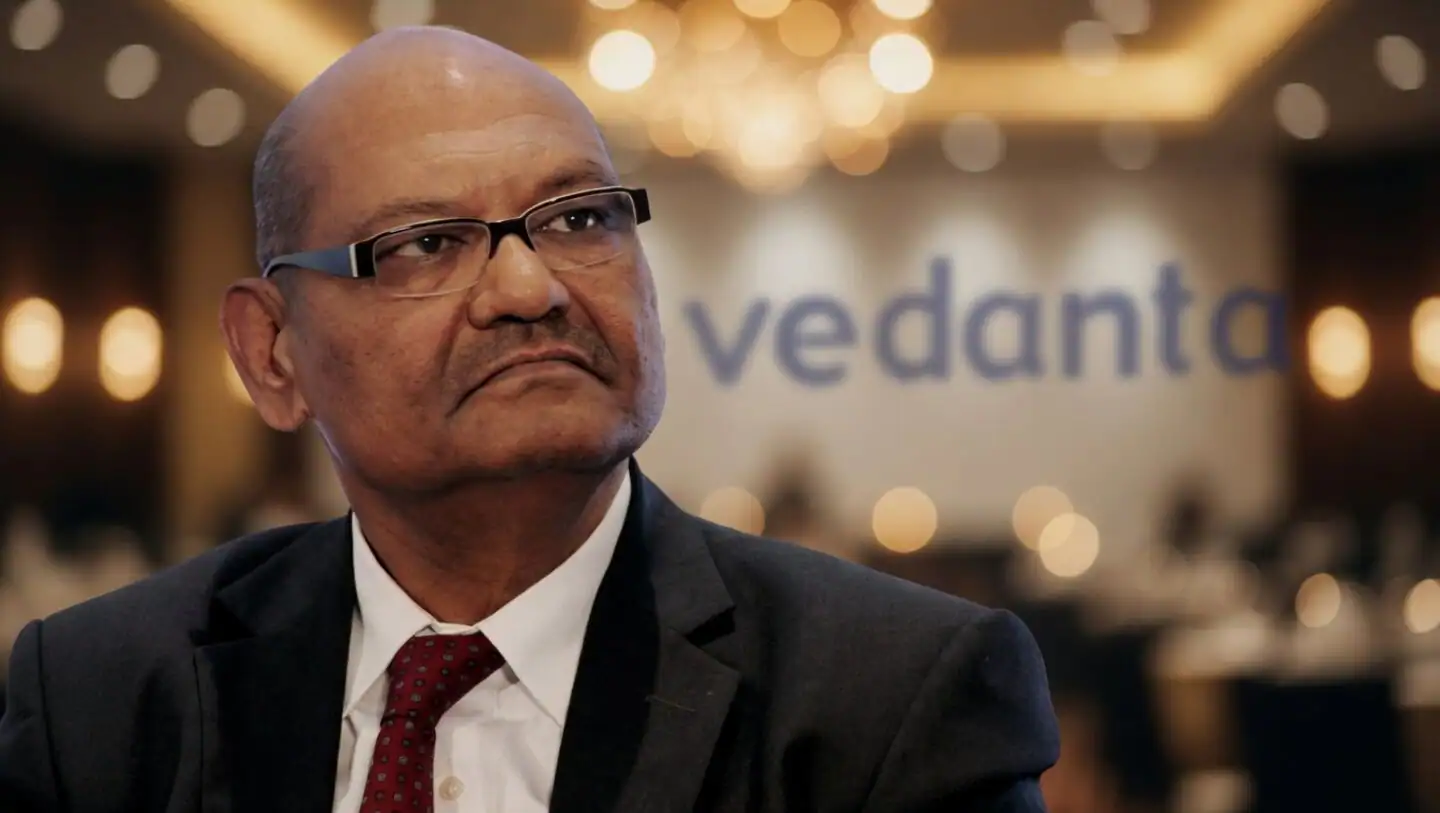
Aluminium smelters buying primary metal or alumina on the open market face a structural repricing event within three to five years: if Vedanta Aluminium executes its plan to double capacity from roughly 3 million tonnes per year to 6 million tonnes per year, India transitions from a marginal importer of aluminium to a potential net exporter, and the regional premium that Southeast Asian and Middle Eastern smelters currently capture begins to erode. The timing starts now capital allocation decisions made in 2026 and 2027 will determine whether that supply arrives as a steady ramp or a disruptive flood.
Vedanta's FY26 financials give the expansion plan genuine credibility that most corporate announcements lack. Revenue reached ₹1,74,075 crore (approximately $20.9 billion), record profit came in at ₹25,096 crore, and EBITDA earnings before interest, tax, depreciation, and amortisation, the standard measure of operating cash generation in capital-intensive industries hit ₹55,976 crore, roughly $6.7 billion. Crucially, net debt to EBITDA fell to 0.95x, the lowest in 14 quarters. A ratio below 1x means the group's total net debt is less than one year's operating earnings a position that gives lenders and equity markets confidence. But that ratio sits at the listed operating company level. Vedanta Resources, the London based parent holding company that owns the Indian operating entities, carries structurally heavier leverage; it has faced repeated bond maturity stress and refinancing pressure that has not disappeared simply because the Indian subsidiaries had a strong year. The announced $20 billion capex programme, spread across five verticals simultaneously, requires either sustained record-level cash generation, large equity raises at each demerged entity, or significant new external debt the announcement does not specify which combination, or in what proportion.
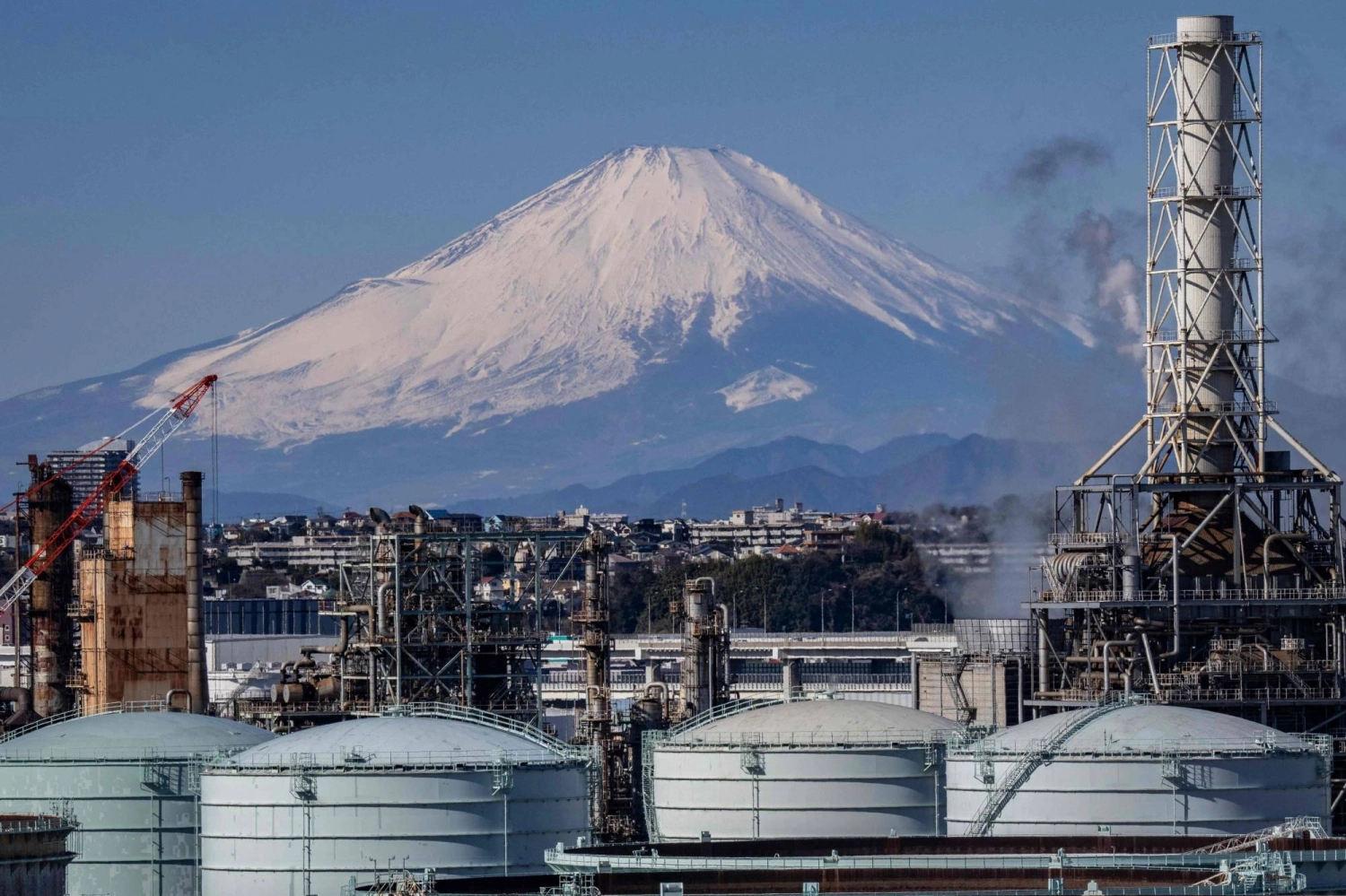
The aluminium expansion is the single most consequential line item for the global smelting industry. Vedanta Aluminium at Jharsuguda in Odisha is already among Asia's largest single-site smelters. Doubling to 6 million tonnes per annum requires commensurate bauxite and alumina feedstock security alumina being the white powder refined from bauxite ore that is the direct input into aluminium smelting and firm power availability. Both are India specific infrastructure constraints. Vedanta's own history at Jharsuguda and its alumina refinery at Lanjigarh illustrates the difficulty: multiple ramp-up cycles have been delayed by bauxite supply interruptions, environmental clearances, and grid power reliability. A 6 million tonne smelter consuming approximately 14–15 megawatt hours per tonne of aluminium produced requires roughly 84–90 terawatt-hours per year of dedicated power comparable to the annual electricity consumption of a mid-sized European country. Achieving that from captive coal based power plants adds further permitting, fuel linkage, and logistics dependencies.
To understand the margin anatomy, consider a worked example. India currently imports roughly 500,000–600,000 tonnes of aluminium annually, primarily from the Middle East (UAE, Bahrain) and Russia. The landed cost of primary aluminium from UAE into an Indian industrial buyer includes a base LME price the London Metal Exchange benchmark price for primary aluminium currently around $2,400–2,450 per tonne, plus a regional Midwest or Asian premium of $120–160/MT, plus freight of $40–60/MT on a bulk cargo, totalling approximately $2,560–2,670/MT delivered. Vedanta Aluminium's stated cost leadership objective, if achieved at scale, would target a production cost of $1,700–1,900/MT, leaving domestic Indian buyers with a structural cost advantage of $600–900/MT versus import parity but only if power and bauxite costs are controlled and capacity actually runs at nameplate. For a large downstream aluminium user consuming 50,000 tonnes per year, that differential represents $30–45 million annually. That is not a rounding error; it is a capital allocation decision about whether to invest in domestic long-term supply agreements or maintain import flexibility.
On the buy side, aluminium smelters and downstream fabricators in India automotive sheet producers, packaging converters, wire and cable manufacturers gain significant leverage if Vedanta's ramp proceeds on schedule. Locking in offtake agreements now, before the capacity is commissioned, secures pricing closer to domestic production cost rather than import parity. On the sell side, competing primary aluminium producers Aluminium Bahrain (Alba), Emirates Global Aluminium (EGA), and Russian producers shipping to Asia face the prospect of losing 500,000–1,000,000 tonnes of annual Indian volume as Vedanta's incremental output displaces imports. At $2,400/MT, that is $1.2–2.4 billion of annual revenue at risk for the combined export community. Southeast Asian smelters currently pricing on a premium to LME face the sharpest exposure; Australian alumina exporters supplying Indian refineries may actually benefit as Vedanta's expanded Lanjigarh refinery increases throughput demand.
For large integrated aluminium traders commodity houses such as Glencore, Trafigura, or national trading arms with derivatives access the appropriate instrument is a forward position on the LME aluminium forward curve combined with a watch on the Indian physical premium, tracked via Metal Bulletin's Indian aluminium premium assessment. If Vedanta's ramp accelerates, the Indian import premium narrows and potentially inverts into a domestic export discount; positioning short on the Indian premium spread captures that shift. The cost of maintaining a calendar spread position (the difference between prompt and three-month LME aluminium) as a hedge is currently modest backwardation, where near-term prices exceed forward prices, is not present in aluminium at the time of writing, meaning the forward curve is in contango (forward prices above spot), and carry costs are manageable. For smaller regional operators a mid-sized aluminium distributor in South or Southeast Asia without derivatives access the practical equivalent is to shorten forward purchase commitments from the current 90–120 day standard to 30–45 day rolling terms, preserving optionality as the supply picture clarifies over the next 12–18 months.
The most specific, time-bound signal for observers is Vedanta Aluminium's Lanjigarh alumina refinery expansion clearance, expected to move through India's Ministry of Environment, Forest and Climate Change (MoEFCC) review process in the next two to three quarters. Lanjigarh is the physical gating constraint on any smelter ramp: without sufficient domestic alumina the feedstock that must be available before the smelter can produce Vedanta must import alumina at $360–380/MT (CIF India), which alone adds $680–720 to per tonne production cost and neutralises the cost leadership thesis entirely. Watch the MoEFCC environmental clearance register and Vedanta Aluminium's quarterly production disclosures through Q2 FY27. If Lanjigarh expansion clearance is granted and bauxite linkage agreements are announced simultaneously, the 6 million tonne target gains structural credibility. If those two gates remain open by end of calendar year 2026, treat the headline number as aspirational signalling rather than operational commitment.
.jpg)

'%3e%3cg id='Final-Copy-2_2_' transform='translate(1275.000000, 200.000000)'%3e%3cpath class='st0' d='M7.4,12.8h6.8l3.1-11.6H7.4C4.2,1.2,1.6,3.8,1.6,7S4.2,12.8,7.4,12.8z'/%3e%3c/g%3e%3c/g%3e%3c/g%3e%3cg id='final---dec.11-2020'%3e%3cg id='_x30_208-our-toggle' transform='translate(-1275.000000, -200.000000)'%3e%3cg id='Final-Copy-2' transform='translate(1275.000000, 200.000000)'%3e%3cpath class='st1' d='M22.6,0H7.4c-3.9,0-7,3.1-7,7s3.1,7,7,7h15.2c3.9,0,7-3.1,7-7S26.4,0,22.6,0z M1.6,7c0-3.2,2.6-5.8,5.8-5.8 h9.9l-3.1,11.6H7.4C4.2,12.8,1.6,10.2,1.6,7z'/%3e%3cpath id='x' class='st2' d='M24.6,4c0.2,0.2,0.2,0.6,0,0.8l0,0L22.5,7l2.2,2.2c0.2,0.2,0.2,0.6,0,0.8c-0.2,0.2-0.6,0.2-0.8,0 l0,0l-2.2-2.2L19.5,10c-0.2,0.2-0.6,0.2-0.8,0c-0.2-0.2-0.2-0.6,0-0.8l0,0L20.8,7l-2.2-2.2c-0.2-0.2-0.2-0.6,0-0.8 c0.2-0.2,0.6-0.2,0.8,0l0,0l2.2,2.2L23.8,4C24,3.8,24.4,3.8,24.6,4z'/%3e%3cpath id='y' class='st3' d='M12.7,4.1c0.2,0.2,0.3,0.6,0.1,0.8l0,0L8.6,9.8C8.5,9.9,8.4,10,8.3,10c-0.2,0.1-0.5,0.1-0.7-0.1l0,0 L5.4,7.7c-0.2-0.2-0.2-0.6,0-0.8c0.2-0.2,0.6-0.2,0.8,0l0,0L8,8.6l3.8-4.5C12,3.9,12.4,3.9,12.7,4.1z'/%3e%3c/g%3e%3c/g%3e%3c/g%3e%3c/g%3e%3c/svg%3e) Privacy Choices
Privacy Choices