.avif)
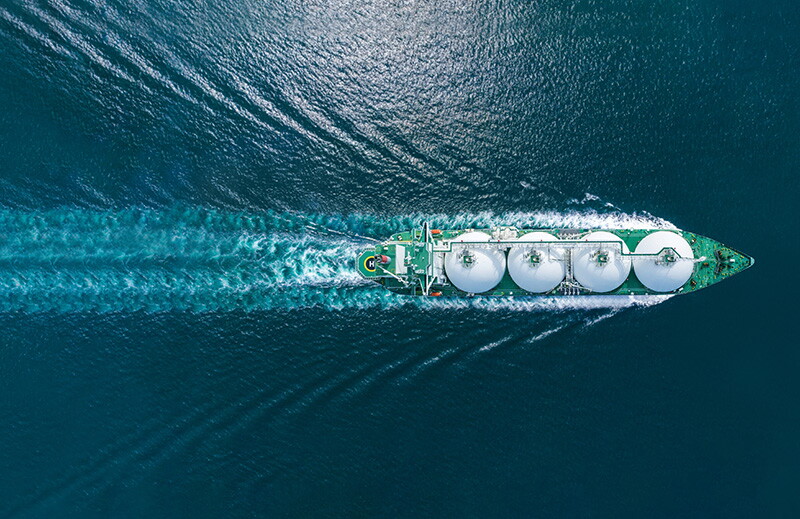
Pakistan's power sector absorbed another spot LNG cargo at $20.69/MMBtu on 16 July 2026 nearly double the cost of its long-term Qatari contracted volumes with the financial overhang compounding a foreign exchange crisis that has no domestic offset mechanism in place.
Pakistan LNG Limited (PLL), the state-owned procurement vehicle responsible for sourcing liquefied natural gas on behalf of Pakistan's power sector, accepted a bid from PetroChina International for a 140,000 cubic metre cargo for delivery on July 21–22. The competing offer from BP Singapore came in at $21.37/MMBtu $0.68 higher. PetroChina won on price. That $0.68/MMBtu differential is not a rounding error: on a 140,000 cbm cargo approximately 2.8 trillion British thermal units of energy it represents roughly $1.9 million in procurement savings for Pakistan. But the more important number is the baseline. Pakistan's long-term LNG contracts with Qatar, structured through agreements that price against a fraction of Japan Customs cleared crude (JCC) a benchmark linking LNG to oil prices deliver gas at approximately $10.50/MMBtu under current formula pricing. At $20.69, Pakistan is paying a spot premium of $10.19/MMBtu above that baseline.
The $10.19/MMBtu premium translates to concrete losses across Pakistan's power sector. A single 140,000 cbm cargo at $20.69 versus the $10.50 long-term baseline costs Pakistan approximately $28.5 million more than contracted supply would. PLL has now purchased four spot cargoes in July alone, with earlier procurement recorded at $16.73, $17.37, and $18.23/MMBtu for delivery windows around July 10–11 and July 15–16. The intra-month escalation is not random: it traces a 24% price increase across three weeks of procurement. If Pakistan continues purchasing at comparable frequency six spot cargoes since late February and spot prices hold near $18–21/MMBtu, the annualised incremental cost above long-term contract pricing exceeds $600 million per year. Pakistan's circular debt crisis in the power sector where distribution companies cannot recover costs from end-user tariffs in real time means this foreign exchange burden compounds without a domestic offset mechanism absorbing the shock.
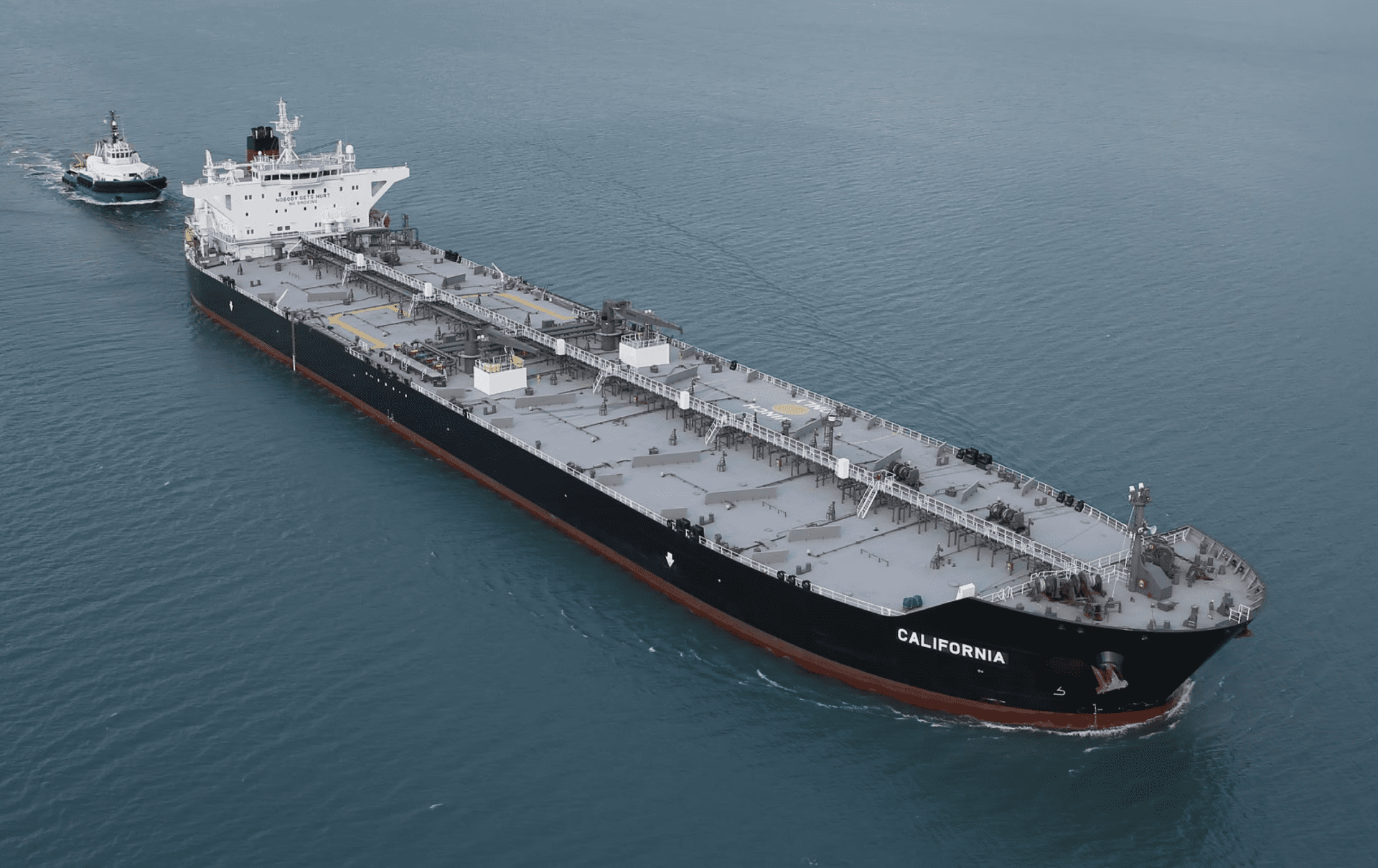
The physical supply chain behind each spot cargo matters to understanding where margin concentrates. LNG moves on specialised vessels typically Q-Flex or Q-Max class for Qatari volumes, or standard LNG carriers of 138,000–174,000 cbm for spot trades from liquefaction terminals to regasification facilities. Pakistan operates two floating storage and regasification units (FSRUs) at Karachi and Port Qasim vessels moored offshore that receive LNG, heat it back to gaseous form, and pipe it onshore. Regasification capacity at those two terminals is Pakistan's binding physical constraint. The country cannot simply purchase additional spot cargoes beyond what those FSRUs can process, and cannot add contracted long-term volume without either building new onshore regasification infrastructure a capital intensive, multi-year project or securing additional FSRUs, which are themselves in tight global supply. PLL's spot dependence is not a commercial preference. It is the product of contracted volumes insufficient to cover peak demand, with no infrastructure buffer in place.
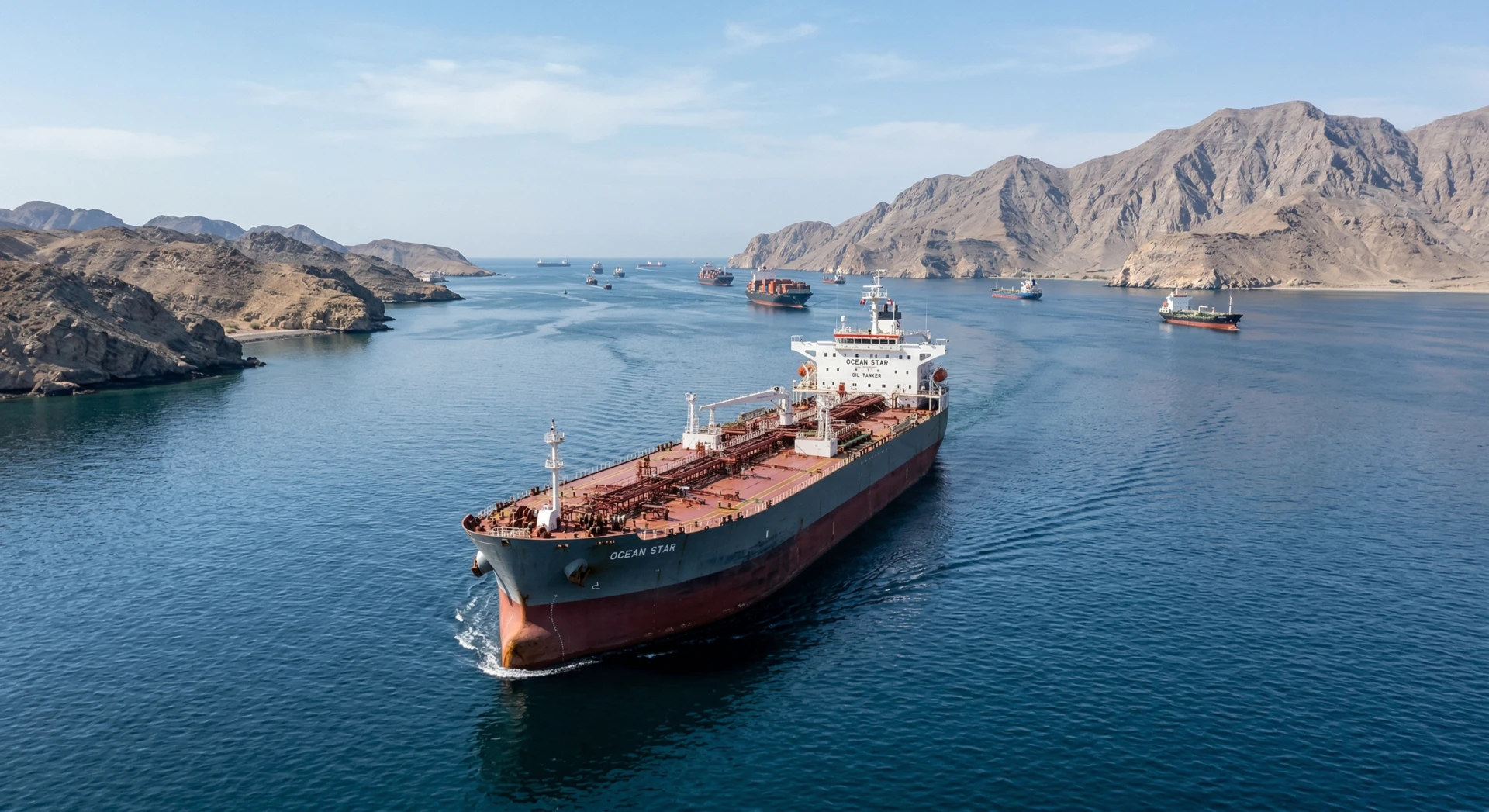
The freight dimension compounds the economics. Spot cargoes sourced from the Atlantic Basin the US Gulf Coast, Trinidad, or West African terminals travel approximately 11,000–13,000 nautical miles to Karachi, versus 1,200–1,500 nautical miles from Qatari terminals at Ras Laffan. According to reports, geopolitical tensions around the Strait of Hormuz have elevated risk premiums on Middle East routes. If Hormuz transit costs rise further, Atlantic Basin cargoes rerouted via the Cape of Good Hope add roughly 7,000 additional nautical miles and 15–20 extra sea days. At prevailing LNG carrier spot freight rates of approximately $40,000–60,000 per day, each additional 20 days at sea adds $800,000–$1.2 million per voyage in freight cost cost that the cargo seller builds into the delivered price or that the buyer absorbs in freight terms. PetroChina's success at $20.69 against BP Singapore's $21.37 suggests PetroChina holds a lower-cost sourcing position possibly Atlantic Basin or non-Hormuz Middle East origin that allows it to deliver competitively even at current freight levels.
On the sell side, PetroChina International captures the margin between its sourcing cost and the $20.69/MMBtu delivered price. The exact sourcing cost is undisclosed, but traders with long US Gulf LNG positions Henry Hub (the benchmark natural gas price at the Louisiana trading hub) plus liquefaction tolling fees of approximately $2.50–3.50/MMBtu, plus freight can source US LNG at approximately $8–10/MMBtu all-in at current Henry Hub pricing near $3.50/MMBtu. Delivered to Pakistan at $20.69, that implies a gross margin of $10–12/MMBtu before hedging and financing costs. Even with hedging costs of $0.50–1.00/MMBtu and financing, the net margin on a single cargo of this scale is likely $25–35 million. For a large integrated trader with derivatives access the ability to lock in supply costs via futures on the JKM (Japan Korea Marker, the benchmark Asian LNG spot price) or Henry Hub this trade is highly attractive. The risk-adjusted return on a well-hedged Atlantic to Pakistan arbitrage, at current spreads, is among the best available in global LNG markets.
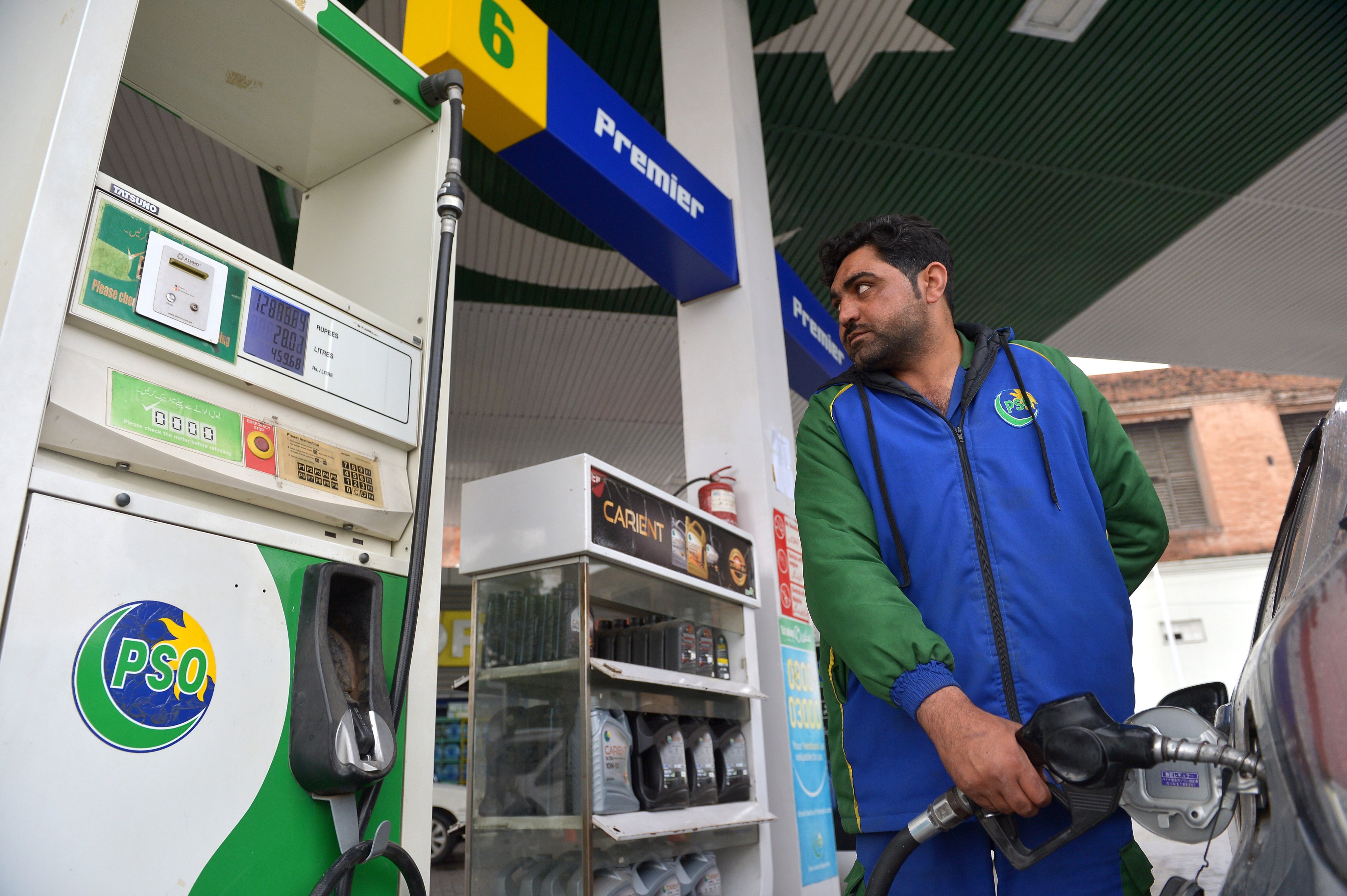
On the buy side, PLL's procurement desk faces a structurally constrained decision set. The entity is not choosing between spot and long-term contracts as a matter of commercial strategy it is filling a gap that long-term contracted volumes and domestic gas production cannot cover, in real time, against a deadline set by power sector dispatch requirements. Smaller regional operators face an even starker version of this constraint. A mid-sized South Asian power utility or industrial gas buyer without direct access to LNG derivatives instruments allowing price risk to be fixed in advance cannot hedge against the $16–21/MMBtu range now characterising Asia spot LNG. Their practical options are limited to bilateral fixed-price arrangements with trading counterparties willing to accept delivery risk, or demand curtailment. Pakistan's domestic industrial sector is already experiencing both: load-shedding (scheduled power cuts) continues in parts of the country, and energy-intensive industries have curtailed production rather than absorb fuel costs at spot-equivalent rates.
For large integrated traders and national oil company trading arms entities with global LNG portfolios, derivative access, and multiple liquefaction offtake agreements the Pakistan tender series represents a durable arbitrage window. The signal to watch is the JKM forward curve for August and September delivery. If JKM remains above $18/MMBtu, Pakistan will continue tendering at comparable prices, and Atlantic Basin long positions remain highly competitive into the subcontinent. For smaller regional operators a South Asian fuel importer, an independent power producer without sovereign procurement backing the practical equivalent is to fix delivered gas prices bilaterally with a trading counterparty for 60–90 day windows rather than re-tendering monthly, accepting a modest premium over current spot in exchange for price certainty. This does not solve the structural problem, but it reduces the volatility of input costs at a time when month on month price swings of 24% make budgeting impossible.
The signal to watch, with a 30 day horizon, is PLL's August tender activity. If PLL issues a fifth and sixth spot tender for August delivery consistent with the six-tender pattern since late February and clears above $20/MMBtu, the structural shift away from Qatari contracted volumes toward open spot procurement is no longer a July anomaly but an established procurement posture. The Platts JKM assessment for August delivery, published daily by S&P Global Commodity Insights, is the reference point: sustained JKM above $19/MMBtu into late July will confirm that the price environment driving Pakistan's spot costs is not easing. Conversely, any confirmed resumption of full Qatari LNG export volumes or a de-escalation of Hormuz transit risk, if reports of geopolitical tensions prove temporary would compress the Atlantic to Asia arbitrage sharply, reducing the competitive advantage currently held by non-Gulf suppliers. That compression would arrive within days in futures pricing, and within two to three weeks in delivered spot offers to buyers like PLL.


'%3e%3cg id='Final-Copy-2_2_' transform='translate(1275.000000, 200.000000)'%3e%3cpath class='st0' d='M7.4,12.8h6.8l3.1-11.6H7.4C4.2,1.2,1.6,3.8,1.6,7S4.2,12.8,7.4,12.8z'/%3e%3c/g%3e%3c/g%3e%3c/g%3e%3cg id='final---dec.11-2020'%3e%3cg id='_x30_208-our-toggle' transform='translate(-1275.000000, -200.000000)'%3e%3cg id='Final-Copy-2' transform='translate(1275.000000, 200.000000)'%3e%3cpath class='st1' d='M22.6,0H7.4c-3.9,0-7,3.1-7,7s3.1,7,7,7h15.2c3.9,0,7-3.1,7-7S26.4,0,22.6,0z M1.6,7c0-3.2,2.6-5.8,5.8-5.8 h9.9l-3.1,11.6H7.4C4.2,12.8,1.6,10.2,1.6,7z'/%3e%3cpath id='x' class='st2' d='M24.6,4c0.2,0.2,0.2,0.6,0,0.8l0,0L22.5,7l2.2,2.2c0.2,0.2,0.2,0.6,0,0.8c-0.2,0.2-0.6,0.2-0.8,0 l0,0l-2.2-2.2L19.5,10c-0.2,0.2-0.6,0.2-0.8,0c-0.2-0.2-0.2-0.6,0-0.8l0,0L20.8,7l-2.2-2.2c-0.2-0.2-0.2-0.6,0-0.8 c0.2-0.2,0.6-0.2,0.8,0l0,0l2.2,2.2L23.8,4C24,3.8,24.4,3.8,24.6,4z'/%3e%3cpath id='y' class='st3' d='M12.7,4.1c0.2,0.2,0.3,0.6,0.1,0.8l0,0L8.6,9.8C8.5,9.9,8.4,10,8.3,10c-0.2,0.1-0.5,0.1-0.7-0.1l0,0 L5.4,7.7c-0.2-0.2-0.2-0.6,0-0.8c0.2-0.2,0.6-0.2,0.8,0l0,0L8,8.6l3.8-4.5C12,3.9,12.4,3.9,12.7,4.1z'/%3e%3c/g%3e%3c/g%3e%3c/g%3e%3c/g%3e%3c/svg%3e) Privacy Choices
Privacy Choices