.avif)

Copper cathode traders face their largest operational squeeze in 20 years as refined copper deficit projections reach 600,000 tons for 2026 doubling from earlier forecasts. ING's refined copper balance for 2026 shows a deficit of around 600kt, following a deficit of around 200kt in 2025. For mid-sized cathode importers regional distributors, fabrication shops, electrical contractors operating on 30-90 day inventory cycles, the shortage translates directly to procurement cost increases of $440/MT as LME contracts hit near record levels. The arithmetic is unforgiving: a 50,000 tonne annual consumer now faces an additional $22 million in input costs.
The deficit emerges from a collision between accelerating demand and supply chain breakdown. J.P. Morgan estimates data centers will siphon approximately 475,000 metric tons of copper in 2026, compared to 110,000 tons in 2025 a fourfold increase driven by AI infrastructure buildout. New hyperscale AI facilities housing advanced, power dense systems like Nvidia's HGX, require up to 50,000 tons each. A single hyperscale data center consumes the equivalent copper of a mid-sized city's power grid, creating inelastic demand that price sensitivity cannot moderate. This demand layer sits atop traditional consumption from power grids, electric vehicles, and renewable energy infrastructure sectors already copper intensive and growing rapidly.
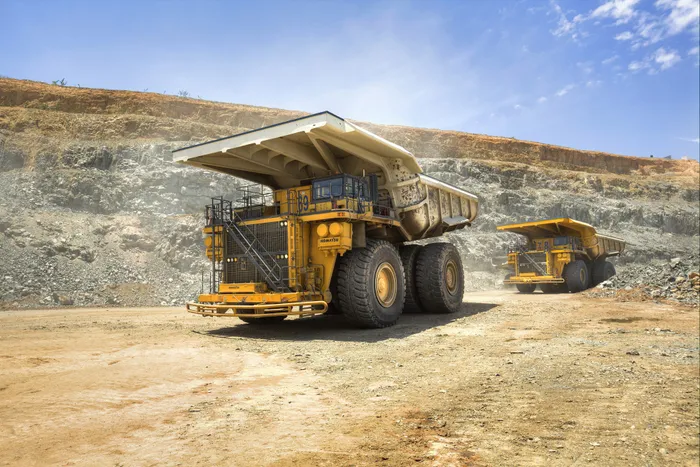
Supply constraints compound the imbalance through multiple failure points across the production chain. Freeport's declaration of force majeure at its giant Grasberg mine in Indonesia removes 4% of global production, with Grasberg's individual output dropping by approximately 260,000 tons in 2025 and 270,000 in 2026. Simultaneously, Chile, the world's largest copper producer, reported its weakest April output in 23 years, driven by declining ore grades that have dropped from 1-2% to below 0.7% across major operations. The structural problem: global ore grades continue deteriorating by 2-3% annually, forcing miners to process exponentially more material for equivalent copper output.
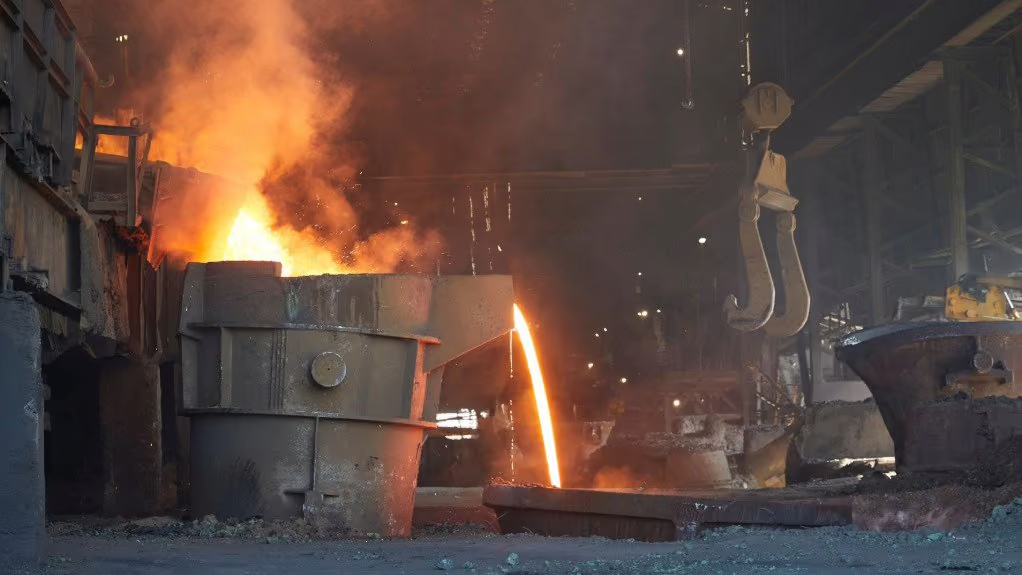
Refining capacity bottlenecks intensify the shortage beyond mine level disruptions. Refined production growth forecast collapses to 0.9% in 2026 as concentrate availability becomes a bottleneck. China's recent halt of sulfuric acid exports essential for copper smelting processes immediately affects 15% of global copper production. For smelters operating at 85-90% capacity utilization, securing alternative sulfuric acid supplies requires 18-24 months lead time and adds $120-140/MT to processing costs. These input disruptions cannot be resolved through higher copper prices alone; they require physical infrastructure rebuilds that span multiple years.
On the buy side: Large integrated traders Trafigura, Glencore, major mining houses' trading arms gain margin through inventory revaluation and term structure positioning. Physical copper stockists see immediate windfall gains of $440/MT on existing inventory, while warehouse operators benefit from tight supply conditions driving premium expansions. For these operators, the deficit creates profit opportunities through strategic stockpiling and regional arbitrage, particularly exploiting the Shanghai LME price differential that has narrowed as Chinese demand intensifies despite domestic economic softness.
On the sell side: Copper producers with fixed-price contracts face margin erosion despite higher spot prices. Power cable manufacturers lose 200-300 basis points on margins as 7% input cost spikes cannot be passed through existing contract structures. Mid-sized electrical contractors face procurement crises a regional contractor requiring 2,000 tons annually now confronts an additional $880,000 in material costs without corresponding price adjustments in construction contracts. Small-scale fabricators operating on thin margins experience immediate working capital pressure as spot purchases eliminate previous hedging strategies.
For large integrated operators with derivatives access: LME three month contracts provide hedging instruments, but backwardation where near-term prices exceed forward prices signals physical tightness that derivatives cannot resolve. Current backwardation of $26.50/MT between cash and three month contracts indicates spot premiums will persist. Sophisticated players deploy spread strategies, buying physical inventory while selling forward contracts to lock in the time premium. Capital requirements are substantial hedging 100,000 tons requires approximately $14 million in margin posting, limiting access to well-capitalized operators.
For smaller regional operators independent distributors, regional cooperatives, mid-market fabricators without derivatives access: Bilateral supply agreements become critical survival tools. Forward purchasing commitments with miners or primary smelters, typically 12-18 month contracts with quarterly price adjustments, provide supply security but require upfront capital commitments. Alternative strategies include diversifying supplier base across geographic regions, maintaining higher inventory levels despite carrying costs, and developing relationships with secondary copper suppliers including scrap dealers and recyclers.
Market observers should monitor the Shanghai Copper Futures (SHFE) versus LME spread monthly through Q4 2026. Historical arbitrage patterns indicate Chinese demand strength when SHFE trades at premiums exceeding $200/MT to LME, it signals domestic Chinese demand overwhelming typical import flows. Secondary indicators include COMEX warehouse stock levels, which have reached record highs of 453,000 tons due to tariff related stockpiling any reversal indicates policy changes or arbitrage opportunities. The US commerce secretary is expected to make a recommendation on copper tariffs to the White House by June 2026, with potential 25% tariff implementation creating additional supply distortions.





'%3e%3cg id='Final-Copy-2_2_' transform='translate(1275.000000, 200.000000)'%3e%3cpath class='st0' d='M7.4,12.8h6.8l3.1-11.6H7.4C4.2,1.2,1.6,3.8,1.6,7S4.2,12.8,7.4,12.8z'/%3e%3c/g%3e%3c/g%3e%3c/g%3e%3cg id='final---dec.11-2020'%3e%3cg id='_x30_208-our-toggle' transform='translate(-1275.000000, -200.000000)'%3e%3cg id='Final-Copy-2' transform='translate(1275.000000, 200.000000)'%3e%3cpath class='st1' d='M22.6,0H7.4c-3.9,0-7,3.1-7,7s3.1,7,7,7h15.2c3.9,0,7-3.1,7-7S26.4,0,22.6,0z M1.6,7c0-3.2,2.6-5.8,5.8-5.8 h9.9l-3.1,11.6H7.4C4.2,12.8,1.6,10.2,1.6,7z'/%3e%3cpath id='x' class='st2' d='M24.6,4c0.2,0.2,0.2,0.6,0,0.8l0,0L22.5,7l2.2,2.2c0.2,0.2,0.2,0.6,0,0.8c-0.2,0.2-0.6,0.2-0.8,0 l0,0l-2.2-2.2L19.5,10c-0.2,0.2-0.6,0.2-0.8,0c-0.2-0.2-0.2-0.6,0-0.8l0,0L20.8,7l-2.2-2.2c-0.2-0.2-0.2-0.6,0-0.8 c0.2-0.2,0.6-0.2,0.8,0l0,0l2.2,2.2L23.8,4C24,3.8,24.4,3.8,24.6,4z'/%3e%3cpath id='y' class='st3' d='M12.7,4.1c0.2,0.2,0.3,0.6,0.1,0.8l0,0L8.6,9.8C8.5,9.9,8.4,10,8.3,10c-0.2,0.1-0.5,0.1-0.7-0.1l0,0 L5.4,7.7c-0.2-0.2-0.2-0.6,0-0.8c0.2-0.2,0.6-0.2,0.8,0l0,0L8,8.6l3.8-4.5C12,3.9,12.4,3.9,12.7,4.1z'/%3e%3c/g%3e%3c/g%3e%3c/g%3e%3c/g%3e%3c/svg%3e) Privacy Choices
Privacy Choices