.avif)
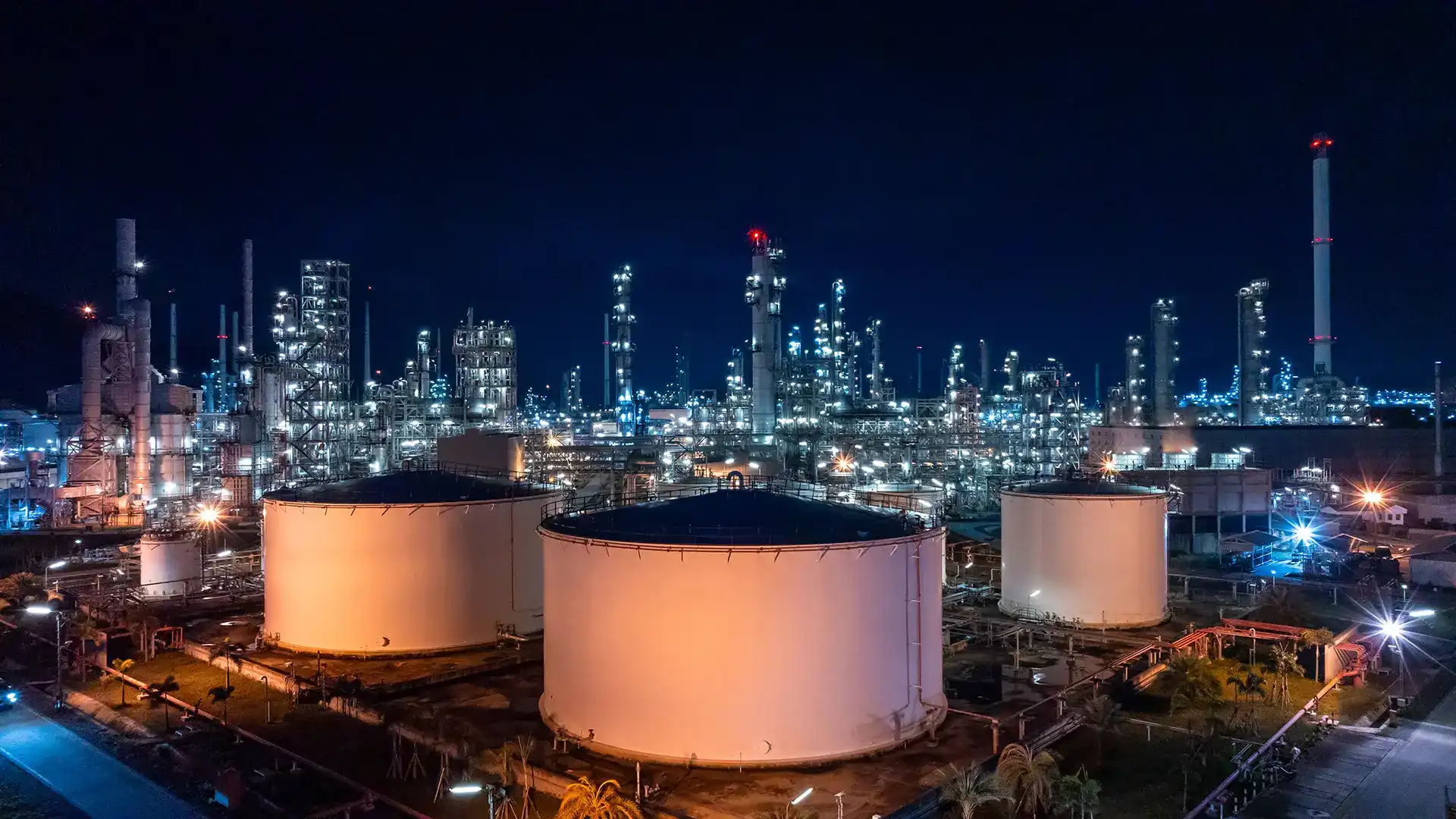
Independent refiners across the Atlantic Basin are capturing diesel refinery margins at their highest levels all year, with spreads reaching 85 cents per gallon — a dramatic widening that translates directly to their bottom line. For a mid-sized U.S. Gulf Coast refinery processing 150,000 barrels per day of crude oil into diesel, the margin expansion from typical levels of 25-30 cents per gallon to current heights represents approximately $18-25 million in additional monthly gross profit. This windfall comes as Brent crude trades near $95 per barrel and global oil flows through the Strait of Hormuz have plunged from 20 million barrels per day to just over 2 million barrels per day. The margin expansion is not temporary volatility — it represents a structural realignment of global refinery economics triggered by geopolitical supply disruption.
The Strait of Hormuz — the 34-kilometre-wide waterway through which roughly 20% of global oil and petroleum products flow daily — has become the fulcrum determining where refinery margins concentrate. A crack spread — the difference between the price of a refined product and its crude oil feedstock — is the primary measure of refinery profitability. It captures both the value refiners add through processing and the supply-demand balance for specific products. Diesel crack spreads specifically reflect refinery margins by subtracting the spot price of crude oil from the price of diesel fuel on a per-gallon basis. When spreads widen dramatically, as they have since late October, refiners who can secure crude oil feedstock and maintain operational capacity capture immediate profit expansion.
On the buy side: European diesel importers face supply shortages as Middle East refinery capacity of nearly 3 million barrels per day has shut due to attacks and lack of viable export outlets. A typical German fuel distribution cooperative that sources 40% of its diesel from Middle Eastern refineries now pays a $30-40 per barrel premium over pre-crisis levels to secure replacement supplies. For a distributor moving 50,000 metric tonnes monthly, this premium adds $12-16 million to procurement costs — a burden passed directly to commercial and retail customers.
On the sell side: U.S. Gulf Coast refiners with operational flexibility have pivoted to maximize diesel production. Alternative export routes from the west coast of Saudi Arabia and UAE's Fujairah port have increased from 3.9 million barrels per day in February to 6.4 million barrels per day, but this cannot replace Hormuz flows. For integrated refiners like Phillips 66 or Valero with Gulf Coast assets, the ability to switch crude slates and adjust product yields allows them to capture the full margin expansion while competitors struggle with supply chain disruption.
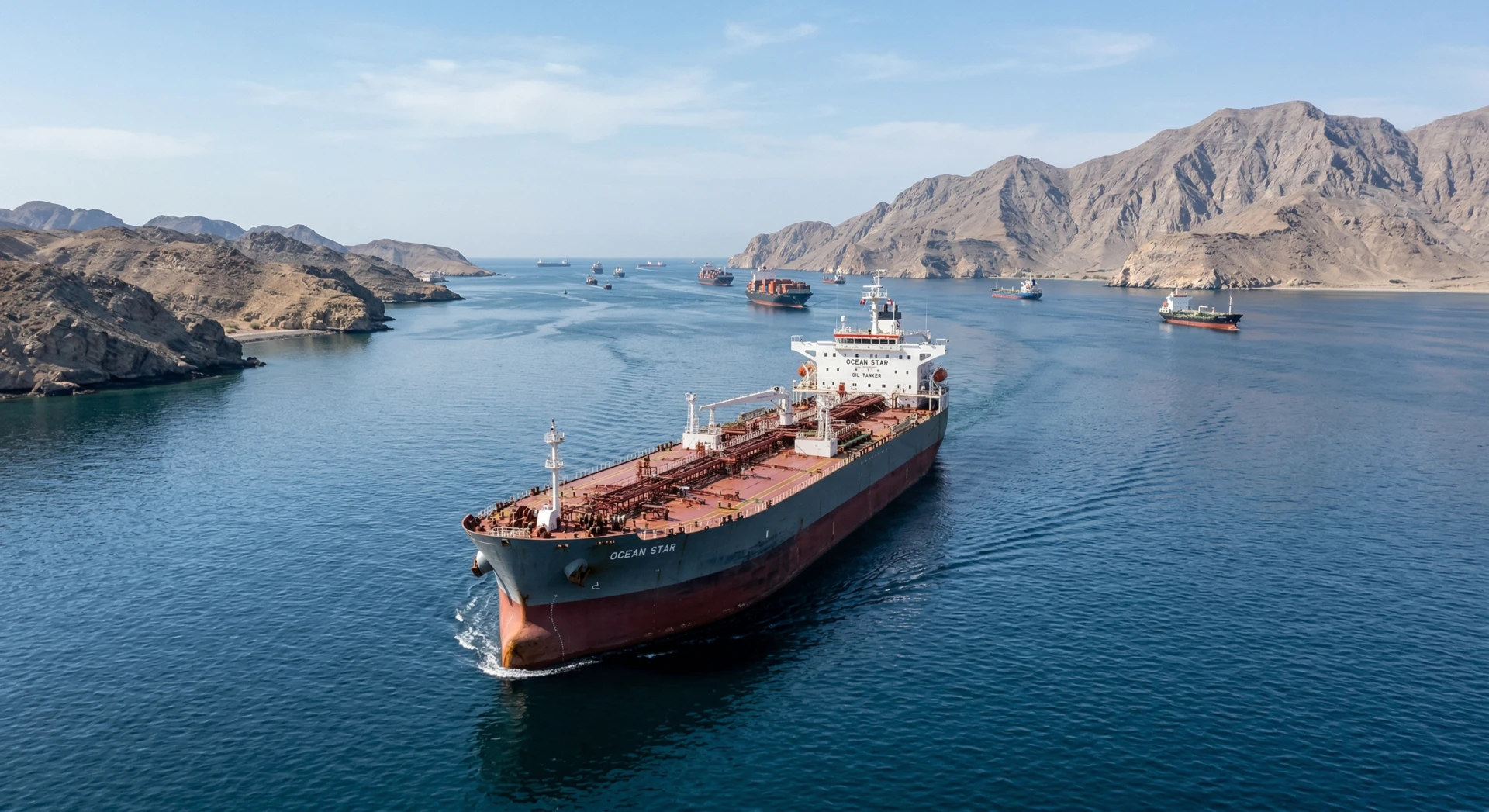
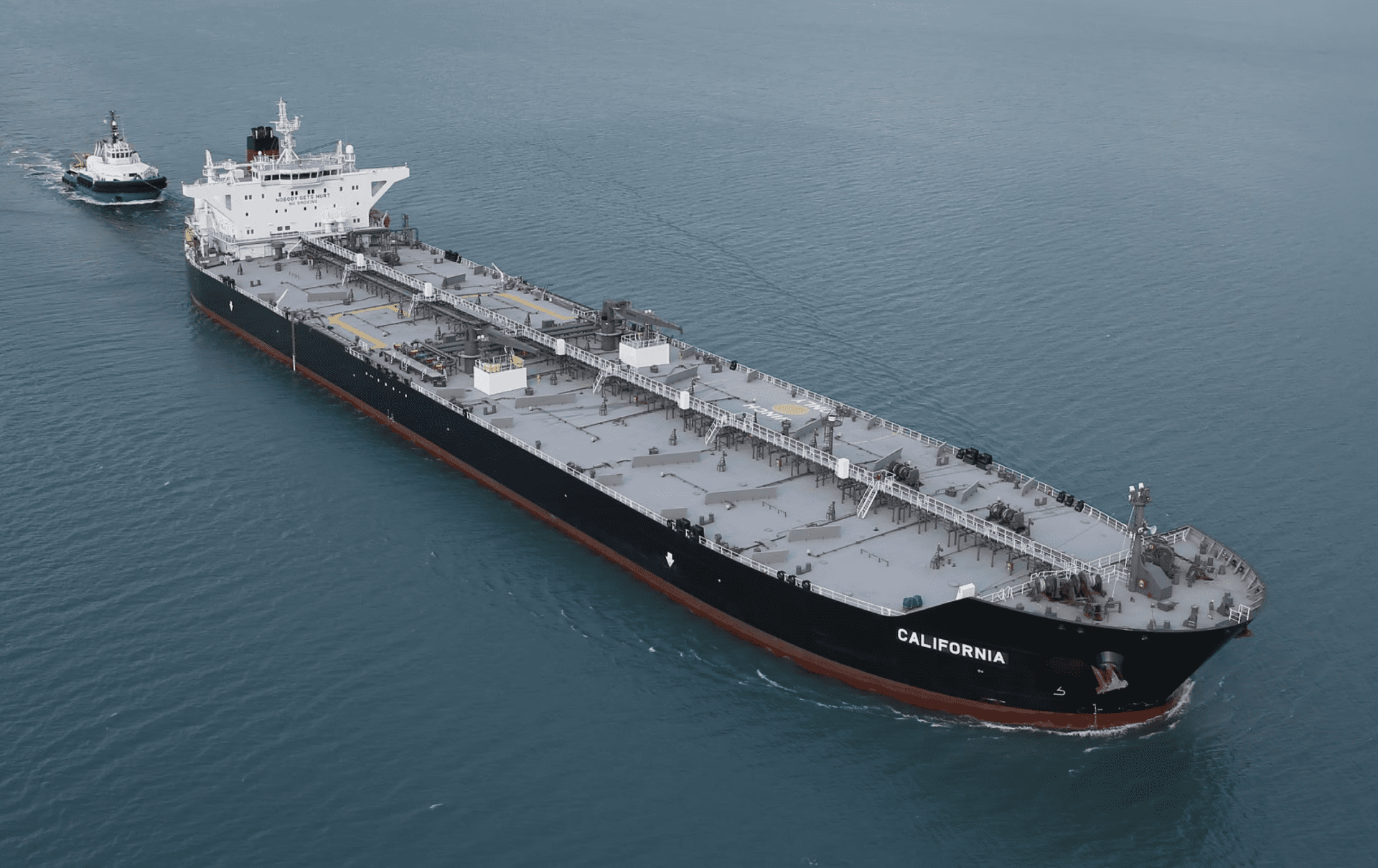
The disruption has reduced global LNG supply by approximately 20%, with natural gas prices in Asian markets rising sharply to attract more cargoes. Freight rates for petroleum products have exploded as vessel operators demand war risk premiums and insurance costs surge. A Medium Range tanker carrying 35,000 tonnes of diesel from the U.S. Gulf Coast to Amsterdam now commands $55-65 per tonne, compared to $18-25 per tonne before the crisis. This freight premium — approximately $1.4 million per voyage — accrues entirely to shipowners and charterers, not cargo owners. For refiners, the economics depend entirely on who controls the vessel: integrated operators with their own shipping arms capture both refinery margins and freight premiums, while independents see margin compression from elevated transport costs.
For large integrated oil companies — ExxonMobil's downstream operations, TotalEnergies' refining network, or national oil companies with trading arms — the crisis offers multiple profit centers. They can hedge diesel crack spreads through NYMEX Ultra Low Sulfur Diesel futures, lock in freight rates through forward freight agreements, and optimize crude sourcing through their global supply networks. If the strait remains closed for a second month, global energy markets will evolve into a fight for supplies, with oil prices potentially surging to $200 per barrel. Large players with derivatives access can position for continued price escalation while smaller operators remain exposed.
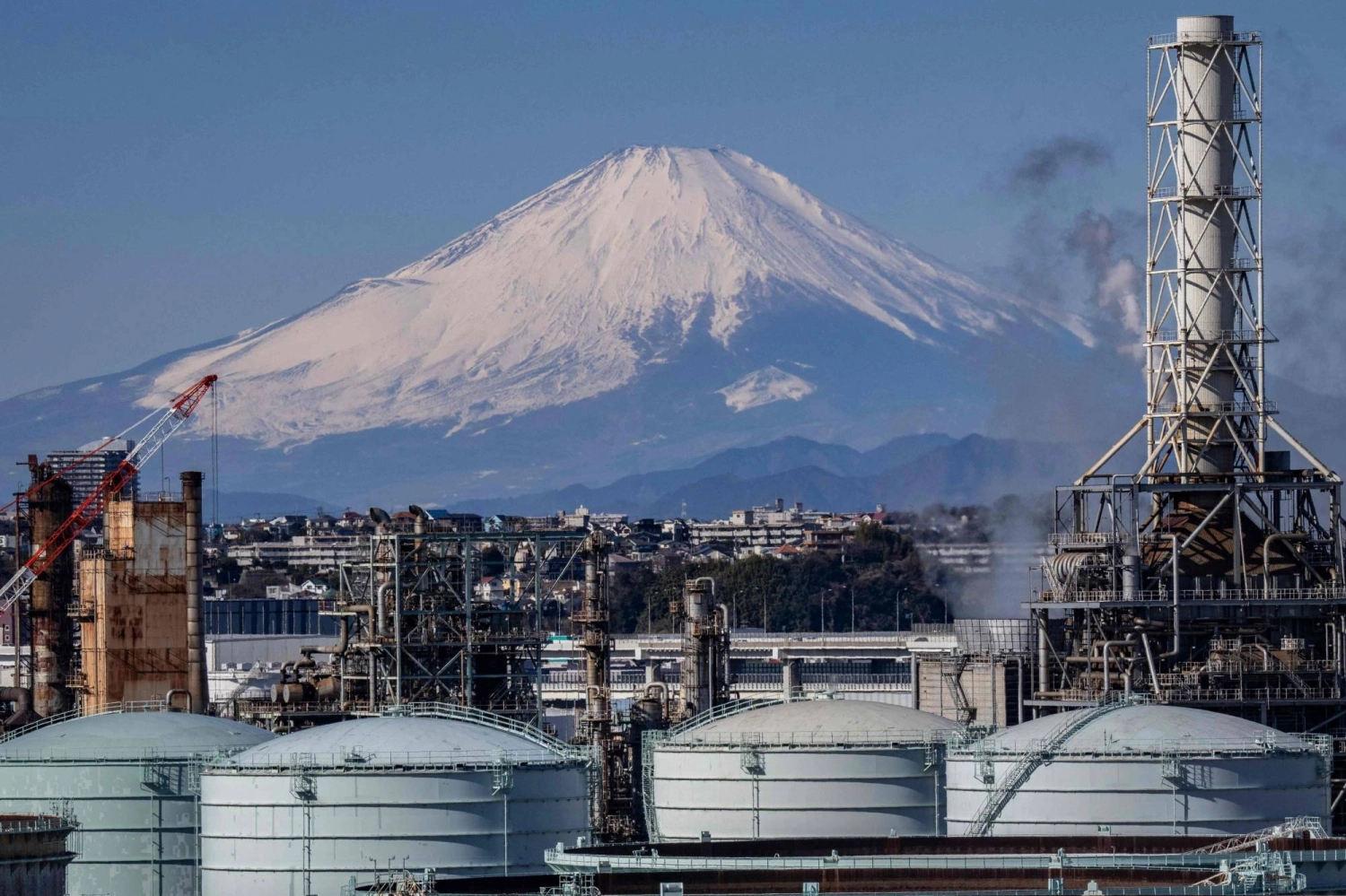
For smaller regional refiners — independent fuel processors, regional cooperatives, single-asset operators — protection comes through operational agility rather than financial instruments. With about 1 million barrels per day of refining capacity in Europe and the United States expected to permanently shut down due to weak profits, the remaining operational assets gain scarcity value. Regional operators maximize margins by running at peak utilization, switching to higher-value product slates, and establishing direct supply relationships with crude producers outside the Middle East. The International Energy Agency expects diesel demand to expand by 95,000 barrels per day next year, meaning supply tightness supports sustained margin elevation.
Saudi Arabia increasingly diverts oil to the Red Sea port of Yanbu via the East-West pipeline, while UAE routes crude through the Abu Dhabi pipeline to Fujairah, and Iraq uses the Kirkuk-Ceyhan pipeline to the Mediterranean. The combined capacity of these bypass routes is about 9 million barrels per day — less than half of normal Hormuz flows of roughly 20 million barrels per day. This permanent supply route realignment creates structural advantages for refiners positioned to access alternative supply sources, particularly those with Mediterranean or U.S. Gulf Coast locations that can capture rerouted barrels.
Europe faces diesel scarcity pricing within coming weeks if the Strait of Hormuz is not reopened, with supply shortages particularly acute given diesel's role as the lifeblood of the global economy. The shift represents more than short-term supply disruption — it marks a structural change in global diesel trade flows. European Union sanctions against Russian refineries in Turkey and India that process discounted Russian crude for export to Europe have further tightened diesel supply, while refinery maintenance season compounds the shortage.
Traders and intermediaries concentrate margin in the arbitrage between supply regions and demand centers. OPEC spare capacity of approximately 4-5 million barrels per day cannot bridge the remaining supply gap under any realistic scenario. The Trans-Atlantic diesel arbitrage — shipping from U.S. Gulf Coast to Amsterdam-Rotterdam-Antwerp — now trades at $40-50 per metric tonne versus typical levels of $8-15 per metric tonne. For trading houses with vessel positions and storage infrastructure, each cargo generates $1.4-1.75 million in pure arbitrage profit before operational costs.
For observers: The EIA forecasts diesel prices to peak at more than $5.80 per gallon in April, providing a specific time-bound marker for maximum price impact. Monitor the Brent-Dubai spread — the price difference between North Sea and Middle East crude oil — which determines whether Atlantic Basin oil can economically reach Asian refineries. The Brent-WTI spread is forecast to peak at $15 per barrel in April when production disruptions are largest, falling to $9 per barrel in Q3 2026 and $4 per barrel by Q4 2026. When this spread normalizes to historical ranges of $2-5 per barrel, it signals that global supply flows are returning to pre-crisis patterns and refinery margin expansion will begin to moderate.

.jpg)

'%3e%3cg id='Final-Copy-2_2_' transform='translate(1275.000000, 200.000000)'%3e%3cpath class='st0' d='M7.4,12.8h6.8l3.1-11.6H7.4C4.2,1.2,1.6,3.8,1.6,7S4.2,12.8,7.4,12.8z'/%3e%3c/g%3e%3c/g%3e%3c/g%3e%3cg id='final---dec.11-2020'%3e%3cg id='_x30_208-our-toggle' transform='translate(-1275.000000, -200.000000)'%3e%3cg id='Final-Copy-2' transform='translate(1275.000000, 200.000000)'%3e%3cpath class='st1' d='M22.6,0H7.4c-3.9,0-7,3.1-7,7s3.1,7,7,7h15.2c3.9,0,7-3.1,7-7S26.4,0,22.6,0z M1.6,7c0-3.2,2.6-5.8,5.8-5.8 h9.9l-3.1,11.6H7.4C4.2,12.8,1.6,10.2,1.6,7z'/%3e%3cpath id='x' class='st2' d='M24.6,4c0.2,0.2,0.2,0.6,0,0.8l0,0L22.5,7l2.2,2.2c0.2,0.2,0.2,0.6,0,0.8c-0.2,0.2-0.6,0.2-0.8,0 l0,0l-2.2-2.2L19.5,10c-0.2,0.2-0.6,0.2-0.8,0c-0.2-0.2-0.2-0.6,0-0.8l0,0L20.8,7l-2.2-2.2c-0.2-0.2-0.2-0.6,0-0.8 c0.2-0.2,0.6-0.2,0.8,0l0,0l2.2,2.2L23.8,4C24,3.8,24.4,3.8,24.6,4z'/%3e%3cpath id='y' class='st3' d='M12.7,4.1c0.2,0.2,0.3,0.6,0.1,0.8l0,0L8.6,9.8C8.5,9.9,8.4,10,8.3,10c-0.2,0.1-0.5,0.1-0.7-0.1l0,0 L5.4,7.7c-0.2-0.2-0.2-0.6,0-0.8c0.2-0.2,0.6-0.2,0.8,0l0,0L8,8.6l3.8-4.5C12,3.9,12.4,3.9,12.7,4.1z'/%3e%3c/g%3e%3c/g%3e%3c/g%3e%3c/g%3e%3c/svg%3e) Privacy Choices
Privacy Choices