.avif)
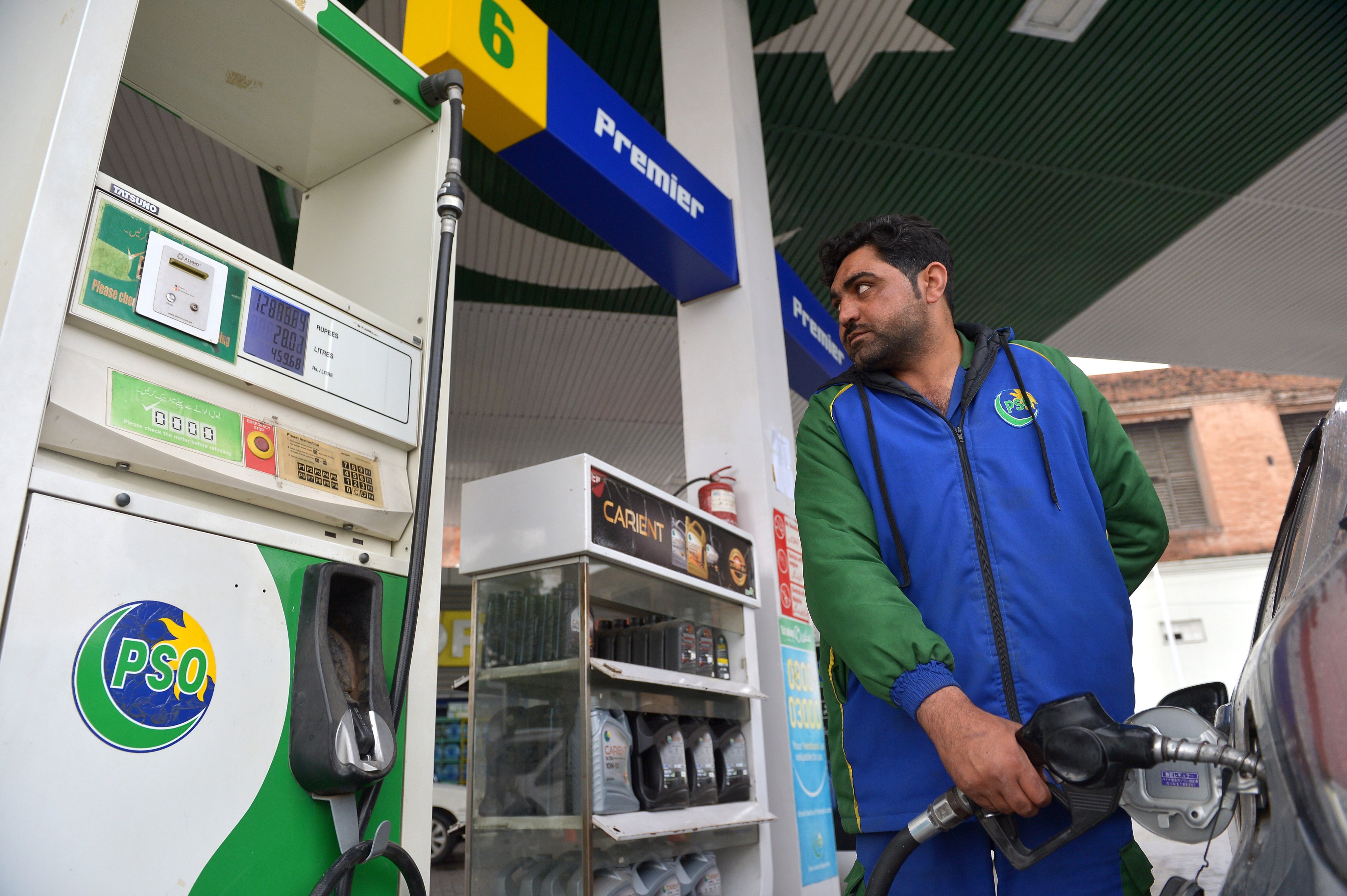
Indian oil marketing companies (OMCs) face margin destruction of Rs 24/litre on petrol and Rs 30/litre on diesel, forcing government intervention through a Rs 10/litre excise duty cut that only partially stemps losses. State-owned retailers like Indian Oil Corporation, Bharat Petroleum, and Hindustan Petroleum cannot pass international price spikes to consumers due to government-controlled retail pricing — a political necessity during inflationary periods. The margin anatomy reveals complete inversion: Brent crude above $85/barrel drives refinery gate prices up Rs 20-25/litre while pump prices remain frozen, creating a structural loss on every litre sold. The Rs 10 excise relief covers one-third of diesel losses, leaving OMCs dependent on government compensation mechanisms that historically arrive with 2-3 quarter delays. For integrated refiners with upstream assets, the losses at retail partially offset higher upstream revenues, but pure marketing companies face immediate cash flow stress.
The government's fiscal calculus shows the trade-off between consumer subsidy and revenue collection. Pre-crisis, fuel excise duties contributed Rs 3.7 lakh crore annually to the central treasury — roughly 15% of total tax receipts. The Rs 10/litre cut reduces collections by an estimated Rs 50,000-60,000 crore annually, assuming current consumption of 85 million tonnes diesel and 35 million tonnes petrol. ICRA Limited warns this revenue hit compounds with higher subsidy payouts for LPG (liquefied petroleum gas) — cooking fuel subsidized for 290 million households — and fertilizer support rising with international urea and phosphate prices. The agency projects total energy-related subsidies could breach Rs 2 lakh crore, compared to Rs 1.4 lakh crore budgeted, forcing drawdowns from the Economic Stabilisation Fund or supplementary spending approvals that test the 4.5% GDP deficit target.
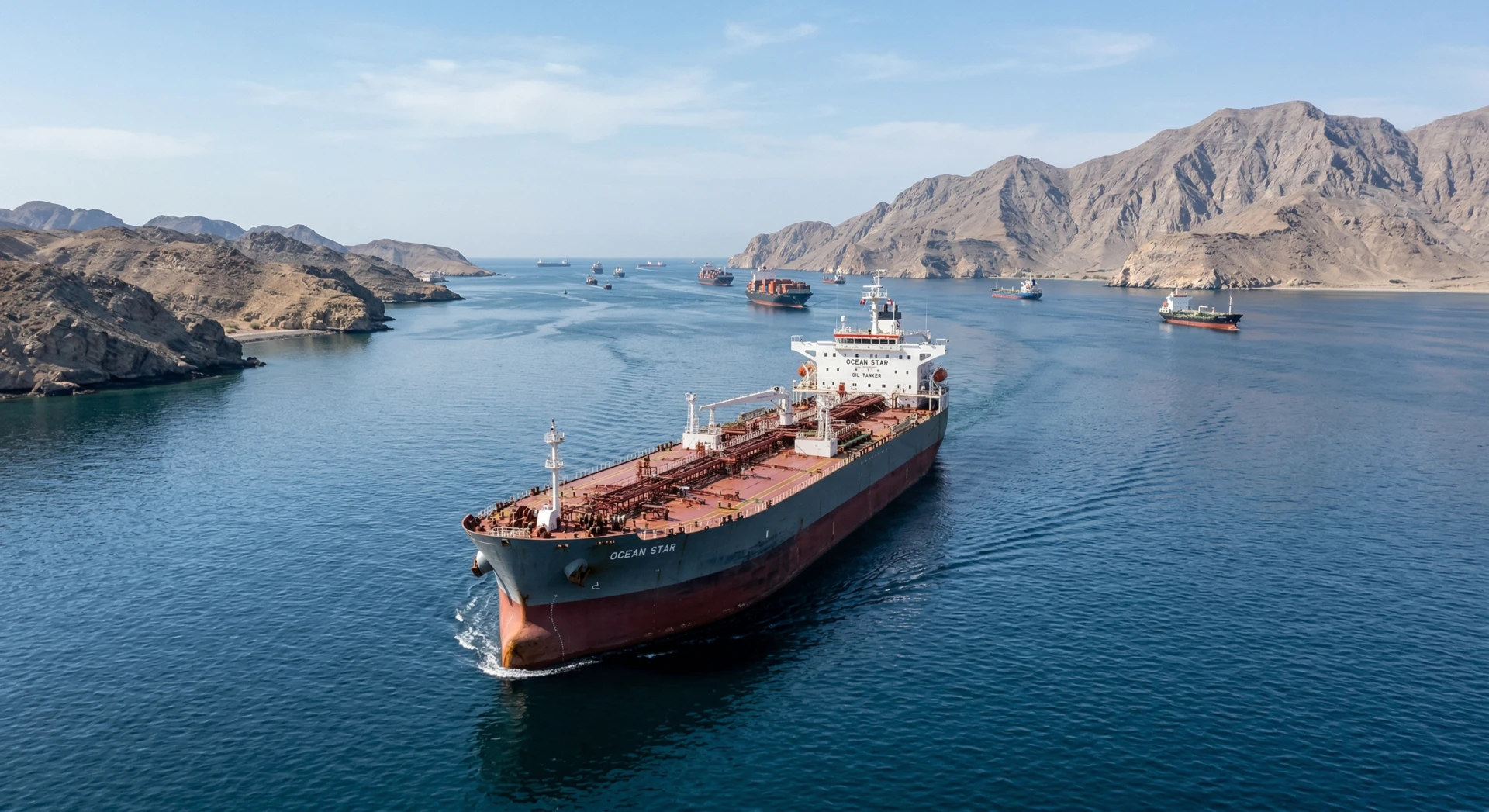
On the buy side, OMCs face impossible procurement mathematics. A diesel import cargo from the Middle East costs $95-100/barrel equivalent at current Dubai crude prices, plus $8-12/barrel for refining margins, transportation, and port handling. This delivers diesel at Rs 82-85/litre to Indian refineries before distribution costs and dealer margins. With retail prices capped at Rs 89-90/litre in major cities, every transaction generates losses that accumulate to hundreds of crores daily across the three major OMCs. Working capital requirements spike as companies finance inventory losses, creating funding stress that rating agencies monitor closely. The government's under-recovery compensation — the euphemism for subsidy payments — typically flows quarterly, forcing OMCs to bridge with commercial borrowing at 8-9% interest rates.
On the sell side, independent fuel retailers and dealer networks benefit from stable margins guaranteed by OMC supply agreements, while bulk industrial customers secure below-market diesel for transportation and power generation. Regional LPG distributors maintain allocation relationships with OMCs that deliver cooking gas cylinders at subsidized rates to eligible households, earning fixed commissions regardless of international propane prices. Private refiners like Reliance Industries gain competitive advantage as their retail networks can theoretically adjust prices faster than state-owned competitors, though political pressure limits this flexibility. International suppliers benefit from sustained Indian demand despite margin compression, as OMCs cannot reduce imports when domestic production covers only 15% of consumption.
Large integrated operators with derivatives access can hedge crude exposure through Brent futures on ICE or Dubai swaps on the Dubai Mercantile Exchange, locking in costs 2-3 months forward. Trafigura and Vitol-scale traders profit from volatility through contango structures — where forward prices exceed spot prices — by storing product during price spikes and selling into future demand. Their access to credit lines worth billions enables inventory plays that smaller operators cannot execute. These majors also benefit from relationship capital with Middle Eastern national oil companies, securing term contracts with price formulas that smooth monthly variations compared to spot purchases.
Mid-tier importers without derivatives access face binary choices: accept current market prices and losses, or reduce import volumes and risk supply shortages. Regional distributors diversify supplier relationships across OMCs and private refiners to maintain allocation access, while independent petrol pump operators negotiate longer payment terms with suppliers to manage cash flow during margin compression. Smaller operators depend on government policy predictability — the timing and magnitude of subsidy support — more than market fundamentals, as they lack financial buffers to absorb extended loss periods. Their survival depends on maintaining dealer agreements that guarantee fuel supply regardless of international price volatility.
The forward signal centers on government fiscal capacity and political willingness to sustain energy subsidies through a potential extended crisis. Watch Indian government bond yields and rupee stability as markers of fiscal stress tolerance. If 10-year government securities breach 7.5% or the rupee weakens beyond 84/$, expect accelerated fuel price adjustments despite political costs. OMC working capital borrowings from banks provide real-time stress indicators — current levels above Rs 1 lakh crore signal unsustainable subsidy delays. The International Monetary Fund's Article IV consultation due in Q2 2024 will assess India's fiscal sustainability with higher energy subsidies, potentially forcing policy recalibration. Crude oil's technical levels remain critical: sustained Brent above $90/barrel makes current subsidy mathematics impossible, while a decline below $80/barrel provides breathing room for gradual price adjustments without political backlash.
.jpg)

'%3e%3cg id='Final-Copy-2_2_' transform='translate(1275.000000, 200.000000)'%3e%3cpath class='st0' d='M7.4,12.8h6.8l3.1-11.6H7.4C4.2,1.2,1.6,3.8,1.6,7S4.2,12.8,7.4,12.8z'/%3e%3c/g%3e%3c/g%3e%3c/g%3e%3cg id='final---dec.11-2020'%3e%3cg id='_x30_208-our-toggle' transform='translate(-1275.000000, -200.000000)'%3e%3cg id='Final-Copy-2' transform='translate(1275.000000, 200.000000)'%3e%3cpath class='st1' d='M22.6,0H7.4c-3.9,0-7,3.1-7,7s3.1,7,7,7h15.2c3.9,0,7-3.1,7-7S26.4,0,22.6,0z M1.6,7c0-3.2,2.6-5.8,5.8-5.8 h9.9l-3.1,11.6H7.4C4.2,12.8,1.6,10.2,1.6,7z'/%3e%3cpath id='x' class='st2' d='M24.6,4c0.2,0.2,0.2,0.6,0,0.8l0,0L22.5,7l2.2,2.2c0.2,0.2,0.2,0.6,0,0.8c-0.2,0.2-0.6,0.2-0.8,0 l0,0l-2.2-2.2L19.5,10c-0.2,0.2-0.6,0.2-0.8,0c-0.2-0.2-0.2-0.6,0-0.8l0,0L20.8,7l-2.2-2.2c-0.2-0.2-0.2-0.6,0-0.8 c0.2-0.2,0.6-0.2,0.8,0l0,0l2.2,2.2L23.8,4C24,3.8,24.4,3.8,24.6,4z'/%3e%3cpath id='y' class='st3' d='M12.7,4.1c0.2,0.2,0.3,0.6,0.1,0.8l0,0L8.6,9.8C8.5,9.9,8.4,10,8.3,10c-0.2,0.1-0.5,0.1-0.7-0.1l0,0 L5.4,7.7c-0.2-0.2-0.2-0.6,0-0.8c0.2-0.2,0.6-0.2,0.8,0l0,0L8,8.6l3.8-4.5C12,3.9,12.4,3.9,12.7,4.1z'/%3e%3c/g%3e%3c/g%3e%3c/g%3e%3c/g%3e%3c/svg%3e) Privacy Choices
Privacy Choices