.avif)
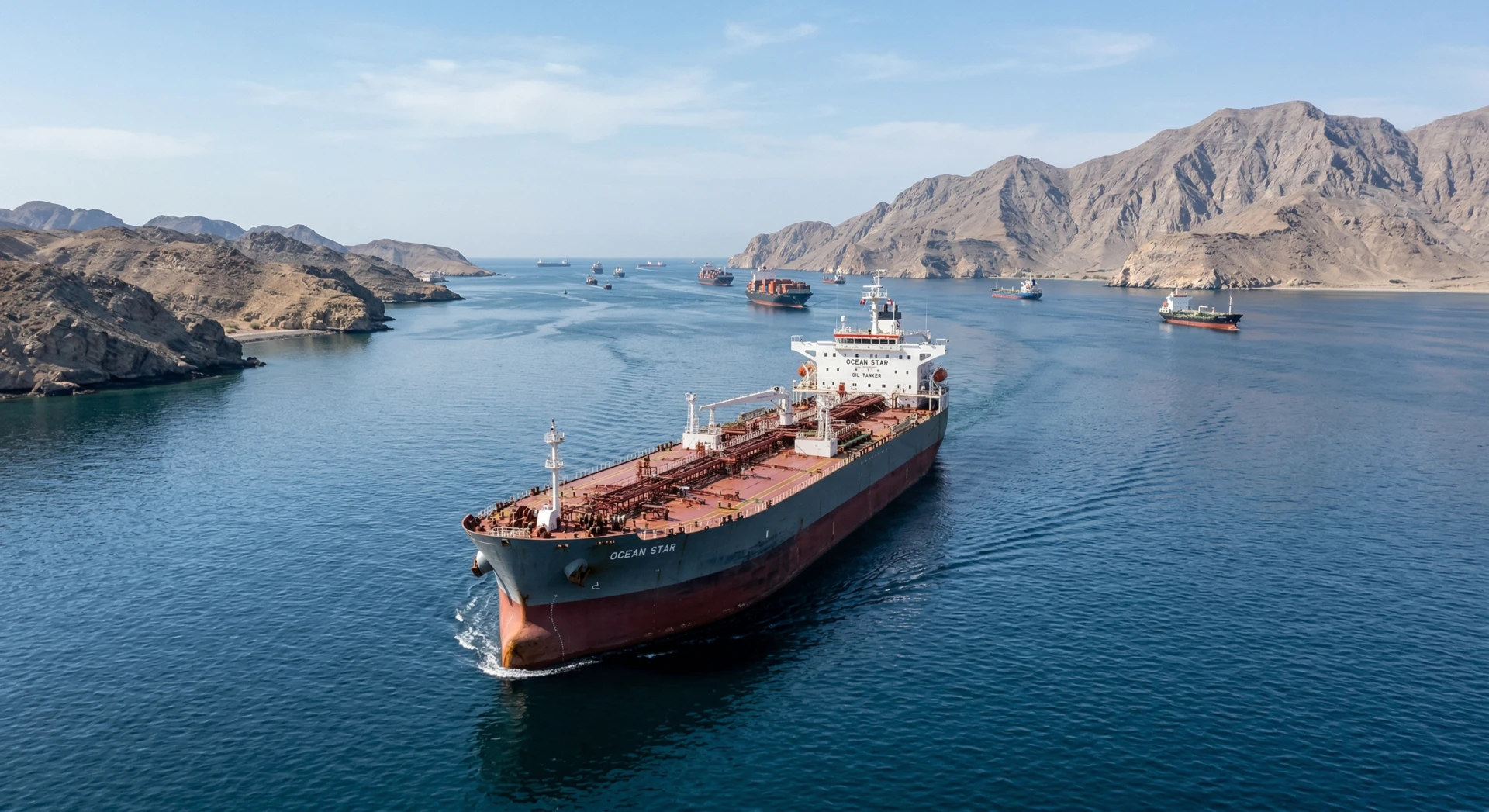
Very Large Crude Carriers (VLCCs) operating outside the Persian Gulf captured an immediate 18% freight rate premium within 24 hours of Iran's threat to close the Strait of Hormuz, pushing dayrates on non-Gulf routes into windfall territory at $15,000–25,000 above baseline levels. Asian refiners simultaneously face a double squeeze: crude oil costs rising $3–5 per barrel due to supply uncertainty, plus the 18% freight spike on existing Middle East Gulf (MEG) contracts. The premium accrues entirely to vessel operators positioned on alternative routes — West Africa to Asia, US Gulf Coast to Asia, and Latin America to Asia — while MEG-based VLCCs find themselves potentially stranded if tensions escalate.
The Strait of Hormuz — a 33-kilometer-wide chokepoint between Iran and Oman — handles approximately 20% of global oil trade and 30% of liquefied natural gas (LNG) flows daily. Roughly 14–17 million barrels of crude oil transit this passage each day aboard VLCCs, each carrying 2 million barrels. A closure would force Asian buyers to source crude from the Atlantic Basin, adding 15–20 days to voyage times and requiring Suezmax tankers (1 million barrel capacity) and Aframax tankers (600,000–700,000 barrel capacity) instead of the ultra-efficient VLCCs that dominate Gulf-to-Asia routes. This infrastructure reality explains why freight rates spiked before any actual closure occurred — the market is pricing optionality value.
Consider the economics of a VLCC voyage from Ras Tanura, Saudi Arabia, to Chiba, Japan. At baseline freight rates of $45,000 per day, the 22-day voyage earns approximately $990,000 in gross revenue. The current 18% spike adds roughly $178,000 to that total — but only for vessels already contracted. The real windfall flows to ship owners with vessels available for new fixtures on alternative routes. A VLCC moving 2 million barrels from West Africa to Japan now commands $53,000–60,000 per day versus the previous $40,000–45,000, capturing an additional $280,000–400,000 per voyage. This premium reflects the scarcity value of non-Gulf tonnage.
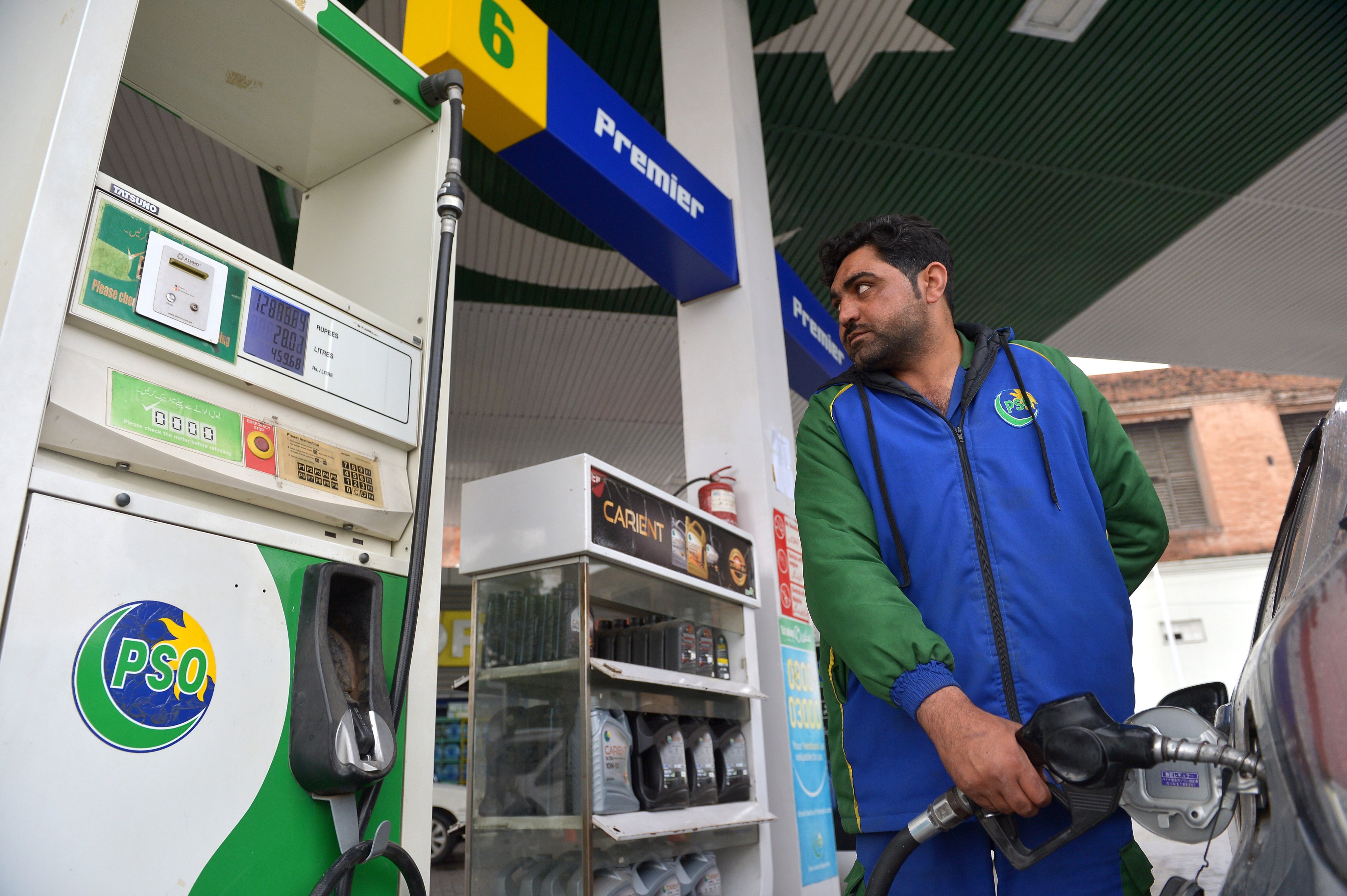
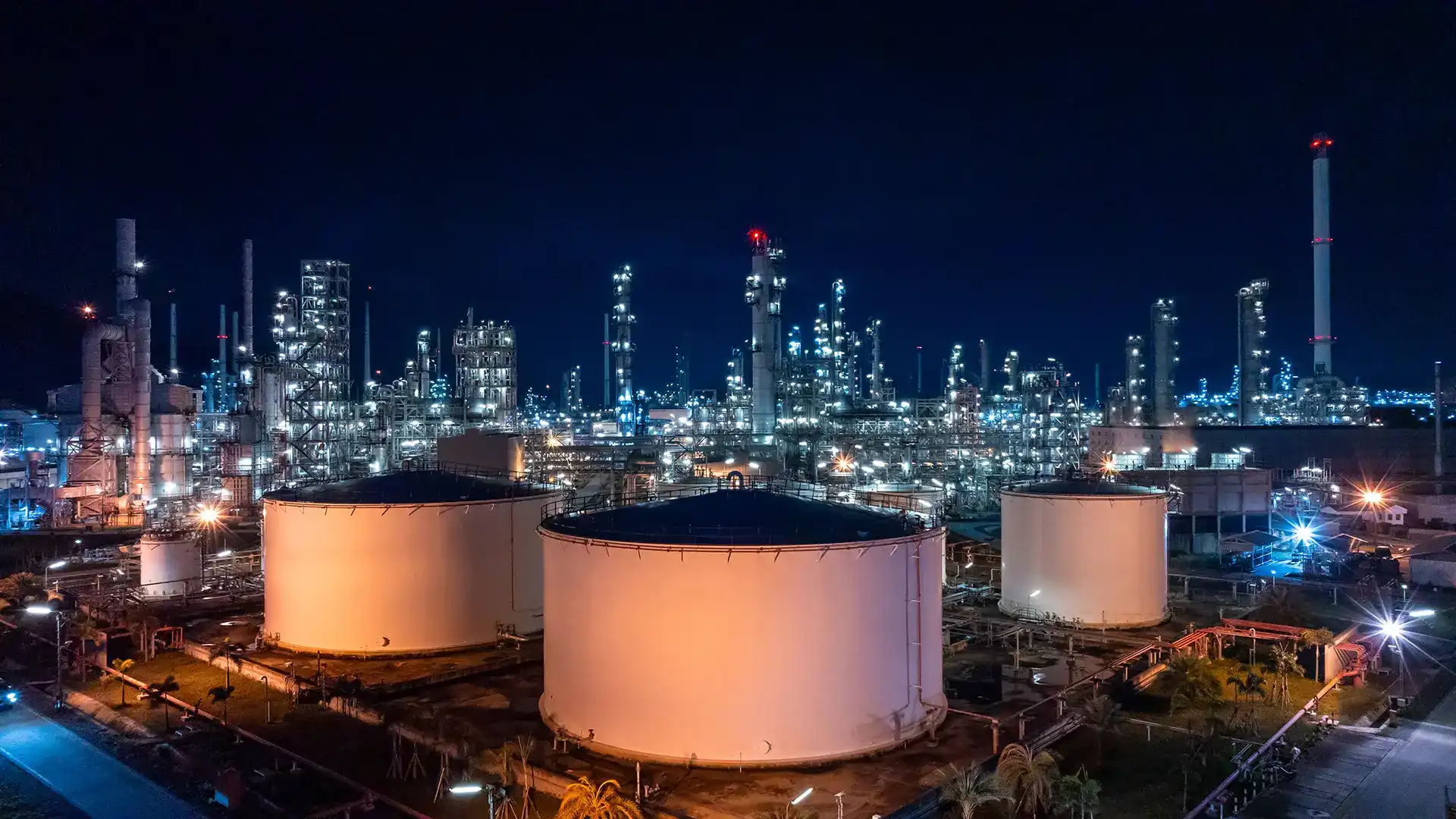
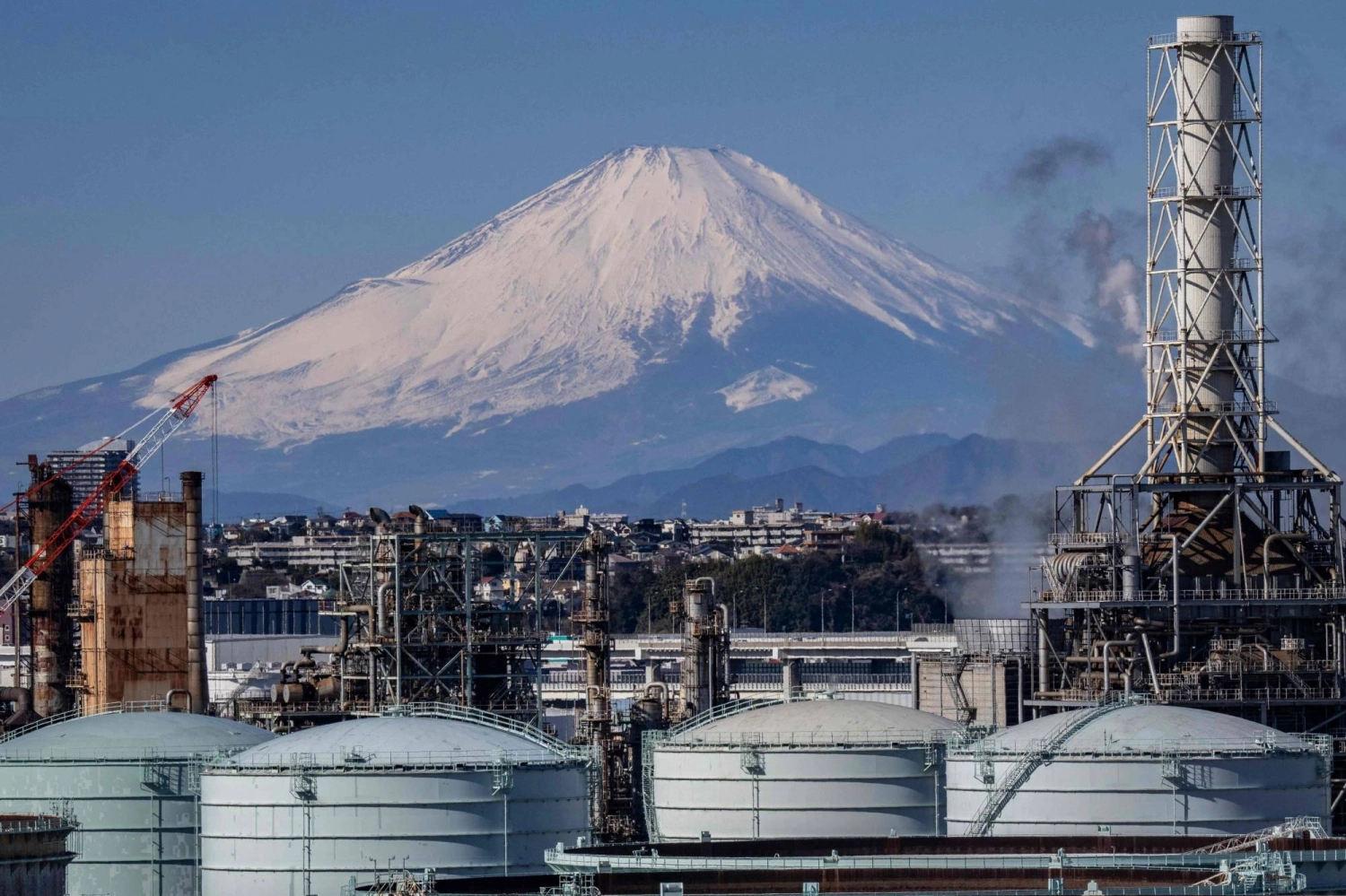
On the buy side, Asian refiners face an immediate procurement crisis that no amount of financial hedging can solve. A typical 200,000 barrels-per-day refinery in South Korea or Japan relies on 4–5 VLCC deliveries monthly from the MEG, representing 8–10 million barrels of crude input. If Hormuz closes, that refinery must either draw down strategic reserves — typically 90 days of operating inventory — or scramble for alternative supply that costs $3–5 per barrel more and takes 15–20 additional days to arrive. The math is unforgiving: $24–40 million in additional monthly crude costs, plus the operational complexity of managing supply chain disruptions across multiple grades of oil with different refining yields.
On the sell side, MEG crude producers face netback erosion despite potentially higher headline oil prices. Saudi Aramco, the UAE's ADNOC, and other Gulf producers see their delivered margins to Asian customers compressed by the rising cost of freight and insurance. War risk insurance — coverage against military action affecting vessels or cargo — has reportedly doubled from 0.075% to 0.15% of cargo value within 48 hours. For a $200 million crude cargo, that represents an additional $150,000 in insurance costs alone. Meanwhile, West African crude producers from Nigeria, Angola, and Ghana benefit from differential tightening: their oil becomes 2–4 dollars per barrel more competitive versus MEG crude on a delivered basis to Asia.
For large integrated trading houses — Vitol, Trafigura, Gunvor, or the trading arms of national oil companies — the current situation creates multiple arbitrage opportunities that smaller operators cannot access. These players can build floating storage positions using chartered VLCCs anchored in Singapore, Malaysia, or other Asian storage hubs, effectively creating a physical hedge against supply disruption. A floating storage play costs roughly $35,000–45,000 per day for the vessel plus the financing cost of the crude cargo, but generates substantial upside if Hormuz tensions persist and Asian crude prices spike further. They can also execute calendar spreads in the derivatives market, selling near-term Brent futures and buying longer-dated contracts to monetize the backwardation — the premium of immediate versus future delivery.
Regional importers and smaller refiners without access to derivatives markets or floating storage must rely on more basic risk management. A mid-sized fuel distributor in Southeast Asia might accelerate crude purchases from non-Gulf suppliers, accepting higher immediate costs to secure supply continuity. Independent petroleum product importers can diversify their supplier base geographically, even if it means working with smaller, less familiar counterparties. The key is fixing supplier terms quickly: locking in 60–90 day forward contracts with West African or Latin American producers before their prices fully adjust to reflect the new supply-demand balance.
The physical infrastructure constraints make this more than a temporary freight premium extraction. VLCCs cannot transit the Suez Canal when fully loaded — they must either discharge part of their cargo or use the longer route around the Cape of Good Hope, adding 15 days and approximately $500,000–600,000 in additional voyage costs. Suezmax tankers can use Suez but carry only half the cargo volume of VLCCs, requiring twice as many voyages to deliver equivalent oil volumes. The global tanker fleet cannot instantly reorganize to compensate for Hormuz closure: there are roughly 810 VLCCs worldwide, with about 200 typically engaged in MEG-to-Asia routes at any given time. Redeploying this tonnage to alternative routes takes weeks, not days.
Historical precedent suggests the current freight premium could persist longer than most operators expect. During the Iran-Iraq tanker war of the 1980s, VLCC rates on alternative routes remained elevated for months, not weeks, even when the Strait remained technically open. The premium reflected not just actual disruption but the persistent risk of disruption — what insurance markets call tail risk. The current situation differs in that global oil demand is higher, spare tanker capacity is lower, and alternative supply sources are more geographically dispersed, potentially extending the time required for supply chain adaptation.
The contrarian view — that this freight spike will prove short-lived — rests on Iran's historical pattern of threats without follow-through. Iran has threatened Hormuz closure multiple times since 2011 without acting, suggesting the current threat serves primarily as deterrence rather than genuine intent. However, this analysis overlooks the changed strategic context: Israel's strikes on Iranian energy infrastructure represent a more direct escalation than previous sanctions or diplomatic pressure. Moreover, even if Iran refrains from closure, the market has now repriced the risk upward, potentially sustaining elevated freight rates through the option value alone.
For large operators tracking this situation, monitor the Baltic Exchange's weekly VLCC time charter equivalent (TCE) earnings on the MEG-to-Asia route versus the West Africa-to-Asia route. When the differential exceeds $20,000 per day for more than two consecutive weeks, the market has moved from temporary premium extraction to structural route shift preparation. Regional operators should watch Dubai crude oil futures backwardation versus Brent crude: if the near-month Dubai contract trades more than $4 per barrel above the three-month contract for five consecutive trading sessions, Asian refiners are signaling genuine supply concern rather than speculative positioning. Both signals indicate whether the current windfall represents opportunity or the beginning of a prolonged supply chain reconfiguration.
.jpg)
.jpg)

'%3e%3cg id='Final-Copy-2_2_' transform='translate(1275.000000, 200.000000)'%3e%3cpath class='st0' d='M7.4,12.8h6.8l3.1-11.6H7.4C4.2,1.2,1.6,3.8,1.6,7S4.2,12.8,7.4,12.8z'/%3e%3c/g%3e%3c/g%3e%3c/g%3e%3cg id='final---dec.11-2020'%3e%3cg id='_x30_208-our-toggle' transform='translate(-1275.000000, -200.000000)'%3e%3cg id='Final-Copy-2' transform='translate(1275.000000, 200.000000)'%3e%3cpath class='st1' d='M22.6,0H7.4c-3.9,0-7,3.1-7,7s3.1,7,7,7h15.2c3.9,0,7-3.1,7-7S26.4,0,22.6,0z M1.6,7c0-3.2,2.6-5.8,5.8-5.8 h9.9l-3.1,11.6H7.4C4.2,12.8,1.6,10.2,1.6,7z'/%3e%3cpath id='x' class='st2' d='M24.6,4c0.2,0.2,0.2,0.6,0,0.8l0,0L22.5,7l2.2,2.2c0.2,0.2,0.2,0.6,0,0.8c-0.2,0.2-0.6,0.2-0.8,0 l0,0l-2.2-2.2L19.5,10c-0.2,0.2-0.6,0.2-0.8,0c-0.2-0.2-0.2-0.6,0-0.8l0,0L20.8,7l-2.2-2.2c-0.2-0.2-0.2-0.6,0-0.8 c0.2-0.2,0.6-0.2,0.8,0l0,0l2.2,2.2L23.8,4C24,3.8,24.4,3.8,24.6,4z'/%3e%3cpath id='y' class='st3' d='M12.7,4.1c0.2,0.2,0.3,0.6,0.1,0.8l0,0L8.6,9.8C8.5,9.9,8.4,10,8.3,10c-0.2,0.1-0.5,0.1-0.7-0.1l0,0 L5.4,7.7c-0.2-0.2-0.2-0.6,0-0.8c0.2-0.2,0.6-0.2,0.8,0l0,0L8,8.6l3.8-4.5C12,3.9,12.4,3.9,12.7,4.1z'/%3e%3c/g%3e%3c/g%3e%3c/g%3e%3c/g%3e%3c/svg%3e) Privacy Choices
Privacy Choices